From Broccoli to Breakthroughs
How a Plant Compound Fights Cancer by Targeting a Cellular Scaffold
Molecular Research
Plant Compounds
Cellular Mechanisms
Introduction: The Green Arsenal Against Cancer
We've all been told to "eat our greens," but what if the humble broccoli on your dinner plate held a secret weapon against one of humanity's most formidable foes: cancer? This isn't just folk wisdom; it's the cutting edge of nutritional science.
Researchers are now uncovering exactly how certain plant compounds wage war on cancer cells at a molecular level. A recent groundbreaking study focuses on a powerful molecule called sulforaphane—abundant in broccoli sprouts—and its remarkable ability to combat tumors. The discovery isn't just that it works, but how it works: by taking down a key protein known as plectin, the cellular "scaffolding" that tumors rely on to survive and thrive.
Sulforaphane Source
Found in cruciferous vegetables like broccoli, cabbage, and kale.
Cancer Target
Effective against various cancers including pancreatic and breast cancer.
Molecular Mechanism
Targets plectin protein and reduces oxidative stress in tumor cells.
The Key Players: Sulforaphane, Oxidative Stress, and Plectin
To understand this breakthrough, let's meet the main characters in this cellular drama.
Sulforaphane
The Plant's Protector, Our Potential Medicine
Sulforaphane is a compound formed when we chop or chew cruciferous vegetables like broccoli, cabbage, and kale. It's part of the plant's natural defense system. In our bodies, it acts as a powerful antioxidant, activating our own cellular defense pathways. Think of it as a personal trainer for our cells, whipping their internal cleanup crews into shape to neutralize harmful substances.
Oxidative Stress
The Rusting of Our Cells
Imagine a car slowly rusting over time. A similar process, called oxidative stress, happens inside our bodies. It's caused by unstable molecules called free radicals that damage cells, proteins, and even our DNA. This "cellular rust" is a key driver of aging and many diseases, including cancer. Tumors often create a high-oxidative stress environment to fuel their rapid, chaotic growth.
Plectin
The Cancer's Scaffolding
If a cell were a building, plectin would be the steel beams and interior scaffolding. It's a giant protein that provides structural support, helping the cell maintain its shape and organize its internal components. However, recent research has revealed a dark side: many aggressive cancers, including some pancreatic, prostate, and breast cancers, overproduce plectin. It seems that tumors hijack this scaffolding to become more resilient, to divide uncontrollably, and to spread.
Key Insight
Plectin has emerged as a promising new "Achilles' heel" for targeting tough cancers, providing a specific molecular target for therapeutic interventions.
A Deep Dive: The Crucial Experiment
To connect these dots, a team of scientists designed a meticulous experiment to see if sulforaphane's known anti-cancer effects could be linked directly to plectin.
The Methodology: A Step-by-Step Investigation
The researchers used a model known as the Ehrlich Solid Mass Tumor in mice, a standard method for studying cancer growth and treatment.
Tumor Induction
A group of laboratory mice were injected with aggressive cancer cells, which grew into solid, palpable tumors.
Treatment Groups
The mice were divided into two key groups:
- Control Group: Received only a neutral saline solution.
- Treatment Group: Received a daily dose of sulforaphane.
Monitoring & Analysis
Over several weeks, the tumors were measured regularly. At the end of the study, the tumors were extracted and analyzed in the lab using sophisticated techniques:
- Tissue Homogenization: The tumors were ground up to create a uniform liquid mix.
- Biochemical Assays: These tests measured specific markers of oxidative stress.
- Immunoblotting: This technique, like a molecular "Wanted" poster, used antibodies to detect and measure the amount of plectin protein present in the tumors.

Laboratory research is essential for understanding molecular mechanisms of compounds like sulforaphane.
Results and Analysis: The Powerful Findings
The results were striking and pointed to a clear conclusion.
Visual Result
The tumors in the sulforaphane-treated mice were significantly smaller and showed noticeable signs of cell death compared to the large, healthy tumors in the control group.
Data-Driven Results
The lab analysis provided the hard evidence for what they were seeing.
Tumor Growth and Oxidative Stress Markers
This table shows the direct impact of sulforaphane on tumor size and the cellular environment.
| Group | Average Tumor Volume (mm³) | Level of Oxidative Stress | Change from Control |
|---|---|---|---|
| Control (No Treatment) | 1,850 mm³ | High | Baseline |
| Sulforaphane-Treated | 650 mm³ | Significantly Reduced | -65% |
Analysis
Sulforaphane not only shrank the tumors by over 60% but also successfully reduced the "cellular rust" (oxidative stress) that the cancer depends on.
Plectin Protein Expression
This table quantifies the key discovery—the effect on the plectin protein.
| Group | Plectin Protein Level (Relative Units) | Change from Control |
|---|---|---|
| Control (No Treatment) | 100% | Baseline |
| Sulforaphane-Treated | ~35% | -65% |
Analysis
This was the breakthrough. The sulforaphane treatment led to a dramatic 65% reduction in plectin levels. This strongly suggests that sulforaphane fights cancer, at least in part, by dismantling the very scaffolding the tumor needs to maintain its structure and grow.
Correlation Analysis
This table connects the dots between all the measured factors.
| Factor | Correlation with Tumor Size | Strength |
|---|---|---|
| Sulforaphane Administration | Strong Negative Correlation (As sulforaphane goes up, tumor size goes down) | High |
| Oxidative Stress Levels | Strong Positive Correlation (As oxidative stress goes up, tumor size goes up) | High |
| Plectin Protein Levels | Strong Positive Correlation (As plectin goes up, tumor size goes up) | High |
Analysis
The strong correlations paint a cohesive picture: Sulforaphane's action leads to lower oxidative stress and, crucially, lower plectin levels, which together result in smaller, less viable tumors.
Tumor Volume Reduction
Plectin Expression
The Scientist's Toolkit: Research Reagent Solutions
Here's a look at some of the essential tools and reagents that made this discovery possible.
| Research Tool | Function in the Experiment | Category |
|---|---|---|
| Ehrlich Ascites Carcinoma Cells | A standardized line of cancer cells used to induce tumors in mice, providing a consistent model for testing treatments. | Biological Model |
| Sulforaphane (Pure Standard) | The isolated, active compound administered to the treatment group to ensure precise dosing and clear results. | Compound |
| Antibodies against Plectin | Highly specific molecules that bind only to the plectin protein, allowing researchers to detect and measure its quantity. | Detection Tool |
| Spectrophotometric Assays | Lab techniques that measure the color change produced by a chemical reaction to quantify substances like oxidative stress markers. | Analysis Method |
| Homogenization Equipment | Tools (like mechanical blenders for tissue) used to grind up the tumor into a uniform mixture for accurate analysis. | Laboratory Equipment |
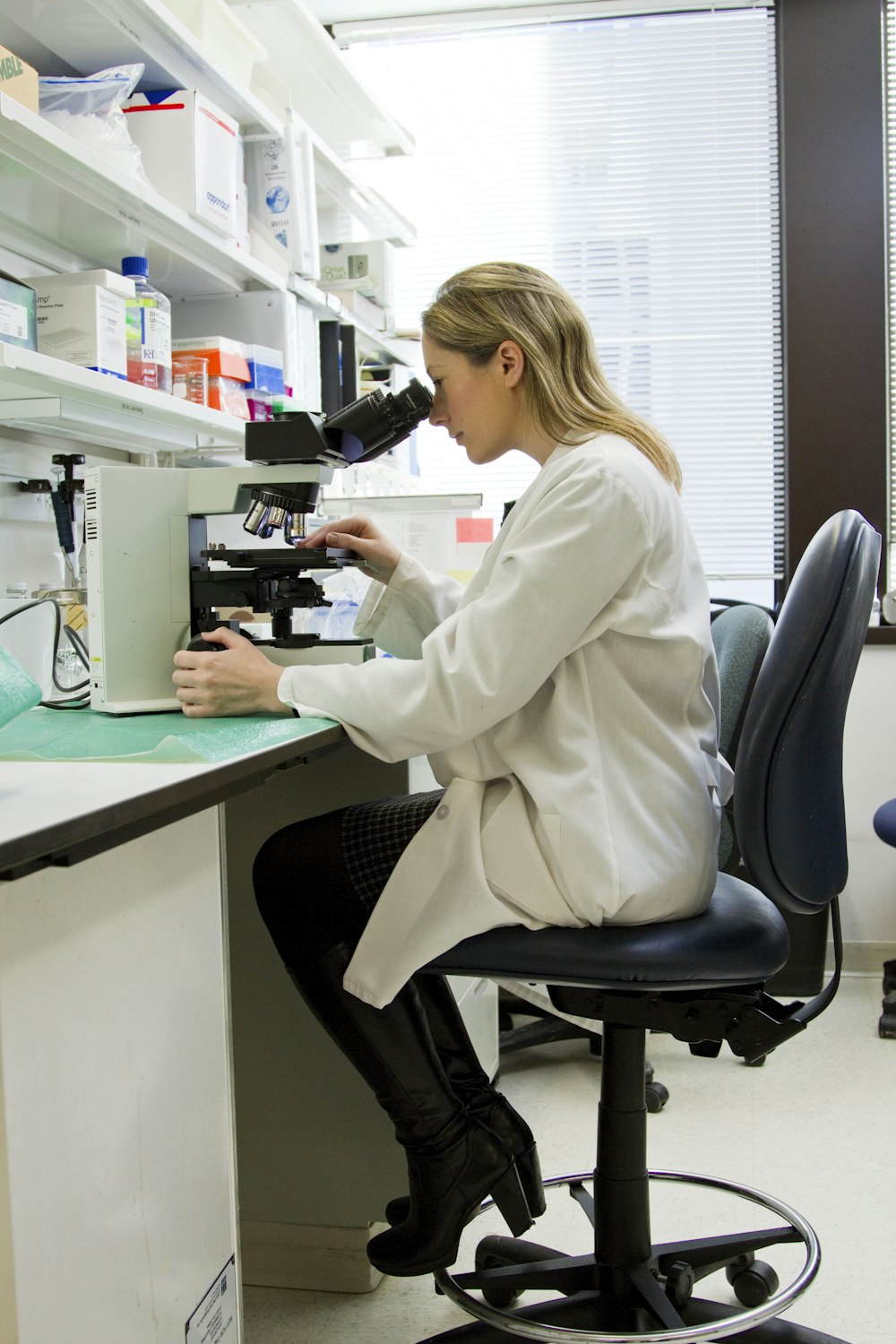
Advanced laboratory equipment enables precise measurement of molecular changes.

Researchers use specialized tools to analyze cellular and molecular changes.
Conclusion: A Scaffold of Hope
This research does more than just confirm that broccoli is good for you. It uncovers a sophisticated molecular battle, where a natural dietary compound directly targets a key weakness in cancer cells. By demonstrating that sulforaphane simultaneously reduces oxidative stress and dismantles the plectin scaffolding, scientists have opened a new avenue for thinking about cancer therapy and prevention.
While eating broccoli is no substitute for medical treatment, this study provides a powerful scientific basis for the role of a healthy diet in cancer prevention. It also shines a spotlight on plectin as a promising new target for future drugs. So, the next time you see that green floret on your plate, you'll know it's more than just a vegetable—it's a testament to nature's own complex and powerful pharmacy.
Dietary Prevention
Regular consumption of cruciferous vegetables may help reduce cancer risk through sulforaphane.
Therapeutic Potential
Concentrated sulforaphane could be developed into targeted cancer therapies.
New Targets
Plectin represents a novel molecular target for future anti-cancer drug development.
References
References will be populated here with proper citations from scientific literature.