A Practical Guide to Validating Apoptosis: Western Blot Detection of Cleaved PARP-1 and Caspase-3
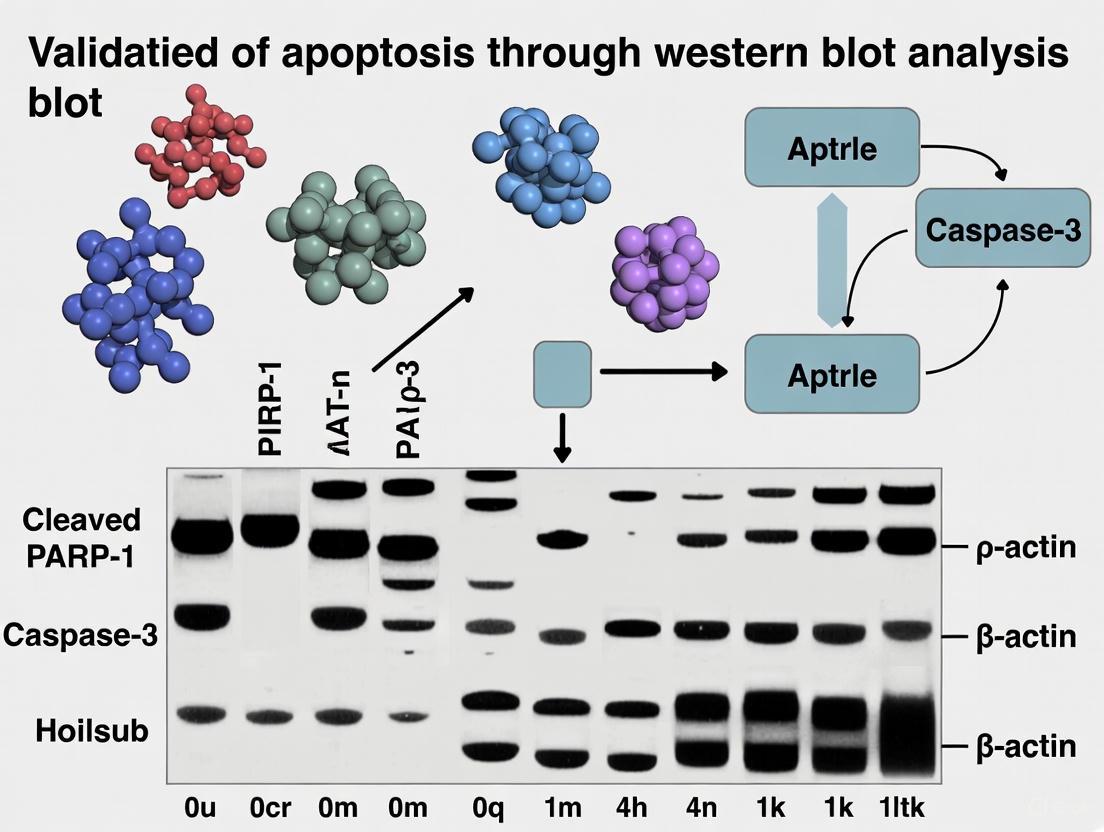
This article provides a comprehensive, step-by-step guide for researchers and drug development professionals on the use of cleaved PARP-1 and caspase-3 as definitive biomarkers for validating apoptosis via Western blot.
A Practical Guide to Validating Apoptosis: Western Blot Detection of Cleaved PARP-1 and Caspase-3
Abstract
This article provides a comprehensive, step-by-step guide for researchers and drug development professionals on the use of cleaved PARP-1 and caspase-3 as definitive biomarkers for validating apoptosis via Western blot. It covers the foundational biology of these key apoptotic markers, detailed methodological protocols including sample preparation and antibody selection, common troubleshooting and optimization strategies to overcome detection challenges, and rigorous approaches for data validation and interpretation. The content integrates the latest advancements, such as antibody conservation techniques, to ensure robust, reliable, and reproducible results in diverse research applications from basic science to therapeutic screening.
The Apoptotic Executioners: Understanding Cleaved PARP-1 and Caspase-3 as Key Biomarkers
The Central Role of Caspase-3 as the Key Executioner Protease in Apoptosis
Caspase-3 is a cysteine-aspartic protease that functions as the predominant executioner caspase in the terminal phase of apoptotic cell death. As a member of the caspase family, it exists as an inactive zymogen in living cells until activated by proteolytic cleavage, typically by initiator caspases such as caspase-8, caspase-9, or caspase-10 [1]. Once activated, caspase-3 orchestrates the systematic dismantling of cellular components through restricted proteolysis of over 400 cellular substrates, leading to the characteristic morphological and biochemical changes associated with apoptosis, including chromatin condensation, DNA fragmentation, and formation of apoptotic bodies [1] [2]. The essential nature of caspase-3 in normal development is underscored by the severe phenotypes of caspase-3 deficient mice, which display profound developmental defects including ectopic cell masses in the brain and premature death [1] [3].
Within the context of apoptosis research and drug development, caspase-3 activation serves as a crucial biomarker for confirming programmed cell death. Its activation can be detected through various methods including Western blot analysis of its cleavage products, activity assays using synthetic substrates, and more recently, through advanced fluorescent reporter systems that allow real-time monitoring in live cells [4] [5] [6]. When combined with other apoptotic markers such as cleaved PARP-1, caspase-3 provides researchers with a validated framework for assessing apoptosis induction in response to various stimuli, including chemotherapeutic agents, targeted therapies, and other cell death-inducing compounds [7] [8].
Caspase-3 Structure, Activation, and Functional Mechanisms
Molecular Structure and Proteolytic Activation
Caspase-3 is synthesized as an inactive 32 kDa pro-enzyme (procaspase-3) consisting of an N-terminal pro-domain followed by large (p17) and small (p12) subunits [1]. During apoptosis, initiator caspases cleave procaspase-3 at specific aspartic residues, generating the active heterotetramer composed of two p17 and two p12 subunits [1]. The active site of caspase-3 contains a catalytic diad formed by cysteine residue (Cys-163) and histidine residue (His-121), which work in concert to hydrolyze peptide bonds carboxy-terminal to aspartic acid residues within specific tetra-peptide motifs [1]. The three-dimensional structure of active caspase-3 reveals a characteristic 12-stranded beta-sheet core surrounded by alpha-helices, forming two symmetric active sites at opposite ends of the molecule [1].
The proteolytic activation of caspase-3 represents a critical amplification step in the apoptotic cascade, as a single initiator caspase molecule can activate multiple executioner caspase molecules, leading to an exponential increase in proteolytic capacity [1]. This activation can occur through either the extrinsic (death receptor) or intrinsic (mitochondrial) apoptotic pathways. In the extrinsic pathway, caspase-8 directly cleaves and activates caspase-3, while in the intrinsic pathway, cytochrome c release from mitochondria promotes caspase-9 activation through apoptosome formation, which in turn activates caspase-3 [3].
Substrate Specificity and Catalytic Mechanism
Caspase-3 exhibits a strong preference for cleaving after aspartic acid residues within the consensus sequence DEVD (Asp-Glu-Val-Asp), though it can recognize variations of this tetra-peptide motif [1] [6]. The enzyme demonstrates remarkable specificity for aspartic acid over glutamic acid, with a 20,000-fold preference that ensures precise targeting of appropriate substrates [1]. The catalytic mechanism involves the thiol group of Cys-163 nucleophilically attacking the carbonyl carbon of the scissile peptide bond, while His-121 stabilizes the developing negative charge on the carbonyl oxygen [1]. Additional residues including Gly-238 help stabilize the tetrahedral transition state through hydrogen bonding, ensuring efficient catalysis [1].
Unlike initiator caspases with more restricted substrate profiles, caspase-3 targets a broad repertoire of structural and regulatory proteins, including:
- Nuclear enzymes: PARP-1, which is cleaved to generate characteristic 89 kDa and 24 kDa fragments [8]
- Cytoskeletal components: Gelsolin, fodrin, and keratin proteins [2]
- DNA repair enzymes: DNA-dependent protein kinase catalytic subunit [1]
- Cell cycle regulators: Rb protein and MDM2 [1]
- Other caspases: Caspase-6, which is activated through cleavage by caspase-3 [1]
This diverse substrate profile enables caspase-3 to efficiently dismantle critical cellular structures and signaling networks, ultimately leading to the organized demise of the cell with minimal inflammatory consequences [1] [2].
Figure 1: Caspase-3 Activation Pathways in Apoptosis. Caspase-3 serves as the convergence point for extrinsic (death receptor) and intrinsic (mitochondrial) apoptotic pathways. Active initiator caspases (caspase-8 or caspase-9) proteolytically activate pro-caspase-3, which then cleaves key cellular substrates like PARP-1, leading to apoptotic cell death. Caspase inhibitors such as zVAD-fmk can block this process.
Comparative Analysis of Executioner Caspases
Caspase-3 vs. Caspase-7: Functional Distinctions
While caspase-3 and caspase-7 share similar recognition motifs and are often considered redundant executioner caspases, substantial evidence reveals significant functional differences between these proteases. Both enzymes recognize the DEVD peptide sequence and are activated universally during apoptosis, yet their substrate profiles and biological roles display remarkable divergence [2]. Studies comparing purified recombinant caspase-3 and caspase-7 have demonstrated that while both enzymes cleave certain substrates such as PARP, RhoGDI, and ROCK I with similar efficiency, they exhibit major differences in their ability to process many other protein targets [2].
Table 1: Comparative Substrate Specificity of Executioner Caspases
| Substrate Protein | Caspase-3 Activity | Caspase-7 Activity | Biological Consequence of Cleavage |
|---|---|---|---|
| PARP-1 | +++ | +++ | Inactivation of DNA repair; promotion of cell death [2] |
| RhoGDI | +++ | +++ | Cytoskeletal reorganization [2] |
| ROCK I | +++ | +++ | Membrane blebbing [2] |
| XIAP | +++ | + | Relief of caspase inhibition [2] |
| Gelsolin | +++ | + | Cytoskeletal disassembly [2] |
| Bid | +++ | + | Amplification of mitochondrial pathway [2] |
| Caspase-6 | +++ | + | Propagation of caspase cascade [2] |
| Caspase-9 | +++ | + | Feedback amplification [2] |
| Cochaperone p23 | + | +++ | Disruption of chaperone function [2] |
Key: +++ = high efficiency; + = low efficiency
Caspase-3 demonstrates broader substrate promiscuity compared to caspase-7 and appears to be the principal effector caspase responsible for the majority of proteolytic events during the demolition phase of apoptosis [2]. This functional distinction is further supported by the different phenotypes of knockout mice; caspase-3 deficiency causes severe developmental defects and premature death, while caspase-7 deficient mice are generally viable with less pronounced phenotypes [2]. The non-redundant functions of these executioner caspases highlight the importance of specifically measuring caspase-3 activity in apoptosis assays rather than assuming functional equivalence with caspase-7.
Relative Contribution to Apoptotic Demolition
The superior efficiency of caspase-3 in cleaving a wider array of structural and regulatory proteins positions it as the dominant executioner caspase in most cell types. Immunodepletion experiments in Jurkat cell-free extracts have demonstrated that removal of caspase-3 abolishes cytochrome c/dATP-induced proteolysis of numerous caspase substrates, while depletion of caspase-7 has minimal impact on the same substrate panel [2]. This suggests that caspase-3 is not only more versatile in its substrate repertoire but also accounts for the bulk of proteolytic activity during apoptotic execution.
The functional dominance of caspase-3 extends to its role in feedback amplification of the caspase cascade. Caspase-3 efficiently processes and activates other caspases including caspase-2, caspase-6, and caspase-9, thereby propagating the proteolytic signal throughout the cell [2]. In contrast, caspase-7 displays significantly weaker activity toward these caspase substrates. This differential capacity for feedback amplification may explain why caspase-3 deficiency has more severe consequences than caspase-7 deficiency, as the former creates a more substantial defect in the propagation of the apoptotic signal [2].
Caspase-3 and PARP-1 Cleavage as Apoptosis Biomarkers
PARP-1 Cleavage: A Hallmark of Apoptosis
Poly(ADP-ribose) polymerase-1 (PARP-1) is a nuclear enzyme involved in DNA repair that serves as one of the most characteristic substrates of executioner caspases during apoptosis [8]. Full-length PARP-1 (116 kDa) is cleaved by caspase-3 and other executioner caspases at a specific DEVDG sequence (between Asp214 and Gly215), generating signature fragments of 89 kDa and 24 kDa [8] [9]. This cleavage event separates the N-terminal DNA-binding domain (which remains nuclear) from the C-terminal catalytic domain (which translocates to the cytoplasm), effectively inactivating PARP-1's DNA repair function and preventing wasteful ATP depletion during cell death [8] [9].
The detection of cleaved PARP-1 fragments, particularly the 89 kDa fragment, has become a gold standard biomarker for confirming apoptosis in experimental systems, often used in conjunction with caspase-3 activation measurements [7] [8]. The coordinated appearance of active caspase-3 (p17 subunit) and cleaved PARP-1 (89 kDa fragment) provides compelling evidence for apoptosis induction, as these molecular events represent key milestones in the execution phase of programmed cell death [7]. Western blot analysis simultaneously probing for both markers offers a robust approach for apoptosis validation in research and drug screening contexts.
Experimental Detection Methods
Western Blot Protocol for Caspase-3 and PARP-1 Cleavage Analysis:
- Cell Lysis: Harvest cells and lyse in RIPA buffer supplemented with protease inhibitors
- Protein Quantification: Determine protein concentration using BCA or Bradford assay
- Gel Electrophoresis: Separate 20-30 μg of protein per lane on 4-12% Bis-Tris polyacrylamide gels
- Protein Transfer: Transfer to PVDF or nitrocellulose membranes using standard protocols
- Blocking: Incubate membrane with 5% non-fat milk in TBST for 1 hour at room temperature
- Primary Antibody Incubation:
- Anti-caspase-3 (1:1000 dilution): Detects both full-length (32 kDa) and cleaved p17 subunit
- Anti-cleaved PARP-1 (1:1000 dilution): Specifically detects the 89 kDa fragment
- Anti-β-actin (1:5000 dilution): Loading control
- Incubate overnight at 4°C with gentle shaking
- Secondary Antibody Incubation:
- HRP-conjugated anti-rabbit and/or anti-mouse antibodies (1:5000 dilution)
- Incubate for 1 hour at room temperature
- Detection: Develop using enhanced chemiluminescence substrate and image with digital imaging system
Commercial antibody cocktails are available that simultaneously detect pro/p17-caspase-3, cleaved PARP1, and loading controls such as muscle actin, streamlining the detection process [7]. These optimized reagent combinations provide researchers with standardized tools for consistent apoptosis assessment across multiple experiments.
Table 2: Key Apoptosis Biomarkers for Western Blot Analysis
| Biomarker | Molecular Weight | Detection Antibody | Interpretation of Results |
|---|---|---|---|
| Pro-caspase-3 | 32 kDa | Caspase-3 monoclonal | Presence indicates inactive zymogen |
| Cleaved caspase-3 (p17) | 17 kDa | Caspase-3 monoclonal | Specific marker of caspase-3 activation |
| PARP-1 full length | 116 kDa | PARP-1 monoclonal | Cellular background expression |
| Cleaved PARP-1 | 89 kDa | Cleaved PARP-1 specific | Hallmark apoptosis biomarker |
| Muscle actin | 42 kDa | Actin monoclonal | Loading control for normalization |
Advanced Methodologies for Caspase-3 Activity Monitoring
Real-Time Imaging with Fluorescent Reporters
Recent advances in live-cell imaging have enabled real-time monitoring of caspase-3 activity using engineered fluorescent reporter systems. These typically employ FRET-based bioprobes or split-GFP systems that undergo conformational changes upon caspase-3-mediated cleavage, resulting in measurable fluorescence changes [4] [5]. One sophisticated approach utilizes a ZipGFP-based caspase-3/7 reporter, where GFP is split into two fragments connected by a flexible linker containing the DEVD caspase cleavage motif [5]. In the absence of caspase activity, the fragments cannot reassemble into functional GFP, but upon DEVD cleavage, the fragments separate and spontaneously refold into fluorescent GFP, providing an irreversible signal of caspase activation [5].
These reporter systems have been successfully adapted for both 2D and 3D culture models, including spheroids and patient-derived organoids, allowing researchers to monitor apoptosis kinetics in physiologically relevant microenvironments [5]. The capacity for longitudinal, single-cell analysis enables detection of heterogeneous apoptotic responses within cell populations, providing insights that would be obscured by population-averaged endpoint measurements [5]. When combined with constitutive fluorescent markers (e.g., mCherry) for normalization, these systems permit quantitative assessment of caspase activation while controlling for variations in cell number and viability [5].
Flow Cytometry-Based Activity Assays
Time-resolved flow cytometry (TRFC) combined with FRET-based bioprobes represents another powerful approach for high-throughput quantification of caspase-3 activity at single-cell resolution [4]. This methodology measures fluorescence lifetime changes in donor fluorophores as FRET efficiency decreases due to caspase-mediated cleavage of the linker between donor and acceptor molecules [4]. The technique offers several advantages over intensity-based measurements, including independence from fluorophore concentration and reduced susceptibility to experimental artifacts [4].
Phasor analysis of lifetime data enables clustering of cells based on their "lifetime fingerprint," facilitating identification of distinct subpopulations with varying caspase-3 activation status [4]. This approach is particularly valuable for screening applications where quantitative assessment of caspase inhibition or activation is required for drug development or mechanistic studies [4]. The high-throughput nature of flow cytometry-based caspase activity assays makes them well-suited for pharmaceutical screening campaigns aimed at identifying novel modulators of apoptosis.
The Scientist's Toolkit: Essential Research Reagents
Table 3: Key Research Reagents for Caspase-3 and Apoptosis Studies
| Reagent / Tool | Specific Example | Research Application | Experimental Notes |
|---|---|---|---|
| Apoptosis Western Blot Cocktail | ab136812 (Abcam) | Simultaneous detection of caspase-3 (pro and p17), cleaved PARP1, and loading control | Contains primary antibody cocktail and HRP-conjugated secondary antibodies [7] |
| Caspase-3 Fluorogenic Substrate | DEVD-AFC, DEVD-AMC | Spectrofluorometric activity assays | Cleavage releases fluorescent AFC or AMC; monitor at 400 nm excitation/505 nm emission [1] [2] |
| Pan-caspase Inhibitor | zVAD-fmk | Specific inhibition of caspase activity; negative control for apoptosis experiments | Potentiates TNF-induced necrosis while preventing apoptosis [5] [9] |
| Caspase-3/7 Live-Cell Reporter | ZipGFP-DEVD, FRET-based biosensors | Real-time imaging of caspase activation in live cells | Enables kinetic studies in 2D and 3D culture models [5] |
| Active Caspase-3 Antibodies | Anti-cleaved caspase-3 (Asp175) | Specific detection of activated caspase-3 by WB, IHC, and flow cytometry | Does not recognize full-length caspase-3 [7] |
| PARP-1 Cleavage-Specific Antibodies | Anti-cleaved PARP (Asp214) | Specific detection of 89 kDa PARP-1 fragment | Hallmark apoptosis biomarker; often used alongside caspase-3 activation [7] [8] |
| Apoptosis Inducers | Staurosporine, carfilzomib, etoposide | Positive controls for apoptosis induction | Concentration and time-course must be optimized for each cell type [7] [5] |
Regulatory Functions and Novel Biological Roles
Caspase-3 in Non-Apoptotic Processes
Beyond its well-established role in apoptosis, emerging evidence indicates that caspase-3 participates in various non-apoptotic processes, including apoptosis-induced proliferation (AiP), differentiation, and synaptic plasticity [5]. In AiP, caspase-3 activation in dying cells stimulates the proliferation of neighboring surviving cells through the release of mitogenic factors such as epidermal growth factors (EGF) and interleukin-6 (IL-6) [5]. This paradoxical phenomenon may contribute to tumor repopulation following chemotherapy, highlighting the complex relationship between caspase activation and tissue homeostasis [5].
Caspase-3 also plays important roles in neuronal development and tissue regeneration through control of paracrine factor secretion [4]. These non-apoptotic functions typically involve limited or sublethal caspase-3 activation that falls below the threshold required to trigger full-blown apoptosis. The diverse roles of caspase-3 underscore the importance of quantitative activity measurements rather than simple binary (on/off) assessments, as different functional outcomes may depend on the magnitude and duration of caspase-3 activation [4].
Novel Functions of Caspase-Generated Protein Fragments
Recent research has revealed that caspase-generated cleavage fragments can acquire novel biological functions distinct from their full-length precursors. For example, the 89 kDa truncated PARP-1 (tPARP1) fragment generated by caspase-3 cleavage translocates to the cytoplasm where it recognizes and mono-ADP-ribosylates the RNA polymerase III (Pol III) complex [10]. This modification enhances Pol III-mediated transcription of foreign DNA from invading pathogens, stimulating interferon-beta (IFN-β) production and amplifying anti-viral immune responses during apoptosis [10].
This discovery challenges the traditional view that PARP-1 cleavage simply serves to inactivate DNA repair during apoptosis and suggests instead that tPARP1 actively participates in pathogen defense through its newly acquired cytoplasmic function [10]. The BRCT domain of tPARP1 mediates interaction with Pol III subunits, facilitating ADP-ribosylation that potentiates the innate immune response [10]. These findings illustrate how caspase-mediated proteolysis can generate protein fragments with gain-of-function properties that extend beyond the original role of the executioner caspases in cellular dismantling.
Figure 2: Novel Function of Caspase-3-Generated PARP-1 Fragment. Beyond its role in cellular dismantling, caspase-3 cleavage of PARP-1 generates a truncated fragment (tPARP1) that translocates to the cytoplasm, binds the RNA Polymerase III complex via its BRCT domain, and catalyzes mono-ADP-ribosylation, ultimately enhancing interferon-beta production and immune responses.
Caspase-3 stands as the principal executioner protease in apoptotic pathways, coordinating the systematic dismantling of cellular structures through restricted proteolysis of hundreds of protein substrates. Its activation serves as a critical point of convergence for both extrinsic and intrinsic apoptotic signaling pathways, making it an ideal biomarker for apoptosis detection and validation. When combined with analysis of PARP-1 cleavage, caspase-3 activation provides researchers with a robust framework for assessing programmed cell death in experimental systems, particularly in drug development contexts where apoptosis induction is a desired therapeutic outcome.
The development of increasingly sophisticated detection methodologies, including real-time fluorescent reporters and high-throughput flow cytometric assays, has enhanced our ability to monitor caspase-3 activity with temporal and spatial precision in physiologically relevant model systems. These technical advances, coupled with growing appreciation of the non-apoptotic functions of caspase-3 and its cleavage products, have expanded our understanding of this pivotal protease beyond its traditional role as a mere executioner of cell death. As research continues to unveil novel aspects of caspase-3 biology, this protease remains both a fundamental mediator of apoptotic signaling and a versatile regulator of diverse cellular processes.
Poly(ADP-ribose) polymerase-1 (PARP-1) undergoes specific proteolytic cleavage during programmed cell death, transforming from a DNA repair enzyme into a definitive biochemical marker of apoptosis. This cleavage event, primarily mediated by executioner caspases-3 and -7, serves as a critical molecular switch that inactivates DNA repair capacity while simultaneously promoting cell death execution. Through direct comparison of methodological approaches, analysis of fragment functionality, and evaluation of experimental tools, this review establishes cleaved PARP-1 as an essential biomarker for validating apoptosis in research and drug development contexts, particularly when used in conjunction with caspase-3 detection.
PARP-1 is an abundant nuclear enzyme with approximately 1-2 million copies per cell, accounting for roughly 85% of total cellular PARP activity [8]. This multifunctional protein plays critical roles in DNA damage repair, chromatin remodeling, transcription regulation, and cell death decisions. Under physiological conditions, PARP-1 acts as a first responder to DNA damage, catalyzing the synthesis of poly(ADP-ribose) (PAR) chains to facilitate DNA repair processes [11] [12]. However, during apoptosis, PARP-1 becomes a prime substrate for executioner caspases, with its cleavage serving as an irreversible commitment point to cell death.
The transition of PARP-1 from DNA guardian to apoptosis marker represents a fundamental shift in cellular fate. This article provides a comprehensive comparison of PARP-1 cleavage detection methodologies, fragment functionality, and experimental applications, establishing its critical role as a definitive apoptosis biomarker alongside caspase-3 activation in scientific research and therapeutic development.
Molecular Mechanisms: Caspase-Mediated Cleavage and Fragment Generation
The Cleavage Event
During apoptosis, executioner caspases-3 and -7 recognize and cleave PARP-1 at a specific 216-Asp-|-Gly-217 bond within the nuclear localization sequence [7]. This proteolytic event generates two signature fragments with distinct molecular weights and cellular functions:
Table 1: PARP-1 Cleavage Fragments and Their Characteristics
| Fragment | Molecular Weight | Domains Contained | Cellular Localization | Primary Functions |
|---|---|---|---|---|
| Full-length PARP-1 | 116 kDa | DBD, AMD, CAT | Nuclear | DNA damage sensing and repair |
| 89 kDa Fragment | 89 kDa | AMD, CAT | Cytoplasmic | Pro-apoptotic functions |
| 24 kDa Fragment | 24 kDa | DBD | Nuclear | DNA binding, inhibits repair |
This cleavage event effectively separates the DNA-binding domain from the catalytic domain, dismantling PARP-1's repair capability while generating fragments with new functions that facilitate the apoptotic process [8].
Structural Consequences
The molecular dissection of PARP-1 during apoptosis represents an elegant biological switch mechanism. The 24 kDa fragment, containing two zinc-finger motifs, remains tightly bound to DNA strand breaks where it acts as a trans-dominant inhibitor of DNA repair by blocking access to additional DNA repair enzymes [8]. Meanwhile, the 89 kDa catalytic fragment translocates from the nucleus to the cytoplasm, where it may acquire pro-apoptotic functions independent of its DNA repair capacity [8] [13].
The following diagram illustrates the PARP-1 cleavage process and its functional consequences:
PARP-1 Cleavage as a Definitive Apoptosis Marker: Comparative Methodologies
Western Blot Detection
Western blot analysis remains the gold standard for definitive detection of PARP-1 cleavage, providing clear molecular weight differentiation between full-length and cleaved fragments. The optimal experimental approach requires careful antibody selection and normalization strategies:
Table 2: Western Blot Detection Strategies for PARP-1 Cleavage
| Target | Antibody Specificity | Expected Band Sizes | Detection Context | Advantages |
|---|---|---|---|---|
| Full-length PARP-1 | C-terminal or N-terminal epitopes | 116 kDa | Early apoptosis, DNA repair | Baseline reference |
| Cleaved PARP-1 (89 kDa) | Neo-epitope at cleavage site | 89 kDa | Mid-late apoptosis | Specific for apoptosis |
| Cleaved PARP-1 (24 kDa) | DNA-binding domain | 24 kDa | Mid-late apoptosis | Confirms complete cleavage |
| Caspase-3 (p17) | Cleaved subunit | 17 kDa | Execution phase | Complementary marker |
Commercial apoptosis Western blot cocktails, such as ab136812, provide optimized antibody combinations for simultaneous detection of both pro/cleaved caspase-3 and cleaved PARP-1 fragments alongside loading controls, enabling comprehensive apoptosis assessment in a single experiment [7].
Complementary Apoptosis Detection Methods
While Western blot provides definitive biochemical evidence, alternative methods offer unique advantages for different experimental needs:
- Live-Cell Imaging: Novel GFP-based reporters containing engineered caspase-3 cleavage motifs (DEVD) enable real-time apoptosis monitoring in live cells, though they may lack the specificity of direct PARP-1 cleavage detection [6].
- Flow Cytometry: Antibodies specific for cleaved PARP-1 can be combined with cell surface markers for apoptosis analysis in specific cell populations.
- Immunohistochemistry: Spatial detection of cleaved PARP-1 in tissue sections provides context-specific apoptosis localization.
Functional Consequences of PARP-1 Cleavage
Dual Pathways to Apoptosis Promotion
Recent research has revealed that PARP-1 contributes to apoptosis through multiple interconnected mechanisms. The RSL3 compound, initially characterized as a ferroptosis inducer, demonstrates PARP-1's central role in apoptosis execution through two parallel pathways:
- Caspase-Dependent Cleavage: RSL3 activates caspase-3, driving PARP-1 cleavage into the pro-apoptotic 89 kDa and 24 kDa fragments [14].
- Transcriptional Regulation: RSL3 disrupts METTL3-mediated m⁶A modification of PARP1 mRNA, reducing its stability and translational efficiency, thereby depleting full-length PARP-1 and enhancing DNA damage-induced apoptosis [14].
These findings establish PARP-1 as a bidirectional regulator of ferroptosis-apoptosis crosstalk, providing mechanistic foundation for targeting apoptosis-refractory cancers through dual pathway activation [14].
Fragment-Specific Biological Activities
The cleavage fragments of PARP-1 exhibit distinct and sometimes opposing biological functions:
- 24 kDa Fragment: Retains DNA binding capacity but lacks catalytic activity, effectively functioning as a dominant-negative inhibitor that blocks DNA repair and conserves cellular ATP [8] [13].
- 89 kDa Fragment: Translocates to cytoplasm and demonstrates pro-apoptotic properties; expression of this fragment alone induces cytotoxicity and enhances inflammatory responses through elevated NF-κB and iNOS activity [13].
- Uncleavable PARP-1 Mutants: Engineered PARP-1 constructs resistant to caspase cleavage confer protection from oxygen/glucose deprivation damage, highlighting the critical importance of the cleavage event itself in cell death execution [13].
The Scientist's Toolkit: Essential Reagents and Experimental Solutions
Table 3: Key Research Reagents for PARP-1 Cleavage Detection
| Reagent Category | Specific Examples | Experimental Function | Application Notes |
|---|---|---|---|
| PARP-1 Cleavage Antibodies | Anti-cleaved PARP-1 (89 kDa), Anti-24 kDa DBD | Specific detection of apoptotic fragments | Validate specificity with caspase inhibitors |
| Caspase-3 Antibodies | Pro-caspase-3, Cleaved p17 subunit | Early apoptosis detection | Complementary to PARP-1 cleavage |
| Apoptosis Inducers | Staurosporine, H₂O₂, Anti-FAS | Positive controls for cleavage | Titrate for optimal cleavage timing |
| Caspase Inhibitors | Z-VAD-FMK, DEVD-CHO | Apoptosis inhibition controls | Confirm caspase dependence |
| Western Blot Cocktails | ab136812 (cleaved PARP-1 + caspase-3) | Multiplex apoptosis detection | Includes loading controls |
| PARP Inhibitors | Olaparib, Veliparib, Rucaparib | Investigate PARP function | Note differential trapping efficiencies |
Experimental Protocols: Key Methodologies for Apoptosis Detection
Standard Western Blot Protocol for PARP-1 Cleavage Detection
Sample Preparation:
- Harvest cells during logarithmic growth or at optimal treatment timepoints
- Prepare whole cell lysates using RIPA buffer supplemented with protease inhibitors
- Quantify protein concentration using BCA assay, normalize samples to equal concentration
- Denature samples in Laemmli buffer at 95°C for 5 minutes
Electrophoresis and Transfer:
- Load 20-30 μg protein per lane on 4-12% Bis-Tris gradient gels
- Conduct electrophoresis at 120-150V for 60-90 minutes
- Transfer to PVDF membrane using standard wet or semi-dry transfer systems
Immunodetection:
- Block membranes with 5% non-fat milk in TBST for 1 hour
- Incubate with primary antibodies (1:1000 dilution recommended) overnight at 4°C
- Anti-cleaved PARP-1 (89 kDa specific)
- Anti-caspase-3 (pro and cleaved forms)
- Anti-actin or other loading control
- Apply HRP-conjugated secondary antibodies (1:5000-1:10000) for 1 hour at room temperature
- Develop using enhanced chemiluminescence substrate and image detection system
Validation:
- Include both positive (apoptosis-induced) and negative (vehicle-treated) controls
- Confirm caspase-dependence using pan-caspase inhibitor (Z-VAD-FMK, 20 μM)
- Analyze multiple timepoints to capture cleavage kinetics
Complementary Caspase-3 Activity Assay
Colorimetric Caspase-3 Assay Protocol:
- Prepare cell lysates in chilled lysis buffer
- Incubate with DEVD-pNA substrate at 37°C for 1-4 hours
- Measure absorbance at 405 nm using plate reader
- Normalize values to protein concentration and control samples
- Correlate caspase-3 activity with PARP-1 cleavage patterns
Research Applications: From Basic Science to Therapeutic Development
Cancer Research and Therapeutic Validation
PARP-1 cleavage serves as a critical biomarker in multiple cancer research contexts:
- PARP Inhibitor Development: Cleavage detection validates on-target effects and apoptosis induction in PARP inhibitor-treated cells, with different inhibitors (Olaparib, Veliparib, MK-4827) exhibiting varying PARP-trapping efficiencies [15].
- Therapeutic Resistance Models: RSL3 retains pro-apoptotic function in PARP inhibitor-resistant cells and effectively inhibits PARP inhibitor-resistant xenograft tumor growth in vivo, demonstrating PARP-1 cleavage as a valuable marker for overcoming therapeutic resistance [14].
- Combination Therapy Assessment: PARP-1 cleavage monitoring enables evaluation of synergistic drug combinations, particularly in BRCA-deficient backgrounds where PARP inhibitors show enhanced efficacy [12].
Neurological Disease Applications
In neurological contexts, PARP-1 cleavage patterns provide insights into disease mechanisms:
- Ischemic Injury Models: PARP-1 cleavage fragments differentially modulate cellular protection, with the 24 kDa fragment increasing cell viability during oxygen/glucose deprivation while the 89 kDa fragment exhibits cytotoxicity [13].
- Neurodegenerative Disorders: Distinct PARP-1 cleavage fragments serve as biomarkers for specific protease activities in unique cell death programs characteristic of Alzheimer's disease, Parkinson's disease, and cerebral ischemia [8].
PARP-1 cleavage represents a definitive biochemical marker of apoptotic commitment, providing researchers with a specific and mechanistically significant indicator of programmed cell death. When combined with caspase-3 activation detection, PARP-1 cleavage analysis forms a robust experimental framework for apoptosis validation across diverse research contexts. The continuing elucidation of PARP-1's multifaceted roles in DNA repair, cell death decisions, and inflammatory signaling ensures its ongoing relevance as both a research biomarker and therapeutic target in biomedical science.
Apoptosis, or programmed cell death, is a tightly regulated process essential for development and cellular homeostasis. The proteolytic cascade involving caspase-3 and Poly(ADP-ribose) polymerase-1 (PARP-1) represents a critical commitment point in the apoptotic pathway. Caspase-3, a primary executioner caspase, becomes activated during apoptosis and cleaves numerous cellular substrates, including PARP-1 [16]. The specific cleavage of PARP-1 at the Asp214 residue serves as a definitive biochemical marker of apoptosis, effectively halting DNA repair efforts and facilitating cellular disassembly [17]. This guide provides an objective comparison of research methods and reagents for detecting these key apoptotic events, offering researchers a framework for validating apoptosis in experimental models.
Molecular Pathways and Biological Significance
The Caspase-3/PARP-1 Axis in Cell Death Pathways
The cleavage of PARP-1 by caspase-3 represents a convergence point for both intrinsic and extrinsic apoptotic signaling. The intrinsic (mitochondrial) pathway activates the initiator procaspase-9 in response to cellular damage, while the extrinsic pathway activates procaspase-8 through external death ligands like FasL and TRAIL [18]. Both pathways converge to activate the executioner caspase-3, which then proteolytically cleaves PARP-1 at Asp214 [9] [10]. This cleavage event separates PARP-1's N-terminal DNA-binding domain (24 kDa) from its C-terminal catalytic domain (89 kDa), inactivating its DNA repair function and committing the cell to apoptosis [17].
Diagram: Caspase-3 Activation and PARP-1 Cleavage Pathway
The following diagram illustrates the core apoptotic signaling pathway that links caspase-3 activation to PARP-1 cleavage:
Functional Consequences and Emerging Roles
The canonical view holds that PARP-1 cleavage prevents futile DNA repair during apoptosis. However, recent research reveals that the 89 kDa truncated PARP-1 (tPARP1) fragment translocates to the cytoplasm and gains novel functions, including mediating ADP-ribosylation of RNA Polymerase III, which facilitates interferon-β production during innate immune responses to pathogenic DNA [10]. In pathological contexts like human ischemic stroke, neuronal caspase-3 and PARP-1 show differential correlation with apoptotic and necrotic cell death, highlighting the pathway's clinical relevance [19]. When PARP-1 is not cleaved (e.g., when caspases are inhibited), its overactivation can deplete NAD+ and ATP, shifting cell death toward necrosis [9].
Experimental Protocols for Detection
Western Blot Protocol for Caspase-3 Activation
Sample Preparation:
- Obtain cell extracts from experimental systems (e.g., human kidney 293 cells as a positive control) [20].
- For apoptosis induction, treat cells with appropriate stimuli (e.g., staurosporine) [18].
- To activate caspase-3 in cell extracts in vitro, bring extract to 5 mM dATP and incubate at 37°C for 15-30 minutes [20].
Gel Electrophoresis and Transfer:
- Run a 10-15% SDS-polyacrylamide gel, loading approximately 20 μg of cell extract per lane [20].
- Transfer proteins from gel to membrane using standard transfer protocols.
Immunoblotting:
- Block membrane in PT-T20 (20 mM Tris-HCl, pH 7.4, 150 mM NaCl, 0.5% Tween 20) containing 5% non-fat dry milk for 3 hours at room temperature with gentle shaking [20].
- Rinse membrane twice with PT-T20.
- Incubate with primary anti-Caspase-3 antibody (e.g., NB500-210 or #9662) diluted 1:500-1:1,000 in PT-T20 + 5% NFDM for 60 minutes at room temperature [20] [16].
- Wash membrane for 15 minutes, three times in PT-T20 at room temperature.
- Incubate with appropriate HRP-conjugated secondary antibody diluted in PT-T20 + 5% NFDM for 60 minutes at room temperature [20].
- Wash membrane for 15 minutes, three times in PT-T20.
- Develop using chemiluminescent reagents according to manufacturer instructions [20].
Expected Results: Caspase-3 antibody detects full-length caspase-3 (35 kDa) and the large cleavage fragment (17 kDa), indicating activation [16].
Western Blot Protocol for Cleaved PARP-1 (Asp214)
The protocol for detecting cleaved PARP-1 follows similar steps with specific reagent adjustments:
Sample Preparation and Gel Electrophoresis:
- Follow identical sample preparation and gel electrophoresis steps as for caspase-3 detection.
Immunoblotting for Cleaved PARP-1:
- After transfer and blocking, incubate membrane with anti-cleaved PARP-1 (Asp214) antibody (e.g., #9547) diluted appropriately in blocking buffer [17].
- Follow identical washing, secondary antibody incubation, and detection steps as in the caspase-3 protocol.
Expected Results: The cleaved PARP-1 (Asp214) antibody specifically detects the 89 kDa large fragment of PARP-1 resulting from cleavage at aspartic acid 214, serving as a specific apoptosis marker [17].
Alternative Detection Method: HTRF Assay
As an alternative to Western blotting, Homogeneous Time-Resolved Fluorescence (HTRF) offers a quantitative, high-throughput method for detecting cleaved PARP-1:
Principle: This sandwich immunoassay uses two specific anti-PARP-1 p85 fragment monoclonal antibodies, one labeled with Eu³⁺ Cryptate (donor) and the other with d2 (acceptor). When in proximity, TR-FRET signal occurs proportionally to apoptosis levels [18].
Procedure:
- Plate cells in 96-well or 384-well plates and treat with apoptotic stimuli.
- Remove medium and lyse cells with supplemented lysis buffer for 30 minutes at room temperature with gentle shaking.
- Transfer 16 μL of lysate to a 384-well assay plate.
- Add 4 μL of HTRF Cleaved PARP Asp214 detection reagents (may be pre-mixed).
- Incubate for 2 hours and read HTRF signal [18].
Advantages: This method requires only 16 μL sample volume, needs no washing steps, and demonstrates better sensitivity than Western blot, detecting signal from as few as 3,125 cells compared to 12,500 cells needed for Western blot detection [18].
Comparative Performance Data
Quantitative Comparison of Detection Methods
Table 1: Performance comparison of Western Blot and HTRF for detecting caspase-3 activation and PARP-1 cleavage
| Parameter | Western Blot | HTRF Assay |
|---|---|---|
| Sample Requirement | 20 μg cell extract per lane [20] | 16 μL lysate volume [18] |
| Detection Limit | ~12,500 cells needed for cleaved PARP signal [18] | ~3,125 cells needed for cleaved PARP signal [18] |
| Throughput | Low to medium | High (384-well format) [18] |
| Quantification | Semi-quantitative | Fully quantitative [18] |
| Assay Time | ~1-2 days (including transfer and development) | ~2.5 hours incubation [18] |
| Key Output | Molecular weight confirmation of full-length and cleaved fragments [16] | TR-FRET signal proportional to apoptosis level [18] |
| Multiplexing Potential | Limited (sequential stripping and reprobing) | Possible with different HTRF assays |
Method Selection Guidelines
Choose Western Blot When:
- Visual confirmation of protein size and cleavage fragments is required
- Sample number is limited and doesn't require high-throughput processing
- Laboratory has standard Western blot equipment but lacks specialized HTRF readers
- Research budget constraints limit reagent options
Choose HTRF Assay When:
- High-throughput screening of compounds or conditions is needed
- Quantitative results with high sensitivity are required
- Sample material is limited
- Researcher wishes to avoid the multi-step process of Western blotting
The Scientist's Toolkit: Essential Research Reagents
Table 2: Key research reagents for studying caspase-3 activation and PARP-1 cleavage
| Reagent Category | Specific Examples | Application Notes |
|---|---|---|
| Caspase-3 Antibodies | Caspase-3 Antibody (#9662) [16]; anti-Caspase-3 (NB500-210) [20] | Detects full-length (35 kDa) and large fragment (17 kDa); species reactivity: Human, Mouse, Rat, Monkey [16] |
| Cleaved PARP-1 Antibodies | Cleaved PARP (Asp214) Antibody (#9547) [17] | Specifically detects 89 kDa fragment; useful for immunofluorescence and Western blot [17] |
| Detection Kits | HTRF Human and Mouse PARP Cleaved-Asp214 Detection Kit [18] | 500 assay points; applicable to human, mouse, and monkey samples; no wash required [18] |
| Positive Controls | Staurosporine-treated HeLa or Jurkat cells [18]; Human kidney 293 cells [20] | Established apoptosis inducers for assay validation |
| Caspase Activity Assays | Fluorogenic substrates (DEVD-AMC/AFC for caspase-3/7) [21] | Enzyme activity measurement in tissue homogenates; requires microplate reader [21] |
| Specialized Buffers | PT-T20 [20 mM Tris-HCl, pH 7.4, 150 mM NaCl, 0.5% Tween 20] + 5% NFDM [20] | Optimal for blocking and antibody dilution in Western blot |
Technical Considerations and Best Practices
Experimental Optimization Tips
- Sample Preparation: For tissue samples, use appropriate lysis buffers containing protease inhibitors (e.g., 50 mM HEPES, pH 7.5, 0.1% CHAPS, 2 mM DTT, 0.1% Nonidet P-40, 1 mM EDTA, PMSF, leupeptin, pepstatin A) to preserve cleavage fragments [21].
- Antibody Validation: Always include appropriate positive controls (staurosporine-treated cells) and negative controls (caspase inhibitor-treated cells) to confirm antibody specificity.
- Simultaneous Detection: For correlative data, process parallel samples for caspase-3 and cleaved PARP-1 detection from the same experimental conditions.
- Quantification: When using Western blot, employ chemiluminescence imaging systems with quantitative software rather than film for more accurate densitometry.
Troubleshooting Common Issues
- High Background: Increase number and duration of washes; optimize blocking conditions (consider different blocking agents).
- Weak or No Signal: Verify apoptosis induction efficiency; check antibody dilutions and expiration dates; confirm species reactivity of antibodies.
- Non-Specific Bands: Use fresh protease inhibitors; validate antibodies with knockout cell lines if available; optimize antibody concentration.
- Inconsistent HTRF Results: Ensure homogeneous cell lysis; avoid bubble formation during pipetting; verify instrument calibration.
The detection of caspase-3 activation and subsequent PARP-1 cleavage at Asp214 remains a cornerstone method for apoptosis validation in research and drug development. Western blotting provides a accessible, widely-used approach that delivers molecular weight confirmation of these cleavage events, while emerging technologies like HTRF offer superior sensitivity and throughput for screening applications. The choice between these methods should be guided by specific research needs, available equipment, and required throughput. As research continues to reveal novel functions for these cleavage events, particularly the emerging roles of truncated PARP-1 in cytoplasmic signaling [10], these detection methods will remain essential tools for understanding cell death mechanisms in both basic research and therapeutic development.
Apoptosis, or programmed cell death, is a fundamental process crucial for maintaining cellular homeostasis, and its detection is a cornerstone of biomedical research, especially in oncology and drug development. The cleavage of specific cellular proteins by a family of cysteine-aspartate proteases, known as caspases, serves as a definitive biochemical marker of apoptosis. Among the most prominent of these caspase substrates is Poly(ADP-ribose) polymerase 1 (PARP-1), a 116 kDa nuclear enzyme involved in DNA repair [22] [9] [23]. During the execution phase of apoptosis, caspase-3 and caspase-7 cleave PARP-1 at a specific aspartic acid residue (Asp214), generating characteristic fragments [23]. This cleavage event serves a critical biological function: it inactivates PARP-1's DNA repair activity, thereby preventing futile repair attempts and facilitating the disassembly of the cell [22] [9].
The central role of caspase-3 as an executioner caspase makes its activation another key indicator of apoptosis. This article provides a detailed comparative guide focused on the molecular sizes of these two critical apoptotic biomarkers—the cleaved fragment of PARP-1 and the activated subunits of caspase-3. We will summarize their sizes and roles in structured tables, outline experimental protocols for their detection, visualize the underlying signaling pathways, and catalog essential reagents, providing researchers with a practical framework for validating apoptosis in their experimental systems.
Molecular Sizes and Functions of Key Apoptotic Markers
The following tables summarize the core molecular information for the key apoptotic fragments discussed in this guide.
Table 1: PARP-1 Cleavage Fragments
| Fragment Name | Molecular Weight | Domains Contained | Function and Localization After Cleavage |
|---|---|---|---|
| Full-length PARP-1 | 116 kDa | DNA-binding, Automodification, Catalytic | DNA repair; inactivated upon cleavage [22] [23]. |
| Cleaved PARP-1 (89 kDa fragment) | 89 kDa | Automodification and Catalytic domains | Translociates to cytoplasm; can act as a carrier of poly(ADP-ribose) (PAR) to induce AIF-mediated apoptosis [22] [24] [23]. |
| 24 kDa fragment | 24 kDa | DNA-binding domain and NLS | Remains bound to DNA lesions; acts as a trans-dominant inhibitor of DNA repair [22]. |
Table 2: Caspase-3 Activation Fragments
| Fragment Name | Molecular Weight | Role in Apoptosis |
|---|---|---|
| Pro-caspase-3 (Inactive) | 32 kDa | The inactive precursor (zymogen) that is proteolytically cleaved upon apoptotic signaling [7]. |
| Activated Caspase-3 (p17 subunit) | 17 kDa | The large subunit of the active enzyme; a direct marker of caspase-3 activation. Often detected alongside the p12 subunit [7]. |
| Activated Caspase-3 (p12 subunit) | 12 kDa | The small subunit of the active enzyme [25]. |
Experimental Detection and Validation
Accurate detection of these fragments typically involves Western blot analysis, which allows for the resolution of proteins based on their molecular weight.
Western Blot Methodology
A standard protocol for detecting apoptosis using these markers is as follows:
- Cell Stimulation and Lysis: Induce apoptosis in cultured cells (e.g., HeLa, Jurkat) using well-established stimuli. Common inducers include:
- Staurosporine (0.5 - 1 µM for 4-6 hours): A broad-spectrum kinase inducer of intrinsic apoptosis [22] [7] [26].
- Anti-FAS Antibody (for Jurkat cells): An inducer of extrinsic apoptosis [7].
- Actinomycin D (dose varies): A DNA-damaging agent [22]. After treatment, lyse cells in a suitable RIPA buffer supplemented with protease inhibitors.
- Gel Electrophoresis and Transfer: Separate 20-30 µg of total protein per lane using SDS-PAGE (4-20% gradient gels are ideal). Subsequently, transfer the proteins to a nitrocellulose or PVDF membrane.
- Antibody Probing: Probe the membrane with specific primary antibodies.
- For cleaved PARP-1, use antibodies that specifically recognize the 89 kDa fragment generated by cleavage at Asp214 (e.g., Cell Signaling Technology #9541) [23]. These antibodies should not cross-react with the full-length 116 kDa protein.
- For caspase-3, use antibodies that can detect both the 32 kDa pro-form and the 17 kDa active subunit (p17) [7].
- Detection and Analysis: Use appropriate HRP-conjugated secondary antibodies and a chemiluminescent substrate to visualize the bands. The appearance of the 89 kDa band for PARP-1 and the 17 kDa band for caspase-3, alongside a decrease in the full-length proteins, confirms apoptotic activity.
Supporting Experimental Evidence
The data in the search results robustly supports this methodology. For instance, treatment of HeLa cells with 1 µM staurosporine for 4 hours led to the clear appearance of the 89 kDa cleaved PARP1 fragment and the p17 subunit of caspase-3 on a Western blot, while these bands were absent in vehicle-treated control cells [7]. Similarly, in Jurkat cells, treatment with an anti-FAS antibody induced a time-dependent appearance of the 89 kDa PARP1 fragment [7]. These findings are consistent across multiple studies and cell lines, validating the use of these molecular weights as reliable apoptotic markers.
Pathway Diagrams: From Apoptotic Stimulus to Fragment Generation
The process from apoptotic stimulus to the generation of the characteristic 89 kDa and 17 kDa fragments involves a coordinated signaling cascade. The diagram below illustrates the central pathway connecting key proteins and their cleavage products.
Diagram 1: The pathway from apoptotic stimulus to the generation of the 89 kDa PARP-1 and 17 kDa caspase-3 fragments.
This diagram highlights the central role of caspase-3 activation in the process. Once activated, it cleaves its key substrate, PARP-1, leading to the formation of the diagnostic 89 kDa fragment and the commitment to cell death.
Furthermore, recent research has revealed a fascinating non-canonical role for the 89 kDa PARP-1 fragment (tPARP1). As visualized in the diagram below, upon its generation and translocation to the cytoplasm, it can participate in innate immune signaling pathways.
Diagram 2: The non-canonical function of the 89 kDa PARP-1 fragment (tPARP1) in cytosolic innate immune sensing.
This pathway shows that the 89 kDa fragment is not merely an inert byproduct of apoptosis but can actively regulate biological processes, such as the immune response to foreign DNA, by binding to and modifying the RNA Polymerase III complex [10].
The Scientist's Toolkit: Key Research Reagents
To successfully conduct experiments on these apoptotic markers, researchers require a set of reliable tools. The table below lists essential reagents, along with their specific functions and examples.
Table 3: Essential Reagents for Apoptosis Detection via Western Blot
| Reagent / Tool | Function in Experiment | Specific Example / Target |
|---|---|---|
| Apoptosis Inducers | To trigger the apoptotic signaling cascade in model cell lines. | Staurosporine, Actinomycin D, Anti-FAS Antibody [22] [7]. |
| Caspase Inhibitors | To confirm the caspase-dependence of the observed cleavage (negative control). | zVAD-fmk (pan-caspase inhibitor), zDEVD-fmk (caspase-3/7 inhibitor) [22] [9] [26]. |
| PARP Inhibitors | To investigate PARP-1's role in cell death pathways. | PJ34, ABT-888 (Veliparib) [22]. |
| Specific Antibodies | To detect and distinguish between full-length and cleaved proteins. | Anti-cleaved PARP (Asp214): Detects 89 kDa fragment [23].Anti-caspase-3: Detects pro-form (32 kDa) and cleaved p17 subunit [7]. |
| Fluorogenic Caspase Substrates | For live-cell imaging and kinetic analysis of caspase-3/7 activity. | CellEvent Caspase-3/7 Green Reagent (becomes fluorescent upon cleavage) [26]. |
| Positive Control Lysates | To validate antibody specificity and Western blot protocol. | Lysates from staurosporine-treated HeLa or anti-FAS treated Jurkat cells [7]. |
The precise identification of the 89 kDa cleaved PARP-1 fragment and the 17 kDa activated caspase-3 subunit (p17) by Western blot remains a gold-standard method for the biochemical validation of apoptosis. The molecular weights of these fragments are consistent and well-documented across numerous studies. Furthermore, emerging research continues to reveal new biological functions for these cleavage products, particularly the 89 kDa PARP-1 fragment, extending their significance beyond mere markers to active players in cellular pathways like innate immunity. By leveraging the experimental protocols, pathway knowledge, and reagent toolkit outlined in this guide, researchers can confidently and accurately assess apoptotic events in their models, a critical capability for basic research and drug discovery.
Apoptosis, a form of programmed cell death, is a tightly regulated process essential for development, tissue homeostasis, and eliminating damaged cells. Unlike necrosis, apoptosis occurs in a controlled manner without inducing inflammation, characterized by distinct morphological changes including cell shrinkage, chromatin condensation, DNA fragmentation, and membrane blebbing [27]. This process is executed through the sequential activation of caspases, a family of cysteine-aspartic proteases that cleave critical cellular substrates, leading to the dismantling of the cell [3]. Among the most recognized biochemical events in apoptosis are the cleavage of poly (ADP-ribose) polymerase-1 (PARP-1) and the activation of caspase-3, both serving as established biomarkers for confirming apoptotic cell death in research and drug development contexts [8] [28].
The validation of apoptosis through western blot analysis relies heavily on detecting the proteolytic fragments of these proteins. Caspase-3 functions as a primary executioner caspase, while PARP-1 is one of its key nuclear substrates. Their cleavage represents a commitment to the apoptotic program and serves as a biochemical point of no return [29]. This guide provides a detailed comparison of these two markers, outlining their temporal appearance, functional significance, and detection methodologies to aid researchers in accurately interpreting apoptotic events.
The Apoptotic Signaling Pathways and Marker Cleavage
Apoptosis can be initiated via two principal pathways: the extrinsic (death receptor) pathway and the intrinsic (mitochondrial) pathway. The extrinsic pathway is triggered by the binding of extracellular death ligands (e.g., FasL, TNF-α) to their cognate cell surface receptors, leading to the formation of the Death-Inducing Signaling Complex (DISC) and the activation of initiator caspase-8 [30] [27]. The intrinsic pathway is activated by intracellular stressors such as DNA damage, oxidative stress, or growth factor withdrawal, resulting in mitochondrial outer membrane permeabilization, cytochrome c release, and formation of the apoptosome, which activates initiator caspase-9 [27] [3].
Despite their different initiation mechanisms, both pathways converge on the activation of executioner caspases, primarily caspase-3 and caspase-7. Active caspase-3 then cleaves a multitude of cellular proteins, including PARP-1, resulting in the characteristic biochemical and morphological hallmarks of apoptosis [31] [3]. The following diagram illustrates the core apoptotic pathways and the central role of caspase-3 and PARP-1 cleavage.
Comparative Analysis of Cleaved PARP-1 and Caspase-3
Marker Characteristics and Temporal Activation
The following table provides a detailed comparison of caspase-3 and PARP-1, including their characteristics, functions, and the timing of their appearance in the apoptotic cascade.
| Feature | Caspase-3 | Cleaved PARP-1 |
|---|---|---|
| Full Name | Cysteine-aspartic protease 3 | Poly (ADP-ribose) polymerase 1 |
| Primary Role | Executioner caspase | DNA repair enzyme & cell death modulator |
| Molecular Weight | Inactive pro-form: ~32 kDaActive subunits: ~17 kDa & ~12 kDa | Full-length: ~116 kDaCleaved fragments: ~89 kDa & ~24 kDa |
| Cleavage Site | Asp175 (by caspase-8, -9, -10) | Asp214 (primarily by caspase-3 & -7) [8] |
| Position in Pathway | Converging point for extrinsic and intrinsic pathways; upstream of PARP-1 | Key downstream substrate of executioner caspases [8] [29] |
| Temporal Appearance | Activated early in the execution phase, before PARP-1 cleavage | Cleaved after caspase-3 activation; a later execution-phase event [8] [28] |
| Functional Consequence of Cleavage | Activation of protease activity; cleavage of cellular substrates (e.g., PARP-1, ICAD, DFF45) | Inactivation of DNA repair function; prevention of ATP depletion; potential pro-apoptotic signaling via fragments [8] [24] [10] |
| Significance as a Marker | Gold-standard marker for apoptosis commitment; essential for many apoptotic hallmarks [31] [3] | Hallmark of apoptosis; confirms caspase-mediated death and shutdown of DNA repair [8] [28] |
Functional Consequences of Cleavage
The cleavage of both markers signifies critical functional shifts within the dying cell:
- Caspase-3 Activation: The cleavage of pro-caspase-3 into its active subunits unleashes its proteolytic activity, enabling it to systematically dismantle the cell by cleaving over 600 substrates [31]. This activity is responsible for morphological changes like membrane blebbing and nuclear fragmentation.
- PARP-1 Cleavage: Caspase-3-mediated cleavage of PARP-1 separates its N-terminal DNA-binding domain (24 kDa fragment) from its C-terminal catalytic domain (89 kDa fragment) [8]. This event serves two key purposes: first, it halts PARP-1's ATP-consuming activity, thereby conserving cellular energy for the apoptotic process; second, the 24-kD fragment bound to DNA acts as a trans-dominant inhibitor of DNA repair, preventing futile repair attempts in a doomed cell [8]. Recent studies also indicate that the 89-kD fragment can translocate to the cytoplasm, potentially acting as a poly(ADP-ribose) carrier to promote apoptosis-inducing factor (AIF)-mediated cell death (parthanatos), linking caspase-dependent apoptosis to other cell death pathways [24] [10].
Experimental Protocols for Detection
Western Blot Methodology
Western blotting remains a cornerstone technique for specifically detecting the cleaved forms of caspase-3 and PARP-1, providing information on protein size and modification.
Sample Preparation:
- Lyse cells or tissues in RIPA buffer supplemented with protease and phosphatase inhibitors to preserve cleavage fragments.
- Quantify protein concentration using a Bradford or BCA assay to ensure equal loading across gels (typically 20-50 µg per lane) [28].
Gel Electrophoresis and Transfer:
- Separate proteins using SDS-PAGE with a 10-15% gel to optimally resolve the smaller cleavage fragments (e.g., cleaved caspase-3 at ~17/19 kDa and cleaved PARP-1 at ~89 kDa).
- Transfer proteins to a PVDF or nitrocellulose membrane using standard wet or semi-dry transfer protocols [28].
Antibody Detection and Analysis:
- Blocking: Incubate membrane in 5% non-fat milk or BSA in TBST for 1 hour.
- Primary Antibody Incubation: Incubate overnight at 4°C with specific antibodies. A typical multiplex detection setup is shown below.
- Secondary Antibody Incubation: Incubate with HRP-conjugated or fluorescently-labeled secondary antibodies for 1 hour at room temperature.
- Visualization: Develop using enhanced chemiluminescence (ECL) or fluorescence imaging systems.
- Normalization: Strip and re-probe the membrane or use parallel gels for housekeeping proteins like β-actin or GAPDH to normalize for loading variations [28].
High-Throughput Screening (HTS) Assays
For drug discovery and large-scale screening, luminescent and fluorogenic assays offer higher throughput.
Caspase-3/7 Activity Assay:
- Principle: Use a luminogenic or fluorogenic substrate containing the DEVD sequence (e.g., DEVD-aminoluciferin or DEVD-AMC). Active caspase-3/7 cleaves the substrate, releasing a light or fluorescent signal [29].
- Protocol: Plate cells in white-walled 96- or 384-well plates. Treat with compounds and incubate for the desired time. Add a single reagent containing the caspase substrate and lysis buffer. Incubate for 0.5-1 hour and measure luminescence/fluorescence with a plate reader [29].
- Advantages: Homogeneous "add-mix-measure" protocol, highly sensitive, amenable to miniaturization, and quantitative.
Multiplexed Apoptosis Detection:
- Apoptosis antibody cocktails allow simultaneous detection of multiple markers (e.g., pro/p17-caspase-3, cleaved PARP-1, actin) in a single western blot experiment, saving time, sample, and reagents while improving reproducibility [28].
Research Reagent Solutions
The following table lists essential reagents and kits for studying apoptosis via cleaved PARP-1 and caspase-3.
| Reagent/Kits | Function/Application | Key Features |
|---|---|---|
| Caspase-3 Antibodies | Detects both full-length (~32 kDa) and cleaved forms (~17/19 kDa) in western blot | Selective for cleaved forms available; some cross-react with caspase-7 |
| PARP-1 Antibodies | Detects full-length (~116 kDa) and the large cleavage fragment (~89 kDa) | Antibodies specific for the cleaved 89 kDa fragment confirm apoptosis-specific cleavage |
| Caspase-Glo 3/7 Assay | Luminescent HTS for caspase-3/7 activity in live cells | Homogeneous, no-wash, highly sensitive (usable in 1536-well format), linear dynamic range [29] |
| Fluorogenic Caspase-3/7 Substrates (e.g., DEVD-AMC, DEVD-AFC) | Fluorometric activity measurement in cell lysates or in vitro | Requires plate reader with fluorescence capabilities; potential for compound interference |
| Apoptosis Western Blot Cocktail | Pre-mixed antibodies for multiple apoptosis markers | Simultaneous detection of caspases, PARP, and loading control; efficient and reproducible [28] |
| Annexin V Staining Kits | Flow cytometry detection of early apoptosis (phosphatidylserine exposure) | Complements caspase/PARP data; identifies early-stage apoptotic cells |
| PARP Inhibitors (e.g., Olaparib) | Tool compounds to study parthanatos and DNA damage response | Useful for dissecting cross-talk between apoptosis and other PARP1-dependent death pathways [8] [24] |
Data Interpretation and Key Considerations
Interpreting Western Blot Results
Accurate interpretation requires careful analysis of band patterns:
- Definitive Apoptotic Signature: The simultaneous presence of the cleaved caspase-3 fragment (~17/19 kDa) and the cleaved PARP-1 fragment (~89 kDa) provides strong, confirmatory evidence of caspase-dependent apoptosis.
- Band Ratios: Calculate the ratio of cleaved to full-length protein (e.g., cleaved PARP-1 / full-length PARP-1) to assess the extent of apoptosis. This ratio typically increases with the severity or duration of the apoptotic stimulus [28].
- Normalization: Always normalize band intensities to a housekeeping protein (e.g., β-actin, GAPDH) to account for variations in protein loading and transfer efficiency.
- Unexpected Fragments: Be aware that proteases other than caspase-3 (e.g., calpains, cathepsins, granzymes) can generate different PARP-1 cleavage fragments, which may indicate alternative cell death pathways [8].
Common Challenges and Troubleshooting
- Sample Handling: Apoptosis is a dynamic process. The timing of sample collection after an apoptotic stimulus is critical, as late samples may show degradation of cleavage fragments. Use protease inhibitors and process samples promptly [28].
- Antibody Specificity: Ensure antibodies are validated for specific detection of the cleaved forms. Non-specific bands can lead to misinterpretation.
- Context of Cell Death: The absence of cleaved caspase-3 and PARP-1 does not necessarily rule out cell death, as cells can die via other programmed pathways (e.g., necroptosis, ferroptosis) that are caspase-independent. A combination of assays (e.g., viability, morphology) is recommended for a comprehensive assessment [32].
Cleaved caspase-3 and PARP-1 are robust and widely utilized biomarkers for validating apoptosis in research and drug development. Their sequential appearance—with caspase-3 activation preceding PARP-1 cleavage—provides a temporal framework for understanding the commitment and execution phases of cell death. Caspase-3 acts as the central executioner, while PARP-1 cleavage represents a decisive step in shutting down DNA repair and facilitating cellular dismantling.
The choice of detection method, from traditional western blotting to high-throughput luminescent assays, should be guided by the experimental needs for specificity, throughput, and quantification. By understanding the when and why of these key apoptotic markers, researchers can more accurately interpret cell death mechanisms, evaluate the efficacy of chemotherapeutic agents, and advance the development of novel therapeutics targeting apoptotic pathways.
From Theory to Bench: A Robust Western Blot Protocol for Apoptosis Detection
The accurate validation of apoptosis via Western blot analysis of key biomarkers like cleaved PARP-1 and caspase-3 is fundamentally dependent on the initial steps of cell harvesting and lysis. Apoptosis, a programmed cell death, is characterized by a proteolytic cascade driven by caspases, which results in the specific cleavage of cellular substrates [28] [33]. PARP-1, a nuclear enzyme involved in DNA repair, is one such key substrate; its cleavage by executioner caspases (such as caspase-3) from a 116 kDa full-length form to an 89 kDa fragment is a definitive biochemical hallmark of apoptosis [9] [10]. However, these cleavage events are transient, and the resulting fragments can be highly susceptible to post-lysis degradation. Therefore, the overarching goal of sample preparation is to rapidly arrest all cellular activity and preserve the in-vivo state of these proteins at the moment of lysis. Inadequate techniques can lead to artifactual cleavage, protein degradation, or failure to detect genuine cleavage events, compromising data reliability and subsequent conclusions in both basic research and drug development [28]. This guide provides a detailed, comparative analysis of methodologies to ensure the preservation of these critical apoptotic signatures.
Apoptosis Signaling and Key Cleavage Events
The detection of cleaved PARP-1 and caspase-3 primarily occurs within the intrinsic (mitochondrial) and extrinsic (death receptor) apoptotic pathways. Both pathways converge on the activation of executioner caspases-3 and -7, which then mediate the systematic cleavage of key proteins, including PARP-1 [28] [33]. The cleavage of PARP-1 serves a functional purpose: it inactivates the DNA repair function of the protein, preventing futile repair efforts and facilitating the dismantling of the cell [9]. Recent research has also revealed that the cleaved 89 kDa fragment of PARP-1 (tPARP1) can translocate to the cytosol and acquire novel signaling functions, such as mediating ADP-ribosylation of the RNA Polymerase III complex to potentiate innate immune responses during apoptosis [10]. This underscores the biological significance of the cleavage event we aim to capture. The following diagram illustrates the core apoptotic signaling pathways and the central role of caspase-3 and PARP-1 cleavage.
Comparative Analysis of Cell Harvesting Techniques
The initial harvesting of cells is a critical step that can induce unintended stress or even trigger apoptosis if performed improperly. The choice of technique involves a trade-off between efficiency, scalability, and the potential for mechanical shear stress. The following table summarizes the key performance characteristics of common harvesting methods.
Table 1: Quantitative Comparison of Cell Harvesting Techniques
| Harvesting Method | Typical Cell Viability Yield | Suitability for Adherent Cells | Risk of Mechanical Stress / Pre-lytic Cleavage | Optimal Use Case |
|---|---|---|---|---|
| Trypsinization | >95% (Post-trypsin inhibition) | High | Moderate (Enzymatic stress requires precise control) | Standard adherent cell cultures; robust cell lines |
| Scraping | 90-98% | High | Low to Moderate (Physical dislodgement) | Sensitive cell types where enzymatic stress is undesirable |
| Centrifugation | High (Highly protocol-dependent) | N/A (For suspension) | Low (if optimized) | All cell types; requires careful g-force/duration control |
Detailed Harvesting Protocols
Trypsinization Protocol
This method is standard for adherent cells but requires careful optimization to prevent artifactual cleavage.
- Steps:
- Aspirate culture medium completely and wash cells gently with pre-warmed, sterile Phosphate-Buffered Saline (PBS) without calcium and magnesium.
- Add a minimal volume of pre-warmed 0.25% Trypsin-EDTA solution to cover the monolayer.
- Incubate at 37°C for no longer than 2-5 minutes. Monitor cells under a microscope until they round up but do not detach fully.
- Gently tap the flask to dislodge cells. Neutralize trypsin immediately with a double volume of complete culture medium containing serum.
- Transfer the cell suspension to a centrifuge tube and pellet cells at 300-500 x g for 5 minutes at 4°C.
- Carefully aspirate the supernatant and proceed to lysis or wash the pellet with ice-cold PBS before lysis.
Mechanical Scraping Protocol
This is a gentler alternative that avoids proteolytic stress.
- Steps:
- Place the culture vessel on a bed of ice.
- Aspirate the medium and wash twice with ice-cold PBS.
- Add a small volume of ice-cold PBS to the monolayer (enough to cover it).
- Using a pre-chilled, flexible cell scraper, gently but firmly scrape the cells from the surface.
- Collect the cell suspension in a pre-chilled centrifuge tube.
- Pellet cells at 300-500 x g for 5 minutes at 4°C. Aspirate the supernatant and proceed to lysis.
Comparative Analysis of Cell Lysis Strategies
The composition of the lysis buffer and the lysis conditions are paramount for extracting proteins while preserving their modification state. The key is to use buffers that effectively solubilize proteins and inhibit endogenous proteases without interfering with subsequent protein separation and immunodetection.
Table 2: Key Components of Apoptosis Lysis Buffers and Their Functions
| Lysis Buffer Component | Function | Critical Consideration for Cleavage Preservation |
|---|---|---|
| RIPA Buffer | Effective solubilization of nuclear, cytoplasmic, and membrane proteins. | May be too harsh for some protein complexes; requires stringent protease inhibition. |
| Tris-HCl (pH 6.8-8.0) | Provides buffering capacity to maintain stable pH. | |
| NaCl | Disrupts protein-protein interactions (ionic). | Concentration (e.g., 150 mM) must be optimized to maintain complex integrity if needed. |
| Non-ionic Detergent (e.g., NP-40, Triton X-100) | Disrupts lipid membranes, solubilizes proteins. | Gentler than ionic detergents, helps maintain protein function. |
| SDS (Ionic Detergent) | Strongly denatures proteins, ensures complete solubilization. | Can disrupt protein interactions and interfere with some antibody bindings; use at low concentrations (0.1-1%). |
| Protease Inhibitor Cocktail | Essential. Broadly inhibits serine, cysteine, aspartic proteases, and aminopeptidases. | Must be added fresh before use. Critical to prevent post-lysis degradation of cleavage fragments. |
| Phosphatase Inhibitors | Preserves phosphorylation states of signaling proteins (e.g., Bcl-2 family). | Recommended for studies of upstream signaling. |
| EDTA/EGTA | Chelates divalent cations, inhibiting metal-dependent proteases. | |
| PARP Inhibitor (e.g., 3-AB) | Optional. Directly inhibits PARP enzymatic activity, preventing artifactual modification. | Can be used in specific contexts to study PARP function [9]. |
Detailed Lysis Protocol for Cleavage Preservation
This protocol is optimized for the detection of cleaved PARP-1 and caspase-3.
- Recommended Buffer: Modified RIPA Lysis Buffer (150 mM NaCl, 50 mM Tris pH 8.0, 1% NP-40, 0.5% Sodium Deoxycholate, 0.1% SDS).
- Steps:
- Pre-chill everything: Ensure lysis buffer, PBS, and tubes are ice-cold.
- Prepare Lysis Buffer: Add protease and phosphatase inhibitors to the lysis buffer immediately before use.
- Lyse the Cell Pellet: After harvesting and washing, thoroughly drain the PBS supernatant. Add ice-cold lysis buffer directly to the cell pellet (recommended volume: 50-100 µL per 10⁶ cells).
- Resuspend and Incubate: Vortex the tube briefly to resuspend the pellet and incubate on ice for 15-30 minutes with occasional vortexing.
- Clarify the Lysate: Centrifuge the lysate at >12,000 x g for 15 minutes at 4°C to pellet insoluble debris (e.g., nuclei, cytoskeleton).
- Collect and Store: Carefully transfer the clarified supernatant (whole cell lysate) to a new pre-chilled tube. Determine protein concentration via BCA or Bradford assay. The lysate can be stored at -80°C, but it is optimal to proceed with Western blotting directly.
Experimental Data and Protocol Optimization
To illustrate the impact of sample preparation, consider the following experimental findings:
- Electrotransfer Time: The efficiency of transferring proteins of different molecular weights to the membrane varies. For the 89 kDa cleaved PARP-1 fragment, an electrotransfer time of 20-25 minutes at 25V is optimal in semi-dry systems. Over-transfer can lead to loss of this fragment through the membrane [34].
- Membrane Selection: For optimal retention of smaller cleavage fragments (like the 17 kDa cleaved caspase-3), a 0.22 µm PVDF membrane provides superior interception compared to 0.45 µm membranes, which can allow small proteins to pass through [34].
- Inhibition of Apoptosis-Associated Processes: Studies using caspase inhibitors like zVAD-FMK have shown that inhibiting caspase activity can shift cell death modalities, highlighting the importance of rapid lysis to "freeze" the caspase activity state at the time of harvest [9]. Similarly, PARP inhibitors can be used to study the metabolic consequences of PARP activation and its role in cell fate decisions [9].
The following workflow diagram integrates the optimal steps from harvest to analysis, providing a visual guide to the entire process.
The Scientist's Toolkit: Essential Research Reagent Solutions
Table 3: Key Reagents for Apoptosis Sample Preparation and Detection
| Reagent / Solution | Function / Application in Workflow | Example / Note |
|---|---|---|
| Protease Inhibitor Cocktail Tablets | Broad-spectrum inhibition of proteases to prevent post-lysis protein degradation. | Sold by various manufacturers (e.g., Roche cOmplete, Thermo Fisher Halt). Essential for all lysis buffers. |
| Phosphatase Inhibitor Cocktail | Preserves the phosphorylation status of signaling proteins (e.g., Bcl-2, RIPKs). | Critical for studying upstream regulatory pathways in apoptosis and necroptosis [33]. |
| Caspase Inhibitors (e.g., zVAD-FMK) | Pan-caspase inhibitor used as a tool compound in control experiments to validate caspase-dependent cleavage events. | Pre-treatment confirms that PARP-1 cleavage is caspase-mediated [9]. |
| PARP Inhibitors (e.g., Olaparib, 3-AB) | Tool compounds to study PARP-1's role in cell death and to inhibit its enzymatic activity in lysates. | 3-AB has been shown to suppress TNF-induced necrosis [9]. |
| Primary Antibodies: Cleaved Caspase-3 | Detect the activated, cleaved fragment of caspase-3 (∼17/19 kDa). | Must be specific to the cleaved form, not the full-length pro-caspase. |
| Primary Antibodies: Cleaved PARP-1 (Asp214) | Detect the 89 kDa apoptotic fragment of PARP-1 without cross-reactivity with full-length PARP. | The gold-standard marker for apoptosis; specificity is critical [28] [10]. |
| Primary Antibodies: Total PARP-1 | Detects both full-length and cleaved PARP; allows assessment of cleavage ratio. | |
| Apoptosis Western Blot Cocktail | Pre-mixed antibodies targeting multiple apoptosis markers (e.g., pro/p17-caspase-3, cleaved PARP1). | Streamlines workflow, saves sample, and ensures consistent loading (e.g., ab136812) [28]. |
| Modified RIPA Lysis Buffer | A versatile and effective lysis buffer for comprehensive protein extraction for apoptosis studies. | Can be prepared in-lab or purchased commercially. |
| PVDF Membrane (0.22 µm) | Blotting membrane with superior retention of low molecular weight cleavage fragments. | Essential for capturing small proteins like cleaved caspase-3 [34]. |
The journey to a publication-quality Western blot demonstrating cleaved PARP-1 and caspase-3 begins long before the electrophoresis step. Meticulous optimization of cell harvesting and lysis protocols is non-negotiable for capturing the true biochemical snapshot of apoptosis. By employing gentle, rapid harvesting on ice, using rigorously chilled lysis buffers fortified with fresh protease inhibitors, and optimizing transfer conditions for specific molecular weights, researchers can confidently detect and quantify these transient cleavage events. Adherence to these detailed protocols ensures the generation of reliable, reproducible data that accurately reflects the cellular state, thereby strengthening the validity of apoptosis research in fundamental biology and therapeutic development.
In apoptosis research, the accurate detection of key biomarkers through Western blotting is paramount. This guide provides an objective comparison of antibodies targeting both cleaved and full-length forms of PARP-1 and caspase-3, two critical proteins in cell death pathways. For researchers and drug development professionals, selecting antibodies with the correct specificity is crucial for validating apoptotic events, as the cleavage of these proteins serves as a definitive marker for the irreversible commitment to cell death. This resource synthesizes current product data and experimental protocols to inform reagent selection and experimental design.
Antibody Comparison Tables
Cleaved PARP-1 Antibodies
Table 1: Commercial Antibodies Specific for Cleaved PARP-1
| Manufacturer | Catalog Number | Clone | Host & Isotype | Epitope Target / Specificity | Species Reactivity | Applications | Observed Band Size |
|---|---|---|---|---|---|---|---|
| Santa Cruz Biotechnology | sc-56196 | 194C1439 | Mouse IgG2b | Peptide near C-terminal cleavage site [35] | Human, Mouse, Rat [35] | WB, IP [35] | Not Specified |
| Proteintech | 60555-1-PBS | 4G4C8 | Mouse IgG1 [36] | Cleaved PARP1 (specific for cleaved form only) [36] | Human, Mouse, Rat [36] | WB, IHC, IF/ICC, FC (Intra), ELISA [36] | 89 kDa [36] |
| Thermo Fisher Scientific | 44-698G | Polyclonal | Rabbit IgG | Peptide at cleavage site (Asp214, Asp215) [37] | Human, Mouse, Rat, Bovine [37] | WB, IHC (P), ICC/IF [37] | 85 kDa [37] |
| BD Biosciences | 552596 | F21-852 | Mouse IgG1 (assumed) | N-terminus of cleavage site (Asp214); specific for 89 kDa fragment [38] | Human, Mouse (Tested) [38] | WB, IP, Flow Cytometry [38] | 89 kDa [38] |
| Cell Signaling Technology | 9541 | Polyclonal | Rabbit IgG | Peptide surrounding Asp214 [39] | Human, Mouse [39] | WB, Simple Western [39] | 89 kDa [39] |
Full-Length PARP-1 and Caspase-3 Antibodies
Table 2: Antibodies for Full-Length PARP-1 and Caspase-3
| Target | Manufacturer | Catalog Number | Clone | Host & Isotype | Specificity | Species Reactivity | Applications |
|---|---|---|---|---|---|---|---|
| Full-length PARP-1 | Santa Cruz Biotechnology | sc-8007 | F-2 | Mouse IgG2a κ [40] | C-terminus (a.a. 764-1014); detects both full-length and C-terminal cleavage product [40] | Human [40] | WB, IP, IF, IHC(P), ELISA [40] |
| Cleaved Caspase-3 | Cell Signaling Technology | 9660 | Polyclonal | Rabbit | Large fragment (17/19 kDa) of activated caspase-3; does not recognize full-length [41] | Not Specified | Western Blotting (Kit) [41] |
Apoptosis Signaling Pathway and Experimental Workflow
Apoptosis Execution Pathway and PARP-1 Cleavage
Western Blot Workflow for Apoptosis Validation
The Scientist's Toolkit: Essential Research Reagents
Table 3: Key Reagents for Apoptosis Detection Experiments
| Reagent | Function & Role in Apoptosis Detection | Example Products / Controls |
|---|---|---|
| Cleaved PARP-1 Antibody | Detects the 89 kDa caspase-cleaved fragment; a definitive marker of apoptosis commitment [42] [38] [39]. | See Table 1 for specific clones (e.g., F21-852, 4G4C8). |
| Cleaved Caspase-3 Antibody | Detects the activated 17/19 kDa fragments of the key apoptosis executioner caspase [41]. | Cell Signaling Technology #9660 Kit [41]. |
| Full-Length PARP-1 Antibody | Serves as a loading control and confirms the loss of full-length protein upon cleavage [40]. | Santa Cruz Biotechnology sc-8007 (clone F-2) [40]. |
| Apoptosis-Inducing Agents | Positive control treatments to trigger the apoptotic pathway in experimental cells. | Staurosporine, Camptothecin, Actinomycin D [42] [38]. |
| Control Cell Lysates | Essential controls for Western blot optimization and validation. | Camptothecin-treated Jurkat lysate (BD #51-16606N) [38]. |
Experimental Protocols for Apoptosis Validation
Sample Preparation for Cleaved PARP-1 Detection
- Induction of Apoptosis: Treat cells with a known apoptosis inducer to generate positive controls. For example, treat Jurkat cells with 4 µM Camptothecin for 4 hours [38] or HeLa cells with Staurosporine [42].
- Cell Lysis: Harvest cells and lyse using a suitable RIPA or Western blot lysis buffer supplemented with protease and phosphatase inhibitors to preserve cleavage fragments.
- Protein Quantification: Determine protein concentration of lysates using a standardized assay (e.g., BCA or Bradford assay) to ensure equal loading.
Western Blotting Protocol for PARP-1 and Caspase-3
- Gel Electrophoresis: Load 20-50 µg of total protein per lane onto an SDS-PAGE gel. For instance, BD Biosciences recommends loading 50 µg of lysate [38].
- Membrane Transfer: Transfer proteins from the gel to a PVDF or nitrocellulose membrane using standard wet or semi-dry transfer methods.
- Antibody Incubation:
- Blocking: Incubate the membrane with 5% non-fat milk or BSA in TBST for 1 hour at room temperature.
- Primary Antibody: Incubate with the primary antibody diluted in blocking buffer overnight at 4°C. Optimal dilutions must be determined empirically. For example, the Cleaved PARP (Asp214) Antibody #9541 from Cell Signaling Technology is suggested at 1:1000 for Western blotting [39], while BD Biosciences recommends titrating their Anti-Cleaved PARP (clone F21-852) from 0.06 to 0.25 µg/ml [38].
- Secondary Antibody: Incubate with an appropriate HRP-conjugated secondary antibody (e.g., m-IgG2b BP-HRP for sc-56196 [35]) for 1 hour at room temperature.
- Detection: Develop blots using a chemiluminescent substrate (e.g., LumiGLO [41]) and image with a digital imager or X-ray film.
Data Interpretation Guidelines
- Positive Apoptosis Signal: The simultaneous presence of a band at ~89 kDa (cleaved PARP-1) and a band at ~17/19 kDa (cleaved caspase-3) strongly indicates ongoing apoptosis [36] [41] [39].
- Control Validation: The blot should show a decrease in the signal for full-length PARP-1 (~116 kDa) in treated samples compared to untreated controls [40].
- Specificity Confirmation: Antibodies specific for cleaved PARP-1 (e.g., clone F21-852) should show no signal for the full-length protein, confirming the absence of non-specific binding [38].
The strategic selection of antibodies based on their specificity for cleaved versus full-length forms is fundamental to the accurate interpretation of apoptotic mechanisms. Antibodies like clone F21-852 for cleaved PARP-1, which is rigorously validated to detect only the 89 kDa fragment, provide unambiguous evidence of caspase-mediated apoptosis [38]. Conversely, antibodies such as clone F-2, which recognize the C-terminus and thus detect both full-length and the 89 kDa cleaved fragment, are invaluable for demonstrating the proteolytic processing of PARP-1 and serve as excellent loading controls [40]. For a comprehensive validation of apoptosis, researchers should concurrently probe for both cleaved PARP-1 and cleaved caspase-3, ensuring their experimental models are accurately characterizing the cell death pathway.
In the study of programmed cell death, the validation of apoptosis through the detection of key biomarkers like cleaved PARP-1 and cleaved caspase-3 by western blot is a foundational technique. However, the inherent complexity of apoptotic signaling, marked by transient post-translational modifications and rapid cleavage events, presents significant experimental challenges. Without proper verification, distinguishing a true biological result from an artifact of sample preparation or suboptimal blotting conditions is difficult. The use of well-characterized positive controls is therefore not merely good practice but is essential for generating reliable and interpretable data.
This guide objectively compares two established and commercially available positive controls: etoposide-treated cell extracts and cytochrome c-treated cell extracts. By providing a side-by-side analysis of their performance characteristics, detectable targets, and experimental applications, we aim to equip researchers with the data needed to select the most appropriate control for validating apoptosis in their western blot experiments.
Comparative Analysis of Positive Control Extracts
The choice of positive control hinges on the specific apoptotic pathway being studied and the key targets one aims to detect. The table below summarizes the core attributes of the two control types based on commercially available extracts [43].
Table 1: Key Characteristics of Apoptosis Positive Control Extracts
| Feature | Etoposide-Treated Cell Extracts | Cytochrome c-Treated Cell Extracts |
|---|---|---|
| Inducing Agent | Etoposide (25 µM for 5 hours) [43] | Cytochrome c (added to cytoplasmic cell fraction) [43] |
| Source Material | Total Jurkat cell extracts [43] | Cytoplasmic fraction of Jurkat cells [43] |
| Primary Pathway Modeled | Intrinsic & Extrinsic Pathways: DNA damage-induced mitochondrial membrane permeabilization and caspase activation [44] [45] | Direct Intrinsic Pathway Activation: Bypasses upstream signaling to directly trigger apoptosome formation and caspase cascade [43] |
| Key Readouts | Cleaved caspases, cleaved PARP, DNA fragmentation [43] | Cleaved caspase-9 and caspase-3 [43] |
Beyond their general characteristics, the utility of a control is defined by the specific apoptosis markers it reliably presents. The following table details the detectable targets for each extract type, providing a practical reference for experimental design.
Table 2: Detectable Apoptosis Targets in Control Extracts
| Apoptosis Target | Etoposide-Treated Extracts | Cytochrome c-Treated Extracts |
|---|---|---|
| Caspase-3 | ✓ [43] | ✓ [43] |
| Cleaved Caspase-3 | ✓ [43] | ✓ [43] |
| Caspase-7 | ✓ [43] | ✓ [43] |
| Cleaved Caspase-7 | ✓ [43] | ✓ [43] |
| Caspase-8 | ✓ [43] | ✓ [43] |
| Cleaved Caspase-8 | ✓ [43] | ✓ [43] |
| Caspase-9 | ✓ [43] | ✓ [43] |
| Cleaved Caspase-9 | ✓ [43] | ✓ [43] |
| PARP | ✓ [43] | ✓ [43] |
| Cleaved PARP | ✓ [43] | ✓ [43] |
| Cleaved DFF45 (DFFA) | ✓ [43] | ✓ [43] |
Mechanistic Basis and Signaling Pathways
Etoposide-Induced Apoptosis
Etoposide, a topoisomerase II inhibitor, induces apoptosis primarily by causing DNA double-strand breaks [44] [46]. This DNA damage initiates a complex signaling cascade. A key early event is the phosphorylation and activation of p53, a process dependent on DNA-dependent protein kinase (DNA-PK) [45]. Activated p53 then transcriptionally upregulates pro-apoptotic proteins, including Bax [45]. Subsequently, Bax translocates to the mitochondria, an event that can be inhibited by furosemide [45]. This translocation promotes mitochondrial outer membrane permeabilization (MOMP), leading to the release of cytochrome c and other pro-apoptotic factors into the cytosol [45]. Cytochrome c then binds to Apaf-1, forming the apoptosome complex which activates caspase-9, ultimately triggering the executioner caspase cascade (caspase-3/7) and cleavage of substrates like PARP [43] [45].
Figure 1: The pathway of etoposide-induced intrinsic apoptosis. The diagram illustrates the sequence from DNA damage to the key readouts of cleaved caspase-3 and PARP-1.
Cytochrome c-Induced Apoptosis
In contrast, the cytochrome c-treated control bypasses the upstream DNA damage and p53 signaling steps. This model utilizes a cell-free system where exogenous cytochrome c is added directly to a cytoplasmic fraction in the presence of dATP [43]. This directly facilitates the formation of the Apaf-1 apoptosome complex, which then recruits and activates procaspase-9 [43]. This direct activation of the intrinsic pathway's central engine leads to the efficient cleavage and activation of downstream effector caspases, such as caspase-3 and -7, and their substrates including PARP [43].
Figure 2: The simplified pathway of cytochrome c-induced caspase activation. This control directly triggers apoptosome formation, leading to the caspase cascade.
Detailed Experimental Protocols
Protocol for Using Pre-Made Etoposide-Treated Control Extracts
Pre-made control extracts, such as the Jurkat Apoptosis Cell Extracts (etoposide) #2043, are provided ready-to-use [43]. The standard western blot protocol for utilizing these controls is as follows:
- Sample Preparation: Thaw the positive control (etoposide-treated) and negative control (untreated) extracts on ice. Briefly spin down the tubes to collect the contents at the bottom.
- Gel Loading: Load an equal amount of protein (e.g., 10-20 µg) from each extract onto your SDS-PAGE gel. It is crucial to include both the positive and negative controls on the same gel for accurate comparison.
- Electrophoresis and Transfer: Run the gel according to standard protocols and transfer the proteins to a PVDF or nitrocellulose membrane.
- Immunoblotting: Probe the membrane with your primary antibodies against targets of interest. For validating apoptosis, this includes:
- Cleaved Caspase-3 (Asp175): To confirm the activation of a key executioner caspase.
- Cleaved PARP (Asp214): To detect the signature cleavage product of a major DNA repair enzyme, a hallmark of apoptosis.
- Total Caspase-3 and Total PARP: To demonstrate equal loading and the specific appearance of cleavage fragments.
- Detection: Incubate with appropriate HRP-conjugated secondary antibodies and develop using an enhanced chemiluminescence (ECL) substrate. The positive control should show clear bands for the cleaved forms, while the negative control should show primarily the full-length proteins.
Protocol for Cytochrome c Release Detection
While pre-made cytochrome c extracts are available, understanding the method for generating this signal in-house is valuable for cell-based assays. The following protocol outlines the biochemical fractionation and detection of cytochrome c release from mitochondria, a key apoptosis event [47].
- Cell Harvest and Washing: Collect approximately 5 x 10⁷ cells by centrifugation at 200 x g for 5 minutes at 4°C. Wash the cell pellet with 10 mL of ice-cold PBS and centrifuge again at 600 x g for 5 minutes [47].
- Hypotonic Lysis: Resuspend the cell pellet in 1 mL of ice-cold Cytosol Extraction Buffer Mix (containing DTT and protease inhibitors). Incubate the suspension on ice for 15 minutes to swell the cells [47].
- Homogenization: Homogenize the cells in a pre-chilled Dounce tissue grinder with 30-50 passes, keeping the grinder on ice. To check efficiency, observe 2-3 µL of the homogenate under a microscope; 70-80% of nuclei should lack a shiny ring, indicating proper cell breakage. Avoid excessive homogenization to prevent damage to mitochondrial membranes [47].
- Fraction Collection: Centrifuge the homogenate at 700 x g for 10 minutes at 4°C. Transfer the supernatant (containing cytosol and mitochondria) to a new tube and repeat the 700 x g spin to remove any residual nuclei. Transfer the supernatant again and centrifuge at 10,000 x g for 30 minutes at 4°C [47].
- Final Fraction Isolation:
- The resulting supernatant is the Cytosolic Fraction.
- The pellet is the Mitochondrial Fraction. Resuspend this pellet in 0.1 mL of Mitochondrial Extraction Buffer Mix [47].
- Western Blot Analysis: Load 10 µg each of the cytosolic and mitochondrial fractions. Probe the blot with an anti-cytochrome c antibody. In apoptotic cells, a strong cytochrome c signal will be present in the cytosolic fraction, while it will be largely confined to the mitochondrial fraction in healthy cells. Use organelle markers like β-actin (cytosol) and VDAC1 (mitochondria) to confirm fraction purity [47].
Figure 3: Experimental workflow for subcellular fractionation and cytochrome c release detection.
The Scientist's Toolkit: Key Research Reagents
The table below lists essential reagents and materials used in the experiments and methodologies cited within this guide.
Table 3: Essential Reagents for Apoptosis Detection and Control Experiments
| Reagent / Material | Function / Application | Example Usage in Context |
|---|---|---|
| Etoposide (VP-16) | Topoisomerase II inhibitor; induces DNA double-strand breaks to trigger intrinsic apoptosis. | Used at 25 µM for 5 hours to generate positive control Jurkat cell extracts [43]. |
| Cytochrome c | Mitochondrial protein; when added to cell cytoplasm, directly triggers apoptosome formation. | Key component of caspase-3 control cell extracts to activate the caspase cascade in vitro [43]. |
| Cytosol Extraction Buffer | Hypotonic buffer for gentle cell disruption and isolation of cytoplasmic contents. | Used in the subcellular fractionation protocol to isolate cytosolic and mitochondrial fractions [47]. |
| Pan-Caspase Inhibitor (e.g., z-VAD-FMK) | Irreversible inhibitor of caspase activity; used to confirm caspase-dependent apoptosis. | Pretreatment abrogates etoposide-induced PARP cleavage and apoptosis, validating caspase involvement [48]. |
| Anti-Cleaved Caspase-3 (Asp175) | Antibody specifically recognizing the activated form of caspase-3. | Primary antibody for detecting executioner caspase activation in western blots of control extracts [43]. |
| Anti-Cleaved PARP (Asp214) | Antibody specifically recognizing the apoptotic cleavage fragment of PARP. | Primary antibody for detecting one of the most definitive markers of apoptosis in western blots [43]. |
| VDAC1 / β-actin Antibodies | Organelle-specific markers; VDAC1 for mitochondria, β-actin for cytosol. | Used as controls for fraction purity in cytochrome c release assays [47]. |
Both etoposide-treated and cytochrome c-treated cell extracts serve as robust positive controls for apoptosis western blotting, yet they offer distinct advantages. Etoposide-treated extracts provide a more comprehensive model of the intrinsic apoptotic pathway, from initial DNA damage to final executioner caspase activation, making them ideal for validating the entire signaling cascade and for use in cell death studies triggered by genotoxic stress. Cytochrome c-treated extracts, by contrast, offer a highly specific and direct method to validate the core apoptotic machinery—the apoptosome and the caspase cascade—making them exceptionally reliable for confirming antibody specificity against cleaved caspase-3 and PARP.
For researchers focused on the broader context of drug-induced apoptosis or DNA damage response, etoposide controls are the preferable choice. For those requiring a definitive, direct check of the downstream apoptotic machinery for assay validation, cytochrome c controls are unsurpassed. The informed selection between these controls, based on their detailed performance data and mechanistic foundations, ensures rigorous validation of apoptosis in western blot research.
In the validation of apoptosis through western blotting, the core technical steps of gel electrophoresis, protein transfer, and membrane blocking are fundamental to achieving reliable and interpretable results. This guide provides a detailed, step-by-step workflow for these critical phases, framed within the context of detecting key apoptotic markers such as cleaved PARP-1 and caspase-3. The accurate detection of the 89 kDa cleaved PARP fragment and the 17/19 kDa cleaved caspase-3 fragments is heavily dependent on the precise execution of these protocols [49] [50] [28]. This guide objectively compares different methodologies and reagents, supported by experimental data, to empower researchers in making informed decisions for their apoptosis studies.
The process of preparing a membrane for immunodetection involves a logical sequence of steps to separate proteins by size, transfer them to a stable matrix, and prepare the matrix for specific antibody binding. The following diagram illustrates this core workflow.
Stage 1: Gel Electrophoresis
Gel electrophoresis separates a complex protein mixture by molecular weight, which is crucial for distinguishing full-length proteins from their cleavage products, such as the 116 kDa full-length PARP from the 89 kDa apoptotic fragment [51] [49].
- Gel Selection and Apparatus Setup: Select an appropriate SDS-PAGE gel based on the size of your target protein. Place the gel into the running apparatus and fill the chamber with running buffer until the gel is fully immersed.
- Sample Preparation: Thaw protein lysates on ice. Denature the lysates by heating at 100°C for 10 minutes. Centrifuge briefly to collect condensation.
- Gel Loading: Load an equal mass of protein (recommended 10–40 µg for cell lysates) into the wells. Include a molecular weight ladder in a separate well for size determination.
- Electrophoresis Run: Apply a constant current or voltage as per the manufacturer's instructions for your gel and apparatus. Typical voltages range from 100-150V. Run the gel until the dye front has migrated to the bottom of the gel.
Experimental Data & Product Comparison
The choice of gel and buffer system directly impacts resolution. The table below summarizes recommended conditions for optimal separation of proteins of different sizes, which is vital for resolving apoptotic fragments.
Table 1: Gel and Buffer System Selection Guide for Optimal Protein Separation [51]
| Target Protein Size | Recommended Gel Chemistry | Recommended Running Buffer |
|---|---|---|
| 10 – 30 kDa (e.g., small cleaved caspases) | 4-12% acrylamide gradient Bis-Tris gel | MES |
| 31 – 150 kDa (e.g., cleaved PARP 89 kDa) | 4-12% acrylamide gradient Bis-Tris gel | MOPS |
| > 150 kDa (e.g., full-length PARP) | 3-8% acrylamide gradient Tris-Acetate gel | Tris-Acetate |
Stage 2: Protein Transfer
Following separation, proteins are transferred from the gel onto a membrane, creating a stable surface for antibody probing.
- Membrane Preparation:
- PVDF Membrane: Pre-wet in 100% methanol for 30 seconds, briefly rinse with deionized water, and equilibrate in transfer buffer for 5 minutes.
- Nitrocellulose Membrane: Equilibrate directly in transfer buffer for 5 minutes.
- Assembly of Transfer Stack: For wet or semi-dry transfer, follow the manufacturer's instructions to assemble the "transfer sandwich" in the correct order (typically: cathode, filter papers, gel, membrane, filter papers, anode).
- Protein Transfer: Place the assembly in the transfer tank, filled with transfer buffer. Apply a constant current or voltage for the recommended time (e.g., 100V for 1 hour for wet transfer, or 25V for 30 minutes for semi-dry transfer).
- Post-Transfer Wash: After transfer, wash the membrane in deionized water 4 times for 5 minutes each with agitation to remove residual transfer buffer [52].
Experimental Data & Product Comparison
The choice of membrane and transfer method can influence transfer efficiency, background noise, and membrane durability. The table below compares the two primary membrane types.
Table 2: Membrane Comparison for Protein Transfer [52]
| Parameter | Nitrocellulose Membrane | PVDF Membrane |
|---|---|---|
| Protein Binding Capacity | High | Very High |
| Handling | Fragile, brittle when dry | Robust, durable |
| Pre-treatment | Equilibrate in transfer buffer | Pre-wet in methanol |
| Compatibility | Chemiluminescence & Fluorescence | Chemiluminescence & Fluorescence (requires methanol) |
| Background | Low | Can be higher if blocked improperly |
Stage 3: Membrane Blocking
Blocking is a critical step to cover the remaining protein-binding sites on the membrane, preventing non-specific attachment of antibodies and reducing background signal.
- Blocking Buffer Selection: Choose an appropriate blocking agent. Common options are 5% non-fat dry milk or BSA in TBST, or commercial fluorescent blocking buffers.
- Blocking Incubation: Incubate the membrane with a sufficient volume of blocking buffer for 30–60 minutes at room temperature with constant agitation.
- Post-Blocking: The membrane can be proceeded directly to primary antibody incubation. No washing is required after this step.
Experimental Data & Product Comparison
The optimal blocking buffer can vary depending on the primary antibody and detection system. Using the wrong blocker can lead to high background or loss of specific signal.
Table 3: Blocking Buffer Selection Guide [52]
| Blocking Agent | Best For | Considerations |
|---|---|---|
| 5% Non-Fat Dry Milk | General use, cost-effective protocols | May contain phosphoproteins and biotin, which can interfere with certain targets. Not recommended for fluorescent detection. |
| BSA (3-5%) | Phospho-specific antibodies; fluorescent detection | Fewer interfering substances than milk. |
| Commercial Fluorescent Blocking Buffers | All fluorescent western blotting | Formulated to minimize autofluorescence; do not add detergent to these buffers [52]. |
The Scientist's Toolkit: Essential Research Reagents
Successful execution of the workflow depends on using the right reagents. The following table details essential materials and their functions.
Table 4: Essential Reagents for Gel Electrophoresis, Transfer, and Blocking
| Item | Function / Application |
|---|---|
| SDS-PAGE Gels (Tris-Glycine, Bis-Tris, Tris-Acetate) | Matrix for separating proteins by molecular weight under denaturing conditions [51]. |
| Molecular Weight Ladder | Provides size standards for estimating the molecular weight of detected proteins [51]. |
| Running Buffer (e.g., Tris-Glycine, MES, MOPS) | Conducts current and maintains pH during electrophoresis [51]. |
| Transfer Buffer (e.g., Tris-Glycine) | Conducts current and facilitates protein elution from gel to membrane during transfer [52]. |
| Nitrocellulose or PVDF Membrane | Stable, porous matrix that binds proteins for subsequent antibody probing [52]. |
| Blocking Buffer (e.g., non-fat milk, BSA, commercial blockers) | Reduces non-specific antibody binding to minimize background signal [52]. |
| Wash Buffer (e.g., TBST, PBST) | Removes unbound antibodies and reagents between incubation steps [52]. |
Integrated Workflow for Apoptosis Detection
The entire process, from having a protein sample to a ready-to-probe membrane, must be optimized for the specific apoptotic markers being studied. The following diagram integrates the key steps and highlights critical decision points for detecting cleaved PARP and caspase-3.
The foundational steps of gel electrophoresis, transfer, and blocking are not merely procedural but are analytically critical for the specific and sensitive detection of apoptosis markers. The experimental data and comparisons presented here demonstrate that choices in gel percentage, membrane type, and blocking agent directly influence the quality of the final data. By systematically optimizing this workflow, researchers can ensure that subsequent immunodetection of cleaved PARP-1 and caspase-3 is reliable, quantitative, and definitive, thereby providing a solid experimental foundation for conclusions about apoptotic activity in their models.
Within the context of apoptosis research, particularly studies focused on validating key biomarkers like cleaved PARP-1 and caspase-3, the Western blot remains an indispensable technique [53]. Its reliability, however, hinges on the effective use of antibodies, which are often costly and available in limited quantities. The method of antibody incubation is therefore a critical step that can significantly impact experimental outcomes, reagent consumption, and operational efficiency. This guide objectively compares the conventional antibody incubation method with an innovative minimal-volume approach utilizing a common sheet protector (SP), providing supporting experimental data framed within apoptosis research.
Methodological Comparison: Core Principles and Procedures
The fundamental difference between the two methods lies in the volume of antibody solution required and the mechanism of its application to the nitrocellulose (NC) membrane.
Conventional (CV) Method
The conventional practice involves submerging the entire protein-transferred membrane in a large container filled with a generous volume (typically 10 mL or more) of primary antibody solution at working concentration [53]. The container is then placed on a rocker or orbital shaker (at approximately 60 RPM) to ensure agitation during a prolonged incubation period, which often occurs overnight (around 18 hours) at 4°C [53]. This large pool of antibody acts as a reservoir, maintaining a constant antibody concentration near the membrane surface through diffusion as the binding reaction proceeds.
Sheet Protector (SP) Strategy
The SP strategy is a minimalist approach designed to use only the essential volume of antibody. In this method, the blocked membrane is briefly blotted to remove residual moisture and then placed on a leaflet of a cropped sheet protector [53]. A small, calculated volume of primary antibody solution (20–150 µL for a mini-gel membrane) is applied directly onto the membrane [53]. The upper leaflet of the sheet protector is gently placed over the membrane, allowing the antibody solution to disperse by surface tension, forming a thin, even layer across the entire membrane surface. This "SP unit" can then be incubated at room temperature without agitation and requires only minutes to a few hours for effective detection [53].
Quantitative Performance Comparison
The following table summarizes a direct, experimental comparison of the two methods based on key performance metrics, using housekeeping proteins (e.g., GAPDH, α-tubulin) and apoptosis-related targets for validation [53].
Table 1: Direct Comparison of Conventional and Sheet Protector Methods
| Performance Metric | Conventional (CV) Method | Sheet Protector (SP) Strategy |
|---|---|---|
| Primary Antibody Volume | ~10,000 µL (10 mL) | 20 - 150 µL [53] |
| Typical Incubation Time | ~18 hours (Overnight) [53] | 15 minutes to 2 hours [53] |
| Incubation Temperature | 4°C [53] | Room Temperature [53] |
| Agitation Requirement | Yes (Orbital Shaker) [53] | No [53] |
| Reported Sensitivity & Specificity | Benchmark | Comparable to CV method [53] |
| Required Antibody Concentration | Standard (e.g., 0.1 µg/mL) | May need slight increase (e.g., 0.2 µg/mL) for equivalent signal [53] |
| Equipment Needs | Specialist lab equipment (shaker, cold room) | Common stationery (sheet protector) [53] |
Experimental Protocol for Apoptosis Research
This section provides a detailed methodology for employing the SP strategy in an experiment designed to detect apoptosis biomarkers, such as cleaved PARP-1 and caspase-3.
Sample Preparation and Gel Electrophoresis:
- Induce apoptosis in HeLa cells using a suitable agent, such as 1 µM staurosporine for 4 hours [7].
- Harvest cells and lyse them using RIPA buffer [53].
- Determine protein concentration with a BCA assay kit and prepare samples in Laemmli buffer [53].
- Load an equal amount of protein (e.g., 10-20 µg) per lane on an SDS-PAGE gel (e.g., 10% or 12% acrylamide) alongside a prestained protein ladder [53] [7].
- Perform gel electrophoresis to separate proteins.
Membrane Transfer and Blocking:
- Transfer the separated proteins from the gel onto a nitrocellulose (NC) membrane (0.2 µm pore size) [53].
- Confirm successful transfer and equal loading with Ponceau S staining [53].
- Block the membrane in 5% skim milk in TBST for 1 hour at room temperature with gentle agitation [53].
Minimal Volume Antibody Probing (SP Strategy):
- Prepare Membrane: After blocking, briefly immerse the membrane in TBST to remove excess milk and then blot it thoroughly with a paper towel to achieve a semi-dry state [53].
- Apply Antibody: Place the membrane on a sheet protector leaflet. Apply a pre-calculated small volume of primary antibody cocktail (e.g., targeting cleaved caspase-3 and cleaved PARP1) diluted in 5% skim milk. For instance, a 1/250 dilution of a pre-mixed apoptosis cocktail can be used [53] [7].
- Create SP Unit: Gently lower the top leaflet of the sheet protector onto the membrane. The solution should spread evenly, forming a thin layer over the entire membrane surface without bubbles [53].
- Incubate: Incubate the sealed SP unit at room temperature for the desired time (e.g., 15 minutes to 2 hours). For longer incubations, place the SP unit on a wet paper towel inside a sealed zipper bag to prevent evaporation [53].
- Wash and Secondary Antibody: Open the SP unit, retrieve the membrane, and wash it three times with TBST for 5 minutes each with agitation. Subsequently, incubate the membrane with an appropriate HRP-conjugated secondary antibody solution (e.g., 1/100 dilution of an anti-rabbit/mouse cocktail) in a container for 1 hour with agitation [53] [7].
Detection:
- Treat the membrane with a chemiluminescent substrate (e.g., LumiGLO reagent) and capture the signal using a chemiluminescence imager [53] [54].
- Analyze the band intensities, expecting to see the appearance of the p17 subunit of cleaved caspase-3 and the 89 kDa fragment of cleaved PARP1 in apoptotic samples [7] [54].
Visualizing the Workflow and Apoptosis Pathway
To better understand the experimental process and the biological context of the detected biomarkers, the following diagrams illustrate the comparison workflow and the apoptosis signaling pathway.
Comparison of Western Blot Incubation Workflows
Apoptosis Signaling via Caspase-3 and PARP1
The Scientist's Toolkit: Essential Research Reagents
Table 2: Key Reagents for Apoptosis Western Blotting
| Reagent | Function in Experiment | Example & Specification |
|---|---|---|
| Apoptosis Inducer | Triggers the apoptotic pathway in cell cultures. | Staurosporine (1 µM, 4 hours) [7] or RSL3 [14]. |
| Primary Antibody Cocktail | Detects key apoptosis biomarkers and loading control. | Cocktail containing antibodies for pro/cleaved Caspase-3, cleaved PARP1, and Actin (e.g., ab136812) [7]. |
| HRP-Conjugated Secondary Antibody | Enables chemiluminescent detection of primary antibodies. | Goat anti-Rabbit and/or Goat anti-Mouse IgG HRP conjugate (e.g., used at 1/100 dilution) [7]. |
| Chemiluminescent Substrate | Generates light signal upon reaction with HRP enzyme. | LumiGLO or WesternBright Quantum [54] [53]. |
| Sheet Protector | Enables minimal-volume antibody incubation. | Common office stationery item, cropped to size [53]. |
| Nitrocellulose Membrane | Immobilizes transferred proteins for antibody probing. | 0.2 µm pore size NC membrane [53]. |
The Sheet Protector strategy presents a compelling, efficient, and cost-effective alternative to the conventional Western blot antibody incubation method. By drastically reducing antibody consumption by 50 to 100-fold and shortening incubation times from hours to minutes, it offers significant advantages without compromising the sensitivity or specificity required for critical apoptosis research. Its simplicity, low cost, and elimination of the need for specialized equipment like shakers and cold rooms make it a universally accessible technique. For researchers routinely validating apoptosis through cleaved PARP-1 and caspase-3 detection, integrating the SP strategy can accelerate experimental timelines and conserve precious antibody stocks, thereby enhancing overall research productivity.
In the study of programmed cell death, or apoptosis, detecting specific protein cleavage events is a fundamental method for confirming and quantifying this biological process. The cleavage of key proteins like PARP-1 and caspase-3 serves as a biochemical hallmark of apoptosis, providing researchers with measurable indicators of cell death activation. Western blotting has emerged as a powerful technique for this purpose, offering high specificity and sensitivity for detecting these cleaved forms. Unlike other methods that may only indicate early or late stages, western blotting provides a comprehensive view of the apoptotic process by capturing specific molecular fragments generated during cell death execution. For researchers in cancer biology, neurodegenerative diseases, and drug development, mastering the detection and imaging of these cleaved bands is essential for validating experimental treatments and understanding disease mechanisms. This guide provides a detailed comparison of methodologies and reagents for optimizing the detection of these critical apoptotic markers, enabling scientists to capture clear, publication-ready signals from their western blot experiments.
Key Apoptotic Markers and Their Significance
During apoptosis, specific proteolytic cleavage events create signature protein fragments that serve as reliable biomarkers. The most prominent of these are caspase-3 and PARP-1, which play distinct roles in the apoptotic cascade.
Caspase-3 is a critical executioner caspase that is activated through proteolytic processing. The inactive 35 kDa pro-caspase-3 is cleaved to generate active fragments of 17 kDa and 12 kDa [55]. This activation is essential for apoptosis, as caspase-3 is responsible for cleaving numerous key cellular proteins, including PARP-1.
PARP-1 is a nuclear DNA repair enzyme that, during apoptosis, is cleaved by caspase-3 and caspase-7 at a specific aspartic acid residue. This cleavage generates two characteristic fragments: an 89 kDa C-terminal fragment containing the catalytic domain and a 24 kDa N-terminal fragment containing the DNA-binding domain [56] [35]. The cleavage inactivates PARP-1's DNA repair function and prevents cellular energy depletion, facilitating orderly cell death.
The diagram below illustrates the key steps in these apoptosis signaling pathways:
Antibody Performance Comparison for Cleaved Band Detection
Selecting appropriate antibodies is crucial for specific detection of cleaved forms. The table below compares key antibodies for apoptosis detection:
Table 1: Antibody Performance Comparison for Apoptosis Detection
| Target | Product Name | Host Species | Reactivity | Recommended Dilution | Detected Bands | Key Features |
|---|---|---|---|---|---|---|
| Cleaved PARP-1 | PARP1 Antibody (194C1439) | Mouse IgG2b | Human, Mouse, Rat | WB: Manufacturer's recommendation | 89 kDa fragment (cleaved) | Epitope maps near C-terminal cleavage site; specifically detects cleaved product [35] |
| Caspase-3 | Caspase-3 Antibody #9662 | Rabbit | Human, Mouse, Rat, Monkey | WB: 1:1000 | 35 kDa (full-length), 17 kDa (cleaved) [55] | Detects both full-length and cleaved large fragment; peptide affinity purified [55] |
| Caspase-3 | Custom protocol with glutaraldehyde | N/A | Various | Protocol-specific | Enhanced caspase-3 detection | Modified Western blot protocol using glutaraldehyde for improved sensitivity [57] |
Antibody cocktails that simultaneously detect multiple apoptosis markers offer significant advantages for comprehensive analysis. These pre-mixed solutions save time and resources while improving detection accuracy by providing consistent antibody concentrations across experiments [28]. They are particularly valuable when working with limited sample quantities or when studying complex apoptotic pathways with multiple activated components.
Optimized Western Blot Protocol for Cleaved Band Detection
Sample Preparation and Electrophoresis
Begin with proper cell lysis using RIPA or similar buffer supplemented with protease and phosphatase inhibitors to preserve cleavage fragments. For apoptosis induction, treat cells with appropriate stimuli (e.g., staurosporine, chemotherapeutic agents) for predetermined time courses. Perform protein quantification using a compatible assay (e.g., BCA or Bradford) to ensure equal loading [28].
Load 20-30 μg of protein per lane for standard systems, adjusting based on target abundance. Include molecular weight markers and appropriate controls (untreated, apoptosis-induced, and caspase inhibitor-treated samples). For cleaved band detection, use 4-20% gradient gels or 12% Tris-glycine gels to optimize separation in the 15-100 kDa range where most cleavage fragments migrate.
Transfer and Blocking Conditions
For efficient transfer of cleaved fragments, select appropriate membrane materials. Nitrocellulose membranes (0.2 μm pore size) are generally recommended for proteins in the 15-100 kDa range. For difficult-to-transfer hydrophobic proteins, PVDF membranes may offer superior binding.
Employ wet transfer systems for most applications, using conditions of 100V for 60 minutes at 4°C. For larger fragments (>80 kDa), consider extended transfer times. Following transfer, block membranes with 5% non-fat dry milk in TBST for 1 hour at room temperature to prevent non-specific binding. For phospho-specific targets, use BSA-based blocking solutions.
Antibody Incubation and Detection
Incubate membranes with primary antibodies diluted in blocking buffer or antibody diluent overnight at 4°C with gentle agitation. The table below provides optimized conditions for cleaved band detection:
Table 2: Experimental Protocol Parameters for Cleaved Band Detection
| Parameter | Caspase-3 Detection | Cleaved PARP-1 Detection | Multiplex Detection |
|---|---|---|---|
| Primary Antibody Incubation | 1:1000 dilution, overnight at 4°C [55] | Manufacturer recommended dilution, overnight at 4°C [35] | Antibody cocktail per manufacturer protocol [28] |
| Secondary Antibody | Anti-rabbit HRP, 1:2000-1:5000, 1h RT | Anti-mouse HRP, 1:2000-1:5000, 1h RT | Multiple species-specific secondaries for fluorescent detection |
| Detection Method | Chemiluminescence | Chemiluminescence | Fluorescent (different channels) |
| Expected Band Sizes | 35 kDa (pro-form), 17/12 kDa (cleaved) [55] | 116 kDa (full-length), 89 kDa (cleaved) [56] [35] | Varies by target |
| Optimal Exposure Time | 30 seconds to 5 minutes | 30 seconds to 5 minutes | Channel-specific exposure |
For caspase-3 detection, a modified protocol using glutaraldehyde fixation can significantly enhance sensitivity. This method improves antigen retention on the membrane, particularly beneficial when working with low-abundance cleaved fragments [57].
Imaging and Quantification of Cleaved Bands
Capturing Publication-Quality Images
Proper image acquisition is essential for accurate quantification of cleaved bands. Capture images at a minimum resolution of 300 DPI with TIFF or PNG formats to prevent compression artifacts [58] [59]. Adjust exposure times to ensure bands are within the linear dynamic range of your imaging system, avoiding saturation. Take multiple exposures (e.g., 30s, 1min, 5min) to ensure optimal signal capture.
For cleaved PARP-1 detection, simultaneously image both the full-length (116 kDa) and cleaved (89 kDa) forms to calculate cleavage ratios. Always include loading controls (e.g., GAPDH, actin) imaged from the same membrane [28] [60].
Quantitative Densitometry Analysis
Use image analysis software such as ImageJ for band quantification following these steps:
- Convert image to 8-bit and invert if necessary so bands appear as peaks on a dark background
- Define lanes using the rectangular selection tool with consistent area
- Plot lane profiles and identify peaks corresponding to protein bands
- Measure band intensity using the wand tool or similar selection method
- Subtract background from an adjacent area without bands
- Normalize cleaved band intensity to loading control and/or total protein [59]
For apoptosis quantification, calculate the cleaved-to-total ratio (e.g., cleaved PARP-1 divided by total PARP-1) to determine the extent of apoptotic activation. This ratio provides a more accurate representation of apoptosis progression than absolute band intensities alone [28].
The following workflow diagram outlines the complete process from experiment to quantification:
Research Reagent Solutions for Apoptosis Detection
Table 3: Essential Research Reagents for Apoptosis Western Blotting
| Reagent Category | Specific Examples | Function in Apoptosis Detection |
|---|---|---|
| Primary Antibodies | Cleaved PARP-1 (194C1439), Caspase-3 (#9662) | Specifically bind to cleaved fragments of apoptotic markers for detection [35] [55] |
| Antibody Cocktails | pro/p17-caspase-3, cleaved PARP1, muscle actin (ab136812) | Pre-mixed antibodies for detecting multiple apoptosis markers simultaneously [28] |
| Detection Systems | HRP-conjugated secondaries with chemiluminescent substrate | Generate measurable signal from antibody-bound targets [28] |
| Membranes | Nitrocellulose (0.2μm), PVDF | Provide surface for protein immobilization after transfer [59] |
| Loading Controls | GAPDH, β-actin, tubulin | Verify equal protein loading and transfer efficiency [28] [59] |
| Apoptosis Inducers | Staurosporine, chemotherapeutic agents | Positive controls for apoptosis induction in validation experiments |
| Caspase Inhibitors | Z-VAD-FMK | Negative controls to confirm caspase-dependent cleavage events |
Troubleshooting Common Challenges in Cleaved Band Detection
Weak or Absent Cleaved Band Signals
When cleaved bands are faint or undetectable, several factors may be responsible. First, verify apoptosis induction through complementary methods like Annexin V staining or morphological assessment [10]. Second, optimize antibody concentrations and consider using antibody cocktails designed specifically for apoptosis detection, which can enhance sensitivity [28]. Third, implement the glutaraldehyde fixation method for caspase-3 detection, which significantly improves signal retention [57].
High Background or Non-Specific Bands
Non-specific signals can obscure cleaved band detection. To address this, increase blocking time to 2 hours or use specialized blocking buffers. Optimize washing stringency by increasing salt concentration (up to 500mM NaCl) in wash buffers or adding mild detergents. For persistent non-specific bands, titrate antibody concentrations to find the optimal signal-to-noise ratio.
Inconsistent Results Between Blots
Variability between experiments can compromise data interpretation. Implement internal controls on each blot, including standardized apoptosis-induced samples. Use total protein normalization alongside housekeeping proteins to account for loading variations [59]. Maintain detailed records of all experimental conditions, including exposure times, buffer compositions, and lot numbers for key reagents.
Publication Guidelines for Western Blot Images
Adherence to journal-specific guidelines is essential when publishing western blot data. Major publishers including Nature, Cell Press, and Elsevier have specific requirements for western blot images [58] [60]. Key considerations include:
- Maintain unprocessed original images for all blots, which must be submitted as supplementary information for Nature Portfolio journals [60]
- Avoid excessive image manipulation - adjustments to brightness and contrast must be applied equally across the entire image
- Clearly indicate lane rearrangements with dividing lines and detailed figure legends
- Include molecular weight markers and loading controls for all blots [58]
- Document all image processing steps in the methods section, including software used and specific adjustments made [60]
Advanced Applications in Apoptosis Research
Cleaved band detection extends beyond basic apoptosis confirmation, with applications in diverse research areas:
In cancer research, quantifying PARP-1 and caspase-3 cleavage provides insights into treatment efficacy and resistance mechanisms. The ratio of cleaved to full-length PARP-1 can indicate how effectively chemotherapeutic agents induce apoptosis in tumor cells [28].
In neurodegenerative disease studies, detection of caspase-3 activation helps elucidate pathways contributing to neuronal loss. The modified caspase-3 detection protocol with glutaraldehyde enhancement is particularly valuable when working with limited clinical samples [57].
Recent research has revealed novel functions of cleaved PARP-1 fragments, including their role in innate immune activation. The 89 kDa tPARP1 fragment translocates to the cytoplasm during apoptosis and can mediate ADP-ribosylation of RNA polymerase III, facilitating interferon-β production [10]. This discovery expands the biological significance beyond a simple apoptotic marker to an active participant in immune signaling.
Mastering the detection and imaging of cleaved bands in apoptosis research requires careful attention to protocol optimization, reagent selection, and image analysis. The methods and comparisons outlined in this guide provide researchers with a comprehensive framework for generating reliable, reproducible data on PARP-1 and caspase-3 cleavage. As research continues to reveal new dimensions of apoptotic signaling, from classic cell death execution to novel roles in immune activation, the precise detection of these cleaved fragments remains fundamental to advancing our understanding of cell death mechanisms across diverse pathological contexts. By implementing these optimized protocols and maintaining rigorous standards for image documentation and analysis, researchers can ensure their findings withstand scientific scrutiny while contributing to the broader understanding of apoptotic processes in health and disease.
Solving Common Pitfalls: Optimization and Troubleshooting for Clear Results
No Signal? Troubleshooting Antibody Specificity and Induction Efficiency
In the study of programmed cell death, detecting cleaved PARP-1 and activated caspase-3 via western blotting serves as a fundamental method for confirming apoptosis in experimental models. However, researchers frequently encounter a frustrating phenomenon: the absence of expected signal despite apparent induction of cell death. This challenge stems from two primary sources—inefficient apoptosis induction and inadequate antibody specificity—which can compromise data interpretation and experimental progress. Proper validation of both biological systems and detection reagents is paramount for generating reliable, reproducible results in drug development and basic research.
This guide systematically compares troubleshooting approaches and provides supporting experimental data to help researchers distinguish between failed apoptosis induction and antibody-related detection failures, enabling accurate interpretation of western blot results.
Understanding the Apoptosis Signaling Pathway
The extrinsic and intrinsic apoptosis pathways converge on caspase-3 activation, which cleaves specific cellular substrates including PARP-1. Detection of these cleavage events provides definitive evidence of apoptosis execution.
Pathway to PARP-1 Cleavage During Apoptosis
In apoptosis, caspase-3 and caspase-7 cleave the 116 kDa PARP-1 protein at the DEVD214 site, separating the DNA-binding domain (24 kDa) from the catalytic domain (89 kDa) [61] [62]. This cleavage event serves as a well-established biochemical marker of apoptosis, while the full-length PARP-1 is important for DNA repair processes [62]. Notably, during necrosis, PARP-1 is cleaved differently, producing a characteristic 50 kDa fragment through lysosomal protease activity (e.g., cathepsins B and G) rather than caspase-mediated cleavage [63].
Experimental Protocols for Apoptosis Detection
Protein Extraction and Quantitation Protocol
- Cell Lysis: Wash adherent cells with cold PBS and dislodge using a cell scraper. Centrifuge at 1500 RPM for 5 minutes and discard supernatant [64].
- Protein Extraction: Add ice-cold cell lysis buffer with fresh protease inhibitor cocktail (180 μL buffer + 20 μL inhibitors). Incubate 30 minutes on ice [64].
- Clarification: Centrifuge at 12,000 RPM for 10 minutes at 4°C. Transfer supernatant to a fresh tube [64].
- Quantitation: Measure protein concentration using a spectrophotometer. Adjust samples to ensure equal loading (typically 20-50 μg per lane) [64].
Western Blotting for Cleaved PARP and Caspase-3
- Sample Preparation: Mix protein extract with loading buffer. Heat samples at 100°C for 5 minutes to denature proteins [64].
- Gel Electrophoresis: Load samples and molecular weight markers. Run at 60V through stacking gel and 140V through separating gel until dye front reaches bottom [64].
- Electrotransfer: Assemble transfer sandwich (sponge, filter papers, gel, PVDF membrane, filter papers, sponge). Transfer at 4°C for 90 minutes (adjust for gel thickness) [64].
- Membrane Blocking: Incubate membrane with 5% skim milk or BSA in TBST for 1 hour at room temperature [64].
- Antibody Incubation:
- Primary antibody: Incubate overnight at 4°C with specific antibodies (e.g., Cleaved PARP (Asp214) Antibody at 1:1000 dilution) [61]
- Washing: Wash membrane with TBST 3 times for 5 minutes each
- Secondary antibody: Incubate with HRP-conjugated antibody for 1 hour at room temperature
- Detection: Develop with ECL reagent and visualize [64].
Comparative Troubleshooting Data Analysis
The following tables summarize common issues, potential causes, and evidence-based solutions for optimizing signal detection in apoptosis western blots.
Table 1: Antibody-Related Issues and Solutions
| Problem | Possible Cause | Recommended Solution | Expected Outcome |
|---|---|---|---|
| Weak or no signal | Low antibody affinity or concentration | Increase primary antibody concentration; optimize dilution (typically 1:500-1:2000) [65] | Enhanced specific band detection |
| High background | Antibody concentration too high | Decrease concentration of primary and/or secondary antibody [66] | Reduced nonspecific binding |
| Nonspecific bands | Cross-reactivity with unrelated epitopes | Use validated primary antibodies; ensure proper blocking conditions [66] | Cleaner target-specific bands |
| No signal | Improper antibody storage | Aliquot antibodies; avoid repeated freeze-thaw cycles; store at -20°C long-term [65] | Preserved antibody activity |
Table 2: Protein Transfer and Detection Issues
| Problem | Possible Cause | Recommended Solution | Expected Outcome |
|---|---|---|---|
| Weak signal | Incomplete transfer | Verify transfer efficiency with reversible protein stain; increase transfer time [66] | Improved protein transfer to membrane |
| Signal loss | Over-transfer of low MW proteins | Reduce transfer time for low MW targets; add 20% methanol to transfer buffer [66] | Retention of low MW antigens |
| No signal | Insufficient antigen | Increase protein loading; confirm apoptosis induction with positive controls [66] | Detectable target protein |
| Diffuse bands | Excess protein loading | Reduce protein load per lane (recommended 10-15 μg cell lysate per lane for mini-gels) [66] | Sharper, better resolved bands |
Research Reagent Solutions
Essential reagents and their functions for successful apoptosis detection by western blotting:
Table 3: Essential Research Reagents for Apoptosis Detection
| Reagent | Function | Specific Recommendations |
|---|---|---|
| Primary Antibodies | Target protein recognition | Cleaved PARP (Asp214) Antibody #9541 (1:1000) [61]; caspase-3 antibodies |
| Secondary Antibodies | Signal amplification | HRP-conjugated; species-matched; highly cross-adsorbed (1:5000-1:20000) [67] |
| Blocking Buffers | Reduce nonspecific binding | 5% BSA or skim milk; avoid milk with biotin systems; use TBS (not PBS) with AP-conjugates [66] |
| Transfer Buffers | Protein migration | Wet transfer buffer with 10-20% methanol; add SDS (0.01-0.05%) for high MW proteins [66] |
| Protease Inhibitors | Prevent protein degradation | Include in lysis buffer; use fresh cocktails to maintain sample integrity [64] |
| Chemiluminescent Substrates | Signal detection | ECL reagents; use maximum sensitivity substrates for low-abundance targets [66] |
Apoptosis Detection Workflow
A systematic approach to troubleshooting no-signal scenarios in apoptosis western blotting.
Systematic Troubleshooting Workflow
Alternative Detection Methods and Validation
When standard western blotting fails to detect cleaved PARP or caspases, researchers should consider these alternative approaches:
- Simple Western: Automated capillary-based system requiring minimal hands-on time; uses 1:10-1:50 antibody dilution [61]
- Flow Cytometry: For quantitative analysis of apoptosis in cell populations using fluorescent-labeled antibodies
- Immunohistochemistry: To localize cleavage events within tissue contexts
- Activity Assays: Direct measurement of caspase enzymatic activity using fluorogenic substrates [68]
Successful detection of cleaved PARP-1 and caspase-3 in western blotting requires systematic validation of both biological induction and detection reagents. By implementing controlled experiments that include:
- Verified positive controls for apoptosis induction
- Optimized protein loading and transfer conditions
- Antibodies validated specifically for western blotting
- Appropriate blocking and detection systems
Researchers can confidently distinguish between failed apoptosis induction and technical detection issues. This rigorous approach ensures accurate interpretation of apoptosis experiments, which is fundamental to advancing our understanding of cell death mechanisms in both basic research and drug development contexts.
In the validation of apoptosis through the detection of key biomarkers like cleaved PARP-1 and cleaved caspase-3, Western blotting remains a cornerstone technique. However, high background noise is a frequent and formidable obstacle that can compromise data interpretation, leading to irreproducible results and erroneous conclusions. This guide objectively compares different blocking strategies and antibody dilution conditions, providing a structured framework for researchers to optimize their experimental protocols for cleaved caspase-3 and PARP-1 detection. The goal is to empower scientists in making informed decisions that enhance the specificity and signal-to-noise ratio of their apoptosis assays, thereby strengthening the rigor of their research.
Comparative Analysis of Blocking Conditions
The choice of blocking reagent is critical for minimizing non-specific antibody binding and reducing background. The table below summarizes the performance of common blocking conditions used in protein detection assays.
Table 1: Comparison of Blocking Condition Performance
| Blocking Condition | Recommended Use | Key Advantages | Potential Limitations |
|---|---|---|---|
| Normal Serum | General use; flow cytometry; reducing Fc receptor-mediated binding [69] | Matches host species of secondary antibodies, reducing non-specific interactions [69] | Can be expensive; may require optimization for specific antibodies [69] |
| BSA (Bovine Serum Albumin) | Common choice for many phospho-specific antibodies; general protein blocking [70] | Inexpensive; well-characterized; low cross-reactivity | May be less effective for some targets and highly specific antibodies |
| Non-Fat Dry Milk | A common, low-cost option for general laboratory use | Very low cost; readily available | Can contain IgG and phosphoproteins, leading to high background; not recommended for phospho-specific antibodies |
| Commercial Specialty Blockers | Challenging targets; high-sensitivity applications; multiplex assays [69] | Often optimized for specific challenges (e.g., dye-dye interactions); can improve signal-to-noise ratio [69] | Highest cost; proprietary formulations |
Optimizing Antibody Dilution Conditions
Antibody concentration is a primary determinant of background staining. Using excessively high antibody concentrations rapidly depletes the signal-to-noise ratio. The following table provides a reference for optimizing antibody dilutions for key apoptosis biomarkers, though optimal conditions must be empirically determined for each specific experimental setup.
Table 2: Reference Antibody Dilutions for Apoptosis Biomarkers
| Target Antibody | Recommended Starting Dilution (Western Blot) | Key Specificity Notes | Supported Experimental Data |
|---|---|---|---|
| Cleaved Caspase-3 (Asp175) | 1:1000 [70] | Detects endogenous large fragment (17/19 kDa); does not recognize full-length caspase-3 [70] | Antibody validation in multiple applications (WB, IHC, IF, FC) [70] |
| Caspase-3 (Pro & Cleaved) | 1:250 (in cocktail) [7] | Detects both 32 kDa pro-caspase-3 and p17 subunit of active caspase-3 [7] | Used in a pre-validated apoptosis Western blot cocktail [7] |
| Cleaved PARP1 | 1:250 (in cocktail) [7] | Detects only the apoptosis-specific 89 kDa fragment; does not react with full-length PARP [7] | Used in a pre-validated apoptosis Western blot cocktail [7] |
Detailed Experimental Protocols
Basic Protocol 1: Optimized Blocking and Surface Staining for Flow Cytometry
This protocol provides an optimized, general-use approach for reducing non-specific interactions, which can be adapted for sample preparation in other techniques [69].
Materials:
- Blocking solution (see recipe below)
- FACS buffer (PBS containing 1-2% BSA or FBS and 0.1% sodium azide [optional])
- Cells of interest
- Primary antibodies
Method:
- Prepare Blocking Solution: Combine 300 µl mouse serum, 300 µl rat serum, 1 µl tandem stabilizer, 10 µl 10% sodium azide (optional), and 389 µl FACS buffer to make a 1 ml mix [69].
- Prepare Cells: Dispense cells into a V-bottom 96-well plate. Centrifuge at 300 × g for 5 minutes and discard the supernatant [69].
- Block Cells: Resuspend the cell pellet in 20 µl of blocking solution. Incubate for 15 minutes at room temperature in the dark [69].
- Stain Cells: Add 100 µl of surface staining master mix (containing antibodies diluted in an appropriate buffer) to each sample. Mix by pipetting. Incubate for 1 hour at room temperature in the dark [69].
- Wash Cells: Add 120 µl of FACS buffer to each well, centrifuge, and discard the supernatant. Repeat this wash with 200 µl of FACS buffer [69].
- Acquire Data: Resuspend samples in FACS buffer and acquire on a flow cytometer [69].
Basic Protocol 2: Quantitative Western Blot for Apoptosis Detection
A systematic workflow is essential for generating quantifiable and reproducible Western blot data [71].
Materials:
- RIPA or other appropriate protein extraction buffer
- BCA or Bradford assay for protein quantification
- SDS-PAGE gel and electrophoresis system
- Nitrocellulose or PVDF membrane
- Transfer apparatus
- Blocking buffer (e.g., 5% BSA or non-fat milk in TBST)
- Primary antibodies (e.g., Cleaved Caspase-3 #9661, Cleaved PARP)
- HRP-conjugated secondary antibodies
- Chemiluminescent substrate
- Imaging system
Method:
- Protein Extraction and Quantification: Lyse cells in an appropriate buffer. Clarify the lysate by centrifugation and quantify the protein concentration of the supernatant using a colorimetric assay (e.g., BCA). Normalize all samples to the same concentration [71].
- Gel Electrophoresis and Transfer: Load an equal mass of protein (e.g., 20-30 µg) per lane on an SDS-PAGE gel. Separate proteins via electrophoresis, then transfer them from the gel to a membrane [7] [71].
- Blocking: Incubate the membrane in a suitable blocking buffer (e.g., 5% non-fat dry milk or BSA in TBST) for 1 hour at room temperature with agitation. The choice of blocker should be tailored to the primary antibody (see Table 1) [71].
- Primary Antibody Incubation: Dilute the primary antibody in blocking buffer or a recommended dilution buffer. Incubate the membrane with the antibody solution with agitation, typically overnight at 4°C or for 1-2 hours at room temperature. Refer to Table 2 for starting dilutions [7] [70] [71].
- Washing and Secondary Antibody Incubation: Wash the membrane several times with TBST. Incubate with an HRP-conjugated secondary antibody diluted in blocking buffer for 1 hour at room temperature [7] [71].
- Detection: Wash the membrane thoroughly. Incubate with a chemiluminescent substrate according to the manufacturer's instructions and image the blot [71].
The Apoptosis Signaling Pathway
The intrinsic and extrinsic pathways of apoptosis converge on the activation of executioner caspases, primarily caspase-3. Active caspase-3 then cleaves specific cellular substrates, most notably PARP1. Cleavage of the 116 kDa PARP1 into an 89 kDa fragment is a definitive biochemical hallmark of apoptosis, as it inactivates the protein's DNA repair function and can also promote the cell death process [9] [10]. The diagram below illustrates this key signaling relationship.
Experimental Workflow for Apoptosis Validation
A rigorous workflow for validating apoptosis via Western blot extends beyond simple antibody incubation. It requires careful planning from sample preparation through to quantitative analysis to ensure reliable detection of cleaved caspase-3 and PARP1. The following chart outlines the critical stages of this process.
The Scientist's Toolkit: Key Research Reagent Solutions
Success in detecting apoptosis biomarkers relies on a set of core reagents, each fulfilling a specific function in the experimental pipeline.
Table 3: Essential Reagents for Apoptosis Detection by Western Blot
| Reagent / Material | Critical Function | Application Notes |
|---|---|---|
| Cleaved Caspase-3 (Asp175) Antibody | Specifically detects the activated 17/19 kDa fragment of caspase-3; a key executioner of apoptosis [70]. | Does not recognize full-length caspase-3. Ideal for confirming apoptosis induction [70]. |
| Cleaved PARP (89 kDa) Antibody | Detects the caspase-cleaved fragment of PARP1; a definitive marker of apoptosis [7]. | Does not react with the full-length 116 kDa protein, confirming specific apoptosis signaling [7]. |
| Apoptosis Western Blot Cocktail | A pre-mixed combination of antibodies for detecting caspase-3 (pro and cleaved) and cleaved PARP [7]. | Includes a loading control. Streamlines workflow and ensures consistent antibody ratios [7]. |
| FACS Buffer | A buffer used for washing and suspending cells in flow cytometry; can be adapted for other uses [69]. | Typically consists of PBS with 1-2% BSA or serum to reduce non-specific binding [69]. |
| Blocking Sera (e.g., Rat, Mouse) | Used to prepare blocking solutions that reduce Fc receptor-mediated and other non-specific antibody binding [69]. | Normal serum from the host species of the primary/secondary antibodies is most effective [69]. |
| Tandem Stabilizer | A reagent that helps prevent the degradation of tandem fluorophores, preserving signal integrity [69]. | Crucial for multiplexed experiments using tandem dyes to prevent erroneous signal detection [69]. |
The detection of specific protein cleavage fragments by Western blot is a cornerstone method for validating the occurrence of apoptosis. The table below summarizes the expected molecular weights for key apoptosis markers, cleaved PARP-1 and caspase-3, and their biological significance.
Table 1: Expected Band Sizes for Key Apoptosis Markers
| Protein Target | Full-Length Size (kDa) | Cleaved Fragment(s) Size (kDa) | Significance of Cleavage |
|---|---|---|---|
| PARP-1 | 116 [22] [72] [9] | 89 (and 24) [22] [7] [72] | A hallmark of apoptosis; inactivates DNA repair, facilitating cellular disassembly [72] [9]. |
| Caspase-3 | 32-35 [7] [73] | p17/p19 (and p12) [7] [73] | Indicates activation of this key executioner caspase, which cleaves downstream targets like PARP-1 [73]. |
Detailed Mechanisms and Fragment Functions
PARP-1 Cleavage
Cleavage Process: Poly(ADP-ribose) polymerase 1 (PARP-1) is a 116 kDa nuclear enzyme involved in DNA repair. During caspase-dependent apoptosis, executioner caspases-3 and -7 cleave PARP-1 at a specific aspartic acid residue (Asp214 in human PARP-1) [72] [9]. This proteolysis generates two primary fragments: a 24 kDa N-terminal fragment containing the DNA-binding domain and a 89 kDa C-terminal fragment encompassing the automodification and catalytic domains [22] [72].
Functional Consequences: Cleavage serves to inactivate PARP-1's DNA repair function, preventing futile energy consumption and facilitating the dismantling of the cell [9]. The 24 kDa fragment remains bound to DNA breaks, acting as a dominant-negative inhibitor of DNA repair, while the 89 kDa fragment is translocated to the cytoplasm [22]. Some studies indicate that the 89 kDa fragment, particularly when poly(ADP-ribosyl)ated, can act as a carrier that triggers the release of Apoptosis-Inducing Factor (AIF) from mitochondria, contributing to caspase-independent cell death (parthanatos) [22].
Caspase-3 Activation
Cleavage Process: Caspase-3 is synthesized as an inactive 35 kDa pro-enzyme (pro-caspase-3) [73]. Upon activation by upstream signals, it is proteolytically processed. The cleaved caspase-3 antibody in the featured kit detects the large fragment of activated caspase-3 (17/19 kDa), which results from cleavage adjacent to Asp175 [73]. This p17 subunit, together with a smaller p12 subunit, forms the active enzyme [7].
Functional Consequences: Caspase-3 is a critical executioner protease that catalyzes the cleavage of numerous key cellular proteins, including PARP-1, leading to the characteristic morphological changes of apoptosis [73]. The presence of the p17/p19 band is a definitive marker for caspase-3 activation.
Experimental Protocols for Detection
Western Blot Protocol for Apoptosis Detection
A generalized workflow for detecting apoptosis via Western blot is outlined below. Specific conditions, particularly antibody dilutions, must be optimized based on the manufacturer's recommendations and the cell or tissue system being used.
Sample Preparation:
- Lysis: Homogenize cells or tissues in an appropriate lysis buffer containing protease inhibitors to prevent protein degradation [74]. The buffer should include detergents (e.g., SDS) to solubilize proteins and reducing agents (e.g., DTT) to break disulfide bonds [74].
- Quantification: Determine protein concentration using a compatible assay (e.g., BCA, Lowry) to ensure equal loading across gels [28] [74].
Gel Electrophoresis and Transfer:
- Separation: Load 20-50 µg of total protein per lane and separate by SDS-PAGE [7] [74]. A 7.5-12% gel is typically suitable for resolving proteins in the 10-200 kDa range.
- Transfer: Electrophoretically transfer proteins from the gel to a PVDF or nitrocellulose membrane [74].
Immunodetection:
- Blocking: Incubate the membrane in a blocking solution (e.g., 5% non-fat milk or BSA in TBST) for 1 hour at room temperature to prevent non-specific antibody binding [7] [74].
- Primary Antibody Incubation: Incubate membrane with specific primary antibodies diluted in blocking buffer overnight at 4°C. Examples include:
- Secondary Antibody Incubation: Wash membrane and incubate with an appropriate HRP-conjugated secondary antibody for 1 hour at room temperature [7] [28].
- Detection: Develop the blot using a chemiluminescent substrate and image with a digital imaging system [28].
Key Experimental Considerations
- Controls: Always include a positive control (e.g., lysate from staurosporine-treated HeLa or Jurkat cells) to confirm antibody functionality and a negative control (untreated cells) [75] [7]. A loading control (e.g., β-actin, GAPDH) is essential for normalizing protein levels [28].
- Antibody Validation: Ensure antibodies are validated for Western blotting. Knockout (KO) validation is considered the gold standard for confirming antibody specificity [75].
- Band Interpretation: The cleaved PARP antibody from Cell Signaling Technology (#9541) is noted for its high specificity, detecting only the 89 kDa fragment and not the full-length protein [72]. Similarly, some caspase-3 antibodies can detect both the full-length (35 kDa) and the large cleaved fragment (17 kDa), while others are specific only to the cleaved form [73].
Signaling Pathway and Proteolytic Cascade
The following diagram illustrates the core proteolytic cascade of apoptosis and the key cleavage events discussed, linking caspase-3 activation to PARP-1 cleavage.
Research Reagent Solutions
The table below lists essential reagents and tools for studying apoptosis via Western blot, as featured in commercial kits and scientific literature.
Table 2: Key Research Reagents for Apoptosis Detection by Western Blot
| Reagent / Kit | Specific Target | Function in Experiment |
|---|---|---|
| Cleaved PARP (Asp214) Antibody #9541 [72] | 89 kDa fragment of PARP1 | Primary antibody for specific detection of the caspase-cleaved form of PARP-1; does not recognize full-length PARP-1. |
| Apoptosis Western Blot Cocktail (ab136812) [7] | Pro/p17-Caspase-3, Cleaved PARP1, Muscle Actin | A pre-mixed cocktail of primary antibodies for efficient, simultaneous detection of multiple apoptosis markers and a loading control. |
| Cleaved Caspase-3 (Asp175) Western Detection Kit #9660 [73] | p17/p19 fragment of Caspase-3 | A complete kit providing antibodies and reagents specifically optimized for detecting activated caspase-3. |
| Staurosporine [22] [7] | N/A | A common pharmacological inducer of apoptosis used as a positive control in experimental setups. |
| PJ34 / ABT-888 [22] | PARP enzyme | Pharmacological inhibitors of PARP used to investigate the role of PARP activity in cell death pathways. |
| zVAD-fmk [22] [9] | Pan-caspase inhibitor | A broad-spectrum caspase inhibitor used to confirm the caspase-dependence of an apoptotic stimulus. |
Quantitative Western blotting is a cornerstone technique in biomedical research, used to detect specific proteins and measure changes in their expression. For apoptosis research, where precise quantification of proteins like cleaved PARP-1 and caspase-3 is crucial, accurate normalization is not merely a technical detail but a fundamental requirement for data integrity. Normalization accounts for variability in protein concentrations, inconsistent sample loading, and irregularities during transfer, distinguishing experimental artifacts from genuine biological changes [76]. Without proper normalization, conclusions about protein expression changes in response to experimental conditions may be fundamentally flawed.
The use of loading controls represents the most common normalization strategy, with housekeeping proteins like GAPDH and β-actin serving as traditional benchmarks. These ubiquitously expressed proteins are presumed to maintain consistent expression across samples and experimental conditions. However, a growing body of evidence challenges this assumption, revealing significant limitations that can compromise data accuracy, particularly in apoptosis research where cellular conditions are dynamically changing. This guide objectively compares the performance of different normalization approaches, providing experimental data and methodologies to inform selection of the most appropriate strategy for apoptosis studies involving cleaved PARP-1 and caspase-3 detection.
Loading Control Fundamentals: Principles and Purpose
What Are Loading Controls and Why Are They Essential?
A loading control is a positive control protein detected in every lane of a Western blot that serves as an internal reference for normalizing target protein signals. The primary function of loading controls is to control for technical variations that occur during the Western blotting process, including:
- Uneven pipetting during sample loading
- Inconsistent protein transfer from gel to membrane
- Variations in sample preparation and protein quantification
- Gel electrophoresis artifacts such as the "edge effect" [77]
In relative quantification, the intensity of each target protein band is divided by the intensity of the loading control from the same lane, generating a normalized value that theoretically corrects for loading and transfer inconsistencies [78]. This normalization is particularly critical for semi-quantitative Western blots comparing protein expression changes across different experimental conditions, such as apoptosis induction.
Key Assumptions Underlying Loading Control Validity
The reliable use of loading controls depends on two fundamental assumptions that researchers must validate for their experimental systems:
Assumption 1: The loading control is not perturbed by the experiment. The loading control should be unaffected by experimental treatments or biological variables. When using it for normalization, researchers assume that any differences in the loading control signal are due solely to technical loading and transfer errors—not to genuine changes in the control protein's expression [78]. If an experimental condition actually alters expression of the loading control protein, normalization will produce misleading results, as changes in normalized target protein intensity could reflect either genuine target protein changes or opposite changes in the loading control.
Assumption 2: The loading control can be accurately quantified. The relationship between protein abundance and band intensity follows an S-shaped curve, with a linear detection range between detection threshold and signal saturation [78]. For accurate quantification, both the target protein and loading control must fall within this linear range. If the loading control is overexpressed and signals are saturated, intensity measurements become unreliable and unable to reflect genuine differences in protein loading.
Traditional Approach: Housekeeping Proteins as Loading Controls
The Prevalence of GAPDH and β-actin in Apoptosis Research
Housekeeping proteins are ubiquitously expressed proteins responsible for basic cellular functions, making them theoretically present in all cells at constant levels. GAPDH (glyceraldehyde-3-phosphate dehydrogenase) and β-actin are among the most commonly used housekeeping proteins in Western blotting, including apoptosis research. GAPDH catalyzes a key step in glycolysis, while β-actin is a major structural component of the cytoskeleton [79]. Their widespread expression and presumed stability across conditions have made them default choices for many researchers.
The molecular weights of these proteins make them practical for many applications: GAPDH runs at approximately 36 kDa, while β-actin runs at 42 kDa [79]. These sizes are often distinct from key apoptosis markers like cleaved PARP1 (89 kDa) and the p17 subunit of active caspase-3 (17 kDa), allowing clear separation on Western blots.
Experimental Data: Limitations of Housekeeping Proteins
Despite their widespread use, substantial experimental evidence reveals significant limitations of housekeeping proteins as reliable loading controls, particularly in apoptosis research.
Table 1: Comparative Linearity of β-actin Versus Total Protein Stains
| Protein Load (µg) | β-actin Signal Intensity (Mean ± SEM) | SYPRO Ruby Signal Intensity | Amido Black Signal Intensity |
|---|---|---|---|
| 10 | 0.35 ± 0.02 | 0.20 | 0.15 |
| 20 | 0.60 ± 0.03 | 0.41 | 0.32 |
| 30 | 0.82 ± 0.04 | 0.63 | 0.51 |
| 40 | 0.95 ± 0.05 | 0.82 | 0.72 |
Data adapted from Gilda & Gomes, 2013, demonstrating superior linearity of total protein stains compared to β-actin across increasing protein loads [80].
Experimental studies have demonstrated that both key assumptions underlying housekeeping protein use are frequently violated:
Violation of Assumption 1: Housekeeping proteins change with experimental conditions. Multiple reports indicate that common housekeeping proteins are influenced by various experimental conditions [78]. For instance, traumatic spinal cord injury significantly alters β-actin levels in rat models [80], and GAPDH and tubulin levels change during development [80]. In apoptosis research specifically, the cellular stress and signaling cascades associated with programmed cell death may directly or indirectly influence housekeeping protein expression, invalidating the assumption of consistent expression.
Violation of Assumption 2: Housekeeping proteins are often overexpressed and saturated. At sample concentrations appropriate for detecting lower-abundance apoptosis markers like cleaved PARP-1 and caspase-3, highly expressed housekeeping proteins frequently fall outside the linear detection range. One paper identified this as "the most common error associated with Western blotting quantification" [78]. As shown in Table 1, β-actin demonstrates poor linearity compared to total protein stains, particularly at higher protein loads where saturation occurs.
Superior Alternative: Total Protein Normalization
Principles of Total Protein Normalization
Total protein normalization (TPN) represents an increasingly favored alternative to housekeeping protein normalization. Rather than relying on a single protein as a reference, TPN normalizes the target protein signal to the total protein content in each lane [76]. This approach can be implemented using total protein stains (e.g., SYPRO Ruby, Amido Black) or stain-free imaging technologies that measure total protein directly in the gel or on the membrane [78].
TPN offers several theoretical advantages. By measuring the entire protein content, it is less susceptible to variations in individual proteins. It also provides a larger dynamic range for detection and can offer information about electrophoresis and transfer quality [76]. Major journals, including Journal of Biological Chemistry, now recommend TPN as the gold standard for Western blot quantification [76].
Experimental Comparison: Total Protein Normalization Outperforms Housekeeping Proteins
Table 2: Performance Comparison of Loading Control Methods
| Parameter | Housekeeping Proteins (GAPDH/β-actin) | Total Protein Normalization |
|---|---|---|
| Linearity | Poor, especially at high loads [80] | Excellent across detection range [80] |
| Assumption of constant expression | Frequently violated [78] | Not required |
| Dynamic range | Narrow, often saturated [76] | Wide |
| Susceptibility to experimental manipulation | High [78] | Low |
| Validation requirement | Essential for each experiment [78] | Minimal |
| Journal preference | Falling out of favor [76] | Increasingly required [76] |
Direct experimental comparisons demonstrate the superiority of TPN. Research by Gilda & Gomes (2013) systematically compared β-actin normalization to total protein staining for liver lysates across different protein loads (10-40 µg) [80]. Their findings revealed that while β-actin showed poor linearity and sensitivity, total protein measurements exhibited excellent linear correlation with protein load (Table 1). These results provide compelling evidence that total protein normalization offers more accurate quantification across varying protein concentrations.
Apoptosis Research Applications: Detecting Cleaved PARP-1 and Caspase-3
Apoptosis Signaling and Key Biomarkers
Apoptosis, or programmed cell death, features two main pathways: the extrinsic (death receptor) pathway and intrinsic (mitochondrial) pathway. Both converge on the activation of executioner caspases, particularly caspase-3, which cleaves specific cellular substrates including PARP1 [81]. Cleavage of PARP1 serves as a biochemical hallmark of apoptosis, generating an 89 kDa fragment (cleaved PARP1) from the full-length 116 kDa protein [10]. Similarly, caspase-3 activation produces a 17 kDa active fragment from the 32 kDa pro-caspase-3 [7]. Detection of these cleavage products by Western blotting provides definitive evidence of apoptosis activation.
Diagram 1: Apoptosis signaling pathway culminating in PARP1 and caspase-3 cleavage, key biomarkers detectable by Western blot.
Special Considerations for Apoptosis Studies
Apoptosis research presents unique challenges for Western blot normalization. During apoptosis, widespread proteolytic cleavage and metabolic changes can affect housekeeping protein stability and expression. For instance, GAPDH has roles in apoptosis beyond glycolysis [79], and cytoskeletal proteins like β-actin undergo reorganization during cell death. These factors increase the likelihood that traditional housekeeping proteins will show expression changes during apoptosis, violating the fundamental assumption of consistent expression.
Commercial apoptosis Western blot cocktails now include antibodies against cleaved PARP1, caspase-3, and loading controls in optimized formulations. For example, ab136812 contains antibodies for cleaved PARP1 (89 kDa), caspase-3 (detecting both 32 kDa pro-form and 17 kDa active fragment), and muscle actin (42 kDa) as a loading control [7]. However, based on the limitations discussed previously, researchers should critically evaluate whether muscle actin or other traditional loading controls remain stable under their specific apoptosis induction conditions.
Experimental Protocols and Methodologies
Standard Western Blot Protocol for Apoptosis Detection
Sample Preparation:
- Lyse cells or tissues in appropriate lysis buffer (e.g., RIPA buffer) supplemented with protease inhibitors [51].
- Determine protein concentration using BCA or Bradford assay.
- Dilute samples in loading buffer containing DTT to final concentration of 1-2 mg/mL.
- Denature samples by heating at 100°C for 10 minutes [51].
Gel Electrophoresis and Transfer:
- Load 20-50 µg total protein per lane for mini gels [79], alongside molecular weight marker.
- For apoptosis markers, use 4-12% Bis-Tris gels with MOPS buffer for optimal resolution of proteins in the 10-150 kDa range [51].
- Transfer to nitrocellulose or PVDF membrane using standard transfer protocols.
Detection and Normalization:
- Block membrane with 5% milk or BSA in TBST.
- Incubate with primary antibodies against target apoptosis markers (cleaved PARP1, caspase-3) and loading control.
- For housekeeping protein normalization: Use antibodies against GAPDH (1:4000) or β-actin (1:10,000) [80].
- For total protein normalization: Stain membrane with Amido Black (0.03% in 3% acetic acid) for 3 minutes [80] or use fluorescent total protein stain before antibody probing.
- Incubate with appropriate HRP-conjugated or fluorescent secondary antibodies.
- Detect using chemiluminescent or fluorescent imaging, ensuring signals fall within linear range.
Validation of Loading Control Suitability
Before relying on any loading control for apoptosis experiments, researchers should validate its suitability for their specific model system:
- Test for expression consistency: Run samples from control and apoptosis-induced conditions and probe for potential loading control. Expression should not significantly change with treatment [78].
- Determine linear range: Run a dilution series of representative samples (e.g., 10-50 µg total protein) to identify the concentration range where both target proteins and loading control signals increase linearly with protein load [79].
- Consider subcellular localization: If studying subcellular fractions, choose a loading control appropriate for that compartment (e.g., histone H3 for nuclear fractions, COX IV for mitochondrial fractions) [79].
Diagram 2: Western blot workflow comparing total protein normalization (TPN) and housekeeping protein (HKP) methods.
Research Reagent Solutions for Apoptosis Studies
Table 3: Essential Reagents for Apoptosis Western Blotting
| Reagent Category | Specific Examples | Function and Application Notes |
|---|---|---|
| Loading Control Antibodies | β-actin, GAPDH, α-tubulin, histone H3, vinculin, COX IV [79] | Detection of reference proteins for normalization; select based on molecular weight distinction from target proteins and validation of stable expression. |
| Total Protein Stains | SYPRO Ruby, Amido Black [80], No-Stain Protein Labeling Reagent [76] | Fluorescent or colorimetric staining of total protein for normalization; superior linearity and not affected by changes in individual proteins. |
| Apoptosis Antibodies | Cleaved PARP1 (89 kDa), caspase-3 (pro and cleaved forms) [7] | Specific detection of apoptosis biomarkers; cleaved PARP1 is definitive marker of apoptosis execution. |
| Apoptosis Cocktails | ab136812 (cleaved PARP1, caspase-3, muscle actin) [7] | Pre-optimized antibody mixtures for simultaneous detection of multiple apoptosis markers and loading controls. |
| Cell Fractionation Kits | Nuclear/cytoplasmic separation kits [51] | Isolation of subcellular fractions when studying compartment-specific apoptosis events. |
| Detection Systems | Chemiluminescent substrates, fluorescent secondaries, imaging systems [76] | Signal detection and quantification; ensure linear range detection for accurate quantification. |
Journal Requirements and Publication Standards
Major scientific journals have implemented specific guidelines for Western blot presentation and quantification, reflecting growing concerns about data integrity and reproducibility. Key journal requirements include:
- Journal of Biological Chemistry requires description of antibody products, avoidance of overcropping, inclusion of molecular weight markers, and recommends total protein normalization [76].
- Nature strongly discourages quantitative comparisons between samples on different gels/blots and requires that loading controls be run on the same blot as target proteins [76].
- Cell Press mandates transparent image processing with all alterations explained in figure legends [76].
- Elsevier prohibits specific feature enhancement within images and requires that adjustments to brightness or contrast do not obscure original information [76].
The editorial staff of Journal of Biological Chemistry identified acceptable presentation and quantitation of Western blots as a major gap in data reporting among submissions, prompting their updated guidelines that favor total protein normalization over housekeeping proteins [76].
The critical role of loading controls in normalizing to housekeeping proteins like GAPDH and β-actin must be understood within their technical limitations and the availability of superior alternatives. While traditional housekeeping proteins offer convenience, extensive experimental evidence demonstrates that total protein normalization provides more accurate and reliable quantification for Western blotting, particularly in apoptosis research where cellular composition is dynamically changing.
Based on current evidence and journal preferences, the following recommendations emerge:
- Validate housekeeping protein stability for each experimental system if using traditional loading controls [78].
- Prefer total protein normalization for more accurate quantification, especially when comparing across different experimental conditions [80] [76].
- Ensure signals remain within linear detection range for both target proteins and loading controls [79].
- Follow journal-specific guidelines for Western blot presentation and quantification during manuscript preparation [76].
As apoptosis research continues to advance, particularly in therapeutic contexts like PARP inhibitor resistance [81], implementing rigorous normalization practices will ensure the reliability and reproducibility of findings critical to both basic science and drug development.
Validating with Positive Control Cell Extracts to Confirm Experimental Workflow
In apoptosis research, confirming the activation of key executor proteins like cleaved PARP-1 and caspase-3 through western blotting provides crucial evidence of programmed cell death. However, inconsistent results due to technical variables or biological complexities can compromise data interpretation. Incorporating well-characterized positive control cell extracts into experimental workflows provides an essential benchmark, allowing researchers to distinguish true negative results from technical failures and verify that their detection systems are functioning correctly. This guide examines the role of control extracts in apoptosis validation, comparing available products and providing detailed protocols to ensure reliable detection of apoptotic markers.
The Critical Role of Controls in Apoptosis Detection
Apoptosis detection relies heavily on identifying specific molecular events, particularly the proteolytic cleavage of key substrates. Caspase activation, especially of caspase-3, serves as a central execution point in apoptotic pathways, while PARP-1 cleavage represents a definitive downstream marker of apoptosis commitment [21]. Without proper controls, researchers risk misinterpreting results when investigating these markers in novel systems or experimental conditions.
Control cell extracts provide essential reference points by containing known levels of both full-length and cleaved forms of apoptotic proteins. The positive control contains induced levels of the target protein or modification, while the negative control contains minimal or background levels [43]. This side-by-side comparison validates antibody specificity, confirms proper transfer efficiency, and verifies that detection systems can distinguish between full-length and cleaved forms—a critical distinction in apoptosis assessment.
Comparison of Commercially Available Control Extracts
Apoptosis Control Extract Products
Table 1: Commercially Available Apoptosis Control Extracts
| Product Name | Source/Induction Method | Targets Detected | Applications |
|---|---|---|---|
| Jurkat Apoptosis Cell Extracts (etoposide) #2043 [43] | Jurkat cells treated with 25 µM etoposide for 5 hours | Caspase-2, -3, -6, -7, -8; Cleaved caspases; PARP; Cleaved PARP (Asp214) [43] | Western blot validation of multiple apoptotic markers |
| Caspase-3 Control Cell Extracts #9663 [43] | Cytoplasmic fraction of Jurkat cells treated with cytochrome c | Caspase-3, Cleaved Caspase-3 (Asp175), Caspase-7, -8, -9; Cleaved forms [43] | Focused analysis on caspase cascade activation |
| LC3 Control Cell Extracts #11972 [43] | HeLa cells treated with 40 µM chloroquine overnight | LC3A/B, LC3A, LC3B [43] | Autophagy studies (alternative cell death pathway) |
| CHOP Control Cell Extracts #33263 [43] | C2C12 cells treated with 300 nM thapsigargin for 2 hours | CHOP expression [43] | Mitophagy and endoplasmic reticulum stress studies |
Antibody Performance Comparison for Apoptosis Detection
Table 2: Antibody Specifications for Key Apoptosis Markers
| Target | Product/Clone | Reactivity | Specificity | Applications |
|---|---|---|---|---|
| Cleaved PARP (Asp214) [82] | (D64E10) Rabbit mAb #95696 [82] | Human, Mouse, Monkey [82] | Detects 89 kDa fragment only; not full-length PARP1 [82] | WB, IHC, IF, FC, ELISA |
| Cleaved PARP1 [83] | 4G4C8 Mouse mAb #60555-1-PBS [83] | Human, Mouse, Rat [83] | Recognizes cleaved form only; not full-length PARP1 [83] | WB, IHC, IF/ICC, FC, ELISA |
| Caspase-3 [84] | NB500-210 [84] | Human | Requires activated extract with dATP [84] | Western blot |
Experimental Protocols for Apoptosis Detection
Western Blot Protocol for Caspase-3 and Cleaved PARP Detection
Sample Preparation:
- Extract proteins using RIPA buffer (25 mM Tris-HCl pH 7.6, 150 mM NaCl, 1% NP-40, 1% sodium deoxycholate, 0.1% SDS) containing protease inhibitors [85].
- Determine protein concentration using BCA assay with R-squared value ≥0.99 for standard curve [85].
- For caspase activation, bring extract to 5 mM dATP and incubate at 37°C for 15-30 minutes [84].
- Prepare samples with loading buffer, heat at 98°C for 2 minutes [85].
Electrophoresis and Transfer:
- Use 4-12% Bis-Tris gradient gels for optimal separation [85].
- Load 15-20 μg protein per lane alongside positive control extracts [84] [85].
- Run at 80V for 4 minutes, then increase to 180V for 50 minutes [85].
- Transfer to PVDF membrane using appropriate transfer system [21].
Immunodetection:
- Block membrane in 5% non-fat dry milk or BSA in TBST [84] [21].
- Incubate with primary antibodies diluted in blocking buffer:
- Anti-Caspase-3: 1:500-1:1000 dilution [84]
- Anti-Cleaved PARP: manufacturer's recommended dilution
- Wash membrane 3×15 minutes in TBST [84].
- Incubate with appropriate HRP-conjugated secondary antibodies [21].
- Develop using chemiluminescent reagents [84].
Quantitative Fluorescent Western Blotting (QFWB) Protocol
For truly quantitative analysis, fluorescent western blotting provides superior linear detection range compared to chemiluminescent methods [85]. The protocol follows similar steps with modifications:
- Use fluorescently-labeled secondary antibodies
- Image with systems such as LI-COR Odyssey
- Ensure identical loading order across gels with one gel for transfer and another for total protein staining as loading control [85]
Signaling Pathways and Experimental Workflows
Apoptosis Signaling Pathways
Experimental Workflow with Positive Controls
The Scientist's Toolkit: Essential Research Reagents
Table 3: Key Research Reagent Solutions for Apoptosis Detection
| Reagent Category | Specific Products | Function/Purpose |
|---|---|---|
| Control Cell Extracts | Jurkat Apoptosis Cell Extracts (etoposide) #2043 [43]; Caspase-3 Control Cell Extracts #9663 [43] | Provide known positive and negative controls for assay validation |
| Apoptosis-Inducing Agents | Etoposide (25 μM, 5 hours) [43]; Cytochrome c [43]; Chloroquine (40 μM, overnight) [43] | Induce specific cell death pathways in experimental systems |
| Primary Antibodies | Cleaved PARP (Asp214) (D64E10) Rabbit mAb [82]; Cleaved PARP1 (4G4C8) Mouse mAb [83]; Caspase-3 Antibodies [84] | Detect specific apoptotic markers and their cleavage products |
| Detection Systems | HRP-conjugated secondary antibodies [21]; Chemiluminescent substrates [21]; Fluorescent systems (LI-COR) [85] | Enable visualization and quantification of target proteins |
| Lysis Buffers | RIPA buffer [85]; CHAPS-containing buffer [21] | Extract proteins while maintaining epitope integrity |
Best Practices and Technical Considerations
When implementing control extracts in apoptosis workflows, several factors require attention. First, match the control extract type to your experimental system—Jurkat extracts for etoposide-induced apoptosis studies, or cytochrome c-induced extracts for mitochondrial pathway focus [43]. Second, include both induced (+) and uninduced (-) control extracts to verify antibody specificity for cleaved versus full-length proteins [43].
For sample processing, note that cell death-related targets often undergo transient post-translational modifications, making timing critical [43]. Different induction methods (etoposide, chloroquine, thapsigargin) activate distinct signaling cascades, so choose controls that match your experimental treatment [43]. Finally, always run controls on the same gel as experimental samples to account for technical variations in transfer and detection.
Troubleshooting should follow logical steps: if no change is seen in experimental samples but controls show expected signals, the issue likely lies with sample preparation or treatment rather than detection systems [43]. Conversely, if control extracts fail to show expected patterns, investigate antibody concentrations, buffer conditions, or detection reagent freshness.
Validating apoptosis experiments with positive control cell extracts provides critical experimental confidence when studying cleaved PARP-1 and caspase-3 as key apoptotic markers. The available control extracts from commercial suppliers offer well-characterized tools for verifying workflow integrity, while standardized protocols ensure reproducible detection. By implementing these validation strategies and following detailed methodological guidance, researchers can generate more reliable, interpretable data in apoptosis research and drug development applications.
Beyond the Blot: Validating Your Apoptosis Data and Comparative Analysis
In apoptosis research, the calculation of cleaved to total protein ratios serves as a critical quantitative method for distinguishing between cellular life and death decisions. This guide focuses on two cornerstone apoptosis markers: cleaved PARP-1 and cleaved caspase-3. The proteolytic cleavage of full-length PARP-1 (116 kDa) into its signature 89 kDa fragment by executioner caspases (primarily caspase-3 and -7) represents a definitive, nearly irreversible commitment to apoptotic cell death [9] [28]. Similarly, the cleavage of pro-caspase-3 (35 kDa) into active fragments (17/19 kDa) signifies the activation of the apoptotic execution phase. Calculating the ratio of these cleaved forms to their total protein pools (cleaved + uncleaved) provides a normalized, robust metric that transcends mere band presence, offering a quantitative measure of apoptotic progression. This ratio is indispensable for validating the efficacy of pro-apoptotic compounds, understanding resistance mechanisms in cancer, and elucidating cell death pathways in neurodegenerative diseases [14] [86]. The following sections will objectively compare quantification methodologies, present supporting experimental data, and provide detailed protocols for accurately determining these critical ratios.
Biological Significance: PARP-1 and Caspase-3 Cleavage as an Apoptotic Switch
The cleavage of PARP-1 and caspase-3 is not merely a biochemical event but a strategic molecular switch that dictates cellular fate. During robust apoptosis, activated caspase-3 cleaves PARP-1 at the DEVD214 site, separating its N-terminal DNA-binding domain (24 kDa) from its C-terminal catalytic domain (89 kDa) [9] [62]. This cleavage event serves a dual purpose: it inactivates PARP-1's DNA repair function, preventing futile energy consumption, and the generated fragments can acquire new pro-apoptotic functions. The 89 kDa truncated PARP-1 (tPARP1) translocates to the cytoplasm where it can mediate ADP-ribosylation of RNA Polymerase III, potentially amplifying innate immune responses during cell death [10]. Conversely, when caspase activity is low or PARP-1 is hyperactivated by DNA damage, cells may undergo NAD+/ATP depletion, steering toward a necrotic fate [9]. Therefore, the cleaved to total PARP-1 ratio acts as a quantitative indicator of the cell's commitment to the apoptotic pathway.
The following diagram illustrates this critical molecular decision point and the key markers used for its quantification.
Experimental Protocols & Data Comparison
Core Workflow for Western Blot Quantification
A reliable quantification workflow is paramount for generating credible cleaved-to-total ratios. The process, from sample preparation to data analysis, must be meticulously controlled to avoid common pitfalls that lead to non-linear or saturated data, which are unusable for accurate ratio calculation [87]. The workflow below outlines the critical path for obtaining publication-ready data.
Step-by-Step Densitometry with ImageJ
Software: ImageJ or Fiji (open-source) [59] [88]. Protocol:
- Image Acquisition & Preparation: Acquire a high-resolution, non-saturated image of your blot, preferably in a lossless format like TIFF [59] [89]. Convert the image to 8-bit grayscale (
Image > Type > 8-bit). - Lane Selection: Using the
Rectangular Selectiontool, draw a box around your first lane. SelectAnalyze > Gels > Select First Lane(or press Ctrl+1). Drag the rectangle to subsequent lanes and press Ctrl+2 for each to select them [88]. - Plot Lanes & Measure Peaks: Press Ctrl+3 (
Analyze > Gels > Plot Lanes) to generate a density profile for each lane. For each peak of interest (cleaved, total, and loading control bands), use theStraight Linetool to draw a baseline across the bottom of the peak, then use theWand (tracing)tool to click inside the peak and record the area value [59] [88]. This step incorporates background subtraction. - Data Export and Calculation: Copy the results and paste them into a spreadsheet for further analysis [88].
Quantitative Comparison of Apoptotic Markers
The table below summarizes the key characteristics and quantification data for the primary apoptotic markers discussed, enabling researchers to select and interpret their assays effectively.
Table 1: Key Apoptotic Marker Profile for Western Blot Quantification
| Protein Target | Full-Length Size (kDa) | Cleaved Fragment(s) Size (kDa) | Function & Cleavage Significance | Typical Ratio Change in Apoptosis |
|---|---|---|---|---|
| PARP-1 | 116 | 89 (and 24) | DNA repair; cleavage inactivates repair and can promote apoptosis [9] [10]. | Increase in cleaved/total ratio [28]. |
| Caspase-3 | 35 | 17/19 | Executioner caspase; cleavage activates protease function [28]. | Increase in cleaved/total ratio; decrease in pro-form [28]. |
| GAPDH | ~37 | N/A | Housekeeping protein; used as a loading control for normalization [59] [89]. | Stable expression (validates equal loading). |
| β-Actin | ~42 | N/A | Housekeeping protein; used as a loading control for normalization [59] [89]. | Stable expression (validates equal loading). |
Experimental Data from Model Systems
The following table consolidates experimental findings from various studies that utilized cleaved protein ratios to quantify apoptosis, demonstrating the application of this methodology across different biological contexts.
Table 2: Experimental Apoptosis Data from Model Systems
| Experimental Context / Inducer | Cell Type / Model | Key Quantitative Findings | Research Implications |
|---|---|---|---|
| TNF-induced Necrosis vs. CD95-mediated Apoptosis [9] | L929 murine fibrosarcoma cells | TNF induced PARP activation and necrosis; CD95 induced caspase-mediated PARP-1 cleavage and apoptosis. | PARP-1 cleavage acts as a molecular switch between apoptotic and necrotic cell death. |
| Oxygen/Glucose Deprivation (OGD) [62] | SH-SY5Y neuroblastoma cells & rat cortical neurons | Expression of uncleavable PARP-1 (PARP-1UNCL) or the 24 kDa fragment was cytoprotective during OGD. | PARP-1 cleavage products regulate cellular viability and inflammatory responses in opposing ways. |
| RSL3-induced Ferroptosis/Apoptosis [14] | Various cancer cell lines (e.g., MHCC97H, MCF7) | RSL3 triggered caspase-dependent PARP-1 cleavage and reduced full-length PARP1 via translational suppression. | Demonstrates pro-apoptotic function in PARPi-resistant malignancies via dual PARP1 regulation. |
| Poly(dA-dT)-stimulated Apoptosis [10] | 293T cells (PARP1-deficient) | Truncated PARP1 (tPARP1) mediated ADP-ribosylation of RNA Pol III, facilitating IFN-β production and apoptosis. | Reveals a novel biological role for the 89 kDa PARP1 fragment in innate immune response during apoptosis. |
| Acute Ionizing Radiation [86] | BMDMs, MEFs, THP-1 cells, Mouse model | STING binding to PAR promoted by PARP1 led to increased caspase-3 activation and PARP1 cleavage. | Highlights a PARP1-STING axis critical for radiation-induced apoptosis. |
The Scientist's Toolkit: Essential Research Reagents
Successful quantification hinges on the use of specific, high-quality reagents. The following table details essential tools and their functions for apoptosis detection via western blot.
Table 3: Essential Reagents for Apoptosis Western Blot Analysis
| Reagent / Resource | Function / Target | Critical Specification / Consideration |
|---|---|---|
| Anti-PARP-1 Antibody | Detects both full-length (116 kDa) and cleaved (89 kDa) PARP-1. | Should be validated to show the characteristic doublet upon apoptosis induction [28]. |
| Anti-Cleaved Caspase-3 Antibody | Specifically detects the activated large fragment (17/19 kDa) of caspase-3. | Ensures specific detection of apoptosis, not just the inert pro-caspase [28]. |
| HRP or Fluorescent-conjugated Secondary Antibodies | Enables detection of primary antibodies. | Choice depends on imaging system (chemiluminescence vs. fluorescence). |
| ECL or Fluorescent Substrate | Generates signal for band detection. | Must be used within the linear dynamic range to avoid saturation [59]. |
| Housekeeping Protein Antibodies (e.g., GAPDH, β-Actin) | Detects loading controls for normalization. | Must be verified to be stable under experimental conditions [59] [89]. |
| ImageJ / Fiji Software | Open-source software for gel densitometry and band quantification. | "Gel Analysis" function is ideal for lane-by-lane quantification [59] [88]. |
| PARP / Caspase Inhibitors (e.g., Olaparib, zVAD) | Pharmacological tools to inhibit PARP or caspases. | Used as negative controls to confirm the specificity of apoptotic signaling [9] [14]. |
The rigorous calculation of cleaved to total protein ratios for PARP-1 and caspase-3 provides an objective, quantitative foundation for validating apoptosis in research and drug development. This guide has outlined the biological rationale, detailed a robust experimental and analytical workflow, and presented comparative data from diverse model systems. By adhering to these protocols—emphasizing proper normalization, linear signal detection, and the use of validated reagents—researchers can generate reliable, reproducible data that accurately reflects the commitment to programmed cell death, thereby strengthening conclusions in mechanistic studies and therapeutic evaluations.
Correlating Caspase-3 and PARP-1 Cleavage for Conclusive Evidence of Apoptosis
Apoptosis, or programmed cell death, is a tightly regulated process essential for development, tissue homeostasis, and disease prevention. The biochemical hallmark of apoptosis is the activation of a cascade of proteolytic enzymes known as caspases. Among these, caspase-3 is a key "executioner" caspase, responsible for cleaving numerous cellular substrates, leading to the disassembly of the cell. One of the most prominent and well-characterized substrates of caspase-3 is Poly(ADP-ribose) polymerase-1 (PARP-1). During apoptosis, caspase-3 cleaves the 116 kDa full-length PARP-1 into a characteristic 24 kDa N-terminal fragment and an 89 kDa C-terminal fragment [62] [10]. The detection of this cleavage event, particularly when correlated with caspase-3 activation, serves as a definitive biochemical marker for apoptosis, providing conclusive evidence that cells are undergoing programmed cell death rather than necrotic demise [28] [90]. This guide provides a comparative analysis of methodologies and reagents for objectively validating apoptosis through this crucial signaling axis.
The Molecular Relationship Between Caspase-3 and PARP-1
The cleavage of PARP-1 by caspase-3 is not merely a bystander event but a functionally significant step in the commitment to apoptosis. The process severs the DNA-binding domain of PARP-1 from its catalytic domain, thereby inactivating its primary function in DNA repair [62] [90]. This is thought to prevent futile DNA repair attempts and facilitate the systematic dismantling of the cell. Furthermore, emerging research suggests that the resulting cleavage fragments may have active, context-dependent roles. For instance, the 89 kDa truncated PARP-1 (tPARP1) can translocate to the cytoplasm, where it has been shown to mono-ADP-ribosylate RNA Polymerase III, potentially amplifying innate immune responses during apoptosis [10]. Conversely, other studies indicate that an uncleavable form of PARP-1 can be cytoprotective under certain stress conditions, underscoring the critical nature of its proteolysis [62].
The following diagram illustrates the core signaling pathway that leads from an apoptotic stimulus to the key cleavage events discussed in this guide.
Quantitative Comparison of Apoptotic Induction Across Experimental Models
The correlation between caspase-3 activation and PARP-1 cleavage is consistently observed across diverse experimental models, from chemical induction to novel chemotherapeutic compounds. The table below summarizes quantitative data from key studies, demonstrating how this correlation serves as a reliable metric for apoptotic potency.
Table 1: Quantitative Data on Caspase-3-Mediated PARP-1 Cleavage and Cytotoxicity
| Inducing Agent / Experimental Context | Cell Line / Model | Key Apoptotic Readouts | Experimental Evidence | Reference |
|---|---|---|---|---|
| Novel Imidazole-fused Hydrazones (e.g., 4c, 4m) | DLD-1 (Colon Cancer) | IC50: 7.01 µM (4c), 4.97 µM (4m); Potent PARP-1 cleavage; Increased BAX/Decreased Bcl-2 mRNA | Immunoblotting (PARP-1 cleavage), qRT-PCR, Molecular Docking to PARP-1 | [91] |
| Etoposide | Jurkat (Leukemia) | Induced cleavage of Caspase-3, -7, -8, -9 and PARP | Western blot with specific antibodies; Used as a standard positive control | [43] |
| Cytochrome c | Jurkat (Cytoplasmic Fraction) | Induced cleavage of Caspase-3 and -9 | Western blot analysis of caspase cleavage | [43] |
| Poly(dA-dT) (mimics pathogenic DNA) | 293T & other models | Caspase-3 activation, PARP-1 cleavage, Annexin V/PI positivity | Co-immunoprecipitation (tPARP1-Pol III interaction), Flow Cytometry | [10] |
| RSL3 (Ferroptosis Inducer) | Various Cancer Cells (e.g., MHCC97H, LoVo) | Caspase-3 dependent PARP-1 cleavage; Reduced full-length PARP-1 via m6A modification | Western blot, ROS detection, m6A RNA immunoprecipitation | [14] |
The data in Table 1 reveals that regardless of the initiating stimulus—whether a novel chemical compound, a well-established DNA-damaging agent like etoposide, or a pathway-specific inducer like RSL3—the caspase-3/PARP-1 cleavage axis remains a central and observable event, confirming apoptotic cell death.
Essential Protocols for Detection and Analysis
A robust western blot protocol is fundamental for reliably detecting caspase-3 activation and PARP-1 cleavage. The following section provides a detailed methodology and a comparative analysis of key reagents.
Detailed Western Blot Protocol for Apoptosis Detection
Sample Preparation:
- Lysis: Harvest cultured cells and lyse using a suitable RIPA or SDS-based lysis buffer supplemented with protease and phosphatase inhibitors [28] [90].
- Quantification: Determine the protein concentration of the supernatant using a standardized assay like BCA to ensure equal loading across gels [28] [43].
Gel Electrophoresis and Transfer:
- Separation: Load 20-50 µg of total protein per lane and separate by SDS-PAGE (e.g., 10-12% gels) to resolve full-length and cleaved fragments of PARP-1 (~116 kDa vs. ~89 kDa) and caspase-3 (~35 kDa vs. ~17/19 kDa cleaved) [28] [90].
- Transfer: Electrophoretically transfer proteins from the gel to a nitrocellulose or PVDF membrane.
Immunoblotting:
- Blocking: Incubate the membrane in a blocking buffer (e.g., TBST with 5% non-fat milk or BSA) for 1 hour at room temperature to prevent non-specific antibody binding [90].
- Primary Antibody Incubation: Incubate the membrane with specific primary antibodies diluted in blocking buffer overnight at 4°C. Critical antibody pairs include:
- Washing: Wash the membrane thoroughly with TBST (e.g., 3 x 10 minutes) to remove unbound antibody [90].
- Secondary Antibody Incubation: Incubate with an appropriate horseradish peroxidase (HRP)-conjugated secondary antibody for 1 hour at room temperature [90].
- Detection: Develop the blot using enhanced chemiluminescence (ECL) or a similar detection method and image with a digital imager [90].
Comparison of Key Research Reagents and Antibodies
The choice of antibodies and control materials is critical for generating reliable and interpretable data. The table below compares essential "research reagent solutions" used in the field.
Table 2: Key Research Reagent Solutions for Apoptosis Detection
| Reagent / Resource | Function & Role in Experimentation | Examples & Experimental Evidence |
|---|---|---|
| Anti-Cleaved Caspase-3 Antibodies | Specifically detects the activated, large fragment (~17/19 kDa) of caspase-3, confirming initiation of the execution phase. | CST #9664; Thermo Fisher Scientific MA5-11516. Validation shown via induced cleavage in etoposide/cytochrome c-treated Jurkat cells [92] [43]. |
| Anti-PARP-1 / Cleaved PARP-1 Antibodies | Detects either total PARP-1 or specifically the 89 kDa fragment generated by caspase cleavage (e.g., at Asp214). | CST #5625 (cleaved specific); Abcam ab136812 (cocktail). Used to confirm PARP-1 cleavage in novel compound studies and control extracts [91] [43]. |
| Control Cell Extracts (Apoptotic) | Pre-prepared lysates from treated/untreated cells serving as essential positive and negative controls for western blot optimization and troubleshooting. | Jurkat Apoptosis Cell Extracts (etoposide) #2043; Caspase-3 Control Cell Extracts #9663. Provide confirmed signals for caspases and cleaved PARP-1 [43]. |
| Chemical Inducers (Positive Controls) | Compounds used to induce apoptosis in experimental cells, validating the assay system. | Etoposide (DNA damage), Cytochrome c (intrinsic pathway), Staurosporine (kinase inhibitor). All induce caspase-3 activation and PARP-1 cleavage [92] [43]. |
| Apoptosis Western Blot Cocktails | Pre-mixed antibodies targeting multiple apoptosis-related proteins (e.g., pro/p17-caspase-3, cleaved PARP1) for efficient, multi-target detection in a single assay. | Abcam ab136812. Streamlines workflow, ensures consistent antibody ratios, and improves reproducibility [28]. |
Advanced Research and Emerging Complexities
While the caspase-3/PARP-1 cleavage axis is a robust apoptotic marker, recent research reveals nuanced complexities. Studies show that under non-lethal stress conditions, caspase-3 and -7 can promote cytoprotective autophagy and the DNA damage response, a role distinct from their pro-apoptotic function [93]. Furthermore, the truncated PARP-1 (tPARP1) generated during apoptosis is not always inert. It can translocate to the cytoplasm and catalyze the ADP-ribosylation of RNA Polymerase III, which facilitates interferon-beta (IFN-β) production and amplifies the apoptotic response in the context of innate immunity [10]. This demonstrates that the cleavage products themselves can have biologically significant, non-nuclear functions.
Cross-talk between different cell death pathways also implicates this axis. For example, the ferroptosis inducer RSL3 can trigger apoptosis through a dual mechanism: via caspase-3-mediated PARP-1 cleavage and through ROS-mediated suppression of PARP-1 translation [14]. These findings highlight that the caspase-3/PARP-1 relationship is not only a definitive endpoint but also a node integrating signals from various pathological stresses. The following diagram synthesizes these advanced concepts into a unified view of the pathway and its broader connections.
The correlation between caspase-3 activation and PARP-1 cleavage remains a cornerstone for the conclusive biochemical verification of apoptosis in biomedical research. The experimental data and protocols outlined in this guide provide a framework for researchers to reliably detect and quantify these events. The consistent observation of this correlation across diverse stimuli and model systems, as shown in Table 1, underscores its robustness.
However, the evolving scientific understanding, which now includes roles in stress adaptation and innate immunity, demands a more nuanced interpretation of these biomarkers. Researchers should be aware that the presence of cleaved caspase-3 and PARP-1, while indicative of apoptotic activity, may exist within a broader spectrum of cellular stress responses. The use of validated protocols, high-specificity antibodies, and appropriate controls, as detailed in Table 2 and the experimental workflow, is therefore paramount. By applying these rigorous practices, scientists in drug development and basic research can continue to leverage the caspase-3/PARP-1 axis as a powerful tool for accurately assessing cell fate in response to novel therapeutics and disease mechanisms.
In the study of programmed cell death, Western blot analysis for cleaved PARP-1 and caspase-3 serves as a fundamental validation tool in apoptosis research. However, these bulk measurement techniques lack the capability for single-cell analysis or spatial context within tissues or heterogeneous cell populations. This guide objectively compares the performance of flow cytometry and immunofluorescence assays, providing researchers with methodologies to complement Western blot data and obtain a more comprehensive understanding of apoptosis dynamics. Integrating these techniques enables confirmation of apoptosis across different analytical levels, from population-wide assessments to single-cell resolution within morphological context.
Technical Comparison of Apoptosis Detection Assays
The following table summarizes the key characteristics of major apoptosis detection methodologies, highlighting their complementary strengths and limitations.
Table 1: Comparison of Major Apoptosis Detection Methodologies
| Assay Type | Detection Principle | Key Readouts | Throughput | Spatial/Cellular Resolution | Key Advantages |
|---|---|---|---|---|---|
| Western Blot | Protein cleavage via gel electrophoresis [94] [95] | Cleaved PARP (89 kDa), Cleaved Caspase-3 (17/19 kDa) [94] [95] | Low | Bulk population analysis | Confirms specific biochemical execution events; standardizable |
| Flow Cytometry | Multiparametric fluorescent staining of single cells [96] [97] | Annexin V/PI, Caspase activation, DNA fragmentation [96] [98] [97] | High | Single-cell analysis within population | Quantitative; multi-parameter; can distinguish early/late apoptosis |
| Immunofluorescence (IF) | Antibody or dye staining in fixed cells/tissues [99] | Cleaved caspases, TUNEL, protein localization [99] | Medium | Single-cell within morphological context | Preserves spatial and structural relationships |
Flow Cytometry Assays for Apoptosis
Annexin V/Propidium Iodide (PI) Staining
The Annexin V/PI assay is a cornerstone flow cytometry method for quantifying early and late apoptotic stages.
Experimental Protocol [96]:
- Cell Preparation: Seed and treat cells (e.g., 1-2 × 10⁶ cells per sample). Collect both supernatant (containing floating apoptotic cells) and adherent cells via trypsinization. Combine respective populations and wash twice with PBS.
- Staining: Resuspend cell pellet (~2 × 10⁶ cells) in 400 µL PBS. Add 100 µL of incubation buffer containing 2 µL Annexin V (1 mg/mL) and 2 µL PI (1 mg/mL). For controls, prepare unstained cells, Annexin V-only, and PI-only samples.
- Analysis: Analyze cells by flow cytometry without washing. Use a 488 nm laser for excitation; detect Annexin V fluorescence with a FITC filter (~530 nm) and PI with a red filter (>630 nm).
Data Interpretation [96]: The resulting dot plots distinguish four populations: Annexin V⁻/PI⁻ (viable cells), Annexin V⁺/PI⁻ (early apoptotic), Annexin V⁺/PI⁺ (late apoptotic/necrotic), and Annexin V⁻/PI⁺ (primarily necrotic).
Caspase Activity Detection
Caspase activation is a definitive biochemical marker of apoptosis that can be measured by flow cytometry using fluorescent inhibitors or substrates.
Experimental Protocol [97]:
- Staining Options: Use fluorogenic caspase substrates (e.g., FAM-FLICA, PhiPhiLux, or CellEvent Caspase-3/7 Green Detection Reagent) to label unfixed cells. Alternatively, use anti-caspase antibodies on fixed and permeabilized cells.
- Multiparametric Staining: Combine caspase staining with fluorescent viability stains (e.g., SYTOX dyes) and/or Annexin V conjugates.
- Analysis: Analyze on a flow cytometer equipped with a 488 nm laser; detect caspase green fluorescence with a 530/30 nm bandpass filter.
Performance Data [97]: In a representative experiment with Jurkat cells treated with 10 µM camptothecin for 3 hours, the CellEvent Caspase-3/7 Green assay clearly distinguished a population of apoptotic cells (caspase-3/7 positive) from viable (double negative) and necrotic (SYTOX AADvanced positive) cells.
DNA Fragmentation Analysis (Sub-G1 Assay)
This method detects the characteristic DNA degradation during late apoptosis.
- Experimental Protocol [98]:
- Cell Fixation: Wash cells with PBS and fix in 70% ethanol at -20°C for at least 1 hour.
- DNA Extraction: Incubate fixed cells in DNA extraction buffer (0.05 M Na₂HPO₄, 25 mM citric acid, 0.1% Tween 20, pH 7.4) for 1 hour at 4°C.
- Staining: Centrifuge cells and resuspend in PBS containing PI (50 µg/mL) and RNase (50 IU/mL). Incubate for 15 minutes at room temperature.
- Analysis: Analyze by flow cytometry using a 488 nm laser and >630 nm filter. Apoptotic cells display reduced DNA content (sub-G1 peak) compared to the diploid G1 population.
Immunofluorescence Assays for Apoptosis
TUNEL Assay
The TUNEL (Terminal deoxynucleotidyl transferase dUTP Nick-End Labeling) assay detects DNA fragmentation, a hallmark of late apoptosis.
Experimental Protocol [99]:
- Sample Preparation: Deparaffinize and rehydrate FFPE tissue sections using standard protocols.
- Antigen Retrieval: Use pressure cooker-based antigen retrieval instead of proteinase K treatment, which better preserves protein antigenicity for subsequent multiplexing [99].
- Labeling: Incubate sections with terminal deoxynucleotidyl transferase (TdT) enzyme and modified nucleotides (e.g., BrdUTP or EdU).
- Detection: For antibody-based detection, use anti-BrdU primary antibodies followed by fluorescent secondary antibodies. Alternatively, use Click-iT chemistry for direct fluorescence detection.
- Counterstaining and Imaging: Counterstain with DAPI and mount for fluorescence microscopy.
Advanced Integration: This pressure-cooker-based TUNEL protocol is fully compatible with multiplexed iterative staining techniques like MILAN (Multiple Iterative Labeling by Antibody Neodeposition), enabling rich spatial contextualization of cell death within complex tissues [99].
Cleaved Caspase-3 Immunofluorescence
Immunofluorescence detection of activated caspase-3 provides spatial information about apoptosis initiation within tissue architecture.
Experimental Protocol:
- Cell/Tissue Fixation: Fix cells or tissue sections with 4% paraformaldehyde for 15 minutes at room temperature.
- Permeabilization and Blocking: Permeabilize with 0.1% Triton X-100 in PBS for 10 minutes. Block with 5% normal serum for 1 hour.
- Antibody Incubation: Incubate with anti-cleaved caspase-3 primary antibody (e.g., Cell Signaling Technology #9664) diluted in blocking buffer overnight at 4°C.
- Detection: Incubate with fluorophore-conjugated secondary antibody for 1 hour at room temperature. Counterstain with DAPI and mount.
Data Interpretation: Cleaved caspase-3 positive cells display distinct nuclear fluorescence. This method allows correlation of apoptosis with tissue morphology and specific cell types.
Real-Time Caspase Reporter Systems
Advanced fluorescent reporter systems enable real-time visualization of caspase activation dynamics.
- Experimental Design [5]: Stable cell lines express a caspase-3/7 biosensor (ZipGFP) based on a split-GFP architecture with a DEVD cleavage motif, alongside a constitutive mCherry marker for cell presence.
- Protocol [5]: Treat reporter cells with apoptosis inducers (e.g., carfilzomib) and monitor GFP fluorescence activation by live-cell imaging over 48-120 hours.
- Performance Data [5]: This system successfully tracked apoptotic events in both 2D and 3D culture systems, including patient-derived organoids, providing single-cell resolution of caspase activation kinetics.
Integrated Experimental Design for Apoptosis Validation
To comprehensively validate apoptosis, integrate multiple techniques that target different biochemical events in the cell death pathway.
Table 2: Integrated Apoptosis Assay Workflow for Cross-Validation
| Assay Combination | Experimental Workflow | Complementary Data Generated |
|---|---|---|
| Western Blot + Flow Cytometry | Perform Annexin V/PI flow cytometry and caspase-3/PARP cleavage Western blot on parallel samples from the same treatment. | Quantifies population distribution across apoptosis stages (flow cytometry) while confirming molecular execution events (Western blot). |
| Western Blot + Immunofluorescence | Process parallel samples for cleaved caspase-3/PARP Western blot and cleaved caspase-3/TUNEL immunofluorescence. | Confirms specific protein cleavage (WB) while localizing apoptotic cells within tissue context (IF). |
| Real-Time Imaging + Endpoint Assays | Monitor caspase activation dynamically in reporter cells, then fix samples for endpoint TUNEL or Annexin V analysis. | Provides kinetic data on apoptosis initiation and correlates with late-stage biochemical markers. |
Research Reagent Solutions
The following table details essential reagents for implementing these apoptosis detection assays.
Table 3: Key Research Reagents for Apoptosis Detection
| Reagent Category | Specific Examples | Application Notes |
|---|---|---|
| Antibodies for Western Blot/IF | Cleaved PARP (Asp214) Antibody #9541 [94], Caspase-3 Antibody #9662 [95], Cleaved PARP1 Antibody (60555-1-PBS) [100] | Validate specificity with positive controls; optimize dilution for each application. |
| Flow Cytometry Kits | Annexin V FLUOS Staining Kit [96], CellEvent Caspase-3/7 Green Detection Reagent [97], FAM-FLICA Caspase Assays [97] | Include unstained and single-stained controls for compensation. |
| TUNEL Assay Kits | Click-iT Plus TUNEL Assay [99], Antibody-based TUNEL with BrdUTP [99] | Pressure cooker antigen retrieval preserves tissue antigenicity for multiplexing [99]. |
| Live-Cell Imaging Reagents | ZipGFP-based caspase-3/7 reporter [5], SYTOX Dead Cell Stains [97] | Use constitutive fluorescent markers (e.g., mCherry) to normalize for cell presence [5]. |
Flow cytometry and immunofluorescence provide powerful complementary approaches to Western blot analysis for apoptosis validation. Flow cytometry offers quantitative, multiparametric analysis of apoptosis stages at single-cell resolution, while immunofluorescence preserves crucial spatial and morphological context. The optimal integration of these techniques—selecting assays that target different biochemical events in the apoptosis pathway—enables robust, cross-validated conclusions about cell death mechanisms in research and drug development.
Comparative Analysis of Antibody Performance from Major Suppliers
The reproducibility of scientific research, particularly in protein analysis, hinges significantly on the quality and performance of antibodies. Within the critical field of apoptosis research, antibodies targeting cleaved forms of proteins such as PARP-1 and caspase-3 serve as fundamental tools for validating programmed cell death. These biomarkers are routinely detected via Western blotting to confirm apoptosis induction in response to various stimuli. However, the performance of antibodies against these targets can vary considerably between suppliers, influenced by factors including specificity, sensitivity, and lot-to-lot consistency. This comparative guide objectively evaluates antibodies from major suppliers, focusing on their application in apoptosis research. It synthesizes data from product sheets, citation analyses, and performance guarantees to provide researchers and drug development professionals with a clear framework for selecting the most reliable reagents for their experimental needs.
Market Leaders and Product Differentiation
An analysis of the research antibody landscape reveals key players distinguished by their product citations, validation rigor, and service offerings. Understanding the market position and unique selling propositions of these companies provides crucial context for product selection.
Top Vendors and Market Share
Based on an analysis of citations in scientific publications, several companies lead the market. In 2023, Cell Signaling Technology (CST) held the strongest position, claiming 35 of the top 100 most cited antibodies, including the single most cited product, an anti-rabbit IgG HRP-linked antibody [101]. Thermo Fisher Scientific and Abcam followed, ranking second and third, respectively [101]. Other notable vendors featuring in the top 100 include MilliporeSigma and Proteintech, the latter showing a notable increase in market share [101]. The broader market includes over 340 suppliers, indicating a diverse and competitive landscape beyond the top performers [101].
Table 1: Leading Antibody Vendors by Citation Performance
| Company | Antibodies in Top 100 (2023) | Notable Product Examples | Key Differentiator |
|---|---|---|---|
| Cell Signaling Technology (CST) | 35 | Caspase-3 Antibody #9662, Phospho-Akt (Ser473) Rabbit mAb #4060 [101] | High number of citations per antibody; extensive application-specific validation [102] |
| Thermo Fisher Scientific | Increased share | Goat anti-Mouse IgG Alexa Fluor 488 [101] | Invitrogen antibody performance guarantee [103] |
| Abcam | 19 | Apoptosis Western Blot Cocktail (ab136812) [7] [101] | Wide product portfolio including specialized antibody cocktails |
| Proteintech | Growing share | GAPDH Monoclonal antibody (60004-1-Ig) [101] | Significant growth in citations and market presence |
Validation and Performance Guarantees
Supplier approaches to antibody validation and performance guarantees are a critical differentiator for researchers seeking reliability.
Cell Signaling Technology (CST) employs a multi-faceted validation strategy they term the "Hallmarks of Antibody Validation" [102]. This approach uses six complementary strategies—Binary, Ranged, Orthogonal, Multiple Antibody, Heterologous, and Complementary—to ensure specificity in each recommended application [102]. CST emphasizes that knockout validation in one application (e.g., Western blot) does not predict specificity in another (e.g., IHC), and therefore they validate each application independently [102]. They guarantee that their products will perform as expected in the applications for which they are recommended [102].
Thermo Fisher Scientific offers an "Invitrogen antibody performance guarantee" [103]. This guarantee assures that the antibody will meet the specifications on its data sheet, including species reactivity and application suitability. If it fails to do so, Thermo Fisher will replace the product or provide a credit, provided the claim is made within 12 months of delivery and the antibody was used according to the recommended protocol [103].
Comparative Analysis of Apoptosis Antibodies
A practical comparison of antibodies for detecting key apoptosis biomarkers reveals differences in product formulation, specificity, and supporting data.
Key Apoptosis Targets: Caspase-3 and Cleaved PARP
During apoptosis, executioner caspases like caspase-3 are activated by proteolytic cleavage, which in turn cleaves downstream substrates such as PARP-1 [7] [104]. Detecting the cleaved fragments of these proteins is a gold-standard method for confirming apoptosis.
- Caspase-3: An executioner caspase that is cleaved from an inactive 35 kDa pro-enzyme to generate activated fragments of 17 and 12 kDa [104]. The cleavage occurs at Asp175 [104].
- PARP-1: A DNA repair enzyme that is cleaved by activated caspases during apoptosis into an 89 kDa fragment and a 24 kDa fragment. The 89 kDa fragment (cleaved PARP) is a definitive apoptosis marker [7].
Table 2: Comparison of Antibodies for Apoptosis Detection via Western Blot
| Supplier & Product | Targets & Specificity | Reactivity | Key Features & Experimental Data |
|---|---|---|---|
| Cell Signaling Technology (CST) Caspase-3 Antibody #9662 [104] | Detects full-length (35 kDa) and cleaved large fragment (17 kDa) of caspase-3 | Human, Mouse, Rat, Monkey (based on 100% sequence homology) | Rabbit polyclonal; validated for WB, IP, IHC; data shows detection of cleaved fragment in apoptotic samples |
| Abcam Apoptosis Western Blot Cocktail ab136812 [7] | Cocktail for: pro/p17-caspase-3, cleaved PARP1 (89 kDa), muscle actin (loading control) | Human | Contains monoclonal antibodies for caspase-3 (rabbit) and PARP (mouse); includes HRP-conjugated secondary antibody cocktail; published data shows detection in staurosporine-treated HeLa and anti-FAS treated Jurkat cells |
| Thermo Fisher Scientific | Wide range of individual antibodies for caspase-3 and PARP; performance guarantee applies | Varies by product | Offers individual and potentially cocktail options under the Invitrogen brand, backed by its performance guarantee [103] |
Performance in Context: Sensitivity and Experimental Factors
Antibody performance is not an absolute property but is heavily influenced by the experimental environment. Sensitivity—the ability to detect low-abundance antigens—is a function of the entire immunoassay, not just the antibody itself [105]. For example, an antibody with high sensitivity is crucial for detecting endogenous protein levels in tissue samples, but may be less critical in experiments using overexpressing cell lines [105].
Several contextual factors significantly impact performance [105]:
- Antigen Presentation: An antibody optimized for a native protein may fail to recognize a denatured form in a Western blot, and vice versa.
- Buffer Conditions: pH and ionic strength can alter antibody-antigen binding affinity.
- Assay Conditions: Temperature, incubation time, and antibody concentration must be optimized for each assay.
Furthermore, an antibody demonstrating high sensitivity in one assay (e.g., ELISA) might show poor specificity in another (e.g., cross-reactivity in IHC) [105]. Therefore, suppliers like CST advocate for application-specific validation, where an antibody is rigorously tested in the exact experimental context for which it is sold [102].
The Scientist's Toolkit: Essential Reagents for Apoptosis Detection
To successfully execute and interpret a Western blot experiment for apoptosis, a suite of reliable reagents and a standardized protocol are essential. The following toolkit outlines the core components.
Table 3: Research Reagent Solutions for Apoptosis Western Blotting
| Reagent / Material | Function / Role in Experiment | Example & Specification |
|---|---|---|
| Primary Antibodies | Specifically bind to target proteins (e.g., caspase-3, PARP) to indicate their presence and cleavage status. | Caspase-3 Antibody (CST #9662) [104]; Apoptosis Cocktail (Abcam ab136812) which includes both anti-caspase-3 and anti-cleaved PARP [7] |
| Secondary Antibodies | Conjugated to reporters (e.g., HRP) to detect the bound primary antibodies and enable visualization. | Anti-rabbit IgG HRP-linked (CST #7074, the most cited antibody) [101]; HRP-conjugated secondary cocktail included in Abcam ab136812 [7] |
| Positive Control Lysate | Provides a known source of the target protein to validate the antibody performance and the experimental protocol. | Lysate from cells treated with apoptosis inducers (e.g., Staurosporine-treated HeLa cells, as used in Abcam's validation [7]) |
| Loading Control Antibody | Detects a constitutively expressed protein (e.g., Actin, GAPDH) to ensure equal protein loading across lanes. | Muscle Actin antibody included in Abcam ab136812 [7]; GAPDH (14C10) Rabbit mAb (CST #2118) is a highly cited example [101] |
| Cell Line / Model System | Provides the biological context for the experiment. Common models include HeLa, Jurkat, and other cancer cell lines. | HeLa cells (vehicle vs. staurosporine-treated) [7]; Jurkat cells (untreated vs. anti-FAS treated) [7] |
Recommended Experimental Workflow
A generalized workflow for detecting apoptosis using the reagents listed above can be summarized in the following diagram:
The comparative analysis of antibody performance from major suppliers underscores that specificity, rigorous validation, and reliable performance are the most critical factors for successful apoptosis research. While market leaders like Cell Signaling Technology, Thermo Fisher Scientific, and Abcam offer high-quality, well-validated antibodies against key apoptosis markers like caspase-3 and cleaved PARP, the ultimate choice depends on the researcher's specific application and model system. The trend toward recombinant monoclonal antibodies promises greater lot-to-lot consistency, and the increasing emphasis on transparent, application-specific validation data empowers scientists to make more informed decisions [101] [102].
For researchers, the key takeaway is to prioritize suppliers that provide comprehensive, application-specific data, such as results from knockout or knockdown models to confirm specificity, and robust performance guarantees. As the market continues to grow, with the custom antibody segment expected to expand significantly [106], the commitment to rigorous validation and transparency will remain the cornerstone of reliable biomarker detection and reproducible scientific discovery.
The validation of apoptosis, a fundamental process of programmed cell death, is a cornerstone of research in oncology and neurodegenerative diseases. Within this paradigm, the detection of specific proteolytic fragments of caspase-3 and Poly (ADP-ribose) polymerase-1 (PARP-1) via Western blotting has emerged as a gold-standard biochemical approach. Caspase-3, a critical executioner protease, is synthesized as an inactive pro-enzyme (35 kDa) and, upon activation, is cleaved to generate active fragments (17/19 kDa) [107]. A key downstream substrate of activated caspase-3 is PARP-1, a 116 kDa nuclear enzyme involved in DNA repair. Caspase-3-mediated cleavage of PARP-1 at the Asp214-Gly215 bond separates its DNA-binding domain from its catalytic domain, yielding a characteristic 89 kDa fragment (and a 24 kDa fragment), which serves as a definitive marker of apoptotic commitment [108] [8]. This article provides a comparative guide on the application of these markers, supported by experimental data and protocols from cancer and neurodegenerative disease models.
Core Apoptotic Signaling Pathway
The extrinsic and intrinsic apoptotic pathways converge on the activation of executioner caspases, primarily caspase-3, which then cleave key cellular substrates like PARP-1. The following diagram illustrates this core signaling axis.
Cancer Research Applications
Key Findings from Cancer Model Studies
In cancer biology, the cleavage of PARP-1 and caspase-3 is extensively studied not only as a marker of treatment efficacy but also as a critical switch determining cell fate. Research in L929 fibrosarcoma cells revealed a crucial mechanistic difference in cell death induced by different stimuli. Treatment with anti-CD95 (an apoptotic stimulus) resulted in caspase activation, PARP-1 cleavage, and apoptosis. In contrast, TNF treatment induced necrosis, which was characterized by the absence of PARP-1 cleavage and led to ATP depletion [9]. This study established that PARP-1 cleavage functions as a molecular switch; its inactivation by caspases during CD95-induced apoptosis prevents ATP depletion, thereby facilitating the energy-dependent apoptotic process. Conversely, the absence of cleavage during TNF-induced necrosis allows unabated PARP-1 activity, depleting NAD+ and ATP, and steering the cell toward necrosis [9]. Furthermore, the expression of a non-cleavable PARP-1 mutant (PARP-1-D214N) rendered cells more sensitive to TNF-induced death, underscoring the protective role of the cleavage event in maintaining cellular energy for apoptosis [9].
A more recent discovery has unveiled a novel pro-apoptotic function of the truncated PARP-1 (tPARP1) fragment. During poly(dA-dT)-stimulated apoptosis, which mimics a viral infection, the 89 kDa tPARP1 fragment translocates to the cytoplasm [10]. There, it interacts with the RNA Polymerase III (Pol III) complex via its BRCT domain and mediates its ADP-ribosylation. This modification facilitates IFN-β production and enhances the apoptotic response. In this context, suppressing PARP-1 or expressing a non-cleavable PARP-1 mutant impaired these processes, indicating that the cleaved fragment of PARP-1 plays an active, signaling role in promoting apoptosis during innate immune responses, a pathway often co-opted in cancer cell defense mechanisms [10].
Experimental Data from Cancer Cell Studies
Table 1: Key Apoptosis Findings in Cancer Models
| Cell Line/Model | Inducing Stimulus | Caspase-3 Activation | PARP-1 Cleavage | Primary Outcome | Citation |
|---|---|---|---|---|---|
| L929 Fibrosarcoma | Anti-CD95 | Yes | Yes (89 kDa fragment) | Apoptosis; maintained ATP levels | [9] |
| L929 Fibrosarcoma | TNF | No | No | Necrosis; ATP depletion | [9] |
| PARP-1(-/-) Fibroblasts + PARP-1-D214N | TNF | Not Reported | Not Applicable (Uncleavable) | Increased sensitivity to TNF-induced death | [9] |
| 293T (PARP1-deficient) + poly(dA-dT) | Poly(dA-dT) (dsDNA mimic) | Yes | Yes (89 kDa fragment) | tPARP1-mediated Pol III ADP-ribosylation; enhanced IFN-β production and apoptosis | [10] |
Neurodegenerative Disease Applications
Key Findings from Neurodegeneration Models
In neurodegenerative disease research, apoptosis is a major contributor to neuronal loss. Caspase-3 activation and the subsequent cleavage of PARP-1 have been identified as key events in the etiopathology of conditions such as ischemic stroke, traumatic brain injury (TBI), Alzheimer's disease (AD), and Parkinson's disease (PD) [109] [8]. The detection of specific caspase-cleaved products, including the 89 kDa PARP-1 fragment, in cerebrospinal fluid (CSF) and peripheral blood is being investigated as a valuable tool for assessing injury severity and predicting clinical outcomes [109].
Studies using in vitro models of ischemia (oxygen/glucose deprivation - OGD) in human neuroblastoma cells (SH-SY5Y) and primary rat cortical neurons have provided profound insights into the functional consequences of PARP-1 cleavage. Research demonstrated that expressing different PARP-1 constructs had opposing effects on cell viability. The expression of an uncleavable PARP-1 (PARP-1UNCL) or the 24 kDa DNA-binding fragment (PARP-124) was cytoprotective following OGD. In stark contrast, expressing the 89 kDa catalytic fragment (PARP-189) was cytotoxic [62]. This suggests that the cleavage fragments themselves are not merely markers but active regulators of cell fate. The study further linked these effects to the modulation of the inflammatory transcription factor NF-κB. The cytotoxic PARP-189 fragment induced significantly higher NF-κB activity and increased protein expression of pro-inflammatory enzymes like iNOS and COX-2. Conversely, the cytoprotective PARP-1UNCL and PARP-124 constructs reduced the expression of these inflammatory mediators and increased the anti-apoptotic protein Bcl-xL [62]. This indicates that PARP-1 cleavage products can differentially regulate inflammatory responses and cellular viability in ischemic brain injury.
Experimental Data from Neurodegeneration Models
Table 2: Key Apoptosis Findings in Neurodegeneration Models
| Experimental Model | Disease Context | Caspase-3 Activation | PARP-1 Cleavage/Fragment Role | Primary Outcome & Proposed Mechanism | Citation |
|---|---|---|---|---|---|
| Clinical Biomarker Studies | Stroke & Traumatic Brain Injury | Detected in CSF/Blood | 89 kDa fragment as biomarker | Biomarker for injury severity and outcome prediction; indicates caspase-mediated apoptosis. | [109] |
| SH-SY5Y & Primary Neurons (OGD) | Cerebral Ischemia | Implied by cleavage | PARP-189 (89 kDa) expression | Cytotoxic: ↑ NF-κB activity, ↑ iNOS/COX-2, ↓ Bcl-xL. | [62] |
| SH-SY5Y & Primary Neurons (OGD) | Cerebral Ischemia | Implied by cleavage | PARP-1UNCL or PARP-124 (24 kDa) expression | Cytoprotective: ↓ iNOS/COX-2, ↑ Bcl-xL. | [62] |
Essential Protocols for Detection
Western Blot Workflow for Caspase and PARP Cleavage
A robust protocol for detecting caspase activation and PARP cleavage is critical for accurate apoptosis assessment. The following workflow outlines the key steps for a comprehensive analysis.
Detailed Methodological Notes
- Sample Preparation (Nuclear Extraction for PARP-1): For optimal PARP-1 detection, nuclear extraction is recommended. Cells are lysed with a hypotonic buffer (e.g., 10 mM HEPES, pH 8.0, 10 mM KCl, 1.5 mM MgCl₂, 0.5 mM DTT, 0.1% NP-40) followed by centrifugation. The nuclear pellet is then resuspended in RIPA buffer (50 mM Tris-HCl, pH 8.0, 150 mM NaCl, 1% NP-40, 0.5% sodium deoxycholate, 0.1% SDS) for final protein extraction [110].
- Antibody Selection and Dilution: The choice of specific antibodies is paramount.
- Cleaved PARP-1 (Asp214): Use a validated antibody (e.g., #9541 from Cell Signaling) that specifically detects the 89 kDa fragment at a 1:1000 dilution for Western blotting. This antibody should not recognize full-length PARP-1 [108].
- Caspase-3: A kit (e.g., #9660 from Cell Signaling) can be used to detect both full-length (35 kDa) and cleaved (17/19 kDa) caspase-3 simultaneously [107].
- Comprehensive Caspase Profiling: To provide a more complete picture of the cell death pathway activated, it is advisable to probe for multiple caspases from the same sample lysate. This can include initiator caspases like caspase-8 (extrinsic pathway) and caspase-9 (intrinsic pathway), in addition to the executioner caspase-3 [111].
The Scientist's Toolkit: Key Research Reagents
Table 3: Essential Reagents for Apoptosis Detection via Western Blot
| Reagent / Resource | Specific Example / Catalog # | Critical Function in Experiment |
|---|---|---|
| Cleaved PARP-1 (Asp214) Antibody | Cell Signaling Technology #9541 [108] | Specifically detects the caspase-generated 89 kDa fragment; key marker of apoptosis. |
| Cleaved Caspase-3 (Asp175) Antibody | Cell Signaling Technology #9660 [107] | Detects the large activated fragment (17/19 kDa) of caspase-3; confirms executioner caspase activity. |
| Caspase-3 Antibody (Full Length & Cleaved) | Component of CST #9660 [107] | Detects both the inactive zymogen (35 kDa) and the cleaved form; shows processing. |
| Protease Inhibitor Cocktail | EDTA-free Cocktail (e.g., Roche) [110] | Prevents non-specific protein degradation during cell lysis and sample preparation. |
| RIPA Lysis Buffer | 50 mM Tris-HCl, 150 mM NaCl, 1% NP-40, 0.5% Na-deoxycholate, 0.1% SDS [110] | Efficiently extracts total cellular or nuclear proteins for immunoblotting. |
| Control Cell Lysates | Included in CST #9660 Kit [107] | Provides positive and negative controls for antibody specificity and experimental validation. |
Conclusion
The concurrent detection of cleaved PARP-1 and activated caspase-3 by Western blot remains a gold-standard, biochemical method for definitively validating apoptosis in research models. A successful experiment hinges on a deep understanding of the underlying biology, a meticulously optimized protocol with appropriate controls, and rigorous data validation. Future directions will likely see increased integration of these classic biochemical methods with real-time, live-cell imaging platforms and the application of these validated approaches in more complex 3D culture systems and in vivo models. This will further enhance our ability to dissect cell death mechanisms and evaluate the efficacy of novel therapeutics in biomedical research.
References
- 1. Caspase 3 [https://en.wikipedia.org/wiki/Caspase_3]
- 2. Executioner caspase-3 and caspase-7 are functionally distinct ... [https://pmc.ncbi.nlm.nih.gov/articles/PMC2529079/]
- 3. Caspase 3 - an overview [https://www.sciencedirect.com/topics/biochemistry-genetics-and-molecular-biology/caspase-3]
- 4. Evaluation of Caspase‐3 Activity During Apoptosis with ... [https://pmc.ncbi.nlm.nih.gov/articles/PMC7738394/]
- 5. Integrated real-time imaging of executioner caspase ... [https://www.nature.com/articles/s41420-025-02662-y]
- 6. Designing an apoptosis reporter by mutagenesis-based ... [https://www.sciencedirect.com/science/article/pii/S2090123225004795]
- 7. Apoptosis Western Blot Cocktail (pro/cleaved Caspase-3 ... [https://www.abcam.com/en-us/products/panels/apoptosis-western-blot-cocktail-pro-p17-caspase-3-cleaved-parp1-muscle-actin-ab136812]
- 8. PARP-1 cleavage fragments: signatures of cell-death ... [https://biosignaling.biomedcentral.com/articles/10.1186/1478-811X-8-31]
- 9. Activation and Caspase-mediated Inhibition of PARP - PMC [https://pmc.ncbi.nlm.nih.gov/articles/PMC99613/]
- 10. Truncated PARP1 mediates ADP-ribosylation of RNA ... [https://www.nature.com/articles/s41421-021-00355-1]
- 11. Multifaceted Role of PARP1 in Maintaining Genome Stability ... [https://pmc.ncbi.nlm.nih.gov/articles/PMC11552663/]
- 12. PARP Inhibitors: Clinical Relevance, Mechanisms of Action ... [https://www.frontiersin.org/journals/cell-and-developmental-biology/articles/10.3389/fcell.2020.564601/full]
- 13. Poly(ADP-ribose) polymerase-1 and its cleavage products ... [https://www.sciencedirect.com/science/article/pii/S0167488913004242]
- 14. RSL3 promotes PARP1 apoptotic functions by distinct ... [https://pmc.ncbi.nlm.nih.gov/articles/PMC12492750/]
- 15. Differential trapping of PARP1 and PARP2 by clinical PARP ... [https://pmc.ncbi.nlm.nih.gov/articles/PMC3528345/]
- 16. Caspase-3 Antibody #9662 [https://www.cellsignal.com/products/primary-antibodies/caspase-3-antibody/9662?srsltid=AfmBOoqlb7U2Q0Pn7BmpK7TA2jJa6WOlZBEDZIQ331QYzMkEgjw3dSB2]
- 17. Cleaved PARP (Asp214) Antibody (Human Specific) ... [https://www.cellsignal.com/products/antibody-conjugates/cleaved-parp-asp214-antibody-human-specific-fluorescein-conjugate/9547?srsltid=AfmBOookiBcWcjvsEqJYgahFcfikJMDu-VpwZqfcnJy0S6KyxmyBm1nJ]
- 18. HTRF Human and Mouse PARP cleaved-Asp214 ... [https://www.revvity.com/product/htrf-parp-cleaved-asp214-kit-500-pts-64parpeg]
- 19. Neuronal caspase-3 and PARP-1 correlate differentially ... [https://pubmed.ncbi.nlm.nih.gov/19529948/]
- 20. Western Blot Protocol for Caspase 3 Antibody (NB500-210) [https://www.novusbio.com/support/protocols/western-blot-protocol-for-caspase-3-antibody-nb500-210.html?srsltid=AfmBOorIrW79jipUX9VTujqbAXELDU7HcRMLFR1a-N2J3V1D7SoKxuAs]
- 21. Caspase Protocols in Mice - PMC - PubMed Central - NIH [https://pmc.ncbi.nlm.nih.gov/articles/PMC4084876/]
- 22. The 89-kDa PARP1 cleavage fragment serves as a ... [https://pmc.ncbi.nlm.nih.gov/articles/PMC7948984/]
- 23. Cleaved PARP (Asp214) Antibody #9541 [https://www.cellsignal.com/products/primary-antibodies/cleaved-parp-asp214-antibody/9541?srsltid=AfmBOoqZK1WkH-5PNC-tVQfjf22EYeQNM19LUJI8XaURPqjXkAlOw4a1]
- 24. The 89-kDa PARP1 cleavage fragment serves as a ... - PubMed [https://pubmed.ncbi.nlm.nih.gov/33168626/]
- 25. Activation and Cleavage of Caspase-3 in Apoptosis Induced ... [https://pmc.ncbi.nlm.nih.gov/articles/PMC6793169/]
- 26. No-Wash Imaging of Apoptosis: CellEvent Caspase 3/7 ... [https://www.thermofisher.com/us/en/home/references/newsletters-and-journals/bioprobes-journal-of-cell-biology-applications/bioprobes-issues-2011/bioprobes-64-april-2011/cellevent-caspase-3-7-green-detection-reagent-april-2011.html]
- 27. Apoptosis [https://en.wikipedia.org/wiki/Apoptosis]
- 28. Apoptosis western blot guide [https://www.abcam.com/en-us/knowledge-center/western-blot/western-blot-analysis-of-apoptosis]
- 29. Apoptosis Marker Assays for HTS - NCBI [https://www.ncbi.nlm.nih.gov/books/NBK572437/]
- 30. Biomarkers of apoptosis - PMC [https://pmc.ncbi.nlm.nih.gov/articles/PMC2538762/]
- 31. Emerging roles of caspase-3 in apoptosis [https://pubmed.ncbi.nlm.nih.gov/10200555/]
- 32. The caspase-3/GSDME signal pathway as a switch ... [https://www.nature.com/articles/s41420-020-00349-0]
- 33. Programmed cell death detection methods - PubMed Central [https://pmc.ncbi.nlm.nih.gov/articles/PMC9308588/]
- 34. Comprehensive Optimization of Western Blotting - PMC [https://pmc.ncbi.nlm.nih.gov/articles/PMC10453944/]
- 35. PARP1 Antibody (194C1439) | SCBT - Santa Cruz Biotechnology [https://www.scbt.com/p/cleaved-parp-1-antibody-194c1439]
- 36. Cleaved PARP1 antibody (60555-1-PBS) [https://www.ptglab.com/products/Cleaved-PARP1-Antibody-60555-1-PBS.htm?srsltid=AfmBOopxppeRPePMXFmu4V7X2mAGryq2yOxdHtW3kupxnNrBsTsHbdw0]
- 37. PARP1 (cleaved Asp214, Asp215) Polyclonal Antibody [https://www.thermofisher.com/antibody/product/PARP1-cleaved-Asp214-Asp215-Antibody-Polyclonal/44-698G]
- 38. Purified Mouse Anti-Cleaved PARP (Asp214) [https://www.bdbiosciences.com/en-us/products/reagents/western-blotting-and-molecular-reagents/western-blot-reagents/purified-mouse-anti-cleaved-parp-asp214.552596]
- 39. Cleaved PARP (Asp214) Antibody | Cell Signaling Technology [https://www.cellsignal.com/products/primary-antibodies/cleaved-parp-asp214-antibody/9541]
- 40. PARP1 Antibody (F-2) | SCBT - Santa Cruz Biotechnology [https://www.scbt.com/p/parp-1-antibody-f-2]
- 41. Cleaved Caspase-3 (Asp175) Western Detection Kit #9660 [https://www.cellsignal.com/products/primary-antibodies/apoptosis-marker-cleaved-caspase-3-asp175-western-detection-kit/9660?srsltid=AfmBOooRteb5CuW7IDSoILoH1KpssNvmlzF_scYZ20SNEDcRvvpwAupO]
- 42. The 89-kDa PARP1 cleavage fragment serves as a cytoplasmic PAR carrier to induce AIF-mediated apoptosis - PMC [https://www.ncbi.nlm.nih.gov/pmc/articles/PMC7948984/]
- 43. How to Control Your Apoptosis, Autophagy & Mitophagy ... [https://blog.cellsignal.com/control-extracts-for-western-blot]
- 44. Etoposide‐induced cancer cell death: roles of mitochondrial ... [https://pmc.ncbi.nlm.nih.gov/articles/PMC12161478/]
- 45. The Course of Etoposide-induced Apoptosis from Damage ... [https://www.sciencedirect.com/science/article/pii/S0021925819606940]
- 46. Chemotherapy (Etoposide)-Induced Intermingling of ... [https://www.mdpi.com/2072-6694/17/15/2480]
- 47. PROTOCOL: Western Blot Detection of Cytoplasmic Cytochr [https://www.novusbio.com/support/apoptosis-western-blot-cytochrome-c-protocol?srsltid=AfmBOor0820WU2TPZ84acx26YsL1WhvTGswJdGQF5o2VEzYn5MQdzWS7]
- 48. Etoposide Induces Apoptosis in Activated Human Hepatic ... [https://www.nature.com/articles/srep34330]
- 49. Cleaved PARP (Asp214) Antibody #9541 [https://www.cellsignal.com/products/primary-antibodies/cleaved-parp-asp214-antibody/9541?srsltid=AfmBOopsivaHM7OjVpnVA7mpcwkttYsywuXQQNQ7qYTVq-o4y6bwyyWt]
- 50. Cleaved Caspase-3 (Asp175) Antibody #9661 [https://www.cellsignal.com/products/primary-antibodies/cleaved-caspase-3-asp175-antibody/9661?srsltid=AfmBOoos71mhZje6yhVbSk_Y2ukELfEhkZ-Vl5JjIO-HbJcEQ317-2wR]
- 51. Western blot protocol [https://www.abcam.com/en-us/technical-resources/protocols/western-blot]
- 52. Western Blot Protocols and Recipes [https://www.thermofisher.com/us/en/home/life-science/protein-biology/protein-biology-learning-center/protein-gel-electrophoresis-information/western-blot-protocols.html]
- 53. Sheet Protector Strategy for Western Blot to Reduce ... [https://pmc.ncbi.nlm.nih.gov/articles/PMC12462392/]
- 54. Cleaved Caspase-3 (Asp175) Western Detection Kit #9660 [https://www.cellsignal.com/products/primary-antibodies/apoptosis-marker-cleaved-caspase-3-asp175-western-detection-kit/9660?srsltid=AfmBOopt7RHIEEyT45_JB-PamXImlTy-Lpmwc3eb6agxMJfR77eVF5aF]
- 55. Caspase-3 Antibody #9662 [https://www.cellsignal.com/products/primary-antibodies/caspase-3-antibody/9662?srsltid=AfmBOorknBYGgGjjGKRc0NqbKKCAN67QX3kKj_FuuyYQ95ouYCGGXmCc]
- 56. PARP-1 cleavage fragments: signatures of cell-death ... [https://pmc.ncbi.nlm.nih.gov/articles/PMC3022541/]
- 57. Immunodetection of caspase-3 by Western blot using ... [https://pubmed.ncbi.nlm.nih.gov/21596015/]
- 58. 2024 Scientific Publication Requirements for Western Blots ... [https://azurebiosystems.com/blog/publication-requirements-for-western-blots-and-gels/]
- 59. Guide to western blot quantification [https://www.abcam.com/en-us/knowledge-center/western-blot/western-blot-quantification]
- 60. Image integrity and standards | Nature Portfolio [https://www.nature.com/nature-portfolio/editorial-policies/image-integrity]
- 61. Cleaved PARP (Asp214) Antibody #9541 [https://www.cellsignal.com/products/primary-antibodies/cleaved-parp-asp214-antibody/9541?srsltid=AfmBOopQdlTlJHLxso6xM2BLtWcDZJkWk6hWr1RGlVo9IgJyHXebykVu]
- 62. Poly(ADP-ribose) polymerase-1 and its cleavage products ... [https://pmc.ncbi.nlm.nih.gov/articles/PMC4013233/]
- 63. Characterization of the necrotic cleavage of poly(ADP- ... [https://www.nature.com/articles/4400851]
- 64. Western Blot: Technique, Theory, and Trouble Shooting [https://pmc.ncbi.nlm.nih.gov/articles/PMC3456489/]
- 65. How to Troubleshoot Western Blot Monoclonal Antibodies ... [https://www.neobiotechnologies.com/resources/western-blotting-monoclonal-antibodies-troubleshooting/?srsltid=AfmBOopJGq-97EX0gsqMesSnW8zOuRseHTMSwHCOQYcrCkaHD5ceKH-X]
- 66. Western Blot Troubleshooting [https://www.thermofisher.com/us/en/home/life-science/protein-biology/protein-biology-learning-center/protein-gel-electrophoresis-information/western-blot-troubleshooting.html]
- 67. Troubleshooting Quantitative Western Blots Hints and Tips [https://www.licorbio.com/applications/quantitative-western-blots/troubleshooting]
- 68. Determination of Caspase Activation by Western Blot - PubMed [https://pubmed.ncbi.nlm.nih.gov/34033089/]
- 69. Optimization of the Blocking and Signal Preservation ... [https://pmc.ncbi.nlm.nih.gov/articles/PMC12462741/]
- 70. Cleaved Caspase-3 (Asp175) Antibody #9661 [https://www.cellsignal.com/products/primary-antibodies/cleaved-caspase-3-asp175-antibody/9661?srsltid=AfmBOopUTi4hMhDeQLsJpxYbXa0MdE_3kzxfeN-d6fVFd6Cz7DWZpZ3c]
- 71. A systematic approach to quantitative Western blot analysis [https://www.sciencedirect.com/science/article/pii/S000326971930750X]
- 72. Cleaved PARP (Asp214) Antibody #9541 [https://www.cellsignal.com/products/primary-antibodies/cleaved-parp-asp214-antibody/9541?srsltid=AfmBOoqYVRey0VC33QMRqcHjD5LURe_eDY4QOnai91STRUZZbADyziWw]
- 73. Cleaved Caspase-3 (Asp175) Western Detection Kit #9660 [https://www.cellsignal.com/products/primary-antibodies/apoptosis-marker-cleaved-caspase-3-asp175-western-detection-kit/9660?srsltid=AfmBOorDWolZuky91e6HMFA-BdeQffLVA7Jrm23PIag3nnJK4sXh0SpY]
- 74. An overview of technical considerations for Western blotting ... [https://pmc.ncbi.nlm.nih.gov/articles/PMC5138151/]
- 75. Antibody validation for Western blot: By the user, for the user [https://pmc.ncbi.nlm.nih.gov/articles/PMC6983856/]
- 76. 2024 Guide to Quantitative Western Blot Publication [https://www.thermofisher.com/blog/life-in-the-lab/2023-guide-to-quantitative-western-blot-publication/]
- 77. Loading Controls for Western Blotting [https://www.sigmaaldrich.com/US/en/technical-documents/technical-article/protein-biology/western-blotting/loading-controls-western-blotting?srsltid=AfmBOop3YWvsv_R9jojuBiBWgU-x_2dIa3TFb1VsMtB9tyHCry4FL5El]
- 78. Normalization and Loading Controls for Western Blots [https://blog.addgene.org/antibodies-101-normalization-and-loading-controls-for-western-blots]
- 79. How to Choose a Loading Control for Western Blot - CST Blog [https://blog.cellsignal.com/choosing-a-western-blot-loading-control-cst-blog]
- 80. The use of total protein stains as loading controls [https://pmc.ncbi.nlm.nih.gov/articles/PMC2567873/]
- 81. RSL3 promotes PARP1 apoptotic functions by distinct ... [https://cmbl.biomedcentral.com/articles/10.1186/s11658-025-00785-9]
- 82. Cleaved PARP (Asp214) (D64E10) Rabbit Monoclonal ... [https://www.cellsignal.com/products/primary-antibodies/cleaved-parp-asp214-d64e10-xp-rabbit-mab-bsa-and-azide-free/95696?srsltid=AfmBOorwL_pJxjQqQpojU4Hn4KrZxA7zmkWxPndpNzasvFkNiV4YB4z7]
- 83. Cleaved PARP1 antibody (60555-1-PBS) [https://www.ptglab.com/products/Cleaved-PARP1-Antibody-60555-1-PBS.htm?srsltid=AfmBOorE5jCRvfq2tO2kk7AXsg8leDvf8AKQ2X8tV6wt9W79kt4MvOWB]
- 84. Western Blot Protocol for Caspase 3 Antibody (NB500-210) [https://www.novusbio.com/support/protocols/western-blot-protocol-for-caspase-3-antibody-nb500-210.html?srsltid=AfmBOoorZAght2_5EgWibrCt_ylNzK71-Pm9F9KVMytnrEaVn-TcOVX6]
- 85. A Guide to Modern Quantitative Fluorescent Western ... [https://pmc.ncbi.nlm.nih.gov/articles/PMC4354265/]
- 86. STING directly interacts with PAR to promote apoptosis ... [https://www.nature.com/articles/s41418-025-01457-z]
- 87. Misleading Westerns: Common Quantification Mistakes in Western... [https://pubmed.ncbi.nlm.nih.gov/30800670/]
- 88. Analyzing gels and western blots with ImageJ - lukemiller.org [https://lukemiller.org/index.php/2010/11/analyzing-gels-and-western-blots-with-image-j/]
- 89. How to Calculate kDa Ratio : A 2025 Step-by-Step Guide [https://eathealthy365.com/calculating-protein-ratios-kda-the-definitive-lab-guide/]
- 90. PARP [http://www.assay-protocol.com/cell-biology/apoptosis/PARP.html]
- 91. Cytotoxic activity, caspase-3 mediated apoptosis, and ... [https://www.sciencedirect.com/science/article/abs/pii/S0167732225008098]
- 92. Apoptosis Antibodies | Thermo Fisher Scientific - US [https://www.thermofisher.com/us/en/home/life-science/antibodies/primary-antibodies/research-area-antibodies/apoptosis-antibodies.html]
- 93. Caspase 3 and caspase 7 promote cytoprotective autophagy ... [https://journals.plos.org/plosbiology/article?id=10.1371/journal.pbio.3003034]
- 94. Cleaved PARP (Asp214) Antibody #9541 [https://www.cellsignal.com/products/primary-antibodies/cleaved-parp-asp214-antibody/9541?srsltid=AfmBOorEHcwhkB3RWaMhPWKCqzDkEEPCbZUNnMRYlj1OVFTNblZD_3mH]
- 95. Caspase-3 Antibody #9662 [https://www.cellsignal.com/products/primary-antibodies/caspase-3-antibody/9662?srsltid=AfmBOoofFmq8vGhEkEb_hGEkybLemnf3WEVeqy_P7sjEkAQ6gOhuNLLf]
- 96. Protocol for Apoptosis Assay by Flow Cytometry Using ... [https://pmc.ncbi.nlm.nih.gov/articles/PMC4943750/]
- 97. Measurement and Characterization of Apoptosis by Flow ... [https://www.thermofisher.com/us/en/home/references/newsletters-and-journals/bioprobes-journal-of-cell-biology-applications/bioprobes-75/bioprobes-75-journal-club-apoptosis-flow-cytometry.html]
- 98. Comparison of several techniques for the detection ... [https://pmc.ncbi.nlm.nih.gov/articles/PMC6495494/]
- 99. Harmonizing TUNEL with multiplexed iterative ... [https://pmc.ncbi.nlm.nih.gov/articles/PMC12146639/]
- 100. Cleaved PARP1 antibody (60555-1-PBS) [https://www.ptglab.com/products/Cleaved-PARP1-Antibody-60555-1-PBS.htm?srsltid=AfmBOoqju0SPpTTw5859aAzSzKvr9NwqlMjr_vWN6RC_MfsnfrZofd8k]
- 101. Antibody Market Analysis: Which were the top RUO ... [https://blog.citeab.com/most-cited-research-antibodies-2023/]
- 102. Product Performance & Validation [https://www.cellsignal.com/about-us/cst-antibody-validation-principles?srsltid=AfmBOooRJ22Q6c8G4gz2jxqKr8_A2RkAzWBrg813NosjYsdN66Q4nwor]
- 103. Antibody Performance Guarantee [https://www.thermofisher.com/us/en/home/life-science/antibodies/antibody-performance-guarantee.html]
- 104. Caspase-3 Antibody #9662 [https://www.cellsignal.com/products/primary-antibodies/caspase-3-antibody/9662?srsltid=AfmBOop_3XzcQuD6fhmUqahWl3ZHqs4Chg8U-LhbuXcrdWfz-DO2Xwxe]
- 105. Sensitivity and Experimental Factors in Antibody ... [https://www.biointron.com/blog/sensitivity-and-experimental-environments-in-antibody-performance.html]
- 106. Custom Antibody Market Analysis, Size, and Forecast 2025 ... [https://www.technavio.com/report/custom-antibody-market-industry-analysis]
- 107. Cleaved Caspase-3 (Asp175) Western Detection Kit #9660 [https://www.cellsignal.com/products/primary-antibodies/apoptosis-marker-cleaved-caspase-3-asp175-western-detection-kit/9660?srsltid=AfmBOorpLqb1TX8nNR4iWSa5M8GvockN2RTn52N-QFJtNDKTbEnQ_Ibc]
- 108. Cleaved PARP (Asp214) Antibody #9541 [https://www.cellsignal.com/products/primary-antibodies/cleaved-parp-asp214-antibody/9541?srsltid=AfmBOoqsVV0rt4bw8_ps0DIeKM0dXwNpYQz1TUzgsdG6muwwfV-eWAC9]
- 109. Prospective clinical biomarkers of caspase-mediated ... [https://pmc.ncbi.nlm.nih.gov/articles/PMC6126261/]
- 110. 2.10. PARP-1 Cleavage [https://bio-protocol.org/exchange/minidetail?id=622538&type=30]
- 111. Evaluation of Caspase Activation to Assess Innate Immune ... [https://pmc.ncbi.nlm.nih.gov/articles/PMC10202388/]