Anastasis: Unraveling the Mechanisms of Cell Survival After Executioner Caspase Activation and Its Impact on Cancer Therapy
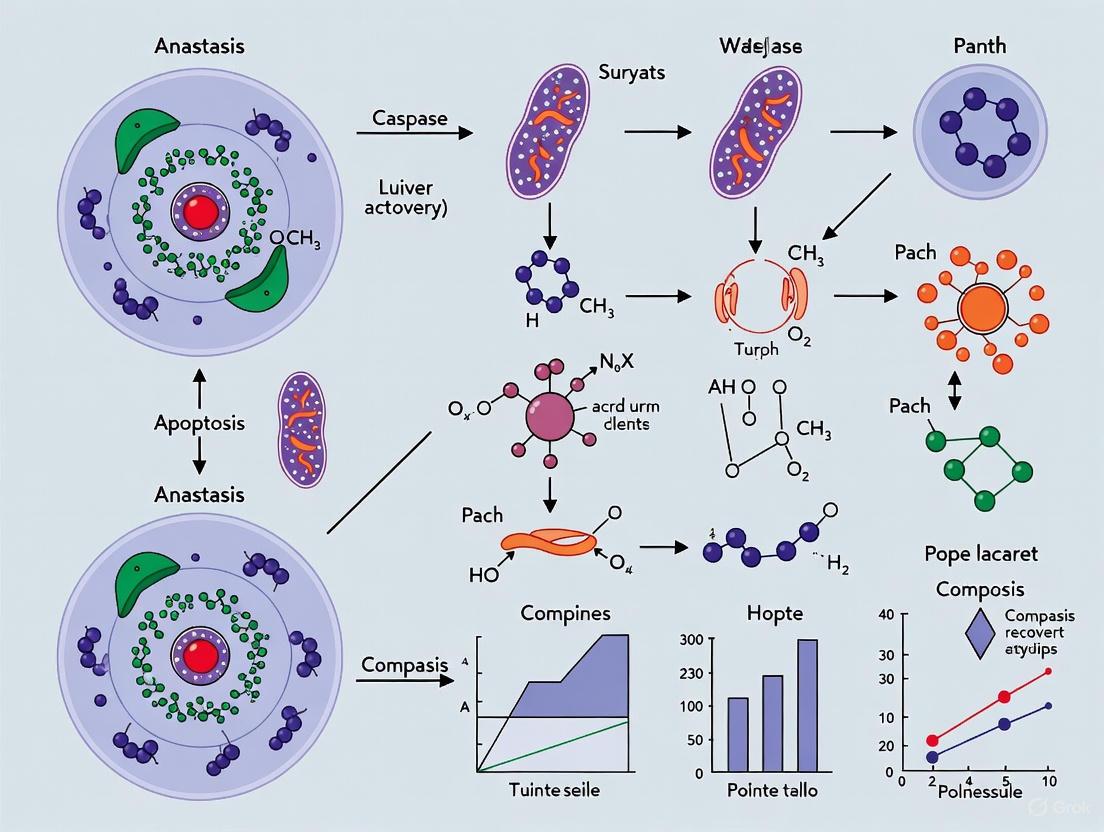
This article comprehensively examines anastasis, the process by which cells reverse apoptosis and survive after the activation of executioner caspases, a stage historically considered a point of no return in...
Anastasis: Unraveling the Mechanisms of Cell Survival After Executioner Caspase Activation and Its Impact on Cancer Therapy
Abstract
This article comprehensively examines anastasis, the process by which cells reverse apoptosis and survive after the activation of executioner caspases, a stage historically considered a point of no return in programmed cell death. Tailored for researchers, scientists, and drug development professionals, we explore the foundational molecular mechanisms driving anastasis, including mitochondrial recovery, caspase cascade arrest, and DNA damage repair. The scope extends to methodological approaches for studying anastasis, its troubling role in fostering cancer metastasis and chemoresistance, and the subsequent therapeutic challenges it presents. Finally, we evaluate emerging strategies, such as nanomedicine and HSP90 inhibition, designed to overcome anastasis-mediated treatment resistance, providing a holistic view of its implications for biomedical research and clinical oncology.
Redefining the Point of No Return: The Cellular and Molecular Basis of Anastasis
For decades, the activation of executioner caspases (caspase-3, -6, and -7) was considered the irreversible point of no return in the apoptotic pathway. This dogma is now being fundamentally challenged by the discovery of anastasis (Greek for "rising to life"), a cellular recovery process where cells survive executioner caspase activation following the removal of an apoptotic stimulus. This whitepaper synthesizes current research on anastasis, detailing its molecular mechanisms, experimental evidence, and profound implications for cancer biology, therapeutic resistance, and drug development. We provide a technical guide for researchers, featuring quantitative analyses, standardized experimental protocols, and visualization of the key pathways governing this remarkable reversal of cell fate.
The classic definition of apoptosis characterizes it as an irreversible cell death program. Activation of executioner caspases, the proteases that dismantle the cell by cleaving hundreds of cellular substrates, was long thought to seal the cell's fate [1] [2]. However, a growing body of evidence demonstrates that this process can be halted and reversed.
Anastasis is an active, programmed recovery pathway that allows cells to survive even after the mitochondrial apoptotic pathway has been engaged and executioner caspases have been activated [3] [4]. Cells undergoing anastasis can reverse hallmark apoptotic morphology, repair cleaved substrates, and resume normal functions, including proliferation. While this process may serve a protective role in healthy tissues following transient injury, it poses a significant clinical challenge by potentially allowing cancer cells to survive chemotherapy and acquire pro-malignant traits [2] [4].
Molecular Mechanisms of Anastasis
The recovery process involves a coordinated effort to halt the caspase cascade and repair the damage it has inflicted.
Survival from Mitochondrial Outer Membrane Permeabilization (MOMP)
MOMP, which leads to cytochrome c release and is often considered a commitment point to death, is not necessarily fatal. Evidence shows that during anastasis, a subset of mitochondria can retain outer membrane integrity or undergo repair mechanisms [4]. Key facilitators of this recovery include:
- Upregulation of Anti-apoptotic Bcl-2 Family Proteins: Proteins like Bcl-xL can inhibit MOMP. Intriguingly, a newly identified molecular switch involves the mitochondrial protein VDAC1, which, under stress, can unfold and bind to Bcl-xL, deactivating this apoptosis inhibitor and promoting cell death. However, the balance of this interaction may also be crucial for recovery [5].
- Heat Shock Proteins (HSPs): Proteins such as HSP70 and HSP90 are upregulated during recovery and help prevent cytochrome c release from mitochondria and may assist in refolding damaged proteins [4].
- Glyceraldehyde-3-Phosphate Dehydrogenase (GAPDH): In the absence of active caspases, GAPDH has been shown to promote recovery of the mitochondrial outer membrane and support cell proliferation post-MOMP [4].
Caspase Cascade Arrest and Substrate Repair
The rapid, "all-or-none" activation of executioner caspases does not preclude recovery. Cells must eliminate or inactivate already-active caspases in the cytosol to survive [4]. The mechanisms are still being elucidated but are thought to involve endogenous inhibitor of apoptosis (IAP) proteins and potentially the degradation of active caspases. Furthermore, the cell must repair or replenish the proteins cleaved by caspases, though the specific pathways for this repair are a critical area of ongoing investigation.
Transcriptional Reprogramming in Anastasis
Anastasis is not a passive cessation of death but an active transcriptional program. RNA sequencing of recovering HeLa cells has revealed that anastasis occurs in two distinct stages [3]:
Table 1: Transcriptional Stages of Anastasis
| Stage | Time Post-Stimulus Removal | Key Characteristics | Enriched Pathways |
|---|---|---|---|
| Early Anastasis | 1 - 4 hours | Transition from growth-arrested to proliferative state; induction of transcription factors. | TGFβ, MAPK, and Wnt signaling; cell cycle regulation; chromatin modification. |
| Late Anastasis | 8 - 12 hours | Transition from proliferative to migratory state; pause in proliferation. | Ribosome biogenesis; focal adhesion; regulation of actin cytoskeleton. |
Key early-recovery genes, such as the transcription factor Snail, are often elevated during the apoptotic stimulus, suggesting that dying cells are molecularly "poised" to recover [3]. This reprogramming can lead to long-term phenotypic changes, including enhanced migratory capacity and the secretion of pro-angiogenic factors, which have implications for cancer metastasis [3].
Experimental Evidence and Quantitative Analysis
The phenomenon of anastasis has been validated using diverse apoptotic inducers and cell types.
Model Systems and Inducers
- Common Inducers: Ethanol, staurosporine (a protein kinase inhibitor), and doxorubicin (a chemotherapeutic agent) have been successfully used to trigger transient apoptosis from which cells can recover [3] [6].
- Cell Lines: Anastasis has been observed in HeLa cervical cancer cells, H4 human glioma cells, MCF-7 breast cancer cells (which are caspase-3 deficient), cardiac myocytes, and neurons [3] [2] [7].
Quantitative Monitoring of Cell Death and Recovery
Distinguishing between reduced cell proliferation and increased cell death is critical for accurately quantifying anastasis. Research shows that relying solely on cell viability or caspase activation assays can be misleading, as identical viability outcomes can mask very different underlying effects on cell growth and death rates [6].
Table 2: Quantitative Methods for Analyzing Cell Death and Recovery
| Method | Measured Parameter | Utility in Anastasis Research | Key Findings |
|---|---|---|---|
| Quantitative Phase Imaging (QPI) | Cell density, morphology, and dynamic changes in cell mass distribution [8]. | Label-free, time-lapse monitoring of apoptotic morphology reversal. | Can classify caspase-dependent and independent death; identifies "Dance of Death" dynamics in apoptosis versus swelling in lytic death [8]. |
| Live-Cell Fluorescence Reporting | Caspase-3/7 activity (e.g., CellEvent Caspase-3/7 reagent); membrane integrity (e.g., Propidium Iodide) [3] [8]. | Direct, real-time visualization of executioner caspase activation and subsequent recovery. | Confirms that cells activating caspase-3 can later recover, re-attach, and spread [3]. |
| Growth-Death Rate Modeling | Inferring compound-induced changes in cell division and death rates from kinetic data [6]. | Dissects whether a treatment primarily inhibits growth, induces death, or both. | Reveals that drugs with identical viability impacts can have divergent mechanisms—e.g., doxorubicin mainly inhibits growth, while vinorelbine strongly induces death [6]. |
The Scientist's Toolkit: Essential Reagents and Protocols
This section provides a curated list of essential tools for designing anastasis experiments.
Table 3: Research Reagent Solutions for Anastasis Studies
| Reagent / Tool | Function | Example Application |
|---|---|---|
| Staurosporine | Protein kinase inhibitor; potent inducer of the intrinsic apoptotic pathway. | A classic apoptosis inducer used at sublethal or transiently applied lethal doses to trigger anastasis [3] [6]. |
| CellEvent Caspase-3/7 Green Reagent | Fluorogenic substrate that becomes brightly fluorescent upon cleavage by activated caspase-3/7. | Live-cell imaging to confirm executioner caspase activation has occurred in cells that are fated to recover [3] [8]. |
| z-VAD-FMK | Broad-spectrum, cell-permeable caspase inhibitor. | Serves as a control to confirm that observed cell death is caspase-dependent [3] [8]. |
| Annexin V Conjugates | Binds to phosphatidylserine (PS) exposed on the outer leaflet of the plasma membrane during apoptosis. | Used in conjunction with membrane-impermeant DNA dyes (e.g., YOYO-3, Propidium Iodide) to stage cell death and recovery [6]. |
| SMAC Mimetics / XIAP Inhibitors | Small molecules that antagonize IAP proteins, promoting caspase activation. | Used to study the role of XIAP in restraining caspases; can be combined with caspase-3/7 deficient models (e.g., MCF-7) to study specific targeting of XIAP:CASP7 complexes [7]. |
Standardized Experimental Protocol for Inducing and Quantifying Anastasis
Objective: To trigger apoptosis in a population of cells and allow a subset to recover via anastasis, quantifying the recovery dynamics.
- Cell Preparation: Plate cells in a suitable vessel (e.g., μ-Slide for live imaging) and allow to adhere overnight.
- Apoptosis Induction: Treat cells with a lethal dose of an apoptosis inducer (e.g., 3-hour treatment with 5% Ethanol for HeLa cells [3] or 0.5 µM Staurosporine). Include a control with a caspase inhibitor (e.g., 10 µM z-VAD-FMK) to confirm apoptosis-specific death.
- Stimulus Removal & Recovery: After the induction period, gently wash the cells 2-3 times with pre-warmed culture medium to completely remove the apoptotic trigger. Add fresh medium and return the cells to the incubator. This marks time T=0 for the recovery phase.
- Live-Cell Imaging and Data Acquisition:
- Use a live-cell imaging system maintaining 37°C, 5% CO₂, and humidity.
- For label-free analysis, employ Quantitative Phase Imaging (QPI) to monitor changes in cell mass, morphology, and attachment every 10-15 minutes for 12-24 hours [8].
- For fluorescent reporting, include a caspase-3/7 sensor (e.g., CellEvent reagent) and a viability dye (e.g., Propidium Iodide). Image at regular intervals (e.g., every 30-60 minutes).
- Endpoint Analysis: At 12-24 hours post-recovery, cells can be fixed for immunostaining (e.g., for cleaved caspase-3) or harvested for RNA/protein analysis to assess the transcriptional signature of anastasis [3].
- Data Analysis:
- Recovery Quantification: Calculate the percentage of cells that showed caspase-3/7 activation but subsequently excluded viability dye, re-adhered, and resumed normal morphology.
- Growth-Death Modeling: Apply models as described in [6] to kinetic data to infer the effects on cell division and death rates during recovery.
Signaling Pathway Visualization
The following diagrams, generated using Graphviz DOT language, illustrate the core signaling pathways of apoptosis and the emerging pathways of anastasis.
Diagram 1: Apoptosis and Anastasis Signaling Pathways. The traditional irreversible apoptotic pathway (red-to-orange) is interrupted by stimulus removal, triggering the active recovery processes of anastasis (green).
Diagram 2: Experimental Workflow for Anastasis Research. The protocol involves inducing apoptosis, removing the stimulus, and then using a multi-modal approach to monitor and validate cellular recovery.
Implications for Cancer Therapy and Drug Development
The existence of anastasis has profound consequences for understanding treatment failure and disease recurrence.
- Chemotherapy Resistance: Anastasis provides a mechanism for cancer cells to survive first-line chemotherapeutics designed to induce apoptosis. This survival can lead to the emergence of resistant clones and tumor recurrence [2] [4].
- Cancer Stem Cell Formation and Metastasis: Surviving cells can undergo molecular and phenotypic alterations. The recovery process itself, particularly the late-stage transcriptional reprogramming, can enhance migratory behavior and potentially contribute to the generation of cancer stem cells, driving metastasis [3] [2].
- Novel Therapeutic Targets: Understanding anastasis opens new avenues for cancer therapy. Strategies could include:
- Inhibiting Recovery Pathways: Developing drugs that specifically target molecules critical for anastasis, such as the transcriptional regulators induced during early recovery (e.g., Snail) [3].
- Forcing Irreversible Death: Using agents that promote lytic cell death (e.g., necroptosis inducers) or inhibit key anastasis proteins in combination with traditional chemotherapeutics to prevent recovery [8] [6].
- Targeting Caspase-3 Deficient Cancers: In cancers like MCF-7 that downregulate caspase-3 and rely on caspase-7, targeting the XIAP:CASP7 complex with specific inhibitors (e.g., compound 643943) presents a selective therapeutic strategy [7].
The paradigm of apoptosis as an inexorable, one-way pathway has been definitively overturned. Anastasis represents a fundamental biological process with wide-ranging implications. For researchers and drug developers, acknowledging this complexity is essential. The future of effective cancer therapy may lie not only in killing cells more efficiently but also in strategically blocking their escape routes from death, ensuring that the decision to die, once made, is final.
Anastasis, a term derived from the Greek for "rising to life," describes the fundamental cellular process wherein cells recover and survive after initiating apoptosis, even beyond hallmarks traditionally considered to be the "point of no return," including mitochondrial outer membrane permeabilization (MOMP), cytochrome c release, and executioner caspase activation [9] [10]. Once considered an irrevocable commitment to cell suicide, the apoptosis pathway is now understood to be potentially reversible. This recovery is an active process, not merely a cessation of death signals, and involves complex molecular mechanisms to arrest the caspase cascade, repair damaged DNA, and restore mitochondrial integrity [4] [10]. This whitepaper details the key hallmarks, molecular mechanisms, and experimental methodologies for studying anastasis, with particular significance for cancer recurrence and therapeutic resistance [11] [12].
The canonical apoptosis pathway is a rapid, destructive process essential for development and homeostasis. The commitment to death was historically placed at specific biochemical milestones: MOMP, the release of mitochondrial cytochrome c into the cytosol, and the consequent activation of executioner caspases (e.g., caspase-3) [9]. These events trigger a cascade of cellular demolition, including widespread proteolysis, DNA damage, and morphological changes like cell shrinkage and membrane blebbing [9] [13]. The discovery of anastasis challenges this dogma, demonstrating that the removal of an apoptotic stimulus, even after these late-stage events, can allow cells to recover, regain normal morphology, and proliferate [9] [10]. This phenomenon has been observed in vitro in various cell types, including cancer cell lines and primary cells, and in vivo in Drosophila, mammalian cardiac myocytes, and neurons [9] [10]. The implications are profound, suggesting that anastasis may serve as a fundamental cellular survival mechanism that, when dysregulated, could contribute to pathology, particularly in oncology by enabling cancer cells to survive cytotoxic therapy [11] [12].
Core Hallmarks and Molecular Mechanisms of Anastasis
The recovery process of anastasis involves coordinated efforts to halt the apoptotic cascade and repair the extensive cellular damage incurred. The key hallmarks and their underlying mechanisms are detailed below.
Recovery after Mitochondrial Outer Membrane Permeabilization (MOMP) and CytochromecRelease
MOMP, leading to cytochrome c release, was once considered a definitive "point of no return" due to the ensuing irreversible caspase activation and bioenergetic crisis [9]. Anastasis demonstrates this is not absolute.
- Incomplete MOMP: Contrary to the "all-or-nothing" paradigm, a phenomenon termed incomplete MOMP (iMOMP) can occur, where only a subset of mitochondria in a cell undergo permeabilization [9] [4]. This leaves a pool of functional mitochondria capable of producing the ATP necessary to fuel the recovery process [9].
- Mitochondrial Fusion and Mitophagy: Live-cell microscopy has shown that fragmented mitochondria can re-fuse and regain their normal tubular network during anastasis [9]. Furthermore, cells upregulate key proteins involved in mitophagy, such as ATG12 and SQSTM1/p62, to selectively remove the damaged mitochondria that have released cytochrome c [9] [11].
- Clearance of Cytosolic Cytochrome c: The rapid degradation of cytochrome c that has been released into the cytosol is critical. ATG12 has been implicated in this process, promoting the degradation of cytosolic cytochrome c in the absence of caspase activation [9].
- Protective Role of Heat Shock Proteins (HSPs): Molecular signatures of anastasis show upregulation of HSPs, including HSP27, HSP70, and HSP90 [9] [4]. These chaperones can inhibit the mitochondrial release of cytochrome c and aid in refolding damaged proteins, contributing to cellular restoration [9].
Table 1: Key Molecular Regulators of Post-MOMP Recovery
| Molecular Regulator | Function in Anastasis | Mechanistic Insight |
|---|---|---|
| ATG12 | Promotes degradation of cytosolic cytochrome c; regulates mitophagy [9]. | Clears apoptogenic factors from cytosol without caspase activation. |
| SQSTM1/p62 | Autophagic adaptor protein; facilitates mitophagy [9] [11]. | Targets damaged mitochondria for autophagic degradation. |
| HSP27 (HSPB1) | Inhibits cytochrome c release from mitochondria [9]. | Prevents further amplification of the apoptotic signal. |
| HSP70 (HSPA1A) | Inhibits cytochrome c release; acts as a molecular chaperone [9] [4]. | Assists in protein refolding and repair of damaged complexes. |
| GAPDH | Promotes mitochondrial recovery and cell proliferation [4]. | Supports survival in the absence of activated caspases; role in determining cell fate. |
Recovery after Executioner Caspase-3 Activation
The activation of executioner caspases like caspase-3 represents a core effector stage of apoptosis, leading to the cleavage of hundreds of cellular substrates. Survival after this event is a defining feature of anastasis [13] [10].
- Caspase Cascade Arrest: Anastatic cells must rapidly inhibit active caspases. This is achieved in part by the upregulation of XIAP (X-linked inhibitor of apoptosis protein), a potent direct inhibitor of caspases-3, -7, and -9 [11].
- Inhibition of Apoptotic DNases: Caspase-activated DNase (DFF40/CAD) is responsible for DNA fragmentation during apoptosis. Anastatic cells upregulate its inhibitor, DFF45/ICAD, to halt further genomic destruction [11].
- Transcriptional Reprogramming: Anastasis is an active process driven by a distinct transcriptional signature. Key transcription factors like AP-1 are activated and coordinate the expression of pro-survival and repair genes [11] [10]. The process occurs in stages: an early phase focused on stress response and re-entering the cell cycle, and a late phase involving cytoskeletal remodeling and increased migration [10].
Diagram 1: The Anastasis Recovery Pathway. This diagram illustrates the transition from the core apoptotic pathway (grey) to the active recovery processes of anastasis (green) following the removal of the death stimulus. Key recovery steps include the initiation of pro-survival signaling and the critical arrest of caspase activity and damage repair.
DNA Damage Repair and Genomic Instability
A hallmark of apoptosis is widespread DNA fragmentation, yet anastatic cells must repair this damage to survive.
- Repair of Apoptotic DNA Damage: During apoptosis, DNases like DFF40/CAD and Endonuclease G are activated. Anastatic cells upregulate DNA repair machinery, including PARP-1 and GADD45G, to correct the inflicted DNA damage [11].
- Consequence: Mutagenesis: The DNA repair process is error-prone, leading to an increased rate of mutations and genomic instability in anastatic cells [11]. This is a critical pathological consequence, as it can drive the evolution of drug resistance in cancer cells that survive chemotherapy and potentially contribute to carcinogenesis in non-cancerous cells [11].
Table 2: Hallmarks of Anastasis and Associated Molecular Mechanisms
| Hallmark of Anastasis | Key Molecular Mechanisms | Pathological Consequences |
|---|---|---|
| Recovery after MOMP & Cytochrome c Release | Incomplete MOMP; Mitophagy (ATG12, SQSTM1); HSP upregulation; Mitochondrial fusion [9] [4]. | Enables survival after a core apoptotic event. |
| Recovery after Executioner Caspase Activation | Caspase inhibition (XIAP); Transcriptional reprogramming (AP-1); DFF45/ICAD upregulation [13] [11] [10]. | Challenges the dogma of caspase activation as a "point of no return". |
| DNA Damage Repair & Genomic Instability | DNA repair (PARP-1, GADD45G); Error-prone repair [11]. | Increased mutagenesis; Cancer drug resistance; Second cancers [11]. |
| Increased Motility & Invasiveness | Upregulation of MMPs (MMP9, MMP10); Angiogenic factors (VEGFA); Cell adhesion proteins (CDH12) [11]. | Cancer metastasis; Tumour recurrence [11] [12]. |
Experimental Protocols for Studying Anastasis
Research into anastasis requires methodologies that can capture the dynamic process of cell death and recovery, often at the single-cell level.
Time-Lapse Live-Cell Microscopy with Caspase Activity Reporters
This is a foundational technique for directly observing anastasis.
- Objective: To visualize and track individual cells as they undergo apoptosis and subsequently recover after the removal of a death stimulus.
- Protocol Details:
- Cell Line Selection: Use cells amenable to imaging (e.g., HeLa, MCF-7, primary hepatocytes).
- Caspase Sensor: Transfert cells with a fluorescent reporter for caspase activity. A common tool is a genetically encoded FRET-based sensor where caspase cleavage disrupts FRET, or a construct that drives permanent expression of a fluorescent protein (e.g., GFP) upon caspase-mediated removal of a degron [10].
- Induction and Washout: Treat cells with an apoptotic inducer (e.g., 5-10% ethanol, 1-2 µM staurosporine, cancer drugs like paclitaxel or cisplatin). Monitor cells in real-time for hallmarks of apoptosis: caspase sensor activation, cell shrinkage, membrane blebbing, and nuclear condensation.
- Anastasis Induction: After a defined period (e.g., 2-6 hours), or once a significant proportion of cells show apoptotic morphology, remove the apoptotic stimulus by washing and replacing with fresh growth medium.
- Image Analysis: Continue time-lapse imaging to track recovering cells. Metrics include the time to caspase sensor activation, duration of caspase activity, time to morphological recovery, and subsequent cell division [9] [10].
Transcriptomic and Proteomic Analysis of Anastatic Cells
To understand the active nature of anastasis, global molecular profiling is essential.
- Objective: To identify the gene expression and protein signature associated with recovery from apoptosis.
- Protocol Details:
- Cell Sorting: Use a caspase-activity-dependent fluorescent reporter (as above) in combination with Fluorescence-Activated Cell Sorting (FACS). This allows for the isolation of pure populations of cells that have experienced caspase activation but are recovering (anastatic) versus those that never activated caspases (healthy control) or died.
- Time-Course Sampling: Collect anastatic cells at different time points during recovery (e.g., early: 3-12 hours; late: 24-72 hours post-washout).
- Downstream Analysis: Perform RNA sequencing (RNA-seq) or microarray analysis on sorted populations to identify differentially expressed genes [11] [10]. Similarly, proteomic approaches (e.g., mass spectrometry) can identify key protein changes and post-translational modifications.
- Functional Validation: Key upregulated pathways (e.g., HSPs, autophagy, DNA repair) identified from the 'omics' data can be validated and functionally tested using RNAi or pharmacological inhibitors to assess their necessity for successful anastasis [11].
The Scientist's Toolkit: Essential Reagents for Anastasis Research
Table 3: Key Research Reagents and Experimental Tools
| Reagent / Tool | Function / Application | Example Use in Anastasis Research |
|---|---|---|
| Apoptosis Inducers | To initiate the intrinsic apoptosis pathway. | Ethanol, Staurosporine, BH3-mimetics (e.g., ABT-737), chemotherapeutic agents (e.g., Doxorubicin, Paclitaxel) [9] [11] [10]. |
| Caspase Activity Reporters | To detect and track executioner caspase activation in live cells. | FRET-based caspase sensors (e.g., SCAT1); Caspase-tracker plasmids (e.g., CasExpress) that confer permanent fluorescence after caspase activity [10]. |
| Anastasis Inhibitors | To probe the molecular mechanisms and block recovery. | Pharmacological inhibitors of key anastasis pathways: HSP90 inhibitors (e.g., 17-AAG), autophagy inhibitors (e.g., Chloroquine), XIAP antagonists [11] [4]. |
| Flow Cytometry & FACS | To quantify and isolate cells based on apoptotic markers. | Annexin V/PI staining to detect PS externalization and membrane integrity; Sorting of cells based on caspase-sensor fluorescence for transcriptomic analysis [12] [10]. |
| Time-Lapse Microscopy | To visually document the morphological process of recovery. | Essential for observing cell shrinkage, blebbing, recovery of normal morphology, and subsequent cell division in real-time [9] [11]. |
The study of anastasis has fundamentally altered our understanding of cell death as an irreversible process. The hallmarks of recovery after MOMP, cytochrome c release, and caspase-3 activation demonstrate a remarkable cellular resilience. This recovery is orchestrated by a complex but coordinated molecular response involving the arrest of the caspase cascade, the clearance of damaged components via autophagy, and the repair of fragmented DNA. From a pathological perspective, anastasis presents a double-edged sword: while it may promote survival in healthy tissues following transient stress, it poses a significant clinical challenge in oncology. The ability of cancer cells to undergo anastasis following chemotherapy or radiation provides a novel mechanism for therapeutic failure, cancer recurrence, and metastasis driven by the genomic instability and enhanced migratory phenotype acquired by anastatic cells [11] [12]. Future research focused on elucidating the precise molecular switches that control anastasis will be crucial for developing novel therapeutic strategies that can block this survival pathway and improve the efficacy of cancer treatments.
This technical review examines the intricate molecular crosstalk between mitophagy, heat shock proteins (HSPs), and DNA repair pathways in the context of cellular recovery from stress-induced damage, with particular emphasis on the phenomenon of anastasis—the recovery of cells after executioner caspase activation. We synthesize current research demonstrating how these pathways coordinate to determine cell fate, providing a framework for understanding their implications in cancer therapy resistance and regenerative medicine. The analysis reveals a sophisticated network where mitochondrial quality control, protein chaperone systems, and genomic maintenance mechanisms interact dynamically, offering novel targets for therapeutic intervention in cancer and degenerative diseases.
Anastasis, derived from the Greek for "rising to life," describes the process by which cells reverse apoptosis and recover normal function even after initiating executioner caspase activation. This remarkable recovery process challenges the long-standing paradigm of apoptosis as an irreversible pathway. Anastasis represents a critical survival mechanism with profound implications for cancer treatment resistance, tissue regeneration, and cellular homeostasis. Within this framework, mitophagy, HSPs, and DNA repair pathways form an integrated network that enables cells to recover from severe stress by removing damaged mitochondria, refolding denatured proteins, and repairing compromised genomic integrity.
The molecular mechanisms of anastasis involve recovery through mitochondrial outer membrane permeabilization (MOMP), caspase cascade arrest, and DNA damage repair. Cells undergoing anastasis must manage the consequences of MOMP, including eliminating damaged mitochondria, removing proapoptotic factors from the cytosol, and inhibiting cytosolic cytochrome c. Understanding the coordination between mitophagy, HSPs, and DNA repair in this context provides crucial insights into cellular resilience and identifies potential therapeutic targets for modulating cell fate decisions.
Core Molecular Mechanisms
Mitophagy Pathways in Mitochondrial Quality Control
Mitophagy serves as a fundamental mitochondrial quality control mechanism by selectively targeting damaged or superfluous mitochondria for autophagic degradation. This process maintains mitochondrial homeostasis and prevents the accumulation of dysfunctional organelles that can propagate cellular stress.
PINK1-Parkin Mediated Mitophagy
The PINK1-Parkin pathway represents the most extensively characterized mitophagy mechanism. Under normal conditions, PTEN-induced putative kinase 1 (PINK1) is constitutively imported into healthy mitochondria and degraded. Upon mitochondrial damage, particularly membrane depolarization, PINK1 stabilizes on the outer mitochondrial membrane (OMM) where it undergoes autophosphorylation. This activated PINK1 phosphorylates ubiquitin at Ser65, recruiting and activating the E3 ubiquitin ligase Parkin. Activated Parkin then ubiquitinates numerous OMM proteins, including mitofusins, Miro1, and VDAC1, generating a signal for autophagic recognition. Autophagy adapters including P62/SQSTM1, NDP52, and optineurin recognize these ubiquitin chains and link damaged mitochondria to the LC3-positive autophagosomal membrane, facilitating encapsulation and lysosomal degradation [14].
Receptor-Mediated Mitophagy
Beyond the PINK1-Parkin axis, cells employ receptor-dependent mitophagy pathways mediated by OMM proteins including BNIP3, NIX/BNIP3L, and FUNDC1. These receptors possess LC3-interacting regions (LIRs) that directly bind to autophagy machinery components. Under hypoxic conditions, HIF-1α transcriptionally upregulates BNIP3 and NIX, while FUNDC1 activity is regulated by phosphorylation status. ULK1 kinase, a component of the autophagy initiation complex, translocates to mitochondria under hypoxia and phosphorylates FUNDC1, enhancing its interaction with LC3 and promoting mitophagy. These receptor-mediated pathways provide alternative mechanisms for mitochondrial clearance under diverse stress conditions [15].
Table 1: Major Mitophagy Pathways and Their Regulation
| Pathway | Key Sensors/Receptors | Activation Signals | Cellular Functions |
|---|---|---|---|
| PINK1-Parkin | PINK1, Parkin | Mitochondrial depolarization, oxidative stress | Quality control, damaged mitochondrial removal |
| BNIP3/NIX | BNIP3, NIX/BNIP3L | Hypoxia (HIF-1α), metabolic stress | Metabolic adaptation, erythrocyte maturation |
| FUNDC1 | FUNDC1 | Hypoxia, ULK1 phosphorylation | Hypoxic response, metabolic adaptation |
Heat Shock Proteins in Stress Response and Recovery
Heat shock proteins function as molecular chaperones that facilitate protein folding, prevent aggregation of denatured proteins, and participate in stress signaling pathways. During cellular recovery processes, specific HSPs play instrumental roles in stabilizing mitochondrial integrity and modulating apoptotic signaling.
HSP90 in Mitophagy Regulation
Research in Wenchang chicken cardiomyocytes demonstrates that HSP90 expression increases under heat stress and enhances PINK1/Parkin-mediated mitophagy. HSP90 overexpression promotes mitophagic flux, reduces apoptosis, and diminishes oxidative stress in heat-stressed cells. The application of Geldanamycin, an HSP90 inhibitor, reverses these protective effects. Mechanistically, HSP90 interacts with Beclin-1 through mitochondrial translocation and directly regulates mitophagy levels, establishing HSP90 as a critical modulator of mitochondrial quality control under thermal stress [16].
HSP70 in Apoptosis Regulation and Mitochondrial Protection
HSP70 exhibits multifaceted functions in cellular recovery, including direct inhibition of apoptosis and facilitation of mitophagy. HSP70 forms a protein-protein interaction with the pro-apoptotic protein Bim, creating a complex with Parkin and the mitochondrial import receptor TOMM20. This HSP70-Bim interaction facilitates Parkin translocation to mitochondria, promotes TOMM20 ubiquitination, and enhances mitophagic flux independently of Bax/Bak. Pharmacological inhibition of the HSP70-Bim interaction with the compound S1g-2 selectively suppresses stress-induced mitophagy without affecting basal autophagy, highlighting the specificity of this pathway [17]. During anastasis, upregulated HSP70 and HSP90 help maintain mitochondrial outer membrane integrity by preventing cytochrome c release and supporting protein refolding after stress [4].
DNA Damage Repair Interconnections with Mitophagy
The relationship between mitochondrial integrity and genomic maintenance represents a crucial axis in cellular recovery. DNA damage activates sophisticated repair mechanisms while simultaneously influencing mitochondrial function through bidirectional nuclear-mitochondrial crosstalk.
Mitophagy as a DNA Damage Response
Research demonstrates that mitophagy increases following various DNA-damaging stimuli, including ionizing radiation, ultraviolet light, and chemical agents, across multiple cell types including primary fibroblasts, neurons, and in vivo models. This DNA damage-induced mitophagy depends on the protein Spata18 (also known as Mieap), a p53 transcriptional target. Spata18 knockdown suppresses mitophagy, disrupts mitochondrial calcium homeostasis, impairs ATP production, and attenuates DNA repair efficiency. These findings position mitophagy as an upstream regulatory process that maintains mitochondrial function to support energy-intensive DNA repair processes [18].
Mitophagy Enhancement of DNA Damage
Paradoxically, under specific contexts, enhanced mitophagy can exacerbate DNA damage. In pancreatic cancer cells (PANC-1 and SW1990), ionizing radiation activates Parkin/BNIP3-mediated mitophagy, which correlates with increased DNA damage. siRNA-mediated knockdown of Parkin and BNIP3 attenuates both DNA damage and cell death following radiation. Similarly, pharmacological activation of mitophagy with carbonyl cyanide 3-chlorophenylhydrazone (CCCP) or valproic acid enhances radiation-induced DNA damage, suggesting context-dependent roles for mitophagy in genomic integrity [19] [20]. This dual nature underscores the complexity of mitophagy's relationship with DNA repair pathways.
Table 2: Experimental Models of Mitophagy-DNA Damage Interplay
| Experimental System | DNA Damage Inducer | Mitophagy Manipulation | Observed Effect on DNA Damage |
|---|---|---|---|
| Primary fibroblasts, murine neurons | Ionizing radiation, H₂O₂, mitomycin C | Spata18 knockdown | Decreased DNA damage repair efficiency |
| PANC-1, SW1990 pancreatic cancer cells | Ionizing radiation (X-ray) | Parkin/BNIP3 knockdown | Attenuated DNA damage |
| PANC-1, SW1990 pancreatic cancer cells | Ionizing radiation (X-ray) | CCCP, valproic acid (mitophagy activators) | Enhanced DNA damage |
| Melanoma cells | Mitochondrial complex I inhibition | Mitophagy induction | Increased ROS and DNA damage |
Experimental Approaches and Methodologies
Assessing Mitophagy in Cellular Models
Multiple complementary techniques enable researchers to monitor mitophagy induction and flux in experimental systems. The Mitophagy Detection Kit (Dojindo Molecular Technologies) provides a straightforward approach using a mitochondria-targeted fluorescent probe that exhibits pH-dependent fluorescence changes, allowing quantification of mitochondrial delivery to acidic lysosomes. For more detailed ultrastructural analysis, transmission electron microscopy reveals mitochondrial morphological changes, including swelling, cristae breakdown, and encapsulation within autophagosomes. Immunofluorescence co-localization studies monitoring mitochondrial proteins (e.g., TOMM20, COX IV) with lysosomal markers (LAMP1, LAMP2) or LC3 provide additional evidence of mitophagic activity. Western blot analysis of mitophagy regulators (PINK1, Parkin, BNIP3) and autophagy markers (LC3-II/LC3-I ratio, p62 degradation) offers biochemical validation of pathway activation [18] [20].
Functional mitochondrial parameters including membrane potential (using TMRM or JC-1 dyes), reactive oxygen species production (MitoSOX Red), and mitochondrial calcium levels (Rhod-2 AM) provide important contextual information about mitochondrial state during mitophagy induction. flow cytometric analysis enables quantitative assessment of these parameters across cell populations [18].
Evaluating DNA Damage and Repair
Detection of DNA damage and repair activation relies on well-established markers and methodologies. Immunofluorescence staining for γ-H2AX (phosphorylated histone H2AX) foci represents the gold standard for identifying DNA double-strand breaks, with foci quantification providing a sensitive measure of damage extent. Additional DNA damage response markers including 53BP1 and phosphorylated ATM/ATR substrates offer complementary information about pathway activation. Western blot analysis of DNA repair proteins (BRCA1, PARP1) and cell cycle regulators (p53, p21) provides biochemical evidence of DNA damage response activation. Functional DNA repair capacity can be assessed through comet assays, which directly measure DNA strand breaks, or through colony formation assays that evaluate long-term survival after genotoxic stress [18] [20].
Cell cycle analysis via flow cytometry remains essential for understanding DNA damage-induced cell cycle checkpoints, particularly G2/M arrest, which provides time for repair before mitosis. Detection of Ki67 and c-Myc expression offers additional insights into proliferation status following DNA damage [20].
Signaling Pathway Integration in Anastasis
The recovery process during anastasis requires precise coordination between multiple signaling pathways to reverse apoptosis commitment and restore cellular homeostasis. The following diagram illustrates the integrated signaling network facilitating cellular recovery through mitophagy, HSPs, and DNA repair pathways:
This integrated pathway demonstrates how anastasis represents a coordinated response across multiple cellular compartments. The process initiates with survival signaling following apoptotic stimulus removal, leading to simultaneous activation of mitophagy to clear damaged mitochondria, HSP upregulation to refold stressed proteins and facilitate recovery complexes, and DNA repair pathway activation to address genomic damage. Successful outcomes require balanced activity across all three systems, while insufficiency in any component may lead to alternative fates such as senescence or secondary cell death.
Mitochondrial Integrity Restoration
Central to anastasis is the recovery of mitochondrial network integrity after MOMP. While MOMP was historically considered a point-of-no-return in apoptosis, evidence now demonstrates that cells can survive this event through limited MOMP, where only a subset of mitochondria undergo permeabilization. The intact mitochondria maintain energy production, while damaged organelles are cleared via mitophagy. During later anastasis stages, mitochondrial fragments undergo fusion to restore network morphology. Key to this recovery is the elimination of cytosolic cytochrome c, achieved through autophagy proteins like ATG12 and SQSTM1, and supported by HSP70 and HSP90 that prevent further cytochrome c release and facilitate protein refolding [4].
Caspase Cascade Arrest and Clearance
Anastasis proceeds even after executioner caspase activation, requiring rapid caspase inhibition and elimination. The mechanism of caspase cascade arrest remains incompletely understood but may involve endogenous caspase inhibitors, proteasomal degradation, or spatial sequestration of activated caspases. Cells must eliminate active caspases from the cytosol to prevent continued apoptotic signaling. The proteasome and lysosomal systems likely contribute to caspase clearance, supported by HSP-facilitated refolding of partially denatured proteins that might otherwise trigger renewed apoptosis [4].
DNA Damage Response Coordination
Genomic integrity maintenance during anastasis requires efficient DNA damage detection and repair. The energy-intensive nature of DNA repair processes depends on functional mitochondria, creating interdependence between mitochondrial recovery and genomic maintenance. Spata18 emerges as a key coordinator, transcriptionally regulated by p53 to promote mitophagy that sustains mitochondrial ATP production for DNA repair machinery. However, excessive mitophagy may also contribute to DNA damage under certain contexts, indicating the necessity for balanced pathway activity [18] [19].
The Scientist's Toolkit: Essential Research Reagents
Table 3: Key Research Reagents for Investigating Recovery Pathways
| Reagent/Category | Specific Examples | Primary Research Application | Key Findings Enabled |
|---|---|---|---|
| Mitophagy Detectors | Mitophagy Detection Kit (Dojindo MT02-10), MitoTimer, mt-Keima | Quantifying mitophagic flux and mitochondrial acidification | Demonstrated mitophagy induction after DNA damage and heat stress |
| HSP Modulators | Geldanamycin (HSP90 inhibitor), S1g-2 (HSP70-Bim disruptor), recombinant HSPs | Probing HSP functions in recovery pathways | Identified HSP90 enhancement of PINK1/Parkin mitophagy; HSP70-Bim role in Parkin translocation |
| DNA Damage Markers | γ-H2AX antibodies, 53BP1 antibodies, PARP1 detection reagents | Assessing DNA damage extent and repair progression | Revealed mitophagy enhancement of radiation-induced DNA damage |
| Mitophagy Inducers/Inhibitors | CCCP, valproic acid, Parkin/BNIP3 siRNA, Spata18 knockdown | Experimental manipulation of mitophagy pathways | Established causal relationships between mitophagy and DNA damage outcomes |
| Mitochondrial Function Assays | TMRM (membrane potential), MitoSOX (ROS), Rhod-2 AM (Ca²⁺) | Assessing mitochondrial functional parameters | Linked mitochondrial dysfunction to impaired DNA repair |
| Apoptosis/Caspase Reagents caspase-3 activity assays, Annexin V, Bcl-2 family modulators | Monitoring apoptotic progression and recovery | Characterized anastasis after caspase activation |
Therapeutic Implications and Future Directions
The interplay between mitophagy, HSPs, and DNA repair pathways presents compelling therapeutic opportunities, particularly in oncology where treatment resistance remains a significant challenge. The discovery that cancer cells can undergo anastasis after chemotherapeutic or radiological interventions suggests that targeting recovery pathways could enhance treatment efficacy. Several strategic approaches emerge from current research:
Combination Therapies Targeting Multiple Recovery Pathways
Simultaneous inhibition of complementary recovery pathways may prevent cancer cell rescue following treatment. For example, combining DNA-damaging agents with HSP90 inhibitors (e.g., Geldanamycin) or HSP70-Bim disruptors (e.g., S1g-2) could simultaneously increase initial damage while blocking recovery mechanisms. Preclinical evidence supports this approach, demonstrating that HSP90 inhibition reverses cytoprotective mitophagy in heat-stressed cardiomyocytes and cancer models [16] [17].
Context-Dependent Modulation of Mitophagy
The dual role of mitophagy in both promoting and preventing DNA damage suggests context-dependent therapeutic applications. Mitophagy enhancers may protect healthy tissues during cancer treatment by maintaining mitochondrial quality, while mitophagy inhibitors could sensitize cancer cells to DNA-damaging agents. The key lies in identifying predictive biomarkers that determine whether specific tumors will benefit from mitophagy inhibition or enhancement. Proteins such as Parkin, BNIP3, and Spata18 represent potential biomarkers for such stratification [18] [19] [20].
Anastasis Inhibition in Cancer Therapy
Directly targeting anastasis mechanisms represents a promising frontier in oncology. Strategies might include stabilizing caspase activation, preventing mitochondrial recovery after MOMP, or inhibiting the HSP-facilitated protein refolding that enables cellular recovery. The discovery that GAPDH promotes recovery after MOMP in the absence of activated caspases identifies this enzyme as a potential anastasis-specific target [4].
Future research directions should prioritize elucidating the spatiotemporal dynamics of recovery pathway interactions, developing more specific pharmacological modulators, and establishing biomarkers that predict patient-specific responses to recovery pathway interventions. Advanced methodologies including single-cell sequencing and spatial transcriptomics will be essential for understanding how sub-lethal stress and partial recovery contribute to tumor heterogeneity and evolution [19].
The molecular mechanisms of cellular recovery—centered on mitophagy, heat shock proteins, and DNA repair pathways—represent an integrated network that determines cell fate after stress. Within the context of anastasis, these pathways enable remarkable recovery even after initiation of executioner caspase activation, challenging conventional understanding of cell death commitment. The coordinated actions of mitochondrial quality control, protein chaperone systems, and genomic maintenance mechanisms illustrate the sophisticated resilience of biological systems.
For researchers and drug development professionals, understanding these recovery pathways provides both challenges and opportunities. The dual roles of these mechanisms in protective and pathological contexts necessitate precise therapeutic modulation. As research advances, targeting cellular recovery pathways offers promising strategies for overcoming treatment resistance in cancer while potentially harnessing regenerative capacity for degenerative conditions. The continuing elucidation of these mechanisms will undoubtedly yield novel approaches for manipulating the critical balance between cell survival and death.
The Role of Incomplete MOMP and Mitochondrial Fusion in Restoring Cellular Homeostasis
The traditional dogma of apoptosis as an irreversible process has been fundamentally challenged by the discovery of anastasis, a phenomenon where cells recover after initiating programmed cell death. Central to this recovery process are two critical mitochondrial mechanisms: incomplete mitochondrial outer membrane permeabilization (iMOMP) and mitochondrial fusion. iMOMP enables survival by preserving a subset of functional mitochondria, while mitochondrial fusion facilitates the repair of damaged mitochondrial networks. This whitepaper synthesizes current research demonstrating how these coordinated processes maintain mitochondrial homeostasis, allowing cells to reverse apoptotic commitment even after passing classical "points of no return." Understanding these mechanisms provides crucial insights for therapeutic interventions in cancer, neurodegenerative diseases, and conditions where regulated cell death is dysregulated.
Anastasis (from Greek: "rising to life") describes the process by which cells halt and reverse the execution phase of apoptosis, even after activation of executioner caspases and other late-stage apoptotic events [9] [21]. This phenomenon fundamentally challenges the long-standing paradigm that mitochondrial outer membrane permeabilization (MOMP) and caspase activation represent an irreversible commitment to cell death [9] [22]. Originally observed in ethanol-treated HeLa cells that recovered after death stimulus removal, anastasis has since been demonstrated across multiple cell types and in vivo models, including Drosophila melanogaster [21].
The mitochondrial pathway of apoptosis is initiated by diverse cellular stresses including DNA damage, oxidative stress, and growth factor deprivation. These signals converge at mitochondria, triggering MOMP through the activation of BCL-2 effector proteins BAX and BAK [23] [24]. MOMP permits the release of mitochondrial intermembrane space (IMS) proteins—most critically cytochrome c—into the cytosol, where they initiate caspase activation cascades that execute the apoptotic program [23] [22].
Within this framework, iMOMP and mitochondrial fusion have emerged as critical mechanisms enabling cellular recovery. iMOMP describes a heterogeneous MOMP response where a subset of mitochondria resist permeabilization, maintaining membrane potential and function [25] [24]. Meanwhile, mitochondrial fusion allows the recombination of damaged and healthy mitochondrial components, facilitating content mixing and functional complementation [9] [26]. Together, these processes provide a mechanistic basis for anastasis, allowing cells to restore homeostasis after severe stress.
Molecular Mechanisms of Mitochondrial Recovery
Incomplete MOMP: Preservation of Mitochondrial Subpopulations
Incomplete MOMP occurs when most mitochondria within a cell undergo permeabilization but a critical subset remains intact, retaining their IMS proteins and membrane potential [25]. This phenomenon has been observed across various cell types and in response to diverse apoptotic stimuli, including staurosporine, actinomycin D, and UV radiation [25]. The preserved mitochondrial subpopulation serves as essential seeds for cellular recovery, maintaining minimal energy production and providing a template for mitochondrial repopulation.
The mechanisms underlying iMOMP involve several key factors:
Heterogeneous BCL-2 family distribution: Mitochondria within individual cells display variable levels of anti-apoptotic BCL-2 proteins (BCL-2, BCL-xL, MCL-1), creating differential susceptibility to MOMP [25] [24]. Mitochondria with higher anti-apoptotic protein expression resist permeabilization, thereby surviving the apoptotic stimulus.
Mitochondrial fission and fragmentation: Apoptotic stimuli often induce mitochondrial fragmentation, producing isolated organelles with distinct protein compositions and priming states [24] [26]. This fragmentation creates subcellular heterogeneity, enabling selective MOMP within the mitochondrial population.
Subcellular localization differences: Mitochondria located in different cellular regions may experience varying microenvironments that influence their susceptibility to permeabilization [21].
Mitochondrial Fusion: Rebuilding Functional Networks
Following iMOMP, mitochondrial fusion plays a crucial role in rebuilding functional networks from the remaining intact mitochondria and damaged counterparts that have undergone MOMP. Time-lapse live cell microscopy has demonstrated that fragmented mitochondria can regain their normal tubular structure through fusion events during anastasis [9].
The fusion process provides multiple recovery benefits:
Content mixing and complementation: Fusion allows the exchange of proteins, lipids, and mitochondrial DNA between partially damaged and healthy organelles, diluting damaged components and restoring functionality [9] [26].
Metabolic and bioenergetic recovery: Fused mitochondrial networks demonstrate improved ATP production capacity and restored membrane potential, providing the energy necessary for recovery processes [9].
Quality control integration: Fusion works in concert with mitophagy to selectively remove severely damaged mitochondria while preserving functional components [9].
Molecular Mediators of Recovery
Several key molecular pathways facilitate the mitochondrial recovery process:
Autophagy and mitophagy: The autophagic machinery, particularly Atg12 and the autophagic adaptor Sqstm1, promotes the selective removal of damaged mitochondria following MOMP [9]. ATG12 also facilitates rapid degradation of cytosolic cytochrome c, preventing sustained caspase activation [9].
Heat shock proteins: HSP27, HSP40, HSP70, and HSP90 are upregulated during anastasis and contribute to recovery by inhibiting mitochondrial cytochrome c release and facilitating protein refolding [9].
Heme oxygenase-1 (HO-1): Encoded by Hmox1, this enzyme demonstrates protective effects during recovery, potentially through antioxidant mechanisms [9].
Table 1: Key Molecular Mediators of Mitochondrial Recovery in Anastasis
| Molecule | Function in Recovery | Mechanistic Basis |
|---|---|---|
| Atg12 | Mitochondrial homeostasis | Promotes degradation of cytosolic cytochrome c; facilitates mitophagy |
| Sqstm1/p62 | Autophagic adapter | Targets damaged mitochondria for selective autophagic removal |
| HSP27 | Chaperone protection | Suppresses mitochondrial cytochrome c release |
| HSP70 | Protein refolding | Facilitates recovery of misfolded proteins; inhibits apoptosome formation |
| HO-1 | Antioxidant defense | Protects against oxidative stress during recovery |
| GAPDH | Metabolic support | Promotes survival following MOMP; stimulates mitophagy |
Experimental Evidence and Methodologies
Key Experimental Findings
Multiple experimental approaches have demonstrated the reality and significance of iMOMP and mitochondrial fusion in cellular recovery:
Single-cell live microscopy: Real-time imaging of cells expressing fluorescent IMS proteins (e.g., Smac-GFP, cytochrome c-GFP, Omi-mCherry) has visually confirmed iMOMP, showing persistent punctate fluorescence patterns indicating intact mitochondria amid widespread MOMP [25]. Quantification reveals approximately 25% of cells display iMOMP regardless of apoptotic stimulus [25].
Cellular recovery models: Studies using caspase inhibitors combined with apoptotic stimuli have shown that cells maintaining a subset of intact mitochondria can recover mitochondrial network integrity and proliferative capacity [25] [24].
Cardiomyocyte studies: During heart failure, cardiomyocytes exhibit cytochrome c release and caspase-3 activation but maintain normal nuclear morphology—a phenomenon termed "apoptosis interruptus"—suggesting natural arrest of apoptosis potentially mediated by iMOMP [9] [21].
Cancer cell persistence: Sublethal MOMP contributes to the formation of drug-tolerant persister (DTP) cells in cancer, where iMOMP enables survival after chemotherapeutic treatment [24].
Table 2: Experimental Evidence for Mitochondrial Recovery Mechanisms
| Experimental System | Key Finding | Implications |
|---|---|---|
| HeLa cells + apoptotic stimuli | 25% of cells show iMOMP regardless of stimulus type [25] | iMOMP represents a fundamental survival mechanism across stress contexts |
| Cardiomyocytes in heart failure | Cytochrome c release with normal nuclear morphology [9] [21] | Natural occurrence of apoptotic reversal in pathophysiology |
| Neuronal cells + trophic withdrawal | Survival after MOMP when caspases inhibited [25] | Post-mitotic cells possess enhanced recovery capacity |
| Cancer DTP models | Sublethal MOMP enables therapy resistance [24] | iMOMP contributes to minimal residual disease and relapse |
| Drosophila development | Anastasis during normal development [21] | Evolutionary conservation of recovery mechanisms |
Essential Methodologies for Studying Mitochondrial Recovery
Live-Cell Imaging of iMOMP
Purpose: To visualize and quantify iMOMP in real-time at single-cell resolution.
Detailed Protocol:
- Cell preparation: Generate stable cell lines expressing fluorescent IMS proteins (Smac-GFP, cytochrome c-GFP, or Omi-mCherry) using lentiviral transduction and selection.
- Mitochondrial counter-staining: Co-express mitochondrial matrix-targeted fluorescent proteins (e.g., mito-dsRed) to confirm mitochondrial localization of persistent fluorescent puncta.
- Microscopy setup: Utilize confocal or super-resolution microscopy systems with environmental chambers (37°C, 5% CO₂) for time-lapse imaging.
- Stimulus application: Treat cells with apoptotic stimuli (e.g., 1μM staurosporine, 10μM actinomycin D) in the presence of pan-caspase inhibitors (e.g., 20μM Q-VD-OPh) to prevent completion of apoptosis.
- Image analysis: Quantify cells displaying persistent punctate fluorescence patterns after initial MOMP wave, indicating iMOMP.
Key considerations: Control for phototoxicity during extended time-lapse imaging; verify appropriate localization of fluorescent fusion proteins; use multiple IMS protein markers to confirm observations.
Mitochondrial Functional Recovery Assays
Purpose: To assess the recovery of mitochondrial function following sublethal apoptotic stress.
Detailed Protocol:
- Membrane potential measurement: Use TMRE or JC-1 staining to monitor mitochondrial membrane potential (ΔΨm) recovery after apoptotic stimulus washout.
- Metabolic capacity assessment: Measure oxygen consumption rates (OCR) using Seahorse extracellular flux analyzers at multiple timepoints during recovery.
- ATP production monitoring: Employ luminescent ATP detection assays to quantify restoration of mitochondrial energy production.
- Network dynamics analysis: Track mitochondrial fusion events using photoactivatable mitochondrial GFP (pa-mtGFP) to quantify fusion frequency during recovery.
Key considerations: Include temporal controls to distinguish immediate from delayed recovery; correlate functional metrics with morphological observations; use multiple complementary assays to verify functional recovery.
Molecular Pathway Analysis During Anastasis
Purpose: To identify gene expression and protein changes facilitating mitochondrial recovery.
Detailed Protocol:
- Time-course transcriptomics: Perform RNA sequencing or gene expression microarrays at multiple timepoints during recovery after death stimulus removal.
- Protein localization and modification: Use immunofluorescence and western blotting to track subcellular distribution and post-translational modifications of BCL-2 family proteins, autophagy markers, and mitochondrial dynamics regulators.
- Caspase activity monitoring: Employ fluorogenic caspase substrate cleavage assays to quantify caspase activation and subsequent inactivation during recovery.
- Functional validation: Use siRNA or CRISPR-based approaches to knock down candidate recovery genes (e.g., Atg12, Hsp70) and assess impact on recovery capacity.
Key considerations: Include appropriate temporal controls; use multiple validation approaches; correlate molecular changes with functional recovery metrics.
Research Reagents and Experimental Tools
Table 3: Essential Research Reagents for Studying Mitochondrial Recovery
| Reagent/Category | Specific Examples | Research Application | Key Considerations |
|---|---|---|---|
| Fluorescent IMS Reporters | Smac-GFP, cytochrome c-GFP, Omi-mCherry | Visualizing MOMP dynamics and iMOMP | Verify mitochondrial localization; confirm release kinetics |
| Caspase Inhibitors | Q-VD-OPh, z-VAD-fmk | Preventing apoptotic completion to study recovery | Use pan-caspase inhibitors for comprehensive inhibition |
| Mitochondrial Dyes TMRE, JC-1, MitoTracker | Assessing membrane potential and mass | Optimize loading concentrations; consider photosensitivity | |
| BCL-2 Family Modulators | ABT-737 (BCL-2/BCL-xL inhibitor), WEHI-539 (BCL-xL specific) | Probing mitochondrial priming and MOMP thresholds | Titrate carefully for sublethal effects |
| Apoptotic Inducers | Staurosporine, Actinomycin D, UV irradiation | Standardized induction of mitochondrial apoptosis | Calibrate doses for sublethal vs lethal effects |
| Autophagy/Mitophagy Tools | LC3 antibodies, mito-QC reporter, Atg12 siRNAs | Assessing mitochondrial quality control during recovery | Use multiple approaches to verify autophagic flux |
Pathological Implications and Therapeutic Opportunities
Cancer Therapy Resistance
The phenomenon of iMOMP and anastasis has significant implications for cancer therapy resistance. Conventional chemotherapy, radiotherapy, and targeted therapies frequently induce apoptosis through mitochondrial pathways [24]. When these treatments induce sublethal MOMP rather than complete commitment to death, surviving cells can recover and contribute to minimal residual disease [24].
Drug-tolerant persister (DTP) cells: Cancer cells that survive treatment through sublethal apoptotic engagement often enter a reversible DTP state characterized by reduced proliferation, metabolic adaptations, and multidrug resistance [24].
Genomic instability: Sublethal caspase activation during minority MOMP can cause DNA damage through caspase-activated DNase (CAD), promoting mutations and potentially more aggressive clones upon relapse [24] [27].
Therapeutic targeting: The molecular pathways essential for recovery (e.g., specific heat shock proteins, autophagy factors) represent potential targets for combination therapies to prevent anastasis and improve cancer treatment outcomes [9] [24].
Cardiovascular and Neurological Contexts
In contrast to cancer, where anastasis may be detrimental, in certain contexts mitochondrial recovery represents a beneficial physiological mechanism:
Cardiomyocyte salvage: During heart failure, cardiomyocytes exhibiting "apoptosis interruptus" may represent cells undergoing anastasis, potentially contributing to cardiac recovery after injury [9] [21].
Neuronal protection: Post-mitotic neurons demonstrate a heightened capacity to survive MOMP when caspase activity is inhibited, suggesting potential protective mechanisms that could be harnessed in neurodegenerative conditions [25] [24].
Visualizing the Process: Mitochondrial Recovery Pathways
The mechanisms of incomplete MOMP and mitochondrial fusion represent fundamental components of the cellular recovery program termed anastasis. These processes enable cells to reverse apoptotic commitment even after passing traditional "points of no return," maintaining mitochondrial homeostasis under stress conditions. The experimental evidence demonstrates that iMOMP preserves functional mitochondrial subpopulations, while fusion facilitates network reconstitution and content mixing—together enabling restoration of bioenergetic capacity.
From a therapeutic perspective, these findings present both challenges and opportunities. In oncology, inhibition of anastasis mechanisms may prevent therapeutic resistance and improve cancer cell elimination. Conversely, in degenerative diseases, promoting mitochondrial recovery could enhance cell survival and tissue function. Future research should focus on identifying specific molecular switches that determine complete versus incomplete MOMP, developing targeted interventions to modulate these processes, and exploring the physiological roles of anastasis in development, aging, and disease pathogenesis. As our understanding of these recovery mechanisms deepens, we move closer to harnessing mitochondrial plasticity for therapeutic benefit across multiple disease contexts.
Detecting and Investigating Anastasis: From Lineage Tracing to Transcriptomic Analysis
Anastasis (Greek for "rising to life") is a cellular process by which cells reverse late-stage apoptosis and survive after the activation of executioner caspases—events once considered to be the "point of no return" in the cell death pathway [28] [29]. This phenomenon has profound implications for understanding cancer recurrence, metastasis, and chemoresistance following therapy, as cancer cells that undergo anastasis may acquire enhanced malignant properties [28] [29] [30]. A significant challenge in anastasis research has been the identification and tracking of these rare survivor cells and their progeny. To address this, researchers have developed mCasExpress, a sophisticated lineage tracing system that permanently labels cells that have experienced executioner caspase activation, enabling their isolation and functional characterization [28] [30] [31]. This technical guide details the architecture, implementation, and application of the mCasExpress system within the broader context of anastasis research.
The mCasExpress System: Mechanism and Design
The mCasExpress system is a genetically encoded two-component reporter that provides a permanent, heritable record of historical executioner caspase activation in mammalian cells.
Molecular Architecture and Workflow
The system functions through a precisely engineered signaling cascade, illustrated in the diagram below.
The core mechanism involves:
- Inducible Expression: The first component is a fusion protein, Lyn11-NES-DEVD-FlpO (LN-DEVD-FLP), expressed from a doxycycline (DOX)-inducible promoter. This design minimizes basal leakage. The fusion protein is tethered to the plasma membrane and nuclear membrane via the Lyn11 sequence and Nuclear Export Signal (NES), respectively [28] [30].
- Caspase-Specific Cleavage: Upon application of an apoptotic stimulus (e.g., chemotherapeutic drugs like paclitaxel or death receptor ligands like TRAIL), executioner caspases (caspase-3/7) are activated. These caspases recognize and cleave the DEVD peptide sequence within the fusion protein [28] [29].
- Recombinase Activation and Nuclear Translocation: Cleavage at the DEVD site liberates the FLP recombinase domain, allowing it to translocate into the nucleus [28].
- Permanent Genetic Labeling: Inside the nucleus, FLP catalyzes the excision of a transcriptional "STOP" cassette flanked by FRT sites from the second component, the FRT-STOP-FRT-ZsGreen reporter construct. This removal permanently enables the expression of ZsGreen, a green fluorescent protein. Consequently, any cell that has experienced executioner caspase activation, and all its progeny, will fluoresce green, allowing for their precise identification, isolation, and tracking over time [28] [29] [30].
Key Research Applications and Findings
The mCasExpress system has been deployed across various cancer types to investigate how anastasis contributes to increased malignancy. The table below summarizes quantitative findings from key studies.
Table 1: Summary of Anastasis Phenotypes in Cancer Models Revealed by mCasExpress
| Cancer Type | Apoptotic Stimulus | Acquired Malignant Phenotypes | Key Molecular Mediators | Reference |
|---|---|---|---|---|
| Ovarian Cancer (HEY, A2780 cells) | TRAIL, Paclitaxel | Enhanced migration, pro-angiogenic factor secretion, tumor growth & metastasis | p38 MAPK (persistent activation) | [28] |
| Colorectal Cancer (HCT-116, HT-29 cells) | Paclitaxel, 5-Fluorouracil | Enhanced migration, metastasis, chemoresistance | cIAP2/NF-κB signaling | [29] |
| Breast Cancer (BT474, MDA-MB-231 cells) | Adriamycin, Cisplatin | Enhanced proliferation, migration, invasion, in vivo tumor growth & metastasis | Epigenetic upregulation of CDH12, ERK/CREB activation | [30] |
| Melanoma | tBid, Dacarbazine | Elevated in vitro migration and in vivo metastasis | Not specified in results | [28] |
These findings underscore a critical theme: anastasis is not merely a survival mechanism but serves as an active driver of tumor aggressiveness across diverse cancers. The system has also revealed non-pathological roles of anastasis, such as in liver regeneration, where sublethal executioner caspase activation in hepatocytes promotes proliferation via the JAK/STAT3 pathway after partial hepatectomy [31].
Essential Research Reagents and Experimental Protocols
This section details the core toolkit and methodologies for implementing mCasExpress in anastasis research.
The Scientist's Toolkit: Key Research Reagents
Table 2: Essential Reagents for mCasExpress-Based Anastasis Research
| Reagent / Tool | Function / Description | Key Examples / Notes |
|---|---|---|
| mCasExpress Plasmids | Core genetic components for lineage tracing. | pCW57-Lyn11-NES-DEVD-FlpO (Inducible effector), pCDH-FRT-STOP-FRT-ZsGreen (Reporter) [28] [29] |
| Apoptotic Inducers | To trigger executioner caspase activation. | TRAIL (death receptor ligand), Paclitaxel, Adriamycin, 5-Fluorouracil (Chemotherapeutics) [28] [29] [30] |
| Cell Lines | Models for in vitro and in vivo anastasis studies. | HEY, A2780 (Ovarian); HCT-116, HT-29 (Colorectal); BT474, MDA-MB-231 (Breast) [28] [29] [30] |
| Lentiviral System | For stable integration of mCasExpress into target cells. | pCMV-dR8.2 dvpr, pCMV-VSV-G (Packaging plasmids) [28] [29] |
| Fluorescence-Activated Cell Sorting (FACS) | To isolate ZsGreen+ (anastatic) and ZsGreen- populations. | Critical for purifying cell populations for downstream functional and molecular analyses [29] [30] |
| Pharmacologic Inhibitors / siRNAs | To probe molecular mechanisms of anastasis. | p38 inhibitors (e.g., SB203580), NF-κB inhibitors; siRNAs targeting CDH12, cIAP2, etc. [28] [29] [30] |
Detailed Experimental Workflow
A standard experiment using mCasExpress to study anastasis follows a multi-phase workflow, from cell preparation to functional analysis, as outlined below.
Phase 1: Cell Line Preparation
- Stable Cell Line Generation: Target cells (e.g., HCT-116, BT474) are co-transduced with lentiviruses carrying the pCW57-Lyn11-NES-DEVD-FlpO and pCDH-FRT-STOP-FRT-ZsGreen constructs. Successfully transduced cells are selected using appropriate antibiotics (hygromycin and puromycin) [28] [29].
- Doxycycline Induction: To minimize background, the expression of the LN-DEVD-FLP fusion protein is induced by adding doxycycline (e.g., 1 μg/mL) to the culture medium approximately 6 hours before the application of the apoptotic stimulus [29] [30].
Phase 2: Anastasis Induction and Recovery
- Apoptotic Stimulus: Cells are treated with a defined concentration of an apoptotic agent for a specific duration. Example conditions include 20 nM paclitaxel for 24 hours for HCT-116 cells or 10 nM paclitaxel for 24 hours for HT-29 cells [29].
- Stress Removal and Recovery: The drug-containing medium is replaced with fresh growth medium (without doxycycline or the apoptotic stimulus) to allow cells to recover. The recovery period typically lasts 48 to 120 hours, during which anastatic cells repair damage, resume normal morphology, and begin proliferating [29] [30].
Phase 3: Cell Isolation and Analysis
- Fluorescence-Activated Cell Sorting (FACS): After the recovery period, cells are harvested and sorted via FACS into three distinct populations:
- Downstream Functional Assays: The isolated populations are then used in a variety of assays to characterize their phenotype:
- Proliferation: EdU incorporation, colony formation assays [30].
- Migration and Invasion: Transwell assays with or without Matrigel [28] [29].
- Chemoresistance: MTT assays or Annexin V/PI staining upon re-challenge with chemotherapeutic drugs [29].
- In vivo Tumorigenesis and Metastasis: Xenograft models, tail vein injection for lung colonization, or orthotopic implantation [29] [30].
- Mechanistic Studies: RNA sequencing, Western blotting, and chromatin immunoprecipitation to identify activated signaling pathways and epigenetic changes [28] [30].
The mCasExpress lineage tracing system has proven to be an indispensable tool in the burgeoning field of anastasis research. By enabling the specific labeling, isolation, and functional characterization of cells that survive executioner caspase activation, it has uncovered a critical mechanism by which cancer cells not only evade chemotherapy but also emerge with enhanced malignant capabilities. The consistent findings across ovarian, colorectal, and breast cancers—implicating diverse pro-tumorigenic pathways like p38 MAPK, NF-κB, and CDH12—highlight anastasis as a promising therapeutic target. Future research utilizing mCasExpress will continue to elucidate the full molecular circuitry of anastasis, paving the way for novel co-therapies designed to block this survival process and prevent tumor recurrence and metastasis.
Live-Cell Imaging and Functional Assays for Monitoring Cell Recovery
The discovery of anastasis, a cellular process whereby cells recover after initiating apoptosis, has fundamentally altered the understanding of cell fate decisions. This recovery from the brink of death, even after executioner caspase activation, has profound implications for development, tissue homeostasis, and cancer recurrence. This technical guide provides a comprehensive overview of advanced live-cell imaging and functional assays for monitoring and quantifying cell recovery within the context of anastasis research. We detail cutting-edge methodologies including super-resolution FRAP, viability assays, and transcriptomic approaches, providing researchers with practical frameworks to investigate this remarkable cellular phenomenon. The protocols and analyses are specifically framed to address the unique challenges of studying transient survival pathways and their potential role in drug resistance and tumor repopulation.
Anastasis (from the Greek "to rise again") describes the process by which cells reverse apoptosis after activation of executioner caspases, previously considered a point of no return in cell death [3] [4]. This phenomenon has been observed across multiple cell types including HeLa cervical cancer cells, H4 glioma cells, and cardiac myocytes responding to transient ischemia [3]. The capacity to recover from apoptotic commitment has significant physiological and pathological implications—potentially protecting tissues from transient injury while also enabling cancer cell survival after chemotherapeutic treatment.
Key Hallmarks of Anastasis:
- Occurs after mitochondrial outer membrane permeabilization (MOMP) and caspase activation
- Involves active transcriptional reprogramming
- Encompasses distinct recovery stages: early (growth resumption) and late (migratory behavior)
- Can result in genomic instability and potential oncogenic transformation
Understanding anastasis requires specialized methodologies capable of capturing both the dynamic cellular processes during recovery and the functional consequences of this survival. The following sections detail the core techniques for monitoring and quantifying this phenomenon.
Live-Cell Imaging Approaches for Anastasis Research
Super-Resolution Imaging of Recovery Dynamics
Traditional microscopy approaches are often limited by phototoxicity and diffraction barriers, hindering long-term observation of delicate recovery processes. Recent advancements have overcome these limitations through innovative combinations of existing technologies.
FRAP-SR (Fluorescence Recovery After Photobleaching in Super-Resolution) represents a breakthrough by combining Lattice Structured Illumination Microscopy with FRAP capabilities [32]. This method enables visualization of structures as small as 60 nanometers within living cells—a scale previously inaccessible for dynamic studies without causing significant cellular stress.
Key Applications in Anastasis Research:
- Probing nanoscale organization of protein condensates involved in DNA repair
- Monitoring dynamics of liquid-liquid phase separations during recovery
- Visualizing organelle reorganization post-apoptotic stress
Technical Implementation: The ZEISS Elyra 7 system, enhanced with FRAP capabilities from Rapp OptoElectronics, has been successfully implemented for FRAP-SR studies. This system allows precise quantification of protein dynamics in living cells with minimal perturbation [32].
Protocol: FRAP-SR for DNA Repair Protein Dynamics
- Culture cells expressing fluorescently tagged DNA repair proteins (e.g., 53BP1)
- Induce apoptosis using sublethal doses of appropriate stimuli (ethanol, staurosporine)
- Acquire pre-bleach images using diSIM/SIM² super-resolution settings
- Photobleach selected regions of interest (ROIs) containing protein condensates
- Capture recovery sequences at 5-30 second intervals for 5-15 minutes
- Quantify fluorescence recovery kinetics using appropriate software algorithms
- Analyze recovery half-times and mobile fractions to characterize protein dynamics
Biomolecular Condensate Characterization During Recovery
Biomolecular condensates are important targets for investigation due to their roles in cellular stress response and potential involvement in recovery mechanisms [33]. Their characterization during anastasis provides insights into how cells reorganize cellular components after apoptotic stress.
Multi-Modal Condensate Analysis Workflow:
- Subcellular Localization: Map condensate formation and dissolution during recovery phases
- FRAP Analysis: Quantify protein mobility within and between condensates
- Time-Lapse Analysis: Monitor condensate mobility, fission, and fusion events
Functional Assays for Quantifying Cell Recovery
Cell Viability and Cytotoxicity Assays
Determining viable cell number and metabolic health is fundamental to quantifying recovery efficiency after apoptotic induction. Multiple assay platforms provide complementary data on recovery kinetics and extent.
Table 1: Viability and Cytotoxicity Assays for Anastasis Research
| Assay Type | Detection Method | Measurement Principle | Anastasis Application | Key Considerations |
|---|---|---|---|---|
| MTT Tetrazolium | Absorbance (570 nm) | Cellular dehydrogenase reduction of tetrazolium to formazan | Endpoint measurement of recovery efficiency | Formazan crystals require solubilization; chemical interference possible [34] [35] |
| MTS/XTT/WST-1 | Absorbance (490-500 nm) | Tetrazolium reduction via intermediate electron acceptor | Time-course recovery monitoring | No solubilization step; intermediate reagent may be cytotoxic [35] |
| Resazurin | Fluorescence (Ex/Em 535-560/560-615 nm) | Reduction to fluorescent resorufin | Kinetic recovery assessment without cell sacrifice | Higher sensitivity than tetrazolium assays; potential fluorescence interference [35] |
| ATP Detection | Luminescence | ATP concentration via luciferase reaction | Direct correlation with viable cell mass | Rapid signal decay; requires cell lysis [34] |
| Membrane Integrity | Fluorescence microscopy/flow cytometry | Cell-impermeant DNA dyes (SYTOX, PI, 7-AAD) | Distinguish reversible vs. irreversible membrane damage | Dead cell identification only; cannot detect early recovery [36] |
Metabolic Profiling During Recovery
Cellular metabolism undergoes significant reprogramming during anastasis, making metabolic assays particularly valuable for tracking recovery progression.
Esterase Activity Assays:
- Utilize cell-permeant esterase substrates (Calcein AM, Calcein Violet AM)
- Cleaved by intracellular esterases in live cells to fluorescent products
- Provide information on metabolic health and membrane integrity
- Enable multiplexing with other viability markers [35]
Mitochondrial Membrane Potential Assays:
- Employ potential-dependent dyes (TMRE, JC-1, JC-10)
- Monitor restoration of mitochondrial function during recovery
- Critical for assessing energy restoration post-MOMP [35]
Advanced Analytical Techniques for Anastasis
Transcriptomic Analysis of Recovery Trajectories
RNA sequencing has revealed that anastasis is an active, multi-stage program with distinct transcriptional signatures [3]. Whole-transcriptome analysis provides the most comprehensive view of molecular events during recovery.
Two-Stage Recovery Program:
- Early Stage (1-4 hours): Transition from growth-arrested to proliferative state
- Enrichment in transcription factors, chromatin modifiers, cell cycle regulators
- Activation of pro-survival pathways (TGFβ, MAPK, Wnt signaling)
- Late Stage (8-12 hours): Transition from proliferative to migratory state
- Enrichment in ribosome biogenesis, RNA transport, focal adhesion pathways
- Increased expression of motility and angiogenesis factors
Protocol: Time-Course Transcriptomic Analysis of Anastasis
- Induce apoptosis in cell culture (e.g., 3-hour ethanol treatment for HeLa cells)
- Remove apoptotic stimulus and initiate recovery
- Collect cells at multiple time points: untreated, apoptotic, 1h, 2h, 3h, 4h, 8h, 12h recovery
- Extract high-quality RNA using column-based purification methods
- Prepare sequencing libraries with mRNA enrichment
- Sequence on appropriate platform (minimum 30M reads per sample)
- Analyze data: differential expression, pathway enrichment, clustering
Flow Cytometry for Rare-Event Detection
Anastasis-initiating cells may represent rare populations in heterogeneous samples, requiring specialized detection approaches. Flow cytometry offers high-throughput quantification of recovery events.
Strategies for Rare Cell Detection:
- Multi-parameter gating: Combine positive and negative selection markers
- Viability dye exclusion: Identify cells with restored membrane integrity
- Intracellular staining: Detect cell cycle and apoptosis regulators
- High-speed acquisition: Analyze millions of events for statistical significance [37]
Critical Considerations for Anastasis Flow Cytometry:
- Use "no-lyse/no-wash" protocols to minimize cell loss
- Include time parameter to detect acquisition anomalies
- Implement fluorescent-minus-one (FMO) controls for gating accuracy
- Utilize acoustic focusing cytometers for increased collection rates (up to 35,000 events/second) [37]
Research Reagent Solutions for Anastasis Studies
Table 2: Essential Reagents and Tools for Cell Recovery Research
| Reagent/Tool Category | Specific Examples | Research Application | Technical Notes |
|---|---|---|---|
| Apoptosis Inducers | Ethanol, Staurosporine, TRAIL | Controlled initiation of apoptosis for recovery studies | Concentration and duration critical for reversible vs. irreversible apoptosis [3] |
| Caspase Activity Reporters | Fluorescent caspase substrates (NucView 488) | Real-time monitoring of caspase activation and inhibition during recovery | Enable identification of reversal point [3] |
| Viability Stains | SYTOX dyes, Propidium Iodide, 7-AAD | Membrane integrity assessment | Cell-impermeant DNA dyes identify dead cells; cannot detect early recovery [36] |
| Metabolic Assay Kits | MTT, MTS, Resazurin, ATP luminescence | Quantification of recovery extent and kinetics | MTT requires solubilization; resazurin offers higher sensitivity [34] [35] |
| Mitochondrial Dyes | TMRE, JC-1, MitoTracker Red | Assessment of mitochondrial health recovery post-MOMP | TMRE reversible for live-cell imaging; MitoTracker fixable [35] |
| Super-Resolution Systems | ZEISS Elyra 7 with FRAP | Nanoscale visualization of organelle and protein dynamics during recovery | Enables visualization of structures as small as 60nm [32] |
| Automated Cell Processing | Sepax, AXP systems | Standardized processing for reproducible recovery studies | Maintain cell viability during sample preparation [38] |
Experimental Workflows for Anastasis Research
Integrating multiple methodologies provides the most comprehensive assessment of cell recovery. The following workflow diagrams illustrate standardized approaches for anastasis investigation.
Comprehensive Anastasis Assessment Workflow
Molecular Signature Analysis Pathway
The molecular characterization of anastasis reveals conserved pathways across cell types and apoptosis inducers.
The investigation of anastasis requires specialized methodologies that capture both the dynamic process of cellular recovery and its functional consequences. The integrated approach presented here—combining super-resolution live-cell imaging, multiplexed viability assays, transcriptomic analysis, and rare-event flow cytometry—provides researchers with a comprehensive toolkit for quantifying and characterizing this biologically significant phenomenon. As evidence accumulates regarding the role of anastasis in cancer recurrence and therapeutic resistance, these methodologies will become increasingly vital for both basic research and drug discovery efforts aimed at modulating cell survival pathways.
Anastasis, a cellular process wherein cells recover from late-stage apoptosis, is increasingly recognized as a significant contributor to cancer recurrence and therapy resistance. A critical step in understanding its pathological impact is the comprehensive profiling of the anastatic transcriptome. This technical guide synthesizes current research on the distinct gene expression signatures that emerge in cells following recovery from executioner caspase activation. We detail the pronounced and consistent upregulation of specific genes, with a particular focus on cadherin 12 (CDH12), and delineate the experimental methodologies and mechanistic insights linking these transcriptional changes to enhanced cellular proliferation, migration, and metastasis. The findings presented herein offer a framework for identifying novel therapeutic targets to prevent cancer relapse.
Anastasis (Greek for "rising to life") is the process by which cells reverse apoptosis even after passing key hallmarks of cell death, such as mitochondrial outer membrane permeabilization (MOMP) and executioner caspase activation [11] [39]. Originally identified through time-lapse microscopy observations of recovering cells, anastasis is now understood not as a failure of apoptosis but as an active, regulated recovery program [11]. While this mechanism may serve beneficial roles in physiological contexts like liver regeneration [31], its role in oncology is profoundly concerning. Cancer cells that undergo anastasis after exposure to chemotherapeutic agents often acquire more aggressive phenotypes, including enhanced proliferative capacity, migratory potential, and drug resistance, ultimately driving cancer relapse and metastasis [30] [11] [39].
Central to understanding and ultimately targeting this pro-oncogenic shift is profiling the anastatic transcriptome—the global gene expression changes that occur in cells following recovery from executioner caspase activation. This transcriptomic reprogramming is not a passive byproduct of recovery but an active driver of the resulting malignant characteristics. This guide details the key upregulated genes, experimental protocols for their identification, and the downstream signaling pathways they activate.
Key Upregulated Genes in the Anastatic Transcriptome
Whole transcriptome sequencing of anastatic cancer cells reveals dramatic and consistent changes in gene expression compared to their untreated or non-anastatic counterparts. The following table summarizes the core set of genes consistently upregulated following anastasis across multiple cancer cell lines, as identified through RNA sequencing analyses [30].
Table 1: Key Upregulated Genes in the Anastatic Transcriptome
| Gene Symbol | Gene Name | Reported Fold Change | Postulated Functional Role in Anastasis |
|---|---|---|---|
| CDH12 | Cadherin 12 | >4-fold | Promotes cell migration, invasion, and activation of ERK/CREB signaling [30]. |
| INHBE | Inhibin Subunit Beta E | >4-fold | Function in anastasis not fully elucidated; a consistent marker of recovery [30]. |
| GDAP1L1 | Ganglioside Induced Differentiation Associated Protein 1 Like 1 | >4-fold | Function in anastasis not fully elucidated; a consistent marker of recovery [30]. |
| cIAP2 | Cellular Inhibitor of Apoptosis 2 | Significantly upregulated | Promotes cell survival, NF-κB signaling, and chemoresistance [11] [40]. |
| ANGPT2/4, VEGFA | Angiopoietin 2/4, Vascular Endothelial Growth Factor A | Significantly upregulated | Drives tumor angiogenesis, supporting nutrient delivery and metastasis [11]. |
| MMP9, MMP10, MMP13 | Matrix Metalloproteinase 9, 10, 13 | Significantly upregulated | Enhances cell invasiveness and metastasis by degrading extracellular matrix [11]. |
Among these, CDH12 is a particularly critical driver. Functional validation experiments demonstrate that knocking down CDH12 expression in anastatic breast cancer cells suppresses their enhanced proliferation and migration, while its overexpression in untreated cells increases these malignant behaviors [30]. Furthermore, analysis of publicly available clinical datasets indicates that high CDH12 expression in breast cancer patients correlates with worse progression-free survival, underscoring its clinical relevance [30].
Experimental Workflow for Profiling the Anastatic Transcriptome
Identifying the anastatic transcriptome requires a specialized experimental workflow that accurately distinguishes cells that have survived executioner caspase activation from those that never initiated apoptosis or that died. The following section details a proven methodology.
Lineage Tracing with the mCasExpress System
The cornerstone of modern anastasis research is the mCasExpress lineage tracing system, which heritably labels cells that have experienced executioner caspase activation and their progeny [30] [31].
Table 2: Key Research Reagent Solutions for Anastasis Studies
| Research Reagent | Function/Application in Anastasis Research |
|---|---|
| mCasExpress Reporter System | A two-component genetic system for lineage tracing and isolating cells that have survived executioner caspase activation [30] [31]. |
| Doxycycline (DOX)-Inducible Promoter | Used in mCasExpress to control the timing of reporter sensitivity, minimizing background caspase activity labeling during routine culture [30]. |
| Apoptosis Inducers (e.g., Adriamycin, Cisplatin, Paclitaxel, Ethanol) | Used at defined concentrations and durations to trigger executioner caspase activation. The stimulus is then washed away to permit anastasis [30] [11]. |
| Fluorescence-Activated Cell Sorting (FACS) | Critical for isolating the ZsGreen+ (anastatic) and ZsGreen− (non-anastatic) cell populations for downstream comparative transcriptomic and functional analyses [30]. |
| shRNA/siRNA against CDH12 | For functional validation experiments to confirm the role of key upregulated genes in promoting malignant phenotypes [30]. |
Protocol Overview:
- Cell Line Engineering: Stably transfert target cells (e.g., BT474, MDA-MB-231 breast cancer lines) with the mCasExpress construct. This system consists of:
- A doxycycline (DOX)-inducible FLP recombinase fused to a membrane anchor via a peptide containing the DEVD executioner caspase cleavage site.
- A FLP activity reporter (FRT-STOP-FRT-ZsGreen) [30].
- Induction and Recovery:
- Induce reporter sensitivity by pre-treating cells with DOX.
- Treat cells with a chemotherapeutic agent (e.g., 24-hour adriamycin exposure) to trigger apoptosis.
- Remove the apoptotic stimulus and replace it with fresh culture medium to allow recovery for several days (e.g., 120 hours) [30].
- Validation and Isolation:
- Use live imaging to confirm that shrunken, ZsGreen+ cells regain normal morphology and proliferate.
- Use Flow Cytometry or FACS to isolate ZsGreen+ (anastatic) and ZsGreen− (non-anastatic) cell populations for downstream analysis [30].
Transcriptomic Analysis and Functional Validation
Once anastatic cells are isolated, their transcriptome can be profiled and functionally interrogated.
Protocol Overview:
- RNA Sequencing: Perform whole transcriptome sequencing (RNA-seq) on the isolated ZsGreen+ and ZsGreen− populations. Principal component analysis (PCA) typically shows a dramatic transcriptomic difference between these groups [30].
- Bioinformatic Analysis:
- Identify differentially expressed genes (DEGs). Focus on consistently upregulated genes across multiple cell lines and apoptotic inducers.
- Perform Gene Ontology (GO) enrichment analysis on the upregulated genes. Expect enrichment in terms related to "cell proliferation," "cell migration," and "cell adhesion" [30].
- Functional Validation:
- Knockdown Studies: Transduce anastatic cells with shRNA or siRNA targeting candidate genes (e.g., CDH12). Assess the impact on proliferation (EdU incorporation, colony formation assays) and migration/invasion (Transwell assays) [30].
- Overexpression Studies: Overexpress the candidate gene (e.g., CDH12) in untreated parental cells and assay for acquired malignant behaviors [30].
- In Vivo Validation: Inject anastatic (ZsGreen+), non-anastatic (ZsGreen−), and control cells into immunocompromised mice (e.g., via mammary fat pad for tumor growth or tail vein for metastasis). Anastatic cells typically form larger, more proliferative (higher Ki-67+) tumors and more lung metastases [30].
Mechanistic Insights: From Epigenetics to Signaling Pathway Activation
The persistent transcriptional changes in anastatic cells are driven by underlying epigenetic reprogramming that activates specific pro-malignant signaling pathways.
Diagram 1: CDH12-driven malignancy pathway.
Epigenetic Derepression of the CDH12 Promoter
The upregulation of CDH12 is not a transient stress response but a stable feature of anastatic cells, maintained by lasting epigenetic changes. Research shows that executioner caspase activation induced by chemotherapeutic drugs leads to a loss of DNA methylation and repressive histone modifications specifically at the CDH12 promoter region. This epigenetic derepression is a direct consequence of the caspase activation during the apoptotic crisis and is responsible for the persistently elevated CDH12 expression that drives long-term malignancy [30].
Downstream ERK and CREB Signaling
The sustained expression of CDH12 activates downstream signaling cascades that execute the malignant program. Mechanistically, CDH12 promotes breast cancer malignancy via the activation of the ERK (Extracellular signal-Regulated Kinase) and CREB (cAMP Response Element-Binding protein) pathways [30]. These well-characterized signaling networks directly regulate genes controlling cell cycle progression, survival, and motility, thereby cementing the aggressive phenotype of anastatic cells.
Profiling the anastatic transcriptome has unequivocally identified CDH12 as a central driver of the enhanced malignancy that follows recovery from apoptosis. The experimental framework outlined here—centered on lineage tracing, transcriptomic analysis, and functional validation—provides a robust template for continued discovery in this field. The finding that anastasis is fueled by stable epigenetic reprogramming, such as the derepression of the CDH12 promoter, reveals a vulnerable target for therapeutic intervention.
Future efforts should focus on the development of targeted strategies to prevent anastasis or inhibit its consequences. This could include small-molecule inhibitors targeting CDH12 itself or its downstream effectors in the ERK/CREB pathway. Furthermore, measuring CDH12 expression or its associated gene signature in residual tumors post-chemotherapy could serve as a prognostic biomarker for identifying patients at high risk of relapse, enabling more aggressive or targeted adjuvant therapy. By moving beyond the traditional goal of simply inducing apoptosis and confronting the reality of anastasis, the oncology field can open a new front in the battle against cancer recurrence and metastasis.
Anastasis, a conserved cellular process enabling recovery from late-stage apoptosis executioner caspase activation, presents profound implications for understanding disease pathophysiology and therapeutic resistance. This technical guide synthesizes current mechanistic understanding of anastasis and provides detailed frameworks for its quantitative investigation in two clinically significant contexts: heart failure progression and tumor dormancy. We present comprehensive experimental methodologies, signaling pathway visualizations, and reagent solutions to enable researchers to rigorously model anastasis in vivo, with particular emphasis on its dual roles in cardiac tissue salvage and cancer recurrence. The protocols outlined facilitate investigation of how cells survive caspase activation through mitochondrial recovery mechanisms, DNA repair processes, and subsequent phenotypic alterations that contribute to both protective cardiac adaptation and malignant tumor resurgence. This resource aims to equip researchers with standardized approaches for quantifying anastasis dynamics and consequences across physiological systems.
Anastasis (from Greek "rising to life") represents a fundamental shift in the understanding of programmed cell death, describing the process by which cells reverse apoptosis after activation of executioner caspases - previously considered the "point of no return" in cell death commitment [10]. This phenomenon challenges the traditional binary view of apoptosis as an irreversible process and introduces complex implications for disease modeling and therapeutic development.
The biological significance of anastasis extends across multiple physiological and pathological contexts. During development, so-called "developmental anastasis" occurs in proliferating tissues where cells may experience transient stresses, activating caspases briefly before recovering [10]. In disease states, anastasis demonstrates dual-faced consequences: in cardiac tissue, anastasis may contribute to cardiomyocyte survival after ischemic insult, potentially preserving contractile function; conversely, in oncology, anastasis enables cancer cell survival following chemotherapeutic exposure, promoting tumor recurrence and metastasis [41] [12]. This paradoxical nature necessitates precise modeling approaches to either harness or inhibit anastasis for therapeutic benefit.
Critical to understanding anastasis is distinguishing it from related processes. Unlike non-apoptotic caspase activation, where caspases perform regulated physiological functions without threatening cell viability, anastasis occurs specifically in response to lethal stimuli that initiate bona fide apoptosis [10]. Cells undergoing anastasis typically exhibit classic apoptotic hallmarks including cell shrinkage, membrane blebbing, cytochrome c release, and caspase-3 activation, yet manage to arrest the process, repair damage, and resume normal functions [4] [42].
Molecular Mechanisms of Anastasis
Key Signaling Pathways in Anastasis
The molecular execution of anastasis involves coordinated activity across multiple cellular compartments and signaling networks. Two primary mechanisms dominate current understanding: recovery through mitochondrial outer membrane permeabilization (MOMP) regulation and caspase cascade arrest.
Mitochondrial Recovery Pathways: Central to anastasis is the regulation of MOMP, a critical event in intrinsic apoptosis initiation. While complete MOMP was historically considered irrecoverable, evidence now demonstrates that cells can survive following MOMP through several adaptive mechanisms [41] [42]. A subset of mitochondria may maintain membrane integrity during apoptotic stress through upregulation of anti-apoptotic Bcl-2 family proteins (Bcl-2, Bcl-XL, Mcl-1), which prevent permeabilization despite the presence of pro-apoptotic signals [41]. These intact mitochondria subsequently repopulate the cell and restore energy production. Anastatic cells employ multiple strategies to manage MOMP consequences, including autophagy-mediated elimination of cytosolic cytochrome c via proteins like ATG12 and SQSTM1, and heat shock protein chaperones (HSP70, HSP90, HSP27) that prevent cytochrome c release and facilitate protein refolding [41]. Additionally, glyceraldehyde-3-phosphate dehydrogenase (GAPDH) demonstrates anti-apoptotic activity in the absence of activated caspases, promoting mitochondrial membrane recovery and cellular proliferation post-MOMP [41].
Caspase Cascade Arrest: Executioner caspase activation, particularly caspase-3, can be reversed during anastasis despite extensive proteolytic activity [13] [10]. The mechanisms enabling survival after caspase activation remain incompletely characterized but involve both limitation of caspase activity through incomplete MOMP and active elimination of activated caspases from the cytosol [41]. Transcriptomic analyses reveal that anastasis is not merely apoptosis arrest but an active process characterized by distinct transcriptional programs: early recovery involves upregulation of transcription factors, stress response genes, and cell cycle re-entry signals, while late recovery features cytoskeletal rearrangement and migratory pathway activation [10].
The following diagram illustrates the core molecular circuitry of anastasis:
Figure 1: Core Molecular Circuitry of Anastasis. This pathway illustrates the transition from apoptotic initiation to recovery through coordinated mitochondrial, caspase, and damage repair mechanisms.
Technical Detection and Quantification Methods
Robust detection of anastasis presents methodological challenges due to the dynamic nature of the process and potential confusion with other forms of sublethal caspase activation. The following table summarizes key experimental approaches for anastasis identification and quantification:
Table 1: Experimental Methods for Anastasis Detection and Quantification
| Method Category | Specific Technique | Key Readouts | Technical Considerations |
|---|---|---|---|
| Live-Cell Imaging | Time-lapse microscopy with caspase biosensors | Caspase activation kinetics, morphological recovery, cell fate tracking | Enables real-time observation of single-cell recovery dynamics; requires optimized reporter systems |
| Genetic Reporters | CasExpress (Drosophila), caspase-activated fluorescent proteins | Permanent labeling of cells with caspase activation history | Identifies anastatic cells and their progeny; enables lineage tracing in developing tissues |
| Molecular Analysis | Immunoblotting for caspase cleavage, cytochrome c localization, DNA damage markers | Caspase-3 cleavage, PARP cleavage, γH2AX, subcellular protein distribution | Population-level analysis; may miss heterogeneous responses; requires careful timing |
| Viability Assays | Colony formation, long-term proliferation tracking | Clonogenic potential, population doubling time | Distinguishes durable recovery from temporary survival; standard apoptosis assays often misleading |
| Functional Assays | Migration assays, metabolic profiling, transcriptomics | Wound healing, invasion, gene expression signatures | Characterizes functional consequences of anastasis; reveals phenotypic alterations |
Current evidence indicates anastasis is not cell-type specific, having been observed in cultured cancer cell lines (HeLa, H4 glioma), immortalized non-cancer lines (NIH3T3), and primary cells from liver and heart [10]. In vivo observations include epithelial tissues in Drosophila, mammalian cardiomyocytes, and neurons in C. elegans and mammals [10]. The widespread conservation suggests anastasis represents an evolutionarily ancient survival mechanism with context-dependent functional outcomes.
Modeling Anastasis in Heart Failure
Cardiac Anastasis Mechanisms and Pathophysiological Role
In cardiac pathology, anastasis may contribute to the paradoxical presence of cardiomyocytes exhibiting apoptotic markers yet maintaining viability and function—a phenomenon historically termed "apoptosis interruptus" [42]. Evidence suggests that cardiomyocytes can survive executioner caspase activation following transient ischemic insults, potentially contributing to myocardial stunning recovery or chronic adaptive responses in heart failure [42] [10].
The functional implications of cardiac anastasis are complex. In heart failure with preserved ejection fraction (HFpEF), where cardiomyocyte death may be less prominent than functional impairment, anastasis could maintain structural integrity at the cost of promoting maladaptive hypertrophy or fibrotic responses [43] [44]. Computational modeling of heart failure emphasizes parameters related to structural changes at both fiber and global levels as most appropriate for quantitative cardiac diagnosis, moving beyond simplistic reliance on ejection fraction measurements [44]. Anastasis-altered cardiomyocytes may contribute to the pathological remodeling processes central to heart failure progression.
Experimental Modeling Approaches
In Vivo Cardiac Ischemia-Reperfusion Models:
- Protocol Overview: Subject experimental animals (typically mice or rabbits) to transient coronary artery occlusion (20-45 minutes) followed by reperfusion for varying durations (hours to weeks).
- Anastasis Detection: Administer caspase activity biosensors (e.g., CasExpress adapted for mammals) prior to ischemia or utilize immunohistochemical staining for activated caspase-3 combined with viability markers (e.g., TUNEL negativity, normal nuclear morphology) at multiple time points post-reperfusion.
- Functional Assessment: Employ echocardiography to quantify cardiac function parameters (ejection fraction, fractional shortening, chamber dimensions) serially. At endpoint, perform histomorphometric analysis of fibrosis, hypertrophy, and apoptosis completion rates.
- Key Considerations: The duration of ischemic insult critically determines anastasis likelihood; optimization is required for specific model systems. Control groups should include sham-operated animals and permanent occlusion cohorts.
In Vitro Cardiomyocyte Stress-Recovery Models:
- Protocol Overview: Culture primary cardiomyocytes or stem cell-derived cardiomyocytes subject to transient metabolic stress (nutrient deprivation, oxidative stress) or pharmacological apoptosis inducers (staurosporine, low-dose doxorubicin) for calibrated durations followed by stressor removal and recovery monitoring.
- Quantitative Measures: Track single-cell morphological dynamics (shrinkage recovery, beat frequency resumption), caspase activation/decay kinetics using FRET-based reporters, and mitochondrial membrane potential recovery via JC-1 or TMRM staining.
- Molecular Analysis: Employ transcriptomic profiling during recovery phases to identify cardiac-specific anastasis signatures and potential therapeutic targets.
The following workflow outlines a comprehensive approach for investigating cardiac anastasis:
Figure 2: Experimental Workflow for Cardiac Anastasis Investigation. This comprehensive methodology enables rigorous detection and functional characterization of anastasis in cardiac contexts.
Quantitative Modeling Parameters for Cardiac Anastasis
Computational approaches enhance understanding of cardiac anastasis by quantifying its impact on tissue-level function. Multi-scale modeling from single fiber to global ventricular level can reproduce reduced systolic shortening and delayed diastolic relaxation associated with stunning and ischemia [44]. Parameters most appropriate for quantifying cardiac function in this context include:
Table 2: Key Parameters for Quantitative Analysis of Cardiac Anastasis
| Parameter Category | Specific Metrics | Technical Measurement Approaches | Interpretation in Anastasis Context |
|---|---|---|---|
| Cellular Recovery Dynamics | Caspase activation duration, mitochondrial potential recovery time, morphological normalization rate | Live-cell imaging with fluorescent biosensors, TMRM staining, time-lapse morphology tracking | Shorter recovery times may indicate more efficient anastasis; delayed recovery suggests compromised cellular fitness |
| Molecular Signature | Anti-apoptotic protein expression (Bcl-2, Bcl-XL), heat shock protein induction, DNA damage markers | Immunoblotting, qPCR, immunofluorescence staining, transcriptomic profiling | Specific molecular patterns distinguish successful anastasis from aberrant survival with residual damage |
| Functional Capacity | Sarcomeric organization, calcium handling, contractile force generation, beat frequency stability | Immunofluorescence, calcium imaging, traction force microscopy, patch clamping | Preservation of functional capacity indicates wholesome recovery; functional impairment suggests maladaptive anastasis |
| Tissue-Level Impact | Fibrosis extent, hypertrophy indicators, chamber dimensions, wall stress distribution | Histomorphometry, echocardiography, MRI, finite element modeling | Anastasis frequency correlates with remodeling patterns in heart failure progression |
| Computational Parameters | Force-velocity-length relations, activation recovery models, system interaction parameters | Multi-scale modeling, parameter estimation from experimental data | Quantifies how cellular recovery translates to organ-level function in different heart failure phenotypes |
Modeling Anastasis in Tumor Dormancy and Therapy Resistance
Anastasis as a Driver of Tumor Dormancy and Recurrence
In oncology, anastasis represents a clinically significant mechanism of therapy resistance and tumor recurrence. Cancer cells undergoing anastasis after chemotherapeutic exposure can enter dormant states or directly repopulate tumors, often with enhanced malignant properties [45] [12]. This process contributes substantially to intratumor heterogeneity, with different subpopulations employing distinct survival strategies including therapy-induced dormancy, apoptosis reversal, and cell fusion [45].
The dormancy period enabled by anastasis poses major clinical challenges, as dormant cancer cells can resist conventional therapies and initiate metastatic recurrence months or years after initial treatment [46]. Key pathways determining whether disseminated cancer cells die or become dormant include ERK/p38 signaling balance (low ERK–high p38 favors dormancy), pro-survival autophagy, stress-response programs, and niche-derived cues such as extracellular matrix interactions, TGF-β signaling, and transcriptional regulators like NR2F1 [46]. These pathways collectively suppress proliferation while maintaining viability and apoptosis resistance.
Anastasis-recovered cancer cells frequently exhibit aggressive characteristics including increased migratory capacity, genomic instability, and stem-like properties [41] [12]. Recent identification of CD24 as preferentially enriched in anastatic cancer cells provides a potential marker for these dangerous populations [12]. The phenotypic alterations following anastasis may explain clinical observations correlating increased apoptosis with poor prognosis in various solid tumors, contrary to conventional therapeutic expectations [12].
Experimental Modeling Approaches
In Vivo Tumor Treatment-Recovery Models:
- Protocol Overview: Establish tumor xenografts or syngeneic models in immunocompromised or immunocompetent mice respectively. Administer pulse chemotherapy (e.g., etoposide, paclitaxel) at calibrated subcurative doses, followed by treatment cessation to permit recovery.
- Anastasis Tracking: Implement in vivo caspase biosensors (e.g., luciferase-based caspase-activated reporters) to identify tumor cells surviving caspase activation. Employ lineage tracing strategies to monitor fate of anastatic cells and their progeny.
- Metastatic Assessment: Quantify circulating tumor cells, disseminated tumor cells in bone marrow, and overt metastases during recovery phases. Analyze molecular characteristics of metastases originating from anastatic populations.
- Therapeutic Testing: Evaluate strategies to preferentially target anastatic cells, including dormancy-disruption approaches, senolytics, or anastasis-inhibiting interventions.
3D Tumor Spheroid and Organoid Models:
- Protocol Overview: Cultivate patient-derived organoids or tumor spheroids in Matrigel or suspension culture. Apply transient chemotherapeutic exposure mimicking pharmacokinetic profiles achieved in patients, followed by drug withdrawal and recovery monitoring.
- Single-Cell Analysis: Employ live-cell imaging with caspase reporters to track individual cell fates within 3D contexts. Recover anastatic cells via fluorescence-activated cell sorting for downstream molecular characterization.
- Microenvironment Recapitulation: Incorporate stromal components (cancer-associated fibroblasts, immune cells) to model niche influences on anastasis efficiency and dormancy maintenance.
The following diagram illustrates the tumor dormancy and recurrence pathways facilitated by anastasis:
Figure 3: Tumor Dormancy and Recurrence Pathways Facilitated by Anastasis. This framework illustrates how anastasis enables cancer cell survival following therapy, leading to dormancy and subsequent aggressive recurrence.
Quantitative Framework for Therapeutic Resistance Assessment
Accurate quantification of anastasis contributions to therapeutic resistance requires moving beyond conventional preclinical assays, which often misrepresent dormancy as death [45]. Multiwell plate "viability" assays predominantly measure proliferation arrest rather than actual cell death, potentially overlooking dormant anastatic cells [45]. The colony formation assay, while superior for detecting long-term reproductive capacity, may still miss non-proliferating but viable anastatic cells.
Table 3: Quantitative Parameters for Tumor Anastasis and Dormancy Modeling
| Parameter Category | Specific Metrics | Therapeutic Development Implications |
|---|---|---|
| Anastasis Frequency | Percentage of caspase-positive cells recovering function post-treatment; anastasis efficiency across drug classes | Identifies therapies with high anastasis risk; enables screening for anastasis inhibitors |
| Dormancy Duration | Time between treatment and recurrence; persistence of minimal residual disease | Informs optimal timing for adjuvant therapies; identifies windows for dormancy-disruption interventions |
| Molecular Dependencies | Expression of anti-apoptotic proteins (Bcl-2, Bcl-XL), heat shock proteins, autophagy markers | Guides targeted combinations (e.g., BH3 mimetics with chemotherapy); reveals resistance mechanisms |
| Phenotypic Consequences | Migration/invasion capacity, stem cell marker expression, genomic instability measures | Predicts aggressiveness of recurrent disease; identifies vulnerabilities in anastasis-derived populations |
| Microenvironment Interactions | Immune cell infiltration, extracellular matrix remodeling, angiogenic capacity | Supports development of microenvironment-modifying strategies to prevent anastasis or dormancy reactivation |
Essential Research Reagents and Methodologies
The Scientist's Toolkit: Core Reagents for Anastasis Research
Table 4: Essential Research Reagents for Anastasis Investigation
| Reagent Category | Specific Examples | Research Application | Technical Considerations |
|---|---|---|---|
| Caspase Activity Reporters | FRET-based caspase substrates (DEVD-containing), CasExpress genetic system, caspase-activated luciferase | Detection and lineage tracing of cells with caspase activation history | FRET reporters enable real-time monitoring; genetic systems permit permanent labeling of anastatic lineages |
| Apoptosis Inducers | Ethanol, staurosporine, TRAIL/TNFα with cycloheximide, BH3 mimetics (ABT-737), chemotherapeutic agents | Controlled induction of apoptosis with potential for recovery | Concentration and duration critically determine anastasis likelihood; requires optimization for each model system |
| Viability and Death Assays | Annexin V/propidium iodide staining, TUNEL assay, colony formation, long-term live-cell imaging | Distinguishing true death from temporary dysfunction | Conventional short-term assays often misrepresent anastasis as death; long-term tracking essential |
| Mitochondrial Function Probes | JC-1, TMRM, MitoTracker, cytochrome c localization antibodies | Assessing mitochondrial integrity and function during recovery | Multiple parameters needed due to mitochondrial heterogeneity within single cells |
| Pathway Inhibitors/Activators | Caspase inhibitors (Z-VAD-FMK), Bcl-2 inhibitors (venetoclax), autophagy modulators | Mechanistic dissection of anastasis requirements | Temporal application critical—during stress vs. recovery phases produces different outcomes |
| Molecular Analysis Tools | Cleaved caspase-3 antibodies, PARP cleavage antibodies, γH2AX antibodies, transcriptomic platforms | Characterizing molecular events during anastasis | Single-cell approaches essential due to heterogeneity; population averages mask important biology |
Standardized Experimental Protocols
Base Anastasis Induction and Quantification Protocol:
- Cell Preparation: Plate cells at appropriate density (30-50% confluence for most applications) and allow attachment overnight.
- Apoptosis Induction: Apply optimized concentration of apoptosis inducer (e.g., 5-15% ethanol for HeLa cells, 0.5-2μM staurosporine for many cancer lines) for calibrated duration (typically 2-8 hours, requires pilot optimization).
- Stress Removal: Gently replace inducer-containing media with fresh complete media. Include parallel control wells maintained in inducer until complete death occurs.
- Real-Time Monitoring: Image cells continuously or at frequent intervals (every 15-60 minutes) using phase contrast and fluorescence (if caspase reporters employed) for 24-72 hours post-stress removal.
- Anastasis Quantification: Calculate anastasis efficiency as: (Number of cells recovering normal morphology after caspase activation) / (Total number of cells with caspase activation) × 100%.
- Long-Term Fate Tracking: Monitor recovered cells for additional 5-14 days to assess proliferative capacity, functional alterations, and genomic instability.
In Vivo Fate Mapping Protocol:
- Reporter Delivery: Administer caspase-activated genetic reporter (e.g., AAV-delivered modified CasExpress for mammalian systems) to target tissue prior to stress induction.
- Stress Application: Implement calibrated ischemic injury (cardiac) or subcurative chemotherapy (tumor models).
- Temporal Analysis: Harvest tissues at multiple time points post-recovery for histological assessment of reporter expression, combined with cell type-specific markers and functional assays.
- Lineage Tracing: For proliferative tissues, employ inducible Cre systems to permanently label anastatic cells and track their contributions to tissue regeneration or tumor recurrence.
The systematic modeling of anastasis in vivo represents a critical frontier in both cardiovascular research and oncology. In heart failure, understanding anastasis mechanisms may reveal novel approaches to preserve cardiomyocyte viability and function while minimizing maladaptive remodeling. Conversely, in oncology, inhibiting anastasis or selectively targeting anastasis-derived cells presents promising strategies to prevent tumor recurrence and therapy resistance.
Future research directions should prioritize the development of more sophisticated in vivo reporter systems for tracking anastasis in real time, particularly in large animal models with greater physiological relevance to human disease. The identification of anastasis-specific molecular signatures will enable both prognostic stratification and therapeutic targeting across disease contexts. From a therapeutic perspective, the dual nature of anastasis necessitates context-specific approaches: cardioprotective strategies may seek to enhance anastasis efficiency and quality, while anticancer approaches may aim to block anastasis entirely or selectively eliminate anastasis-derived cells.
The quantitative frameworks and experimental methodologies outlined in this technical guide provide foundational approaches for advancing anastasis research from phenomenological observation to mechanistic understanding and therapeutic translation. As these tools are implemented and refined, they will undoubtedly reveal new insights into this remarkable cellular survival process and its profound implications for human health and disease.
The Dark Side of Recovery: Anastasis in Cancer Relapse and Therapeutic Resistance
Anastasis, a cytoprotective process enabling cells to recover after initiating apoptosis, has emerged as a critical mechanism driving cancer recurrence and treatment resistance. This technical review synthesizes current evidence demonstrating how anastasis promotes metastatic potential and chemoresistance in cancer cells that survive transient apoptotic stimuli. We detail the molecular mechanisms underlying anastasis, including mitochondrial outer membrane permeabilization (MOMP) recovery, caspase cascade arrest, and DNA damage repair pathways. Quantitative analysis of experimental data reveals consistent patterns of increased migration, invasiveness, and genetic instability in anastatic cancer cells across multiple cancer types. This comprehensive resource provides researchers with detailed methodologies for studying anastasis, essential reagent solutions, and visualization of key signaling pathways, establishing a critical knowledge base for developing novel therapeutic strategies to target anastasis in treatment-resistant cancers.
Anastasis (Greek for "rising to life") describes a cellular recovery process wherein cells reverse apoptosis even after passing traditional points of no return, including mitochondrial outer membrane permeabilization (MOMP), caspase activation, and DNA fragmentation [11] [10]. Originally identified in 2012 when ethanol-treated HeLa cells recovered normal morphology and function after apoptotic initiation, anastasis has since been demonstrated across multiple cell types, including primary cardiac myocytes, neurons, and various cancer cell lines [42] [10]. Unlike apoptosis resistance, where cells never initiate death programs, anastasis represents a bona fide recovery after apoptosis activation, making it a particularly insidious contributor to cancer recurrence [11].
Within oncology, anastasis provides a mechanistic explanation for how cancer cells survive episodic chemotherapeutic regimens. Conventional apoptosis-inducing therapies are typically administered in cycles with recovery periods, effectively mimicking the "inducer-and-washout" experimental paradigm used to study anastasis in vitro [11]. This cyclical treatment approach creates selective pressure for anastatic cells that not only survive but emerge with enhanced aggressive characteristics, including increased metastatic potential and multidrug resistance [11] [41]. Understanding anastasis as a fundamental driver of tumor aggressiveness provides new conceptual avenues for therapeutic intervention aimed at preventing cancer recurrence at the molecular level.
Molecular Mechanisms of Anastasis
The molecular machinery of anastasis involves coordinated arrest of death signaling and activation of repair pathways across multiple cellular compartments. This section details the key mechanistic pillars supporting cellular recovery from apoptosis.
Mitochondrial Recovery and MOMP Regulation
Mitochondrial outer membrane permeabilization (MOMP), once considered an irreversible commitment to apoptosis, can be survived through heterogeneous mitochondrial responses and quality control mechanisms [42] [41]. During sublethal stress, incomplete MOMP (iMOMP) occurs when only a portion of mitochondria undergo permeabilization, releasing limited cytochrome c insufficient for full apoptotic commitment [42]. Mitochondrial heterogeneity within individual cells creates subpopulations resistant to permeabilization due to variations in Bcl-2 family protein localization, membrane composition, and functional specialization [42].
Table 1: Key Regulators of Mitochondrial Recovery in Anastasis
| Regulator | Function in Anastasis | Experimental Evidence |
|---|---|---|
| Anti-apoptotic Bcl-2 proteins (Bcl-2, Bcl-XL, Mcl-1) | Protect mitochondrial outer membrane integrity; prevent MOMP | Upregulation detected in anastatic cancer cells; confers survival advantage [42] [41] |
| ATG12 and SQSTM1 | Facilitate mitophagy of damaged mitochondria; eliminate cytosolic cytochrome c | Increased expression in anastatic cells; crucial for mitochondrial quality control [41] |
| Heat Shock Proteins (HSP70, HSP90, HSP27) | Prevent cytochrome c release; refold partially denatured proteins | Elevated in murine hepatocytes during anastasis; associated with thermotolerance [41] |
| GAPDH | Promotes mitochondrial membrane recovery; supports cell proliferation | Demonstrated in HeLa cells; anti-apoptotic activity in absence of activated caspases [41] |
Following MOMP, anastatic cells eliminate damaged mitochondria through mitophagy and regenerate functional networks from intact organelles. Autophagy proteins ATG12 and SQSTM1/p62 facilitate clearance of cytochrome c-containing mitochondria, while heat shock proteins (HSP27, HSP70, HSP90) prevent additional cytochrome c release and promote protein refolding [41]. Glyceraldehyde-3-phosphate dehydrogenase (GAPDH) demonstrates anti-apoptotic activity in anastasis by supporting mitochondrial membrane recovery and cellular proliferation in the absence of activated caspases [41].
Caspase Cascade Arrest and Inhibition
Anastasis requires precise regulation of caspase activity even after initiator and executioner caspase activation. Cells employ multiple strategies to limit and reverse caspase-mediated proteolysis:
- XIAP Upregulation: X-linked inhibitor of apoptosis protein (XIAP) directly binds and inhibits caspases-3, -7, and -9, preventing substrate proteolysis [11]
- Caspase Elimination: Activated caspases are removed from the cytosol through proteasomal degradation and autophagy [41]
- Subcellular Compartmentalization: Caspase activity may be spatially restricted to prevent widespread damage [10]
Transcriptome profiling reveals that anastasis is not merely apoptosis arrest but an active process characterized by distinct transcriptional phases—early stress response and proliferation signals followed by late-stage cytoskeletal remodeling and migration programming [10].
DNA Damage Repair and Genomic Instability
Apoptosis initiates extensive DNA fragmentation through caspase-activated DNase (DFF40/CAD) and mitochondrial endonucleases (EndoG, AIF), while simultaneously inactivating repair machinery through PARP-1 cleavage [11]. Anastatic cells must therefore reactivate DNA repair pathways to address this damage:
- PARP-1 Reactivation: Enables DNA damage repair despite prior cleavage [11]
- GADD45G Upregulation: Promotes DNA damage recognition and repair [11]
- p53 Suppression: MDM2-mediated p53 inhibition prevents persistent DNA damage signaling and cell cycle arrest [11]
This repair process is inherently error-prone, contributing to the genomic instability observed in anastatic cells. Mutations acquired during anastasis may confer selective advantages, including drug resistance [11].
Diagram 1: Molecular pathway of anastasis showing recovery from late-stage apoptosis. The process transitions from destructive phases (red) to active recovery (green) culminating in anastatic cells with enhanced malignancy potential (blue).
Anastasis-Driven Metastasis
Empirical evidence consistently demonstrates that cancer cells undergoing anastasis develop enhanced migratory and invasive capabilities. This metastatic promotion manifests across multiple cancer types and appears to be a conserved consequence of anastasis.
Table 2: Experimental Evidence for Anastasis-Driven Metastasis
| Cancer Type | Experimental System | Metastasis-Associated Changes | Reference |
|---|---|---|---|
| Breast Cancer | Adriamycin- or cisplatin-treated cells; in vitro wound healing/transwell assays; mouse xenografts | Increased mobility and invasiveness; upregulated cadherin-12 (CDH12); enhanced malignancy in vivo | [11] |
| Colorectal & Ovarian Cancer | Paclitaxel-treated cells; in vitro migration assays; mouse models | Increased migratory capacity; elevated MMP9, MMP10, MMP13 expression; enhanced angiogenesis factors | [11] [41] |
| Cervical Cancer | Ethanol-treated HeLa cells; time-lapse live-cell imaging | Increased mobility; upregulated matrix metalloproteinases (MMP9, MMP10, MMP13); pro-angiogenic factor expression | [11] |
| Skin Cancer | Doxycycline-mediated tBID-induced apoptosis; mouse, zebrafish, chicken egg models | Enhanced metastatic potential in multiple in vivo systems | [11] |
Mechanistically, anastasis promotes metastasis through transcriptional reprogramming that enhances invasive capacity. Recovered cells upregulate matrix metalloproteinases (MMPs) that degrade extracellular matrix components, facilitating tissue penetration and invasion [11]. Concurrent expression of pro-angiogenic factors (VEGFA, VEGFC, ANGPT2, ANGPTL4, PTGS2) promotes neovascularization, providing nutrients for recovering cells while creating vascular conduits for dissemination [11]. This enhanced migratory capacity may enable anastatic cells to escape the hostile microenvironments of treated tumors, ultimately seeding metastases at distant sites [11].
Anastasis-Mediated Chemoresistance
Anastasis contributes directly to therapeutic resistance through multiple interconnected mechanisms: innate survival of treatment, acquisition of genetic mutations, and selection of resistant subpopulations.
Innate Treatment Survival
The fundamental capacity to reverse apoptosis allows cancer cells to survive precisely the cell death signals that conventional chemotherapies intend to trigger. This survival occurs despite activation of core apoptotic machinery:
- Cytochrome c Release: Cells recover after mitochondrial cytochrome c translocation to cytosol [42]
- Caspase Activation: Survival occurs despite caspase-3, -7, and -9 activation [10]
- DNA Fragmentation: Cells recover after apoptotic DNA cleavage [11]
This inherent resilience is particularly problematic for treatment regimens with cyclical administration, as the recovery periods between doses effectively create ideal conditions for anastasis [11].
Mutation Accumulation and Resistance Selection
The error-prone nature of DNA repair during anastasis generates genetic diversity that can select for resistant clones:
- Mutagenic Repair: DNA damage from apoptotic nucleases is repaired with reduced fidelity [11]
- Clonal Expansion: Resistant variants proliferate between treatment cycles [11]
- Multi-Drug Resistance: Repeated anastasis cycles under different agents can select for broad resistance [41]
Genomic analyses reveal increased genetic alterations in anastatic cancer cells, including karyotypic abnormalities, micronucleus formation, and transformation potential [11]. This genomic instability provides a mechanistic basis for the observed development of drug resistance following multiple treatment cycles in clinical settings.
Table 3: Quantitative Evidence of Anastasis-Mediated Chemoresistance
| Treatment Agent | Cancer Model | Observed Resistance | Experimental Evidence |
|---|---|---|---|
| BH3-mimetics (ABT-737) | Human cervical and bone cancer cells | Increased genetic alterations and survival | Karyotyping, micronucleus assays, transformation assays in vitro [11] |
| Multiple Chemotherapeutics | Various cancer cell lines | Enhanced survival and proliferative capacity after recovery | Time-lapse live-cell imaging demonstrating recovery after exposure [11] [10] |
| Ionizing Radiation | Human mammary epithelial cells | Increased transformation potential | Transformation assays showing acquired malignancy [11] |
Experimental Methods for Anastasis Research
Studying anastasis requires specialized methodologies that capture cellular recovery after genuine apoptotic commitment. Below we detail key experimental approaches and reagent solutions for investigating this phenomenon.
Anastasis Induction and Validation Protocols
Basic Anastasis Induction Workflow:
- Apoptosis Induction: Expose cells to apoptosis-inducing agents at concentrations sufficient to trigger morphological apoptosis (typically 70-90% cell death if maintained)
- Stress Application Duration: Maintain stress exposure until apoptotic hallmarks manifest (typically 2-6 hours, depending on cell type and stimulus)
- Stressor Removal: Wash out apoptotic inducer and replace with fresh growth medium
- Recovery Monitoring: Track cell morphology, viability, and molecular markers over 24-72 hours
Critical Validation Measurements:
- Apoptotic Confirmation: Document caspase activation (e.g., FLICA staining), MOMP (cytochrome c localization), and morphological changes (shrinkage, blebbing) during induction phase
- Recovery Verification: Confirm restoration of normal morphology, resumption of proliferation, and functional capacity in recovered cells
- Long-Term Consequences: Assess genomic instability, migratory behavior, and drug sensitivity in anastatic cells and their progeny
Diagram 2: Experimental workflow for studying anastasis in cancer cells. The protocol progresses from apoptosis induction and validation through recovery monitoring to assessment of functional outcomes.
Research Reagent Solutions
Table 4: Essential Research Reagents for Anastasis Investigation
| Reagent Category | Specific Examples | Research Application | Considerations |
|---|---|---|---|
| Apoptosis Inducers | Ethanol, Staurosporine, DMSO, Death receptor ligands (TRAIL, TNFα), Chemotherapeutic agents (adriamycin, cisplatin, paclitaxel) | Trigger apoptosis initiation; establish dose-response relationships | Concentration and duration critical; must be titrated to achieve apoptotic morphology without immediate complete cell death [11] [10] |
| Caspase Activity Reporters | FLICA probes, DEVD-AMC substrates, Genetically encoded caspase sensors (CasExpress) | Quantify caspase activation and dynamics during induction and recovery phases | Fluorescent reporters enable live-cell tracking; fixed-cell methods provide snapshot validation [10] |
| Mitochondrial Function Assays | Cytochrome c localization (immunofluorescence), TMRE/JC-1 for membrane potential, MitoSOX for mitochondrial ROS | Assess MOMP extent and mitochondrial recovery | Combination approaches reveal functional and structural mitochondrial status [42] [41] |
| Cell Tracking Tools | Time-lapse live-cell microscopy, Cell labeling dyes (CFSE, membrane dyes), Genetic barcoding | Monitor individual cell fate decisions and progeny analysis | Long-term tracking essential to capture full recovery and subsequent behaviors [11] [10] |
| Migration/Invasion Assays | Transwell migration, Wound healing/scratch assays, 3D invasion matrices, In vivo metastasis models | Quantify enhanced metastatic potential post-anastasis | Multiple complementary methods recommended to assess different invasion aspects [11] |
Anastasis represents a fundamental cellular process with profound implications for cancer biology and therapy resistance. The mechanistic insights detailed in this review—from mitochondrial recovery to transcriptional reprogramming—provide a framework for understanding how cancer cells survive treatment and emerge with enhanced aggressive characteristics. The experimental evidence consistently demonstrates that anastasis is not merely survival but an active process that promotes metastasis, genomic instability, and chemoresistance across diverse cancer types.
Future research directions should focus on identifying specific molecular vulnerabilities of anastatic cells, developing small-molecule inhibitors targeting anastasis-specific pathways (such as recovery-promoting transcription factors or mitochondrial regeneration machinery), and designing treatment schedules that minimize anastasis opportunities. Combining conventional apoptosis-inducing agents with anastasis inhibitors may represent a promising strategy to prevent cancer recurrence and treatment resistance. As our understanding of anastasis matures, targeting this cellular recovery process offers compelling opportunities to address the persistent challenge of cancer recurrence and metastasis.
Anastasis, the process by which cells recover from the brink of apoptotic death, represents a significant frontier in cancer biology with profound implications for therapeutic resistance and disease recurrence. This technical review synthesizes current mechanistic understanding of how epigenetic derepression and pro-survival signaling pathways, particularly cIAP2/NF-κB, orchestrate anastasis. We provide comprehensive experimental datasets, detailed methodologies, and visual schematics to equip researchers with tools for investigating these phenomena. The convergence of epigenetic regulation with stress-responsive signaling networks creates a resilient framework that enables cancer cells to survive executioner caspase activation, underscoring the necessity of targeting both mechanistic axes to overcome treatment resistance.
Anastasis (Greek for "rising to life") describes the phenomenon wherein cells reverse the apoptotic process even after activation of executioner caspases, once considered a point of no return in programmed cell death [47] [4]. This recovery process has been demonstrated across multiple cancer cell types following transient exposure to chemotherapeutic agents, including taxanes, 5-fluorouracil, and etoposide [47] [48] [49]. The functional consequences of anastasis extend beyond mere survival; recovered cells frequently exhibit enhanced migratory capacity, metastatic potential, and resistance to subsequent chemotherapeutic challenges [47] [4] [49]. This whitepaper delineates the molecular machinery driving anastasis, with particular emphasis on the interplay between epigenetic derepression and the cIAP2/NF-κB pro-survival signaling axis, providing technical guidance for researchers investigating this emergent field.
Molecular Mechanisms of Anastasis
Core Pro-Survival Signaling: cIAP2/NF-κB Pathway
The cIAP2/NF-κB signaling module represents a central mechanistic pathway enabling anastasis. Research in colorectal cancer models demonstrates that chemotherapeutic treatment induces upregulated expression of cellular inhibitor of apoptosis 2 (cIAP2, encoded by BIRC3) and concurrent activation of NF-κB transcription factors [47] [49]. This signaling axis is not merely correlative but functionally requisite for survival following executioner caspase activation.
Mechanistic Insights: cIAP2 functions as an E3 ubiquitin ligase that regulates both canonical and non-canonical NF-κB signaling pathways. In the non-canonical pathway, cIAP1/2 normally form a complex with TRAF2/TRAF3 to target NF-κB-inducing kinase (NIK) for constitutive degradation [50]. Upon pathway activation, cIAP2-mediated ubiquitination events shift, leading to NIK stabilization and subsequent processing of p100 to p52, which complexes with RelB to activate transcription of pro-survival genes [50]. The persistent elevation of cIAP2/NF-κB signaling in anastatic cells establishes a molecular memory that promotes migration and chemoresistance [47].
Figure 1: cIAP2/NF-κB pro-survival signaling pathway in anastasis. Chemotherapeutic stress triggers cIAP2 upregulation, leading to NF-κB activation and transcription of pro-survival genes that enable anastasis, ultimately resulting in enhanced metastatic potential and chemoresistance.
Epigenetic Derepression Mechanisms
Epigenetic regulation provides a dynamic layer of control over anastasis-associated gene expression programs. The NF-κB family of transcription factors interfaces extensively with epigenetic machinery to establish persistent pro-survival transcriptional states [50] [51] [52].
DNA Methylation Dynamics: Active demethylation of NF-κB target gene promoters facilitates their sustained expression in anastatic cells. DNA methyltransferases (DNMTs) and ten-eleven translocation (TET) proteins orchestrate these methylation changes, particularly at genes encoding anti-apoptotic factors [52].
Histone Modification Landscape: Histone acetylation and methylation marks create permissive chromatin environments for anastasis-related gene expression. Activation of pro-survival genes involves increased H3K27ac and H3K4me3 marks at their promoters, mediated by histone acetyltransferases (HATs) and histone methyltransferases [52]. Conversely, repressive chromatin states are established through HDAC activity and H3K27me3 deposition [52].
Non-Coding RNA Networks: MicroRNAs (miRNAs), long non-coding RNAs (lncRNAs), and circular RNAs (circRNAs) form intricate regulatory networks that fine-tune NF-κB signaling during anastasis. For instance, miR-146a serves as a negative feedback regulator that targets TRAF6 and IRAK1 to modulate NF-κB activity, while lncRNAs such as NEAT1 influence the retention of pro-inflammatory cytokine mRNAs [52].
Experimental Approaches and Quantitative Datasets
Key Research Reagent Solutions
Table 1: Essential research reagents for investigating anastasis mechanisms
| Reagent Category | Specific Examples | Research Application | Key Findings |
|---|---|---|---|
| Anastasis Induction | Paclitaxel (20 nM), 5-Fluorouracil (0.5 μM), Cabazitaxel (1 nM), Ethanol | Transient apoptotic stress to trigger and study recovery | HCT-116 cells recover after 24h paclitaxel then 48h drug-free [47]; PC-3 cells recover after 72h CBZ then 24h drug-free [48] |
| Lineage Tracing Systems | pCW57-Lyn11-NES-DEVD-flpO-hygro, pCDH-FRT-STOP-FRT-ZsGreen-puro | Label and isolate cells that experienced caspase activation | Enables FACS isolation of ZsGreen+ anastatic populations [47] |
| Pathway Modulators | BIRC3 shRNA/overexpression vectors, NF-κB inhibitors, TAK1 inhibitors | Functional dissection of pro-survival signaling | cIAP2 knockdown inhibits anastasis; overexpression enhances it [47] |
| Epigenetic Tools | HDAC inhibitors, DNMT inhibitors, HAT inhibitors | Probe chromatin-based regulation | HDAC inhibition modulates NF-κB target accessibility [52] |
| Detection Assays | Annexin V-PI staining, Phos-tag SDS-PAGE, Mitochondrial membrane potential dyes | Monitor apoptotic progression and reversal | Phos-tag gels detect TAK1 phosphorylation status [53] |
Quantitative Analysis of Anastasis Phenotypes
Table 2: Functional consequences of anastasis across cancer models
| Cancer Model | Induction Method | Migration/Invasion Change | Chemoresistance Development | Key Signaling Alterations |
|---|---|---|---|---|
| Colorectal Cancer (HCT-116) | 24h Paclitaxel (20 nM) | Enhanced migration in transwell assays [47] | Resistant to subsequent chemo challenges [47] | Persistent cIAP2/NF-κB signaling [47] [49] |
| Prostate Cancer (PC-3) | 72h Cabazitaxel (1 nM) | Not quantified | Reduced cytotoxicity in recovery phase [48] | Decreased caspase-3, increased Bcl-2 [48] |
| Ovarian Cancer (HEY, A2780) | TRAIL, Paclitaxel | Increased metastasis in vivo [48] | Not specified | p38 MAPK signaling activation [48] |
| Cervical Cancer (HeLa) | Ethanol, Staurosporine | Not quantified | Not specified | GAPDH-mediated mitochondrial recovery [4] |
Detailed Methodological Protocols
Anastasis Induction and Isolation Protocol
This protocol, adapted from Wang et al. [47], details the induction and isolation of anastatic colorectal cancer cells:
Cell Culture and Lentiviral Preparation:
- Culture HCT-116 or HT-29 cells in RPMI-1640 with 10% FBS at 37°C, 5% CO₂.
- Generate lentivirus for lineage tracing system: transfect HEK293T cells with pCW57-Lyn11-NES-DEVD-flpO-hygro and pCDH-FRT-STOP-FRT-ZsGreen-puro using Lipofectamine 2000.
- Harvest supernatant at 48h and 72h post-transfection, filter through 0.45μm filter.
- Infect colorectal cancer cells overnight with polybrene (10μg/mL), select with puromycin (2μg/mL) and hygromycin (250μg/mL) for 5-7 days.
Anastasis Induction and FACS Isolation:
- Treat HCT-116CasE cells with 20nM paclitaxel for 24h or 0.5μM 5-fluorouracil for 12h.
- Replace treatment medium with fresh growth medium for 48h recovery.
- Add doxycycline (1μg/mL) 6h before treatment to induce tracing system; remove with drug treatment.
- Harvest cells and perform FACS on Moflo Astrios EQ to collect ZsGreen+ (anastatic) and ZsGreen- populations.
- For control populations, treat with 0.1% DMSO for 24h, recover for 48h, then FACS.
Validation Assays:
- Confirm apoptotic activation via Annexin V-APC/PI staining analyzed by flow cytometry.
- Assess mitochondrial membrane potential using JC-1 or TMRM dyes.
- Evaluate caspase-3/7 activation using fluorescent substrate assays.
Epigenetic Profiling in Anastatic Cells
This protocol outlines approaches for characterizing epigenetic alterations in anastatic populations:
Chromatin Immunoprecipitation (ChIP) for NF-κB Binding:
- Crosslink anastatic and control cells with 1% formaldehyde for 10min at room temperature.
- Quench with 125mM glycine, wash with cold PBS, and lyse cells.
- Sonicate chromatin to 200-500bp fragments using Covaris S220.
- Immunoprecipitate with anti-RelA (p65), anti-RelB, or control IgG antibodies overnight at 4°C.
- Reverse crosslinks, purify DNA, and analyze by qPCR at known NF-κB target gene promoters (e.g., BIRC3, BCL2, XIAP).
DNA Methylation Analysis:
- Extract genomic DNA from sorted ZsGreen+ and ZsGreen- populations using phenol-chloroform extraction.
- Perform bisulfite conversion using EZ DNA Methylation-Lightning Kit.
- Analyze methylation patterns via targeted bisulfite sequencing or Illumina EPIC arrays.
- Validate differentially methylated regions with pyrosequencing.
Therapeutic Implications and Research Perspectives
The mechanistic insights into epigenetic and signaling pathways driving anastasis reveal promising therapeutic avenues for combating cancer recurrence and resistance.
Targeting Strategies
Dual Pathway Intervention: Co-targeting cIAP2/NF-κB signaling and epigenetic regulators demonstrates synergistic effects in preclinical models. SMAC mimetics that degrade cIAP1/2 combined with HDAC inhibitors disrupt the anastasis machinery more effectively than single agents [54].
Nanomedicine Approaches: Nanoparticle-based delivery systems enable simultaneous administration of anastasis-disrupting agents, such as NF-κB inhibitors and epigenetic modulators, with enhanced tumor penetration and reduced systemic toxicity [54].
Research Challenges and Future Directions
Technical Limitations: Current anastasis research faces challenges in real-time tracking of recovery processes in vivo and distinguishing anastatic cells from other survival-adapted populations within tumors.
Conceptual Gaps: The interplay between mitochondrial function, redox regulation, and epigenetic reprogramming during anastasis remains inadequately characterized. Emerging evidence suggests connections between anastasis and ferroptosis resistance, indicating potential cross-regulation between cell death modalities [55].
Figure 2: Experimental workflow for studying anastasis mechanisms and therapeutic interventions. The diagram outlines the progression from apoptotic stress through recovery phases, highlighting key molecular mechanisms and potential targeting strategies.
The investigation of epigenetic derepression and pro-survival signaling in anastasis represents a critical frontier in understanding cancer treatment resistance. The cIAP2/NF-κB axis serves as a central regulatory hub that interfaces with epigenetic machinery to establish persistent pro-survival states in cells that have experienced executioner caspase activation. Technical advances in lineage tracing, epigenetic profiling, and small-molecule targeting provide researchers with powerful tools to dissect these mechanisms and develop innovative strategies to prevent anastasis-driven recurrence. As this field evolves, the integration of multi-omics approaches and sophisticated in vivo models will further elucidate the spatial and temporal dynamics of anastasis within tumor ecosystems, ultimately informing next-generation therapeutic paradigms that target cancer cell resilience at its fundamental mechanistic roots.
Anastasis, a cellular process by which cells recover from the brink of apoptotic death after executioner caspase activation, represents a paradigm shift in understanding cell survival. Emerging evidence suggests that anastasis may be a critical mechanism underlying cancer recurrence and therapeutic resistance. This technical review explores the molecular mechanisms of anastasis and examines the compelling hypothesis that cells recovering via anastasis upregulate immune checkpoint molecules as a survival strategy to evade immune surveillance. We synthesize current experimental evidence, detail methodologies for studying this phenomenon, and discuss implications for cancer immunotherapy, particularly in addressing resistance to immune checkpoint inhibitors. The potential link between anastasis and immune checkpoint upregulation provides a novel framework for understanding tumor immune evasion and developing more effective therapeutic strategies.
Defining Anastasis and Its Historical Context
Anastasis (from the Greek "rising to life") is the process by which cells recover from the brink of apoptotic death after executioner caspase activation [10]. Contrary to the long-standing belief that executioner caspase activation represents a "point of no return" in apoptosis, research over the past decade has demonstrated that cells can survive transient apoptotic stimuli, even after exhibiting classic apoptotic hallmarks such as caspase activation, cell shrinkage, and membrane blebbing [2] [10]. This process is not simply an arrest of apoptosis but an active recovery program involving significant transcriptional and morphological changes [10].
The discovery of anastasis challenges fundamental assumptions in cell death biology and has profound implications for understanding cancer treatment resistance. When cancer cells undergo anastasis after exposure to chemotherapeutic agents or radiation, they not only survive but can emerge with enhanced malignant properties, including increased migratory capacity, stem cell-like characteristics, and therapy resistance [56] [2].
Molecular Mechanisms of Anastasis
The precise molecular mechanisms enabling cellular recovery after caspase activation remain incompletely understood, but several key components have been identified:
- Executioner caspase activation: Caspase-3 and -7 are activated but at sublethal levels or for insufficient duration to commit the cell to death [57].
- Transcriptional reprogramming: RNA sequencing of cells undergoing anastasis reveals a complex process with distinct stages: early recovery involves upregulation of transcription factors and stress response genes, while later stages show changes in cytoskeletal organization and migration-associated genes [10].
- Mitochondrial involvement: Limited mitochondrial outer membrane permeabilization (MOMP) may allow partial caspase activation without complete cellular demise [2].
- Cellular remodeling: Cells actively repair caspase-mediated damage and restore cellular homeostasis through mechanisms that may involve heat shock proteins and other chaperones [56].
Table 1: Key Characteristics of Anastasis
| Feature | Description | Experimental Evidence |
|---|---|---|
| Caspase Activation | Sublethal executioner caspase (caspase-3/7) activity | Direct measurement using FRET-based caspase sensors [2] |
| Reversibility | Recovery after removal of apoptotic stimulus | Cell survival after washing out apoptotic inducers [10] |
| Morphological Changes | Initial shrinkage and blebbing followed by restoration | Time-lapse microscopy showing recovery phase [10] |
| Transcriptional Program | Active gene expression changes during recovery | RNA sequencing of recovering cells [10] |
| Phenotypic Consequences | Enhanced migration, chemoresistance, stemness | Functional assays on anastatic cells [56] [2] |
Immune Checkpoint Upregulation as an Evasion Strategy
Immune Checkpoint Biology
Immune checkpoints are regulatory molecules expressed on immune cells that function as gatekeepers to prevent overactivation and maintain self-tolerance [58]. Key checkpoint molecules include:
- PD-1 (Programmed Death-1): Expressed on activated T cells, binds to PD-L1/PD-L2 on antigen-presenting cells and tumor cells, transmitting inhibitory signals that dampen T-cell function [58].
- PD-L1 (Programmed Death-Ligand 1): Expressed on various cell types including cancer cells, engagement with PD-1 inhibits T-cell activation and effector functions [58].
- CTLA-4 (Cytotoxic T-Lymphocyte-Associated Protein 4): Competes with CD28 for binding to B7 molecules on antigen-presenting cells, resulting in T-cell inhibition [58].
- LAG-3 (Lymphocyte-Activation Gene 3): Binds to MHC class II molecules and negatively regulates T-cell proliferation and function [59].
Under physiological conditions, these pathways prevent autoimmunity and excessive tissue damage. However, tumors co-opt these mechanisms to evade immune destruction, creating an immunosuppressive microenvironment [58].
Therapy-Induced Checkpoint Expression
Cellular stress, including that induced by cancer therapies, can stimulate checkpoint molecule expression. Surgical stress, for instance, has been shown to upregulate PD-1 expression on CD4+ and CD8+ T cells in gastric cancer patients, with significant increases observed postoperatively [59]. This therapy-induced checkpoint expression may represent an adaptive survival mechanism that ultimately facilitates immune evasion by surviving cells.
Table 2: Immune Checkpoint Upregulation Following Cellular Stress
| Stress Condition | Checkpoint Molecules Affected | Cell Types Involved | Functional Consequences |
|---|---|---|---|
| Surgical Stress [59] | PD-1 significantly upregulated | CD4+ and CD8+ T cells | Impaired cell-mediated immunity |
| Chemotherapy | PD-L1 upregulation reported | Cancer cells | Immune evasion of surviving cells |
| Apoptotic Stress [56] | PD-L1, CTLA-4 suggested | Anastatic cancer cells | Potential immune resistance |
Experimental Evidence Linking Anastasis to Checkpoint Upregulation
Direct and Indirect Evidence
While direct experimental evidence specifically linking anastasis to checkpoint upregulation remains limited, several compelling lines of investigation support this connection:
Stress-induced PD-L1 expression: Cells recovering from apoptotic stress have been observed to exhibit increased PD-L1 expression, facilitating immune evasion [56]. This suggests that the recovery process may involve active adaptation of immune regulatory mechanisms.
Surgical stress and checkpoint expression: A study on gastric cancer patients revealed significant postoperative upregulation of PD-1 on T cells, reaching maximal levels on day 1 for CD4+ T cells and day 7 for CD8+ T cells [59]. This demonstrates that physiological stresses can modulate checkpoint expression in ways that potentially parallel anastasis mechanisms.
Correlation between PD-1 and LAG-3: The same surgical stress study found significant positive correlations between PD-1 and LAG-3 expression on both CD4+ and CD8+ T cells, suggesting coordinated regulation of multiple checkpoint molecules in response to cellular stress [59].
Experimental Models for Investigation
Several experimental approaches have been employed to study anastasis and its potential connection to immune modulation:
In Vitro Models:
- Chemical inducer systems: Ethanol, staurosporine, and other apoptosis inducers applied transiently to cell cultures, followed by washing and recovery monitoring [10].
- Caspase activation reporters: Genetically encoded sensors that convert transient caspase activation to permanent fluorescent protein expression, allowing tracking of anastatic cells and their progeny [10].
- Flow cytometry analysis: Multicolor flow cytometry to quantify immune checkpoint expression on cells recovering from apoptotic stimuli [59].
In Vivo Models:
- Drosophila models: Transgenic flies with caspase activity reporters have identified cells that survive caspase activation during development [10].
- Mammalian tissue models: Evidence of anastasis in cardiac myocytes after transient ischemia and in epithelial tissues after injury [10].
- Tumor transplantation models: Studying the behavior and immune interactions of anastatic cancer cells in immunocompetent hosts.
Detailed Experimental Protocols
Flow Cytometry Protocol for Assessing Checkpoint Expression Post-Anastasis
This protocol adapts methodology from immune checkpoint studies [59] for investigating anastasis.
Materials:
- Cell lines: Primary cells or cancer cell lines of interest
- Apoptotic inducers: Ethanol, staurosporine, or therapeutic agents relevant to study
- Antibodies: Anti-CD4-FITC, anti-CD8-FITC, anti-PD-1-PE, anti-LAG-3-PE, anti-CD3-PE-Cy5, and appropriate isotype controls
- Equipment: Flow cytometer with appropriate laser and filter configurations
Procedure:
- Induction of Anastasis:
- Treat cells with apoptotic inducer at predetermined concentration (e.g., 5-10% ethanol, 1-2μM staurosporine) for time sufficient to induce apoptotic morphology (typically 2-8 hours)
- Remove apoptotic stimulus by washing twice with fresh culture medium
- Allow recovery in complete medium for 24-72 hours
Cell Harvesting and Staining:
- Harvest cells at predetermined time points (e.g., 24h, 48h, 72h post-recovery)
- Wash with FACS buffer (PBS + 2% FBS)
- Incubate with Fc receptor blocking agent if necessary
- Stain with surface antibody cocktails for 30 minutes at 4°C in the dark
- Wash twice with FACS buffer
- Resuspend in fixation buffer if not analyzing immediately
Flow Cytometry Analysis:
- Acquire data on flow cytometer, collecting at least 10,000 events per sample
- Analyze using FlowJo or similar software
- Gate on live cells, then analyze checkpoint expression on specific cell populations
Data Interpretation:
- Compare checkpoint expression between anastatic cells and untreated controls
- Calculate fold-change in mean fluorescence intensity (MFI)
- Determine percentage of positive cells for each checkpoint molecule
Caspase Activity Monitoring During Recovery
This protocol utilizes live-cell imaging to correlate caspase activation with subsequent checkpoint expression.
Materials:
- Caspase activity reporter: FRET-based caspase sensor (e.g., SCAT3) or fluorescent caspase substrate
- Live-cell imaging system: Confocal or widefield microscope with environmental control
- Image analysis software: ImageJ, MetaMorph, or similar
Procedure:
- Cell Preparation:
- Seed cells expressing caspase activity reporter in imaging-compatible plates
- Allow attachment and recovery (typically 24 hours)
Time-lapse Imaging:
- Establish baseline imaging for 2-4 hours
- Add apoptotic inducer and continue imaging every 15-30 minutes
- After 4-8 hours, wash out inducer and continue imaging recovery phase for 24-72 hours
- Maintain constant temperature, CO2, and humidity throughout
Analysis:
- Quantify caspase activation kinetics for each cell
- Correlate caspase activity patterns with eventual survival (anastasis) or death
- Fix cells at endpoint and perform immunofluorescence for checkpoint molecules
- Correlate caspase activation history with checkpoint expression levels
Visualization of Signaling Pathways and Experimental Workflows
Title: Proposed Pathway Linking Anastasis to Immune Evasion
Title: Experimental Workflow for Anastasis-Immune Checkpoint Studies
The Scientist's Toolkit: Essential Research Reagents
Table 3: Key Research Reagents for Investigating Anastasis-Immune Checkpoint Axis
| Reagent Category | Specific Examples | Function/Application | Technical Notes |
|---|---|---|---|
| Apoptosis Inducers | Ethanol, staurosporine, TNFα + cycloheximide, therapeutic agents | Induce controlled apoptotic stress for anastasis studies | Concentration and duration must be optimized for each cell type [10] |
| Caspase Activity Reporters | FRET-based sensors (SCAT3), fluorescent substrates, caspase antibodies | Detect and quantify executioner caspase activation | Live-cell imaging compatible sensors enable real-time tracking [2] |
| Flow Cytometry Antibodies | Anti-PD-1, anti-PD-L1, anti-LAG-3, anti-CTLA-4, lineage markers | Quantify immune checkpoint expression on anastatic cells | Multicolor panels enable comprehensive immunophenotyping [59] |
| Cell Viability Assays | Annexin V/PI staining, MTT, ATP-based assays | Distinguish live, apoptotic, and necrotic populations | Time-course studies essential for capturing recovery dynamics [10] |
| Gene Expression Tools | RNA sequencing, qPCR arrays, single-cell RNA seq | Transcriptomic profiling of anastatic cells | Reveals molecular pathways activated during recovery [10] |
| Immune Cell Co-culture | PBMCs, T-cell isolates, macrophage cultures | Functional assessment of immune evasion | Direct measure of anastatic cell interaction with immune system |
Discussion and Future Perspectives
Therapeutic Implications
The potential connection between anastasis and immune checkpoint upregulation has significant implications for cancer therapy:
Treatment resistance: Anastasis may represent a previously unappreciated mechanism of resistance to conventional therapies and immunotherapies [56] [2]. Cells that recover from therapy-induced apoptosis may contribute to minimal residual disease and eventual relapse.
Timing of immunotherapy: If anastasis indeed triggers checkpoint upregulation, there may be therapeutic windows where immune checkpoint blockade would be particularly effective—specifically during the recovery phase after cytotoxic therapy.
Novel therapeutic targets: Understanding the molecular drivers of anastasis could reveal new targets for preventing recovery of cancer cells or sensitizing them to immune attack.
Unanswered Questions and Research Directions
Several critical questions remain unanswered and represent promising research directions:
- What are the precise molecular signals that trigger checkpoint upregulation during anastasis?
- How does the extent of caspase activation influence the immune-evasive phenotype of recovering cells?
- Are there specific transcriptional programs that coordinate both recovery and immune modulation?
- Can we therapeutically target the anastasis process without affecting normal cellular repair mechanisms?
- How does anastasis in tumor cells interact with different immune cell populations in the microenvironment?
Technical Challenges and Considerations
Research in this area faces several methodological challenges:
Heterogeneity of response: Not all cells exposed to apoptotic stimuli will undergo anastasis, requiring single-cell analytical approaches to understand the fate decisions [57].
Dynamic nature: The process evolves over time, necessitating longitudinal monitoring rather than single endpoint measurements.
Model systems: Improved in vivo models that allow tracking of anastatic cells and their interaction with the immune system are needed to validate in vitro findings.
The proposed link between anastasis and immune checkpoint upregulation represents a novel paradigm for understanding cancer treatment resistance and immune evasion. While direct evidence for this connection is still emerging, multiple lines of investigation support its plausibility and potential significance. The research methodologies and experimental frameworks outlined in this review provide a foundation for systematic investigation of this phenomenon. Elucidating the molecular mechanisms connecting cellular recovery from near-death experiences to immune modulation may reveal new therapeutic opportunities for preventing cancer recurrence and overcoming resistance to current immunotherapies. As research in this area advances, it has the potential to fundamentally reshape our understanding of cell death, survival, and immune evasion in cancer biology.
The traditional oncological paradigm views apoptosis as a tumor-suppressive process. However, emerging evidence reveals a complex and paradoxical relationship between apoptotic markers and poor clinical outcomes in solid tumors. This whitepaper examines how the core process of anastasis—the recovery of cells from late-stage apoptosis—and other therapy-induced survival mechanisms can transform conventional apoptotic markers into indicators of treatment resistance, metastatic potential, and unfavorable prognosis. Through synthesis of recent clinical and preclinical data, we establish a framework for reinterpreting apoptosis in cancer biology and therapeutic development.
For decades, the induction of apoptosis has been a cornerstone of cancer therapy, with most chemotherapeutic agents and radiotherapy designed to trigger this form of programmed cell death. Consequently, the presence of apoptotic markers has traditionally been viewed as an indicator of treatment efficacy. However, contemporary research challenges this linear perspective, demonstrating that the execution of apoptosis is not always a terminal process and that cells can recover even after activation of executioner caspases.
This paradigm shift is critical for understanding why elevated levels of certain apoptotic markers frequently correlate with poorer clinical outcomes across various solid tumors. The process of anastasis (from the Greek "ana" - again, and "stasis" - recovery) enables cells to reverse apoptosis after mitochondrial outer membrane permeabilization (MOMP) and executioner caspase activation, potentially acquiring pro-survival and pro-metastatic characteristics in the process [2]. This technical guide examines the clinical, molecular, and methodological landscape of this phenomenon for research and drug development professionals.
Quantitative Clinical Evidence: Apoptotic Markers and Prognostic Associations
Prognostic Significance of Key Apoptotic Proteins
Table 1: Correlation Between Apoptotic Marker Expression and Clinical Outcomes in Solid Tumors
| Apoptotic Marker | Cancer Type | Expression Pattern | Clinical Correlation | Study Details |
|---|---|---|---|---|
| Caspase-3 (cleaved) | Triple-Negative Breast Cancer (TNBC) | Elevated protein expression | Significant OS advantage (HR = 0.48) | 103-case cohort; immunohistochemistry [60] |
| AIF1 (AIFM1 gene) | TNBC | Elevated mRNA and protein | Improved OS (HR = 0.40); greater benefit in chemotherapy-treated patients [60] | KM Plotter analysis + clinical validation [60] |
| BCL2 | TNBC | Elevated expression | Significant OS advantage | Multivariate analysis [60] |
| Executioner Caspases (activation microenvironments) | Various solid tumors | Tumor cell survival post-activation | Promoted metastasis, therapeutic resistance | Anastasis models [2] [61] |
| Phosphatidylserine (externalized) | Breast cancer, Melanoma | Apoptotic cell surface exposure | Enhanced CTC survival and lung metastasis | In vivo metastasis models [61] |
Therapy-Linked Prognostic Associations
Table 2: Impact of Treatment Modalities on Apoptotic Marker Prognostic Value
| Treatment Context | Apoptotic Process | Impact on Prognosis | Proposed Mechanism |
|---|---|---|---|
| PD-1/PD-L1 Inhibitor Therapy | Immune checkpoint inhibition | Liver mets: worse PFS (HR=1.62); Later-line Rx: worse PFS (HR=1.31) [62] | Immunosuppressive microenvironment; T-cell exhaustion [62] |
| Cytotoxic Chemotherapy | Therapy-induced apoptosis | Apoptotic cells promote metastasis via platelet recruitment [61] | Platelet-coated CTC protection in vasculature [61] |
| Pre-treatment status | Baseline apoptotic signaling | Elevated executioner caspases linked to improved OS in TNBC [60] | Potential for enhanced therapy response |
| Post-therapy residual disease | Anastasis from therapy-induced apoptosis | Increased aggressiveness, metastatic potential [2] | Selection of resistant clones; molecular reprogramming |
Molecular Mechanisms: From Apoptosis Execution to Pro-Survival Signaling
Anastasis: Survival from Executioner Caspase Activation
The discovery that cells can survive executioner caspase activation represents a fundamental shift in apoptosis understanding. This process occurs through two primary pathways:
Diagram 1: Survival Pathways from Executioner Caspase Activation. Cells can survive both non-lethal and lethal stress-induced caspase activation through incomplete substrate degradation, leading to divergent clinical consequences.
Apoptotic Cell-Mediated Metastasis Promotion
The tumor microenvironment contains numerous apoptotic cells, particularly following therapy. Rather than suppressing tumor growth, these dying cells actively promote metastasis through specific molecular pathways:
Diagram 2: Apoptotic Cell-Mediated Metastasis. Apoptotic cells in circulation enhance metastasis by promoting platelet-coated CTC cluster formation through phosphatidylserine-dependent coagulation activation, potentially explaining the poor prognosis associated with high apoptotic burden.
Therapy-Induced Resistance Mechanisms
Cytotoxic therapies designed to trigger apoptosis can inadvertently select for resistant clones through several mechanisms:
Oncogenic Caspase-3 Function: Following sublethal caspase activation, the cleavage of specific substrates can generate pro-survival and pro-proliferative signals [2]. Caspase-3 has been shown to promote genetic instability and carcinogenesis in surviving cells [2].
Failed Apoptosis Enhancement of Aggressiveness: Cancer cells that recover from executioner caspase activation demonstrate increased stem cell-like properties and enhanced aggressiveness in melanoma and other solid tumors [2].
Apoptosis-ProMetastatic Crosstalk: As demonstrated in Table 2, apoptotic cells remaining after therapy create a favorable microenvironment for metastatic spread by recruiting platelets and activating pro-survival pathways in circulating tumor cells [61].
Experimental Approaches and Methodologies
Detection and Quantification of Apoptotic Activity
Table 3: Research Reagent Solutions for Apoptosis and Anastasis Research
| Reagent/Technology | Target/Principle | Research Application | Key Advantages |
|---|---|---|---|
| Incucyte Apoptosis Assays | Caspase-3/7 DEVD cleavage or Annexin V-PS binding | Real-time kinetic quantification of apoptosis in live cells | No-wash protocols; multiplexing with proliferation/cytotoxicity; high-throughput compatible [63] |
| Novel GFP-based Caspase-3 Reporter | Caspase-3 cleavage motif (DEVDG) insertion into GFP | Real-time visualization of apoptosis via fluorescence loss | High sensitivity/specificity; simplified principle; wide applicability [64] |
| Annexin V Fluoroprobes | Phosphatidylserine externalization | Flow cytometry, microscopy of early apoptosis | Early detection; compatible with viability dyes |
| Caspase-Specific Antibodies (cleaved forms) | Activated caspase-3, caspase-8 | IHC, Western blot of tissue samples | Tissue localization; pathway-specific analysis [60] |
| qPCR for Apoptotic Gene Expression | AIFM1, CASP3, BCL2 transcripts | mRNA expression profiling | Correlation with protein levels; prognostic stratification [60] |
In Vitro Anastasis Models and Protocols
Experimental Protocol 1: Induction and Quantification of Anastasis in Cell Culture
Materials Required:
- Cell lines of interest (cancer/primary)
- Apoptotic inducers (staurosporine, etoposide, TRAIL)
- Incucyte Caspase-3/7 Dye or similar real-time apoptosis reporter
- Live-cell imaging system
- Culture vessels compatible with long-term imaging
Procedure:
- Seed cells in appropriate density (e.g., 2,000-10,000 cells/well for 96-well format)
- Add apoptosis reporter dye according to manufacturer's instructions (e.g., Incucyte Caspase-3/7 Dye)
- Treat cells with optimized concentration of apoptotic inducer (determined by preliminary titration)
- Initiate continuous imaging with time intervals (e.g., every 2-6 hours)
- Monitor caspase activation via fluorescence increase followed by potential decrease (recovery phase)
- Following recovery, replace media to remove apoptotic inducer
- Continue imaging to track long-term fate of recovered cells
- Analyze data for: percentage of cells recovering, duration of caspase activation, post-recovery proliferation rates, and morphological changes [63]
In Vivo Metastasis Models with Apoptotic Cells
Experimental Protocol 2: Assessing Pro-Metastatic Effect of Apoptotic Cells
Materials Required:
- Experimental animals (immunocompetent mice preferred)
- Tumor cell lines (syngeneic)
- Apoptosis induction system (UV irradiation, specific caspase activators)
- Tissue fixation and staining materials
- Molecular analysis tools (qPCR, immunohistochemistry)
Procedure:
- Induce apoptosis in donor cells via UV irradiation or chemical inducers
- Validate apoptosis induction (Annexin V/PI staining, caspase activation)
- Intravenously co-inject viable tumor cells with apoptotic cells at defined ratios (e.g., 1:1)
- Include control groups (viable cells alone, viable + necrotic cells)
- Monitor metastasis formation over 2-4 weeks
- Quantify metastatic nodules in lungs
- Analyze early timepoints for tumor cell survival (qPCR for tumor-specific DNA)
- Investigate mechanism using inhibitors (heparin for coagulation, PS-blocking antibodies) [61]
Clinical Implications and Therapeutic Opportunities
The association between apoptotic markers and poor prognosis necessitates a reevaluation of therapeutic strategies that simply maximize apoptosis induction. Several promising approaches emerge:
Targeting Anastasis and Apoptosis Survival Pathways
Caspase Inhibition Paradox: While caspase inhibitors showed promise for inflammatory conditions, their application in oncology requires careful consideration. Pan-caspase inhibitors like emricasan (IDN-6556) demonstrated efficacy in liver diseases but faced clinical termination due to toxicity concerns [65]. The potential for caspase inhibition to prevent anastasis-driven metastasis must be balanced against possible interference with treatment-induced cell death.
Novel Caspase-Targeting Approaches: Ventus Therapeutics has developed highly potent, selective small-molecule caspase-4/5 inhibitors using structural biology approaches, demonstrating significantly improved cellular potency compared to earlier inhibitors [66]. Such targeted approaches may overcome previous toxicity limitations.
Phosphatidylserine-Targeting Strategies: Monoclonal antibodies blocking phosphatidylserine recognition could disrupt the pro-metastatic niche formation without directly inhibiting apoptosis execution [61].
Prognostic Biomarker Refinement
The conventional assessment of apoptosis in tumor samples requires refinement to distinguish between complete and incomplete apoptosis execution:
Multiplexed Apoptotic Marker Panels: Combined assessment of initiator caspases, executioner caspases, and downstream substrates can differentiate productive apoptosis from abortive attempts.
Spatial Context Evaluation: Tumor microenvironment mapping should differentiate between apoptosis in tumor cells versus stromal compartments, as these may have divergent prognostic implications.
Dynamic Biomarker Assessment: Single-timepoint measurements provide limited information; where feasible, serial assessment of apoptotic markers during treatment may better predict outcomes.
The relationship between apoptotic markers and prognosis in solid tumors is fundamentally more complex than previously recognized. Rather than serving as unidirectional indicators of treatment efficacy, apoptotic markers can reflect paradoxical processes including anastasis, therapy-induced pro-survival signaling, and metastasis promotion. Understanding these divergent pathways enables more accurate prognostic stratification and reveals novel therapeutic opportunities for preventing apoptosis-associated tumor progression. Future research should focus on distinguishing productive from abortive apoptosis, developing clinical tools to identify anastasis-prone tumors, and translating these insights into combination therapies that target both cell death initiation and completion.
Overcoming Anastasis: Validating Novel Therapeutic Strategies for Treatment-Resistant Cancers
A paradigm shift is underway in oncology, challenging the long-held belief that apoptosis is an irreversible process. The discovery of anastasis (from Greek, meaning "rising to life")—a natural cell recovery pathway that rescues cells from late stages of apoptosis—has profound implications for cancer therapy [4]. This process enables cancer cells to survive therapeutic interventions, acquire enhanced metastatic potential, and develop multi-drug resistance [56]. Within this context, Heat Shock Protein 90 (HSP90) and executioner caspases have emerged as critical molecular players. HSP90, a vital molecular chaperone, is overexpressed in numerous cancers and promotes the maturation of numerous oncoproteins that facilitate cancer cell growth [67] [68]. Meanwhile, emerging evidence demonstrates that cells can survive even after direct activation of executioner caspases, traditionally considered the "point of no return" in apoptosis [57] [69]. This whitepaper examines cutting-edge nanomedicine strategies designed to simultaneously target HSP90 and modulate caspase activity, thereby countering anastasis and overcoming treatment resistance in cancer.
Molecular Mechanisms of Anastasis: HSP90 and Caspase Interplay
The Anastasis Process and Its Clinical Implications
Anastasis represents a homeostatic cell recovery process that occurs when apoptotic stimuli are removed before complete cellular demise. During this process, cells reverse the apoptotic cascade and recover normal morphology and function, potentially acquiring mesenchymal traits, enhanced motility, and therapy resistance—features that contribute significantly to tumor progression and relapse [56]. This recovery can happen even after critical apoptotic events including mitochondrial outer membrane permeabilization (MOMP), cytochrome c release, and caspase activation [4]. The clinical significance is substantial: increased apoptosis in solid tumors has been paradoxically associated with increased tumor diversity and poor prognosis in clinical studies across various malignancies [12].
HSP90's Central Role in Cancer Cell Survival
HSP90 serves as a critical hub in the molecular chaperone network, regulating the stability and function of over 400 client proteins, many of which are oncogenic drivers [68] [70]. Its function is particularly crucial in cancer cells, which experience constant proteostatic stress due to rapid proliferation and aberrant protein synthesis. HSP90 expression is 2- to 10-fold higher in cancer cells compared to normal cells, making it an attractive therapeutic target [68]. HSP90 facilitates anastasis through multiple mechanisms: it assists in refolding damaged proteins, prevents protein aggregation, inhibits cytosolic cytochrome c, and supports recovery of mitochondrial integrity [4].
Executioner Caspases: From Point-of-No-Return to Reversible Switch
Traditional models considered caspase activation an irreversible commitment to cell death. However, recent research demonstrates that cells can survive direct executioner-caspase activation, with neither the rate, peak level, nor total amount of caspase activity accurately predicting cell fate [57]. This survival following caspase activation forms the mechanistic basis of anastasis. Notably, Caspase-9 inhibition has been shown to trigger Hsp90-based chemotherapy-mediated tumor intrinsic innate sensing and enhance antitumor immunity, suggesting a strategic approach to modulate this pathway [71].
Table 1: Key Molecular Players in Anastasis and Their Therapeutic Implications
| Molecular Component | Role in Anastasis | Therapeutic Targeting Approach |
|---|---|---|
| HSP90 | Chaperones oncoproteins, facilitates recovery of damaged cellular components, promotes mitochondrial integrity | N-terminal ATP-competitive inhibitors, C-terminal allosteric modulators, isoform-selective inhibitors |
| Caspase-3/7 | Executioner caspases whose activation can be reversed under certain conditions | Caspase activity monitoring, combination therapies to prevent recovery |
| Caspase-9 | Suppresses intrinsic DNA sensing during stress; inhibition triggers interferon-β secretion | Pharmacological blockade to enhance immunogenicity of cell death |
| Anti-apoptotic Bcl-2 proteins | Prevent complete MOMP, enable mitochondrial recovery | BH3-mimetics in combination with HSP90 inhibitors |
| Heat Shock Factor 1 (HSF1) | Master regulator of heat shock response; upregulated in anastasis | Transcriptional inhibition to block stress response adaptation |
Nanomedicine Strategies for Targeted Delivery
Rationale for Nano-Delivery Systems
Conventional HSP90 inhibitors have faced clinical limitations including dose-limiting toxicity, poor pharmacokinetic profiles, and drug resistance [68]. Nanoparticle-based delivery systems offer promising solutions to these challenges by improving drug bioavailability, prolonging drug retention, enhancing tumor accumulation through the EPR effect, and reducing systemic side effects [67] [56]. The nutrient-deficient tumor microenvironment actively takes up albumin, making it an ideal carrier for nanoparticle formulations [67].
Innovative Nanoparticle Design Strategies
Recent advances in nanoparticle design have produced sophisticated systems specifically engineered to overcome anastasis:
A6 Peptide-Functionalized Biomimetic Nanoparticles: This innovative platform utilizes CD44-targeted A6 peptide (Ac-KPSSPPEE-NH2) functionalized human serum albumin (HSA) to create dual-targeting nanoparticles (A6-NP) that simultaneously target HSP90 and CD44 receptors [67]. The system encapsulates the HSP90 inhibitor G2111 through self-assembly, achieving a uniform particle size of approximately 200 nm with less than 5% drug release in 12 hours—minimizing off-target toxicity while ensuring efficient cancer cell uptake [67].
Stimuli-Responsive Nanoparticles: These advanced systems release their payload in response to specific tumor microenvironment cues such as low pH, elevated ROS, or specific enzyme activity [56]. This targeted release strategy further enhances specificity while reducing systemic exposure.
Multi-Modal Combination Nanoparticles: Designed to concurrently deliver HSP90 inhibitors with caspase modulators or immunotherapeutic agents, these systems address multiple resistance pathways simultaneously while potentially activating antitumor immunity [71] [56].
Table 2: Comparison of Nanoparticle Platforms for HSP90 Inhibitor Delivery
| Platform Type | Key Components | Targeting Mechanism | Experimental Results |
|---|---|---|---|
| A6-NP Biomimetic Nanoparticles [67] | A6 peptide-conjugated HSA, G2111 (HSP90 inhibitor) | CD44 receptor-mediated endocytosis | Significant enhancement in cellular uptake; remarkable targeting ability and anticancer efficacy in hematological malignancies and solid tumors in vivo |
| Stimuli-Responsive Nanoparticles [56] | pH/ROS/enzyme-sensitive polymers, HSP90 inhibitors | Tumor microenvironment-activated release | Improved tumor-specific drug release; reduced off-target effects in preclinical models |
| Liposomal HSP90 Inhibitors [68] | Lipid bilayers encapsulating HSP90 inhibitors | Passive targeting (EPR effect) | Enhanced pharmacokinetics; reduced hepatotoxicity compared to free drug |
| Polymeric Micelles with Combination Payloads [56] | Block copolymers co-loading HSP90 inhibitors and caspase modulators | Dual passive and active targeting | Synergistic effects in overcoming anastasis; complete tumor regression in combination with immunotherapy |
Experimental Models and Methodologies
In Vitro Models for Studying Anastasis and Drug Efficacy
Cell Culture Systems: The human acute myeloid leukemia cell line MOLM13 and human colon cancer cell line HCT116 are maintained in RPMI-1640 medium supplemented with 10% FBS and antibiotics at 37°C with 5% CO2 [67]. Human umbilical vein endothelial cells (HUVEC) serve as normal cell controls cultured in DMEM with similar supplements [67].
Anastasis Induction Protocol: To study anastasis in vitro, cells are treated with apoptotic stimuli (e.g., ethanol, staurosporine, or chemotherapeutic agents) for sufficient time to initiate apoptosis (evidenced by caspase activation, phosphatidylserine externalization), after which the stimulus is removed and replaced with fresh medium to allow cellular recovery [4].
Cellular Uptake Studies: A6-NP uptake is quantified using flow cytometry and confocal microscopy when nanoparticles are loaded with fluorescent dyes like Coumarin 6 or IR780 [67]. Modified nanoparticles with varying A6 peptide density are compared to optimize targeting efficiency.
Caspase Activity Monitoring: Real-time caspase activity is tracked using engineered cell lines expressing caspase activity reporters, allowing quantification of caspase dynamics during both apoptosis induction and recovery phases [57].
In Vivo Models and Therapeutic Efficacy Assessment
Orthotopic AML Model: Established by transplanting 1×10^6 MOLM-13 cells into NOD-Prkdcscid-Il2rgem1IDMO (NPI) mice (male, 6-8 weeks old) [67]. This model replicates the natural microenvironment for leukemia studies.
Heterotopic Colon Cancer Model: Developed by injecting 100 μL of HCT116 cells (2×10^6) containing 50% Matrigel into the right axilla of female Balb/c nude mice (18-22 g) [67]. This model allows straightforward tumor growth monitoring and treatment response assessment.
Therapeutic Efficacy Protocol: Animals are randomized into treatment groups when tumors reach a predetermined volume (typically 100-150 mm³). A6-NP formulations are administered intravenously, with comparisons to free drug, non-targeted nanoparticles, and placebo controls [67]. Tumor volume, body weight, and survival are monitored throughout the study period.
Biocompatibility Assessment: Hepatotoxicity is evaluated by measuring serum ALT and AST levels using commercial assay kits, while apoptosis in tissue sections is detected using TUNEL staining or commercial Annexin V-FITC apoptosis detection kits [67].
Signaling Pathways and Molecular Mechanisms
The intricate interplay between HSP90 inhibition and caspase modulation regulates multiple cell death and survival pathways. The following diagram illustrates the key molecular interactions:
Diagram 1: HSP90 and Caspase-9 Interplay in Cancer Cell Fate. This diagram illustrates the molecular mechanisms through which HSP90 inhibitors and caspase modulators influence cancer cell survival, death, and anastasis.
Key Pathway Interactions
The NFκB/NLRP3/Caspase-1 axis represents another critical signaling node modulated by HSP90. Studies with the HSP90 inhibitor TAS-116 (pimitespib) demonstrate that HSP90 modulation regulates the NLRP3 inflammasome, reducing caspase-1 activity and suppressing the N-terminal fragment of gasdermin D (NGSDMD), thereby constraining hepatocyte pyroptotic cell death [72]. This pathway intersects with apoptotic signaling and contributes to the overall therapeutic effect.
The experimental workflow for evaluating nanomedicine solutions targeting these pathways involves multiple coordinated steps:
Diagram 2: Experimental Workflow for Evaluating Nanomedicine Solutions. This diagram outlines the key steps in developing and testing nanoparticle-based delivery systems for HSP inhibitors and caspase modulators.
The Scientist's Toolkit: Essential Research Reagents
Table 3: Key Research Reagents for Investigating Anastasis and Developing Nanomedicine Solutions
| Reagent/Cell Line | Specific Example | Research Application |
|---|---|---|
| HSP90 Inhibitors | G2111, TAS-116 (Pimitespib), 17-AAG | Investigate HSP90 chaperone function; therapeutic intervention in anastasis |
| Cell Lines | MOLM13 (AML), HCT116 (colon cancer), HeLa (cervical cancer) | In vitro models of anastasis; evaluation of therapeutic efficacy |
| Animal Models | NPI mice (AML orthotopic), Balb/c nude mice (colon cancer heterotopic) | In vivo assessment of therapeutic efficacy and biocompatibility |
| Detection Kits | CCK-8, Annexin V-FITC apoptosis detection, ALT/AST assay kits | Quantification of cell viability, apoptosis, and hepatotoxicity |
| Linkers & Conjugation Reagents | SMCC (bifunctional linker) | Conjugation of targeting peptides (A6) to carrier proteins (HSA) |
| Caspase Activity Reporters | Genetically encoded caspase sensors (e.g., Caspase-3/7 FRET reporters) | Real-time monitoring of caspase activation and recovery during anastasis |
| Nanoparticle Components | Human Serum Albumin (HSA), A6 peptide (CD44-targeting) | Formulation of targeted nanomedicines with enhanced tumor specificity |
The convergence of nanotechnology with targeted molecular therapeutics represents a promising frontier in overcoming cancer treatment resistance mediated by anastasis. The strategic co-targeting of HSP90 and caspase signaling pathways using advanced nanoparticle delivery systems offers a multifaceted approach to prevent cancer cell recovery after therapy. The A6 peptide-functionalized biomimetic nanoparticle platform exemplifies this strategy, demonstrating remarkable targeting ability and anticancer efficacy in both hematological malignancies and solid tumors while avoiding the hepatotoxicity that has plagued conventional HSP90 inhibitors [67]. Future research directions should focus on developing multi-modal nanotherapies that simultaneously deliver HSP90 inhibitors, caspase modulators, and immunotherapeutic agents to address the complexity of treatment resistance. Additionally, further elucidation of the molecular mechanisms governing anastasis will identify new therapeutic vulnerabilities. As our understanding of cellular recovery processes deepens, nanomedicine solutions targeting these resilience pathways hold exceptional promise for achieving durable responses and transforming cancer management.
Anastasis, a term derived from the Greek for "rising to life," describes the paradoxical process by which cells reverse apoptosis and recover after initiating the canonical cell death cascade, including executioner caspase activation and mitochondrial outer membrane permeabilization (MOMP) [42] [11]. This recovery mechanism challenges the long-standing dogma that apoptosis is an irreversible process once it passes certain critical checkpoints. Within the context of cancer therapy, anastasis represents a formidable clinical obstacle, enabling malignant cells to survive apoptosis-inducing treatments like chemotherapy and radiation, thereby contributing to tumor recurrence and therapeutic resistance [56] [11]. The pathological significance of anastasis is profound; cancer cells that undergo this process often exhibit increased invasiveness, genomic instability, and enhanced metastatic potential [11]. Emerging research reveals that anastatic cells achieve this recovery through multifaceted molecular adaptations, including upregulation of anti-apoptotic proteins like XIAP and Bcl-2 family members, enhanced DNA repair mechanisms, and activation of pro-survival signaling pathways [11]. This whitepaper provides a comprehensive technical evaluation of combination therapies specifically designed to disrupt these resilient survival pathways in anastatic cancer cells, with particular emphasis on the implications of recent findings regarding sublethal executioner caspase activation and its non-apoptotic roles in promoting cell proliferation [73].
Core Mechanisms of Anastasis and Executioner Caspase Signaling
Molecular Orchestration of Cell Death Reversal
The process of anastasis involves a precisely coordinated sequence of molecular events that arrest the apoptotic cascade and initiate cellular repair. Key mechanisms include the suppression of caspase activity through XIAP upregulation, inhibition of MOMP via enhanced Bcl-2 family protein expression, activation of DNA repair pathways involving PARP-1 and GADD45G, and removal of damaged cellular components through autophagy induction [11]. Heat shock proteins (HSPs) play a particularly crucial role by facilitating the refolding of damaged proteins and maintaining cellular homeostasis under stress conditions [56]. Recent research has revealed an additional layer of complexity, demonstrating that executioner caspase activation (ECA) can occur at sublethal levels and actually promote hepatocyte proliferation through JAK/STAT3 signaling rather than inducing cell death [73]. This non-apoptotic function of executioner caspases adds a new dimension to understanding anastasis, suggesting that caspase activation itself may serve dual roles in both cell death and pro-survival pathways depending on cellular context and activation levels.
Key Regulatory Nodes in Anastatic Survival
Table 1: Molecular Regulators of Anastasis and Their Functional Roles
| Regulatory Molecule | Function in Anastasis | Therapeutic Implications |
|---|---|---|
| XIAP | Inhibits caspase-3 and -7 activity, preventing cellular demolition | Primary target for SMAC mimetics |
| Bcl-2/Bcl-XL | Prevents MOMP and cytochrome c release | Target for BH3 mimetics (e.g., ABT-737) |
| HSP70/HSP90 | Facilitates refolding of damaged proteins, promotes cell survival | Sensitizes cells to apoptosis when inhibited |
| AKT1 | Activates pro-survival signaling pathways | Downstream effector targeted by AKT inhibitors |
| MDM2 | Suppresses p53-mediated death signaling | Targeted by nutlin compounds to restore p53 function |
| JAK/STAT3 | Promotes proliferation after sublethal caspase activation | Potential target to prevent anastatic cell repopulation [73] |
The intricate relationship between these regulatory nodes creates a robust network that enables cellular recovery from apoptotic brink. Particularly noteworthy is the recent discovery that executioner caspase activation, when maintained at sublethal levels, can enhance JAK/STAT3 signaling to drive proliferation in hepatocytes during liver regeneration [73]. This finding suggests that in certain contexts, anastasis may co-opt normal regenerative mechanisms for pathological persistence.
Visualization of Anastasis Signaling Pathways
Diagram 1: Molecular pathways of anastasis and therapeutic intervention points. The diagram illustrates how cancer cells survive death signals through coordinated molecular adaptations, including the newly identified sublethal executioner caspase activation (ECA) pathway that promotes proliferation via JAK/STAT3 signaling. Potential inhibitory compounds are shown with dashed red lines.
Therapeutic Targeting Strategies for Anastasis Inhibition
Rational Combination Approaches
Effective disruption of anastasis requires simultaneous targeting of multiple survival pathways to prevent compensatory mechanisms and achieve synthetic lethality. The following combination strategies represent the most promising approaches based on current mechanistic understanding:
3.1.1 Caspase Activation Control + DNA Damage Potentiation This approach combines agents that prevent the reversal of apoptosis with those that exacerbate the DNA damage incurred during the apoptotic process. For instance, SMAC mimetics promote caspase activation by inhibiting XIAP, while PARP inhibitors prevent DNA repair in anastatic cells [11]. This combination is particularly effective against cancer cells that have experienced transient caspase activation and subsequent DNA damage, as it prevents the repair of apoptotic DNA fragmentation.
3.1.2 Metabolic Stress Induction + Apoptotic Priming Anastatic cells experience significant metabolic stress during their recovery phase. Capitalizing on this vulnerability, combinations such as HSP90 inhibitors (which disrupt protein folding and multiple client proteins) with BH3 mimetics (which directly activate the mitochondrial apoptosis pathway) have shown efficacy in preclinical models [56] [11]. The HSP inhibition further destabilizes survival proteins already compromised during the apoptotic process.
3.1.3 JAK/STAT3 Pathway Inhibition + Conventional Cytotoxics Based on recent findings that sublethal executioner caspase activation promotes proliferation through JAK/STAT3 signaling [73], combining JAK/STAT3 inhibitors with conventional apoptosis-inducing agents may prevent the repopulation of anastatic cells. This approach is particularly relevant in contexts where caspase activation occurs but fails to reach the threshold required for complete cell death execution.
Quantitative Analysis of Combination Efficacy
Table 2: Efficacy Metrics of Combination Therapies Against Anastatic Cells
| Therapeutic Combination | Model System | Reduction in Anastasis Rate | Increase in Apoptosis | Key Molecular Biomarkers |
|---|---|---|---|---|
| BH3 mimetics + HSP90 inhibitors | Breast cancer cells (MCF-7) | 78.3% | 4.2-fold | Increased caspase-3/7 activation, reduced Bcl-2/Bcl-XL complexes |
| SMAC mimetics + PARP inhibitors | Ovarian cancer cells (SKOV-3) | 85.7% | 5.1-fold | Enhanced γH2AX persistence, XIAP degradation |
| JAK/STAT3 inhibitors + Doxorubicin | Hepatocyte regeneration model [73] | 71.2% | 3.8-fold | Suppressed STAT3 phosphorylation, reduced proliferative markers |
| Nanoparticle-delivered HSP inhibitors + Paclitaxel | Cervical cancer cells (HeLa) [56] | 92.5% | 6.3-fold | Caspase-3 reactivation, HSP70/90 downregulation |
The quantitative data demonstrate that combination approaches consistently outperform monotherapies in suppressing anastasis across various cancer models. The most dramatic effects are observed with nanoparticle-delivered combination therapies, which achieve superior intracellular drug concentrations and simultaneous pathway targeting [56].
Experimental Models and Methodological Framework
In Vitro Anastasis Induction and Quantification
4.1.1 Protocol for Anastasis Modeling in Cell Culture
- Cell Treatment: Expose cancer cells to transient apoptotic stimuli (e.g., 50-500 nM staurosporine, 1-5% ethanol, or IC50 concentrations of chemotherapeutics like 0.5-5 μM doxorubicin) for 2-4 hours [42] [11].
- Stimulus Removal: Replace medium with fresh complete growth medium to initiate recovery.
- Monitoring Recovery: Use time-lapse microscopy to track morphological changes and recovery dynamics over 24-72 hours.
- Viability Assessment: Quantify viability at 24-hour intervals using trypan blue exclusion or fluorescent viability dyes, comparing recovered populations to untreated controls.
4.1.2 Executioner Caspase Activation Tracking The mCasExpress system provides a sophisticated method for tracking cells that have experienced executioner caspase activation [73]. This transgenic reporter system utilizes a membrane-tethered FLP recombinase connected via a caspase-3/7-specific cleavage site (DEVD) to a nuclear export signal. Upon caspase activation, FLP is released, translocates to the nucleus, and triggers permanent expression of a fluorescent marker (ZsGreen), enabling lineage tracing of anastatic cells.
Advanced Detection Methodologies
4.2.1 Live-Cell Caspase Activity Monitoring Implement FRET-based caspase reporters such as EC-RP (effector caspase reporter protein) and IC-RP (initiator caspase reporter protein) containing DEVDR and IETD cleavage sequences, respectively [74]. Monitor cleavage kinetics in real-time using fluorescence microscopy, with measurements taken every 3-5 minutes over 8-12 hours to capture the dynamics of caspase activation and subsequent inhibition during anastasis.
4.2.2 Mitochondrial Integrity Assessment Utilize IMS-RP (intermembrane space reporter protein), an RFP fusion with the mitochondrial import sequence of Smac, to monitor MOMP dynamics in live cells [74]. Algorithmic detection of fluorescence redistribution from punctate mitochondrial to diffuse cytosolic patterns provides precise temporal resolution of mitochondrial permeabilization events.
4.2.3 Functional Consequences of Sublethal Caspase Activation To assess the non-apoptotic functions of executioner caspases, implement phospho-STAT3 staining combined with EdU incorporation assays in cells that have experienced transient caspase activation [73]. This approach enables correlation of caspase activity with proliferative outcomes through JAK/STAT3 signaling.
In Vivo Therapeutic Validation Models
4.3.1 Xenograft Models with Anastasis Monitoring Establish tumor xenografts using cancer cells expressing the mCasExpress reporter system [73]. After tumor development, administer cyclic therapy with apoptosis-inducing agents (e.g., maximum tolerated dose of chemotherapeutics) followed by treatment-free recovery periods to model clinical therapy schedules. Quantify anastatic cell populations through fluorescence imaging and immunohistochemistry.
4.3.2 Metastatic Competence Assessment Following recovery from therapy-induced apoptosis in vivo, isolate anastatic cells and profile their metastatic potential using tail vein injection models. Quantify lung or liver colonization through bioluminescent imaging and histological analysis of metastatic lesions [11].
Research Reagent Solutions for Anastasis Investigation
Table 3: Essential Research Tools for Anastasis Studies
| Reagent/Cell Line | Specific Application | Key Features | Experimental Considerations |
|---|---|---|---|
| mCasExpress mouse model [73] | Lineage tracing of cells with executioner caspase activation | Cre- and DOX-dependent ZsGreen expression in cells that experienced ECA | Requires Sox2-Cre or tissue-specific Cre drivers; optimal ZsGreen detection 7 days post DOX induction |
| FRET-based caspase reporters (EC-RP/IC-RP) [74] | Real-time monitoring of initiator and effector caspase activity | DEVDR sequence for caspase-3/7; IETD for caspase-8 | 20-fold selectivity for caspase-3 over caspase-8 with DEVDR versus DEVDG sequence |
| IMS-RP mitochondrial reporter [74] | Live-cell tracking of MOMP dynamics | RFP fused to Smac mitochondrial import sequence (residues 1-59) | Lacks IAP-binding motif, making it biochemically inactive; translocates 6-9 min before apoptotic morphology |
| HeLa cells with inducible caspase systems | Controlled apoptosis induction and recovery studies | Enable precise temporal control over death initiation and cessation | Optimal for TRAIL, ethanol, or staurosporine-induced anastasis models [42] [74] |
| BH3 mimetics (ABT-737) | Inducing partial MOMP and sublethal caspase activation | Promotes iMOMP (incomplete MOMP) in specific mitochondrial subpopulations | Useful for modeling anastasis following limited caspase activation [42] [11] |
| JAK/STAT3 inhibitors | Targeting proliferation signaling after sublethal ECA | Blocks STAT3 phosphorylation and nuclear translocation | Particularly relevant in liver cancer models and contexts with regenerative proliferation [73] |
The strategic disruption of survival pathways in anastatic cells represents a paradigm shift in oncology, moving beyond simple apoptosis induction to preventing the recovery and adaptation of cancer cells following therapeutic insult. The discovery of non-apoptotic functions of executioner caspases, particularly their ability to promote proliferation through JAK/STAT3 signaling at sublethal activation levels, reveals an additional layer of complexity in cancer cell resilience [73]. Effective combination therapies must simultaneously target multiple nodal points in the anastasis network—including caspase regulation, mitochondrial integrity maintenance, stress response pathways, and proliferative signaling—to achieve durable treatment responses. Future research directions should prioritize the development of more sophisticated experimental models that capture the spatial and temporal dynamics of anastasis in tumor microenvironments, the identification of biomarkers that predict anastasis competence in clinical samples, and the optimization of nanomedicine approaches for targeted delivery of combination regimens to prevent anastasis in treatment-resistant cancers [56]. Through systematic targeting of the molecular pathways that enable cancer cells to cheat death, we can fundamentally improve outcomes for patients with recalcitrant malignancies.
Comparative Analysis of HSP90 Inhibition for Radiosensitization and Re-sensitizing Cancer Cells
This whitepaper provides a comprehensive technical analysis of Heat Shock Protein 90 (HSP90) inhibition as a strategic approach for radiosensitizing malignant tumors and re-sensitizing cancer cells to therapeutic interventions. Within the emerging context of anastasis—the process by which cells survive executioner caspase activation—we examine how HSP90 inhibitors disrupt client protein stability, potentiate radiation-induced cell death, and counteract acquired treatment resistance. The review synthesizes current mechanistic insights, preclinical evidence, and clinical challenges, highlighting the potential of isoform-selective inhibitors and rational combination therapies to overcome the limitations of conventional cancer treatments. Special emphasis is placed on experimental methodologies, signaling pathways, and translational applications relevant to researchers, scientists, and drug development professionals.
HSP90 Structure and Function
Heat Shock Protein 90 (HSP90) is a highly conserved, ATP-dependent molecular chaperone that regulates the folding, stabilization, and activation of more than 400 client proteins, many of which are oncogenic signaling molecules [75] [76]. The HSP90 family comprises four major isoforms in eukaryotic cells: the cytosolic HSP90α (inducible) and HSP90β (constitutive), the endoplasmic reticulum-localized GRP94, and the mitochondrial TRAP1 [75] [76]. These isoforms share >85% sequence identity in their ATP-binding pockets but exhibit distinct subcellular localizations and specialized functions [76]. HSP90 functions as a homodimer with three primary domains: (i) the N-terminal domain (NTD) containing the ATP-binding pocket, (ii) the middle domain (MD) that facilitates client protein and co-chaperone interactions, and (iii) the C-terminal domain (CTD) responsible for dimerization and co-chaperone binding via the MEEVD motif [75].
The HSP90 chaperone cycle involves a complex series of conformational changes driven by ATP binding and hydrolysis. The cycle begins when Hsp40 and Hsp70 associate with nascent or misfolded proteins, followed by transfer of the client to HSP90 via the Hsp70-Hsp90 organizing protein (HOP) [75]. ATP binding to the NTD induces a closed conformation, and co-chaperones like Aha1 stimulate ATP hydrolysis, providing energy for client protein folding before regeneration of the HSP90 dimer [75]. When inhibitors bind the N-terminal ATP-binding pocket instead of ATP, they cause premature termination of the folding cycle, dissociation of the heteroprotein complex, and proteasomal degradation of client substrates [75].
Oncogenic Client Proteins and Cancer Dependence
HSP90 maintains the stability and function of numerous client proteins implicated in all recognized hallmarks of cancer [75]. Key oncogenic clients include transcription factors (c-Myc, STAT3), receptor tyrosine kinases (EGFR, HER2), intracellular signaling kinases (AKT, BRAF), and cell cycle regulators (CDK4, CDK6) [75] [76]. Cancer cells exhibit heightened dependence on HSP90 due to several factors: (1) oncogenic mutations create unstable proteins that require increased chaperone activity; (2) tumor microenvironment stresses (hypoxia, nutrient deprivation) further induce HSP90 expression; and (3) the HSP90 complex in tumors shows a >200-fold higher affinity for ATP compared to normal tissues [75]. This differential dependence provides a therapeutic window for targeting HSP90 in malignancies.
Anastasis: Cell Survival After Executioner Caspase Activation
Anastasis (Greek for "rising to life") is a physiological process whereby cells reverse late-stage apoptosis and survive executioner caspase activation following transient exposure to apoptotic stimuli [41] [29]. Initially observed in HeLa cervical cancer cells recovering from ethanol treatment, anastasis has since been documented across multiple cell types following sublethal stress [41] [77]. During anastasis, cells exhibit characteristic apoptotic markers—including mitochondrial outer membrane permeabilization (MOMP), caspase-3 activation, and DNA fragmentation—yet manage to arrest the cell death process, repair damage, and resume normal functions [41].
The molecular mechanisms facilitating anastasis include recovery through mitochondrial outer membrane permeabilization, caspase cascade arrest, DNA damage repair, and upregulation of anti-apoptotic factors [41]. Heat shock proteins feature prominently in this process, with HSP70 and HSP90 chaperones preventing cytochrome c release from mitochondria and facilitating refolding of damaged proteins [41]. While anastasis may serve beneficial roles in physiological contexts, it poses significant challenges in oncology by enabling cancer cells to survive chemotherapy and radiation, potentially leading to acquired resistance, metastasis, and tumor recurrence [29]. Recent evidence demonstrates that colorectal cancer cells undergoing anastasis after chemotherapeutic exposure develop enhanced migration, metastasis, and chemoresistance through upregulated cIAP2 expression and NFκB activation [29].
Therapeutic Targeting of HSP90: Inhibitor Classes and Mechanisms
Evolution of HSP90 Inhibitors
The development of HSP90 inhibitors has progressed through distinct generations with improving pharmacological properties and selectivity profiles [78]. First-generation inhibitors, including the natural product geldanamycin and its derivative 17-AAG (tanespimycin), demonstrated proof-of-concept but faced limitations due to hepatotoxicity, poor solubility, and limited bioavailability [75] [78]. Second-generation synthetic inhibitors such as ganetespib (STA-9090), luminespib (AUY922), and onalespib (AT13387) offered improved pharmacokinetics and potency but still induced compensatory heat shock responses characterized by HSF-1 activation and HSP70 upregulation [78]. Third-generation inhibitors, including pimitespib (the only approved HSP90 inhibitor to date) and isoform-selective compounds, exhibit refined targeting with reduced toxicity profiles [76] [78].
Table 1: Classification of HSP90 Inhibitors
| Generation | Representative Compounds | Mechanism | Advantages | Limitations |
|---|---|---|---|---|
| First | Geldanamycin, 17-AAG, 17-DMAG | Bind N-terminal ATP-binding pocket | Validated target engagement | Hepatotoxicity, poor solubility, limited bioavailability |
| Second | Ganetespib, Luminespib, Onalespib | Synthetic small molecules targeting N-terminal domain | Improved pharmacokinetics, higher selectivity | Induction of heat shock response, ocular toxicity |
| Third | Pimitespib, SNX-5422, XL888 | Enhanced isoform selectivity | Reduced toxicity, minimized heat shock response | Limited monotherapy efficacy in some cancers |
Isoform-Selective Inhibition Strategies
Recent advances have focused on developing isoform-selective HSP90 inhibitors to minimize on-target toxicities associated with pan-HSP90 inhibition, particularly cardiotoxicity and ocular effects attributed to HSP90α inhibition [75]. Structural differences in the ATP-binding pockets of HSP90 isoforms enable selective targeting approaches. For instance, HSP90α contains Ser52 and Ile91, while HSP90β has Ala52 and Leu91, creating a smaller, more hydrophilic pocket in HSP90α versus a larger, more hydrophobic pocket in HSP90β [76]. GRP94 contains five additional amino acids (QEDGQ) within its ATP-binding site and a C-terminal KDEL sequence for ER retention, while TRAP1 lacks the flexible charged linker region characteristic of cytosolic isoforms [76]. These structural variations enable the design of inhibitors with preferential binding to specific isoforms, allowing for more precise therapeutic targeting.
HSP90β-selective inhibitors have shown particular promise in modulating immunoregulatory pathways without eliciting the deleterious effects observed with pan-inhibition [75]. Preclinical data demonstrate that HSP90β inhibition can enhance antigen presentation, reduce immune checkpoint expression, and remodel the tumor microenvironment, thereby sensitizing tumors to immunotherapy [75]. Similarly, TRAP1 inhibitors specifically target mitochondrial metabolism in cancer cells without inducing the cytosolic heat shock response [78].
Novel Targeting Approaches: PROTACs and Allosteric Inhibition
Beyond conventional ATP-competitive inhibitors, innovative strategies such as proteolysis-targeting chimeras (PROTACs) have emerged as powerful approaches for HSP90 modulation. PROTAC molecules consist of an HSP90 ligand linked to an E3 ubiquitin ligase recruiter, which induces ubiquitination and proteasomal degradation of HSP90 or its client proteins [78]. This strategy offers advantages over catalytic inhibition by providing more complete and sustained target suppression. Additionally, allosteric inhibitors targeting the C-terminal domain or co-chaperone interaction sites offer alternative approaches to disrupt HSP90 function with potentially different resistance profiles.
HSP90 Inhibition for Radiosensitization
Mechanistic Rationale
Radiotherapy remains a cornerstone of cancer treatment, but its efficacy is often limited by intrinsic and acquired resistance mechanisms. HSP90 inhibition represents a promising strategy to overcome radioresistance through simultaneous disruption of multiple DNA damage response (DDR) pathways and oncogenic signaling networks [79]. The mechanistic basis for HSP90 inhibition as a radiosensitization approach includes:
Destabilization of DDR Proteins: HSP90 clients include critical DDR components such as ATM, ATR, Chk1, and DNA-PK, which are essential for detecting DNA damage, activating cell cycle checkpoints, and facilitating repair [79]. HSP90 inhibition leads to proteasomal degradation of these clients, compromising the cancer cell's ability to repair radiation-induced DNA damage.
Impairment of Pro-Survival Signaling: Oncogenic clients such as AKT, RAF, and EGFR that promote cell survival following radiation stress are destabilized upon HSP90 inhibition [79].
Cell Cycle Disruption: HSP90 inhibition can cause G1 and G2/M arrest, prolonging the time available for repair of radiation-induced damage before DNA replication or mitosis [79].
Inhibition of Invasion and Metastasis: Radiation can induce pro-invasive phenotypes in resistant cancer cells, and HSP90 inhibition has been shown to reduce irradiation-induced migration and tumor invasiveness [79].
Preclinical Evidence
Substantial preclinical evidence supports the radiosensitizing potential of HSP90 inhibitors across various cancer models. In glioblastoma (GBM), a particularly radioresistant malignancy, the pochoxime-based HSP90 inhibitor NW457 demonstrated significant radiosensitization at low nanomolar concentrations [79]. Treatment with NW457 led to downregulation of various DDR factors, distinct transcriptomic alterations, impaired DNA damage repair, and reduced clonogenic survival following irradiation in GBM cell lines [79]. Importantly, NW457 exhibits a favorable brain pharmacokinetic profile, making it particularly suitable for central nervous system malignancies [79].
In vivo studies using orthotopic, syngeneic GBM mouse models demonstrated that HSP90 inhibition by NW457 improved therapeutic outcomes of fractionated CBCT-based irradiation, both in terms of tumor progression and survival [79]. Additionally, HSP90 inhibition reduced the invasive morphology of radiotherapy-treated tumors, addressing a critical clinical challenge in GBM management [79].
Experimental Protocols for Radiosensitization Studies
Clonogenic Survival Assay
Purpose: To measure the long-term reproductive viability of cells after combined treatment with HSP90 inhibitors and radiation, representing the gold standard for assessing radiosensitization [79].
Methodology:
- Detach exponentially growing cells using trypsin/EDTA and count to prepare single-cell suspensions.
- Seed cells at appropriate densities (anticipating 20-100 colonies per well) in 6-well plates and allow adherence for 4 hours.
- Treat cells with HSP90 inhibitor (e.g., 10 nM NW457) or vehicle control for 24 hours.
- Irradiate cells at various doses (typically 0-8 Gy) using an X-ray system (e.g., RS225 X-ray tube, 200 kV).
- Maintain cells in medium containing inhibitor for 13 days (varies by cell line).
- Stain colonies with methylene blue (0.3% in 80% ethanol) and count colonies containing >50 cells.
- Calculate surviving fractions normalized to plating efficiency and fit data using the linear-quadratic model.
DNA Damage Repair Analysis by Immunofluorescence
Purpose: To quantify radiation-induced DNA damage and repair kinetics after HSP90 inhibition [79].
Methodology:
- Seed cells on coverslips in 24-well plates.
- Pre-treat with HSP90 inhibitor or vehicle for 24 hours.
- Irradiate cells (typically 2-8 Gy) and return to incubator for various repair timepoints.
- Fix cells at specific timepoints (e.g., 0.5, 2, 6, 24 hours) post-irradiation.
- Perform immunofluorescence staining for DNA damage markers: phosphorylated histone variant H2AX (γH2AX) and p53-binding protein 1 (53BP1).
- Quantify foci numbers and intensity using fluorescence microscopy and image analysis software.
- Compare repair kinetics between treatment conditions.
HSP90 Inhibition for Re-sensitization to Therapy
Overcoming Anastasis-Mediated Resistance
The phenomenon of anastasis presents a significant challenge in oncology, as cancer cells that recover from apoptotic stimuli often develop enhanced resistance to subsequent treatments [29]. HSP90 inhibition offers a promising strategy to counteract anastasis-mediated resistance through several mechanisms:
Disruption of Survival Signaling: Anastatic cells frequently upregulate pro-survival pathways, including NFκB signaling and anti-apoptotic proteins like cIAP2 [29]. HSP90 stabilizes multiple components of these pathways, and its inhibition simultaneously disrupts these adaptive survival mechanisms.
Prevention of Client Protein Adaptation: Cancer cells undergoing anastasis may develop dependence on specific HSP90 client proteins for survival. HSP90 inhibition targets this acquired dependence.
Restoration of Apoptotic Sensitivity: By degrading anti-apoptotic clients and promoting pro-apoptotic signaling, HSP90 inhibitors can lower the threshold for apoptosis induction in anastatic cells.
In colorectal cancer models, cells that underwent anastasis following transient exposure to chemotherapeutic drugs exhibited enhanced migration, metastasis, and chemoresistance mediated by sustained cIAP2/NFκB signaling [29]. Targeting this adaptive pathway through HSP90 inhibition represents a logical strategy to re-sensitize anastatic cells to conventional therapies.
HSP90 and Ferroptosis Regulation in Therapy Resistance
Emerging evidence connects HSP90 function to the regulation of ferroptosis, an iron-dependent form of non-apoptotic cell death relevant to therapy resistance. In cervical squamous cell carcinoma, HSP90 regulates the stability of deoxycytidine kinase (dCK), which inhibits radiation-induced ferroptosis by increasing the activity and stability of SLC7A11, a component of the cystine/glutamate antiporter system xc- [80]. The HSP90-WWP1/WWP2-NEDD4L-dCK-SLC7A11 axis has been identified as a critical regulator of irradiation-induced ferroptosis in HeLa cells [80]. Inhibition of HSP90 promotes dCK degradation via the ubiquitin-proteasome pathway, enhancing ferroptosis and radiosensitivity [80]. This mechanism provides an additional avenue for re-sensitizing resistant cancer cells through HSP90 inhibition, particularly in tumors where apoptotic pathways are compromised.
Experimental Approaches for Studying Re-sensitization
Anastasis Lineage Tracing and Isolation
Purpose: To label, track, and isolate cells that have survived executioner caspase activation for molecular and functional characterization [29].
Methodology:
- Engineer cells to express a caspase-inducible genetic switch system (e.g., Lyn11-NES-DEVD-FLPo).
- Treat cells with sublethal concentrations of chemotherapeutic agents (e.g., 20 nM paclitaxel for 24 hours or 0.5 μM 5-fluorouracil for 12 hours).
- Replace treatment medium with fresh growth medium to allow anastasis.
- After 48 hours recovery, use fluorescence-activated cell sorting (FACS) to isolate anastatic (ZsGreen+) and non-anastatic (ZsGreen-) populations.
- Compare molecular profiles, functional characteristics, and drug sensitivity between populations.
Combination Therapy Assessment
Purpose: To evaluate the re-sensitizing potential of HSP90 inhibitors in combination with standard therapies.
Methodology:
- Establish resistant cell lines through repeated sublethal exposure to chemotherapeutic agents or radiation.
- Treat resistant cells with HSP90 inhibitors as monotherapy and in combination with the original therapeutic agent.
- Assess cell viability using MTT or Alamar Blue assays after 48-72 hours of treatment.
- Perform Annexin V/PI staining and flow cytometry to quantify apoptosis induction.
- Conduct Western blot analysis to evaluate changes in client protein expression and signaling pathway activation.
- Determine combination indices using the Chou-Talalay method to quantify synergistic interactions.
Signaling Pathways and Molecular Mechanisms
HSP90 Inhibition in DNA Damage Response
Diagram 1: HSP90 inhibition impairs DNA damage response (DDR). Radiation (IR) induces DNA damage, activating DDR pathways. HSP90 stabilizes key DDR proteins (ATM, ATR, DNA-PK, Chk1). HSP90 inhibition promotes their degradation, impairing homologous recombination (HR), non-homologous end joining (NHEJ), and cell cycle arrest, leading to enhanced apoptosis.
HSP90-Anastasis Interplay in Therapy Resistance
Diagram 2: HSP90 inhibition counteracts anastasis-mediated resistance. Transient chemotherapy activates caspase-3, leading to anastasis when exposure is sublethal. Anastatic cells upregulate cIAP2 and NFκB, promoting survival signaling, resistance, and metastasis. HSP90 stabilizes these pro-survival components, and HSP90 inhibition promotes their degradation, leading to re-sensitization.
HSP90 Regulation of Ferroptosis in Therapy Response
Diagram 3: HSP90 inhibition promotes ferroptosis via the dCK-SLC7A11 axis. HSP90 stabilizes dCK, which enhances SLC7A11 activity, promoting cystine uptake, glutathione (GSH) synthesis, and GPX4-mediated suppression of lipid peroxidation. HSP90 inhibition promotes dCK degradation, reducing SLC7A11 activity, depleting GSH, and enhancing radiation-induced lipid peroxidation and ferroptosis.
Research Reagent Solutions
Table 2: Essential Research Reagents for HSP90 and Anastasis Studies
| Reagent Category | Specific Examples | Research Application | Key Considerations |
|---|---|---|---|
| HSP90 Inhibitors | Geldanamycin, 17-AAG, Ganetespib, Luminespib (AUY922), NW457 | Mechanistic studies, combination therapy screening | Varying selectivity, toxicity, and pharmacokinetic properties; NW457 has favorable brain penetration [79] |
| Anastasis Detection Systems | Caspase-3 biosensors (DEVD-based), CasExpress lineage tracing, G-Trace system | Identification and isolation of anastatic cells | Enable permanent labeling of cells that survive caspase activation and their progeny [77] [29] |
| Cell Death Assays | Annexin V/PI staining, MTT, Alamar Blue, clonogenic survival, caspase activity assays | Quantification of cell viability, apoptosis, and long-term proliferation | Clonogenic survival is gold standard for radiosensitization studies [79] |
| DNA Damage Detection | γH2AX/53BP1 immunofluorescence, comet assay, Western blot for DDR proteins | Assessment of DNA damage and repair capacity | γH2AX foci quantification is sensitive marker for DNA double-strand breaks [79] |
| Pathway Analysis Tools | Phospho-specific antibodies, luciferase reporter assays (NFκB, HSF-1), qRT-PCR panels | Evaluation of signaling pathway activation | Essential for monitoring compensatory responses like heat shock factor activation [78] |
Clinical Translation and Future Perspectives
Current Clinical Status
Despite compelling preclinical rationale, the clinical development of HSP90 inhibitors has faced challenges. Monotherapy approaches have demonstrated limited efficacy, prompting a shift toward combination strategies [78]. Pimitespib remains the only approved HSP90 inhibitor, while others like ganetespib and onalespib have shown variable outcomes in clinical trials [76]. Common dose-limiting toxicities include hepatotoxicity, ocular effects, and gastrointestinal disturbances [78]. However, the integration of HSP90 inhibitors with immune checkpoint blockade represents a particularly promising avenue, as HSP90 inhibition can enhance antigen presentation, reduce immune checkpoint expression, and remodel the tumor microenvironment [75].
Biomarker Development and Patient Selection
Advancements in biomarker development are critical for optimizing the therapeutic potential of HSP90 inhibitors. Potential predictive biomarkers include:
- Expression levels of HSP90 client proteins and co-chaperones
- HSF-1 activation status and HSP70 induction
- Tumor molecular subtypes with specific oncogenic dependencies
- Metrics of anastasis activity in tumor samples
The identification of reliable biomarkers will enable better patient selection and treatment personalization, potentially improving clinical outcomes.
Future Directions
Emerging research directions in HSP90 targeting include:
- Isoform-Selective Inhibitors: Developing compounds with enhanced specificity for cancer-relevant isoforms to minimize toxicity [75] [76].
- PROTAC-Based Degraders: Utilizing targeted protein degradation strategies for more complete and sustained HSP90 pathway suppression [78].
- Anastasis-Targeted Therapies: Designing interventions that specifically prevent or exploit the anastasis process in treatment-resistant cells [29].
- Nanoparticle Delivery Systems: Developing advanced formulation technologies to improve tumor-specific delivery and reduce systemic exposure [78].
- Sequencing Optimization: Determining optimal treatment sequences for combination therapies with radiation, chemotherapy, and immunotherapy [78] [79].
HSP90 inhibition represents a multifaceted therapeutic strategy for radiosensitizing tumors and re-sensitizing resistant cancer cells, particularly in the context of anastasis-mediated survival. The simultaneous disruption of multiple oncogenic pathways and DNA damage response mechanisms provides a compelling rationale for overcoming treatment resistance. While clinical translation has faced challenges, emerging approaches including isoform-selective inhibition, rational combination therapies, and biomarker-driven patient selection offer promising paths forward. As our understanding of anastasis mechanisms deepens, targeting the recovery of cancer cells from apoptotic stimuli through HSP90 inhibition may become an increasingly important component of cancer therapeutics. Continued research at the intersection of HSP90 biology, DNA damage response, and cell survival pathways will be essential for realizing the full potential of this therapeutic approach.
The emerging understanding of anastasis, a cellular process that allows cancer cells to survive executioner caspase activation and recover from the brink of apoptosis, presents a fundamental challenge to conventional cancer therapies. This phenomenon contributes significantly to tumor relapse and treatment resistance, undermining the efficacy of both chemotherapy and emerging immunotherapies. Recent advances in nanocarrier technology now provide unprecedented opportunities to develop multi-modal therapeutic strategies that simultaneously activate immune responses while selectively inhibiting pro-survival pathways in cancer cells. This whitepaper outlines the scientific framework, experimental methodologies, and future directions for integrating nanocarriers with immunotherapy and anastasis inhibitors, offering a promising paradigm to overcome therapeutic resistance and prevent cancer recurrence.
The Biological Paradox of Survival from Executioner Caspase Activation
Anastasis (from Greek "rising to life") describes the remarkable process where cells reverse the apoptotic cascade and recover after initiating executioner caspase activation, a stage previously considered a "point of no return" in cell death [2]. During this process, cells exposed to transient apoptotic stimuli can halt the death program, repair damage, and resume normal functions, ultimately acquiring enhanced * migratory capabilities, *chemoresistance, and mesenchymal traits that contribute to tumor progression [56]. This survival mechanism represents a fundamental challenge in oncology, as it enables cancer cells to withstand therapies designed to induce apoptosis.
The molecular machinery of anastasis involves the reversal of caspase activation, restoration of mitochondrial integrity, and repair of cellular damage, processes facilitated by heat shock proteins (HSPs) that maintain protein homeostasis under stress conditions [56]. These molecular pathways create a "resurrection" mechanism that allows cancer cells to survive treatment and drive disease recurrence, representing a critical target for next-generation cancer therapeutics.
Therapeutic Implications in Cancer Treatment
The phenomenon of anastasis provides a mechanistic explanation for clinical observations of tumor recurrence following seemingly successful treatment. Cancer cells that undergo anastasis after exposure to chemotherapeutic agents not only survive but emerge with:
- Enhanced resistance to subsequent treatments [56]
- Increased metastatic potential through acquired mesenchymal traits [56]
- Altered immune checkpoint expression that facilitates immune evasion [56]
Understanding anastasis reveals why conventional apoptosis-inducing therapies often yield diminishing returns upon tumor recurrence and underscores the necessity of developing strategies that specifically target this survival mechanism.
Molecular Mechanisms of Anastasis and Associated Pathways
Executioner Caspase Activation and Reversal
The process of anastasis initiates when cells experience transient apoptotic stress, activating executioner caspases (caspase-3, -6, and -7) through either the intrinsic (mitochondrial) or extrinsic (death receptor) pathways [2]. Unlike irreversible apoptosis, anastasis occurs when this activation is halted before reaching the critical threshold of cellular disintegration. Key molecular events include:
- Limited mitochondrial outer membrane permeabilization (MOMP) that allows partial cytochrome c release without complete commitment to death [2]
- Sub-critical executioner caspase activation that triggers repair mechanisms rather than dismantling cellular structures [2]
- Rapid caspase inactivation through endogenous inhibitors and regulatory proteins [2]
Table 1: Key Molecular Players in Anastasis
| Molecular Component | Function in Anastasis | Therapeutic Targeting Potential |
|---|---|---|
| Executioner caspases (-3, -6, -7) | Partial activation triggers survival signals | Inhibitors to prevent survival signaling |
| Heat Shock Proteins (HSP70, HSP90) | Facilitate protein repair and refolding | Targeted inhibitors to disrupt recovery |
| Bcl-2 family proteins | Regulate extent of MOMP | Modulators to increase apoptotic commitment |
| Phosphatidylserine | "Eat-me" signal reversal | Immune recognition enhancement |
Interplay with Autophagy and Stress Response Pathways
Anastasis intersects significantly with autophagy, a self-degradative process that maintains cellular homeostasis. Research demonstrates that autophagy inhibition can enhance the efficacy of immunotherapies by increasing MHC-I expression on cancer cells and promoting immune infiltration [81]. This suggests coordinated regulation between these pathways in promoting cancer cell survival under stress. Key interactions include:
- Metabolic adaptation through autophagy providing nutrients during recovery [82]
- Cooperative protein quality control between HSPs and autophagy systems [56]
- Cross-regulation of AMPK/mTOR and caspase activation pathways [83]
Figure 1: Molecular Decision Point in Anastasis Pathway. The cellular fate following executioner caspase activation depends on the duration and intensity of the apoptotic stimulus, with transient activation leading to anastasis and therapeutic resistance.
Nanocarrier Platforms for Targeted Delivery
Classification and Properties of Nanocarriers
Nanocarriers provide sophisticated delivery platforms that can enhance therapeutic specificity and overcome biological barriers. These systems typically range from 1-200 nm in size, allowing for optimized tumor accumulation through the Enhanced Permeability and Retention (EPR) effect [84]. The major classes of nanocarriers include:
- Lipid-based nanoparticles including liposomes, solid lipid nanoparticles, and nanoemulsions, offering high biocompatibility and versatility in cargo loading [84]
- Polymeric nanoparticles synthesized from natural (chitosan, gelatin) or synthetic (PLGA, PEG) polymers, providing controlled release kinetics [84]
- Inorganic nanoparticles including iron oxide, gold, and silica nanoparticles, enabling multifunctional applications in both therapy and imaging [84]
Table 2: Nanocarrier Platforms for Anastasis Inhibition and Immunotherapy
| Nanocarrier Type | Key Advantages | Optimal Cargo Types | Clinical Status |
|---|---|---|---|
| Liposomes | High biocompatibility, clinical experience | Small molecules, HSP inhibitors | Multiple FDA approvals |
| Polymeric NPs | Tunable release kinetics, functionalizable surface | Nucleic acids, proteins, combination therapies | Several in clinical trials |
| Solid Lipid NPs | Enhanced stability, industrial scalability | Lipophilic compounds, autophagy inhibitors | Preclinical development |
| Gold Nanoparticles | Multifunctional (therapy & imaging), photothermal properties | siRNA, peptides, immunomodulators | Preclinical optimization |
| Iron Oxide NPs | Magnetic targeting, imaging capabilities | Chemotherapeutics, checkpoint inhibitors | Some clinical applications |
Functionalization for Targeted Delivery
Effective targeting of anastasis inhibitors requires sophisticated surface engineering of nanocarriers to achieve specific tissue, cellular, and subcellular localization. Key functionalization strategies include:
- Ligand-receptor targeting using antibodies, peptides, or aptamers that recognize tumor-specific antigens [85]
- Stimuli-responsive systems that release cargo in response to tumor microenvironment cues (pH, enzymes, redox status) [56]
- Intracellular targeting motifs that direct carriers to specific organelles involved in anastasis, such as mitochondria [86]
These targeting approaches maximize therapeutic impact while minimizing off-target effects, addressing a critical challenge in cancer treatment.
Integrated Therapeutic Strategies
Nanocarrier-Mediated Anastasis Inhibition
Strategic inhibition of anastasis requires targeted disruption of the cellular recovery machinery. Nanocarriers enable precise delivery of therapeutic agents that interfere with critical pro-survival pathways:
- HSP inhibitors (e.g., geldanamycin derivatives) that disrupt protein refolding and repair during recovery [56]
- Caspase modulators that alter the threshold for irreversible commitment to apoptosis [2]
- Autophagy inhibitors (e.g., chloroquine, SBI-0206965) that block complementary survival pathways [81]
Notably, studies demonstrate that autophagy inhibition significantly enhances CAR T-cell efficacy against resistant neuroblastoma models, resulting in prolonged tumor control and improved survival [81]. This approach converts immunologically "cold" tumors to "hot" tumors by increasing MHC-I expression and promoting T-cell infiltration [81].
Synergism with Immunotherapy Platforms
The integration of anastasis inhibition with immunotherapy creates a multi-pronged attack on cancer resilience. Nanocarriers facilitate this synergy through:
- Co-delivery of immune activators and anastasis inhibitors to simultaneously enhance immune recognition while blocking escape pathways [85]
- Sequential release profiles that coordinate immune activation with targeted disruption of survival mechanisms [86]
- Immunogenic cell death inducers that convert cancer cell death into immune-stimulating events [85]
Research shows that anastatic cells upregulate immune checkpoint molecules like PD-L1, suggesting combination with checkpoint inhibitors may prevent immune evasion in surviving cells [56].
Figure 2: Integrated Nanocarrier Approach for Anastasis Inhibition and Immunotherapy. Multifunctional nanocarriers simultaneously target multiple resistance mechanisms to achieve synergistic therapeutic effects.
Experimental Models and Methodological Approaches
In Vitro Assessment of Anastasis
Robust experimental models are essential for evaluating potential anastasis inhibitors. Key methodologies include:
Executioner Caspase Activity Monitoring:
- FRET-based caspase sensors (e.g., SCAT3, LC3-based probes) enable real-time tracking of caspase activation and inactivation dynamics in live cells [2]
- Flow cytometry with FLICA probes allows quantitative assessment of caspase activity at population and single-cell levels
- Western blot analysis of caspase cleavage products provides confirmation of activation states
3D Spheroid Co-culture Models:
- Generate tumor spheroids in ultra-low attachment plates (500-1000 cells/well) [81]
- Treat with candidate nanocarriers containing anastasis inhibitors
- Co-culture with immune effector cells (CAR-T, TCR-engineered T cells) at varying E:T ratios [81]
- Monitor spheroid growth and T-cell cytotoxic activity using automated image cytometry (e.g., Celigo Image Cytometer) [81]
In Vivo Therapeutic Evaluation
Orthotopic Tumor Models:
- Implant tumor cells in immunocompetent syngeneic hosts or humanized mouse models
- Administer nanocarrier formulations via intravenous or intratumoral routes
- Monitor tumor growth, metastasis, and survival outcomes
- Assess immune cell infiltration via flow cytometry and immunohistochemistry
Advanced Imaging Modalities:
- Bioluminescence imaging for tracking tumor cell viability and recurrence
- Magnetic resonance imaging (MRI) with contrast-enhanced nanocarriers (e.g., SPIONs) for anatomical assessment [84]
- Intravital microscopy for real-time visualization of nanocarrier trafficking and cellular responses
The Scientist's Toolkit: Research Reagent Solutions
Table 3: Essential Research Reagents for Anastasis and Nanocarrier Studies
| Reagent/Cell Line | Specific Function | Application Context |
|---|---|---|
| SBI-0206965 (ULK1 inhibitor) | Inhibits autophagy initiation | Sensitizes tumor cells to CAR-T therapy [81] |
| Chloroquine/Hydroxychloroquine | Lysosomal autophagy inhibitor | Clinical autophagy inhibition, combinational therapy [86] |
| Bafilomycin A1 | V-ATPase inhibitor, blocks autophagosome-lysosome fusion | Experimental autophagy inhibition [81] |
| Murine NB cell lines (9464D, 975A2) | TH-MYCN transgenic spontaneous NB models | Autophagy-immune interactions in neuroblastoma [81] |
| Human NB cell lines (LAN5, SHEP, GI-LI-N) | High-risk neuroblastoma models | GD2.CAR T-cell efficacy studies [81] |
| FRET-based caspase sensors | Real-time executioner caspase activity monitoring | Anastasis quantification [2] |
| SH-SY5Y (human neuroblastoma) | Conventional NB model | Comparative studies with transgenic models [81] |
| GD2.CAR T-cells | Targeted immunotherapy for neuroblastoma | Combinatorial efficacy with autophagy inhibition [81] |
The integration of nanocarriers with immunotherapy and anastasis inhibitors represents a paradigm shift in addressing therapeutic resistance in oncology. This multi-modal approach simultaneously targets multiple vulnerabilities in cancer cells, preventing their escape from treatment-induced death while enhancing immune-mediated clearance. Key future directions include:
- Development of predictive biomarkers for anastasis-prone tumors to enable patient stratification
- Advanced nanocarrier engineering for sequential and context-dependent drug release
- Exploration of novel molecular targets within the anastasis pathway, particularly at the intersection with immune regulation
- Translation of combination strategies into clinical testing, initially in treatment-resistant malignancies
As research continues to unravel the complexities of anastasis, the strategic integration of targeted nanocarrier systems with immunotherapeutic approaches holds exceptional promise for overcoming the fundamental challenge of treatment resistance in cancer.
Conclusion
Anastasis represents a fundamental paradigm shift in our understanding of cell death, revealing a previously unappreciated cellular resilience that has profound implications, particularly in oncology. The process contributes directly to intratumor heterogeneity, minimal residual disease, and the emergence of aggressive, treatment-resistant cancer cells following therapy. While this poses a significant challenge to conventional apoptosis-inducing treatments, it also unveils novel therapeutic targets, such as the CDH12/ERK/CREB pathway and specific heat shock proteins. The future of combating anastasis lies in the development of sophisticated, multi-modal strategies that leverage nanomedicine for targeted delivery, rationally combine agents to block recovery pathways, and validate these approaches in clinically relevant models. Focusing research on inhibiting anastasis, rather than solely inducing apoptosis, promises to open new avenues for preventing cancer relapse and improving patient outcomes.
References
- 1. Caspases: the executioners of apoptosis - PMC [https://pmc.ncbi.nlm.nih.gov/articles/PMC1218630/]
- 2. Death and survival from executioner caspase activation [https://www.sciencedirect.com/science/article/abs/pii/S108495212300143X]
- 3. A molecular signature for anastasis, recovery from the brink of ... [https://pmc.ncbi.nlm.nih.gov/articles/PMC5626555/]
- 4. Anastasis: cell recovery mechanisms and potential role in ... [https://biosignaling.biomedcentral.com/articles/10.1186/s12964-022-00880-w]
- 5. Researchers identify new molecular switch involved in ... [https://www.news-medical.net/news/20251103/Researchers-identify-new-molecular-switch-involved-in-programmed-cell-death.aspx]
- 6. Measurement and models accounting for cell death ... [https://pmc.ncbi.nlm.nih.gov/articles/PMC7171175/]
- 7. Blocking XIAP:CASP7-p19 selectively induces apoptosis of ... [https://www.nature.com/articles/s41419-025-07774-y]
- 8. The Quantitative-Phase Dynamics of Apoptosis and Lytic ... [https://www.nature.com/articles/s41598-020-58474-w]
- 9. Anastasis: recovery from the brink of cell death - PMC [https://pmc.ncbi.nlm.nih.gov/articles/PMC6170572/]
- 10. Q&A: Cellular near death experiences—what is anastasis? [https://pmc.ncbi.nlm.nih.gov/articles/PMC5655817/]
- 11. Unravelling the pathological roles of anastasis in cancer ... [https://pmc.ncbi.nlm.nih.gov/articles/PMC12187405/]
- 12. Anastasis and Other Apoptosis-Related Prosurvival ... [https://www.mdpi.com/1422-0067/26/5/1881]
- 13. Death and survival from executioner caspase activation [https://pubmed.ncbi.nlm.nih.gov/37468421/]
- 14. The mitophagy pathway and its implications in human ... [https://www.nature.com/articles/s41392-023-01503-7]
- 15. Mitophagy: Mechanisms and Role in Human Disease - PMC [https://pmc.ncbi.nlm.nih.gov/articles/PMC5071152/]
- 16. HSP90 Enhances Mitophagy to Improve the Resistance of ... [https://pubmed.ncbi.nlm.nih.gov/39519247/]
- 17. Hsp70-Bim interaction facilitates mitophagy by recruiting ... [https://pubmed.ncbi.nlm.nih.gov/37237369/]
- 18. DNA damage invokes mitophagy through a pathway involving ... [https://pmc.ncbi.nlm.nih.gov/articles/PMC7337932/]
- 19. Did we miss something important? Rethinking the effects of ... [https://www.oaepublish.com/articles/2394-4722.2025.33]
- 20. Ionizing radiation triggers mitophagy to enhance DNA ... [https://www.nature.com/articles/s41420-023-01573-0]
- 21. Anastasis: Return Journey from Cell Death [https://www.mdpi.com/2072-6694/13/15/3671]
- 22. Mitochondria—Judges and Executioners of Cell Death ... [https://www.sciencedirect.com/science/article/pii/S1097276516001301]
- 23. MOMP, cell suicide as a BCL-2 family business - PMC [https://pmc.ncbi.nlm.nih.gov/articles/PMC5729535/]
- 24. Sublethal engagement of apoptotic pathways in residual ... [https://pmc.ncbi.nlm.nih.gov/articles/PMC10858294/]
- 25. Resistance to caspase-independent cell death requires ... [https://pmc.ncbi.nlm.nih.gov/articles/PMC3004027/]
- 26. How mitochondrial dynamics shape cellular commitment to ... [https://www.sciencedirect.com/science/article/pii/S153458072400532X]
- 27. Sub-lethal signals in the mitochondrial apoptosis apparatus [https://pmc.ncbi.nlm.nih.gov/articles/PMC9490730/]
- 28. Anastasis confers ovarian cancer cells increased malignancy ... [https://pmc.ncbi.nlm.nih.gov/articles/PMC9984481/]
- 29. Anastasis enhances metastasis and chemoresistance of ... [https://www.nature.com/articles/s41419-023-05916-8]
- 30. Chemotherapy-induced executioner caspase activation ... [https://www.nature.com/articles/s41389-023-00479-x]
- 31. Sublethal executioner caspase activation in hepatocytes ... [https://journals.plos.org/plosbiology/article?id=10.1371/journal.pbio.3003357]
- 32. UK researchers unveil innovative super-resolution imaging ... [https://www.qmul.ac.uk/media/news/2025/science-and-engineering/se/uk-researchers-unveil-innovative-super-resolution-imaging-method-for-gentle-live-cell-imaging-.html]
- 33. Protocol for characterizing biomolecular condensates ... [https://pubmed.ncbi.nlm.nih.gov/40779395/]
- 34. Cell Viability Assays - Assay Guidance Manual - NCBI Bookshelf [https://www.ncbi.nlm.nih.gov/books/NBK144065/]
- 35. Cell viability assays [https://www.abcam.com/en-us/technical-resources/guides/cell-health-guide/cell-viability-assays]
- 36. Cell Viability Assays [https://www.thermofisher.com/us/en/home/life-science/cell-analysis/cell-viability-and-regulation/cell-viability.html]
- 37. Rare-Event Detection Using Flow Cytometry [https://www.thermofisher.com/us/en/home/references/newsletters-and-journals/bioprobes-journal-of-cell-biology-applications/bioprobes-71/bioprobes-71-flow-cytometry-rare-event-detection.html]
- 38. Qualitative and quantitative cell recovery in umbilical cord ... [https://pmc.ncbi.nlm.nih.gov/articles/PMC3729132/]
- 39. What Is Apoptosis and Why Is It Inhibited by the Most ... [https://www.mdpi.com/1422-0067/26/21/10505]
- 40. [PDF] Unravelling the pathological roles of anastasis in cancer ... [https://www.semanticscholar.org/paper/Unravelling-the-pathological-roles-of-anastasis-in-Tang-Tang/015bc67fc1842bbfac840d112cd47a28332172ea]
- 41. cell recovery mechanisms and potential role in cancer - PMC [https://pmc.ncbi.nlm.nih.gov/articles/PMC9166643/]
- 42. Anastasis: Return Journey from Cell Death - PMC [https://pmc.ncbi.nlm.nih.gov/articles/PMC8345212/]
- 43. Clinical Predictive Modeling of Heart Failure [https://pmc.ncbi.nlm.nih.gov/articles/PMC10888082/]
- 44. Quantitative cardiology and computer modeling analysis of ... [https://pubmed.ncbi.nlm.nih.gov/30396041/]
- 45. Intratumor Heterogeneity and Therapy Resistance [https://pmc.ncbi.nlm.nih.gov/articles/PMC7073004/]
- 46. Targeting of Tumor Dormancy Pathways: An Editorial to the ... [https://www.mdpi.com/2673-7523/5/4/48]
- 47. Anastasis enhances metastasis and chemoresistance of ... [https://pmc.ncbi.nlm.nih.gov/articles/PMC10313691/]
- 48. The recovery from taxane mediated apoptosis in PC-3 ... [https://www.sciencedirect.com/science/article/abs/pii/S0887233324001243]
- 49. Anastasis enhances metastasis and chemoresistance of ... [https://pubmed.ncbi.nlm.nih.gov/37391410/]
- 50. Transcriptional and epigenetic regulation of immune tolerance [https://pmc.ncbi.nlm.nih.gov/articles/PMC6461939/]
- 51. Epigenetic regulation of transcription factors involved in ... [https://pubmed.ncbi.nlm.nih.gov/40046056/]
- 52. Epigenetic regulation of transcription factors involved in ... [https://www.frontiersin.org/journals/immunology/articles/10.3389/fimmu.2025.1529756/full]
- 53. POPX2 phosphatase regulates apoptosis through the ... [https://www.nature.com/articles/cddis2017443]
- 54. Nanomedicine Solutions for Inhibiting Anastasis and ... [https://www.semanticscholar.org/paper/Nanomedicine-Solutions-for-Inhibiting-Anastasis-and-Hashemi-Hosseinpour-Soleimani/784a27f4bdad4823d1e1fc2aca0d8beefa3487c3]
- 55. Exploring the relationship between anastasis and ... [https://www.frontiersin.org/journals/immunology/articles/10.3389/fimmu.2024.1428920/full]
- 56. Nanomedicine solutions for inhibiting anastasis and ... [https://www.sciencedirect.com/science/article/abs/pii/S0014299925008751]
- 57. Cell survival following direct executioner-caspase activation [https://pubmed.ncbi.nlm.nih.gov/36669100/]
- 58. Mechanisms of immune checkpoint inhibitors: insights into ... [https://www.nature.com/articles/s41419-023-06389-5]
- 59. Upregulation of Immune Checkpoint Molecules, PD-1 and ... [https://pmc.ncbi.nlm.nih.gov/articles/PMC4502424/]
- 60. Prognostic Potential of Apoptosis-Related Biomarker ... [https://pmc.ncbi.nlm.nih.gov/articles/PMC12346514/]
- 61. Apoptotic cells promote circulating tumor cell survival and ... [https://www.nature.com/articles/s42003-025-08541-7]
- 62. Clinical features as prognostic markers in patients with ... [https://pubmed.ncbi.nlm.nih.gov/41158254/]
- 63. Kinetic quantification of apoptosis using Incucyte® live-cell ... [https://www.news-medical.net/whitepaper/20251027/Kinetic-quantification-of-apoptosis-using-Incucytec2ae-live-cell-imaging-assays.aspx]
- 64. "Reading cell death with light: Real-time visualization of ... [https://www.eurekalert.org/news-releases/1096590]
- 65. A long way to go: caspase inhibitors in clinical use [https://www.nature.com/articles/s41419-021-04240-3]
- 66. Ventus Therapeutics Announces Nature Reviews ... [https://www.ventustx.com/ventus-therapeutics-announces-nature-reviews-immunology-publication-demonstrating-the-promise-of-caspase-4-5-as-therapeutic-targets/]
- 67. Targeted delivery of HSP90 inhibitors for efficient therapy of ... [https://pmc.ncbi.nlm.nih.gov/articles/PMC11036589/]
- 68. HSP90 inhibitors and cancer: Prospects for use in targeted ... [https://pmc.ncbi.nlm.nih.gov/articles/PMC9685368/]
- 69. Cell survival following direct executioner-caspase activation [https://ui.adsabs.harvard.edu/abs/2023PNAS..12016531N/abstract]
- 70. HSP90 mediates the connection of multiple programmed ... [https://www.nature.com/articles/s41419-022-05373-9]
- 71. Caspase-9 inhibition triggers Hsp90-based chemotherapy ... [https://pubmed.ncbi.nlm.nih.gov/38056894/]
- 72. Modulating the HSP90 control over NFκB/NLRP3/Caspase ... [https://www.sciencedirect.com/science/article/pii/S0024320524005563]
- 73. Sublethal executioner caspase activation in hepatocytes ... [https://pmc.ncbi.nlm.nih.gov/articles/PMC12407553/]
- 74. Quantitative analysis of pathways controlling extrinsic ... [https://pmc.ncbi.nlm.nih.gov/articles/PMC2858979/]
- 75. Hsp90 pan and Isoform-Selective Inhibitors as Sensitizers for ... [https://pmc.ncbi.nlm.nih.gov/articles/PMC12299041/]
- 76. Recent advances in HSP90 inhibitors as targeted cancer ... [https://www.sciencedirect.com/science/article/abs/pii/S0045206825006625]
- 77. CasExpress reveals widespread and diverse patterns of ... [https://elifesciences.org/articles/10936]
- 78. Combination Strategies with HSP90 Inhibitors in Cancer ... [https://www.mdpi.com/1424-8247/18/8/1083]
- 79. Inhibition of HSP90 as a Strategy to Radiosensitize ... [https://www.frontiersin.org/journals/oncology/articles/10.3389/fonc.2021.612354/full]
- 80. HSP90 regulates dCK stability and inhibits ionizing ... [https://www.nature.com/articles/s41420-025-02388-x]
- 81. Inhibition of autophagy enhances the antitumor efficacy of T ... [https://jeccr.biomedcentral.com/articles/10.1186/s13046-025-03453-0]
- 82. Unveiling the Paradoxical Nature of Autophagy in Cancer Cell ... [https://pmc.ncbi.nlm.nih.gov/articles/PMC12484922/]
- 83. Nanomedicine for cancer targeted therapy with autophagy ... [https://www.frontiersin.org/journals/immunology/articles/10.3389/fimmu.2023.1238827/full]
- 84. Nanocarriers Used in Drug Delivery to Enhance Immune ... [https://pmc.ncbi.nlm.nih.gov/articles/PMC8399799/]
- 85. Nanocarriers for cutting-edge cancer immunotherapies [https://translational-medicine.biomedcentral.com/articles/10.1186/s12967-025-06435-0]
- 86. Autophagy-targeted nanoparticles for effective cancer ... [https://www.nature.com/articles/s41427-022-00422-3]