Caspase Inhibitors in Apoptosis: A Comprehensive Guide for Therapeutic Development
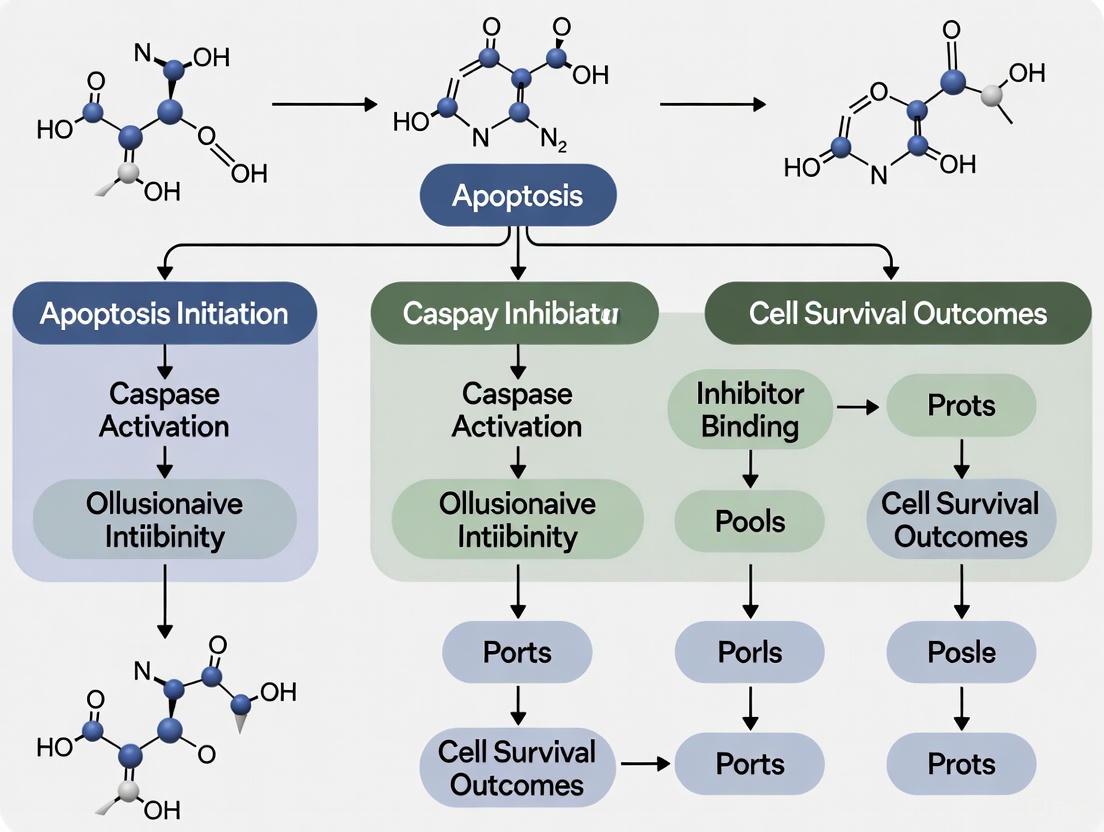
This article provides a comprehensive overview of strategies to inhibit apoptosis using caspase inhibitors, tailored for researchers and drug development professionals.
Caspase Inhibitors in Apoptosis: A Comprehensive Guide for Therapeutic Development
Abstract
This article provides a comprehensive overview of strategies to inhibit apoptosis using caspase inhibitors, tailored for researchers and drug development professionals. It covers the foundational biology of caspases in regulated cell death, explores the diverse classes of natural and synthetic inhibitors and their mechanisms of action, and addresses key challenges in achieving selectivity and efficacy. The content also examines preclinical validation methods and comparative analyses of therapeutic candidates, synthesizing current research and clinical trial outcomes to inform the development of next-generation caspase-targeted therapies.
Understanding Caspase Biology and Its Role in Apoptotic Signaling
Caspases are a family of cysteine-dependent aspartate-specific proteases that serve as central regulators of programmed cell death (PCD) and inflammation [1] [2]. Traditionally, caspases have been classified based on their primary functions in physiological processes, predominantly as apoptotic caspases (caspase-2, -3, -6, -7, -8, -9, and -10) and inflammatory caspases (caspase-1, -4, -5, and -11) [2] [3]. However, extensive research over the past decades has revealed significant functional overlap and crosstalk between these pathways, demonstrating that apoptotic caspases can also drive inflammatory lytic cell death [2] [3]. This evolving understanding has prompted the development of more nuanced classification systems based on structural characteristics, particularly the presence and type of protein interaction domains in their pro-domains [1] [2].
The limitations of traditional functional classifications have become increasingly apparent as research uncovers the multifaceted roles of individual caspases. For instance, caspase-8, traditionally considered an apoptotic initiator, also functions as a molecular switch between apoptosis, necroptosis, and pyroptosis, cleaving gasdermin proteins and inhibiting necroptosis [1]. Similarly, the apoptotic executioner caspase-3 can cleave gasdermin E (GSDME) to induce pyroptosis, an inflammatory form of cell death [2]. These findings highlight the need for classification systems that better reflect the complex biological roles of caspases, leading to the adoption of domain-based groupings that categorize caspases as CARD-containing, DED-containing, or caspases with short/no pro-domains [2] [3].
Table 1: Traditional Functional Classification of Caspases
| Classification | Caspases | Primary Functions |
|---|---|---|
| Inflammatory Caspases | Caspase-1, -4, -5, -11 | Mediate inflammation and pyroptosis through gasdermin cleavage and cytokine maturation [2] |
| Apoptotic Initiators | Caspase-2, -8, -9, -10 | Initiate apoptosis through death receptor or mitochondrial pathways [1] [2] |
| Apoptotic Executioners | Caspase-3, -6, -7 | Execute apoptosis by cleaving cellular substrates [1] [2] |
Domain-Based Caspase Classification
The domain-based classification system categorizes caspases according to the protein interaction domains present in their N-terminal pro-domains, which dictate their activation mechanisms and placement in cell death signaling pathways [2]. This structural classification provides insights into how caspases are recruited to and activated within specific signaling complexes.
CARD-domain containing caspases include caspase-1, -2, -4, -5, -9, -11, and -12 [1]. These caspases utilize homotypic CARD-CARD interactions to assemble into signaling complexes. For example, caspase-9 is recruited to the apoptosome through CARD-mediated interactions with Apaf-1, while caspase-1 is recruited to inflammasomes via CARD interactions with the adapter protein ASC [2]. DED-domain containing caspases include caspase-8 and -10, which are recruited to death receptor signaling complexes through homotypic DED-DED interactions with adapter proteins like FADD [1] [2]. Caspases with short or no pro-domains (caspase-3, -6, -7) are executioner caspases that are typically activated by upstream initiator caspases through proteolytic cleavage [2].
Table 2: Domain-Based Classification of Caspases
| Classification | Caspases | Activation Complexes | Key Substrates |
|---|---|---|---|
| CARD-containing | Caspase-1, -2, -4, -5, -9, -11, -12 | Inflammasome, Apoptosome, PIDDosome | GSDMD, IL-1β, IL-18, Caspase-3/7 [1] [2] |
| DED-containing | Caspase-8, -10 | FADDosome, RIPoptosome, DISC | Caspase-3, -7, BID, GSDMC [1] [2] |
| Short/No Pro-domain | Caspase-3, -6, -7 | Activated by proteolytic cleavage | PARP, Lamin, GSDME, GSDMB [1] [2] |
This domain-based classification offers several advantages over traditional functional categorization. First, it reflects the fundamental mechanisms of caspase activation and regulation. Second, it predicts the supramolecular complexes in which caspases operate. Third, it provides a framework for understanding evolutionary relationships among caspases. The structural classification has proven particularly valuable for interpreting the molecular basis of caspase-mediated signaling in different forms of programmed cell death, including the newly described PANoptosis, which involves multiple caspases working cooperatively in a single regulatory complex [2] [3].
Quantitative Data on Caspase Functions and Inhibitors
Understanding the specific roles and characteristics of individual caspases is essential for developing targeted therapeutic strategies. The following tables summarize key functional attributes and inhibitory profiles of major caspases based on current research.
Table 3: Caspase Functions Across Programmed Cell Death Pathways
| Caspase | Primary PCD Pathway | Additional PCD Roles | Key Regulatory Functions |
|---|---|---|---|
| Caspase-1 | Pyroptosis (primary) | Apoptosis (in GSDMD absence) | Cleaves GSDMD, processes IL-1β/IL-18 [1] |
| Caspase-2 | Intrinsic Apoptosis | Ferroptosis inhibition | DNA damage response, cell cycle control [1] |
| Caspase-3 | Apoptosis (executioner) | Pyroptosis (via GSDME) | Cleaves PARP, lamin, GSDME; DNA fragmentation [1] |
| Caspase-6 | Apoptosis (executioner) | Pyroptosis regulation | Activates caspase-8; regulates GSDMB [1] |
| Caspase-7 | Apoptosis (executioner) | Pyroptosis suppression | Cleaves PARP; suppresses pyroptosis via GSDMD cleavage [1] |
| Caspase-8 | Extrinsic Apoptosis | Necroptosis inhibition, Pyroptosis | Molecular switch between PCD pathways; cleaves GSDMC [1] |
| Caspase-9 | Intrinsic Apoptosis | Necroptosis inhibition | Apoptosome formation; activates caspase-3/7 [1] |
| Caspase-10 | Extrinsic Apoptosis | Pyroptosis, Necroptosis | Regulates caspase-8; cleaves GSDMD [1] |
| Caspase-4/5/11 | Pyroptosis (non-canonical) | - | Directly cleaves GSDMD [1] |
| Caspase-12 | ER Stress-induced Apoptosis | - | Activated by endoplasmic reticulum stress [1] |
Table 4: Caspase Inhibitor Profiles and Therapeutic Applications
| Inhibitor/Target | Caspases Affected | Therapeutic Applications | Development Status |
|---|---|---|---|
| Caspase-3 Inhibitors | Primarily caspase-3, some caspase-7 | Cancer, neurodegenerative disorders, cardiovascular diseases [4] [5] | Market growth predicted to reach USD 1.45 billion by 2032; multiple candidates in clinical trials [5] |
| Pan-caspase Inhibitors (e.g., Z-VAD, Emricasan, VX-166) | Broad-spectrum (caspase-1, -2, -3, etc.) | Inflammatory diseases, liver diseases, acute injury [3] | Used in research; some in clinical development [3] |
| Caspase-1 Inhibitors (e.g., VX-765, Belnacasan) | Primarily caspase-1 | Auto-inflammatory diseases, rheumatoid arthritis [3] | Clinical and preclinical development [3] |
| NLRP3 Inflammasome Inhibitors (e.g., N102) | Indirectly targets caspase-1 activation | NLRP3-mediated pyroptosis in autoinflammatory diseases [6] | Preclinical research; inhibits NLRP3-ASC interaction [6] |
The caspase inhibitor market demonstrates significant growth potential, with the global caspase-3 inhibitor market alone projected to grow from USD 780 million in 2023 to approximately USD 1.45 billion by 2032, reflecting a compound annual growth rate (CAGR) of 7.1% [5]. This growth is driven by increasing research and development activities in the pharmaceutical industry aimed at discovering new therapeutic interventions for various life-threatening diseases, particularly cancer and neurodegenerative disorders [4] [5].
Experimental Protocols for Caspase Inhibition Studies
Protocol 1: Assessing Caspase Inhibition Using Cell-Based Viability Assays
Purpose: To evaluate the efficacy of caspase inhibitors in preventing programmed cell death in cellular models.
Materials and Reagents:
- Appropriate cell line (e.g., THP-1 macrophages for pyroptosis studies, Jurkat cells for apoptosis studies)
- Caspase inhibitors (e.g., Z-VAD for pan-caspase inhibition, specific caspase-3 inhibitors)
- Cell death inducers (e.g., nigericin for NLRP3-mediated pyroptosis, staurosporine for intrinsic apoptosis)
- Cell culture medium and supplements
- Multiwell plate readers capable of absorbance, fluorescence, and luminescence detection
- Lactate dehydrogenase (LDH) release assay kit
- ATP-based cell viability assay kit (e.g., CellTiter-Glo)
- Caspase activity assay kits (caspase-1, -3, -8, -9)
Procedure:
- Cell Preparation and Treatment:
- Culture cells in appropriate medium and seed in 96-well plates at optimal density (e.g., 10,000-50,000 cells/well depending on cell type).
- Pre-treat cells with varying concentrations of caspase inhibitors (typically 0.1-100 μM) or vehicle control for 1-2 hours.
- Induce cell death by adding specific stimuli: nigericin (5-20 μM) for NLRP3-mediated pyroptosis, anti-FAS antibody for extrinsic apoptosis, or staurosporine (1-5 μM) for intrinsic apoptosis.
- Incubate for appropriate duration (typically 4-24 hours depending on model system).
Cell Viability Assessment:
- Measure ATP levels as an indicator of metabolically active cells using CellTiter-Glo reagent according to manufacturer's instructions.
- Quantitate plasma membrane integrity by measuring LDH release into culture supernatant using LDH assay kit.
- Normalize data to untreated controls (100% viability) and fully lysed cells (0% viability).
Caspase Activity Measurement:
- Lyse parallel sets of treated cells with appropriate lysis buffers.
- Incubate cell lysates with caspase-specific fluorogenic substrates (e.g., WEHD-afc for caspase-1, DEVD-afc for caspase-3/7, IETD-afc for caspase-8, LEHD-afc for caspase-9).
- Measure fluorescence release (excitation/emission ~400/505 nm) over time using a plate reader.
- Calculate caspase activity as fold-change over untreated controls.
Data Analysis:
- Calculate inhibitor potency (EC50 values) using non-linear regression analysis of dose-response curves.
- Perform statistical analysis using one-way ANOVA with appropriate post-hoc tests.
- Represent data as mean ± SEM from at least three independent experiments.
Troubleshooting Tips:
- Optimize cell density and stimulus concentration in preliminary experiments to achieve submaximal cell death (typically 60-80%) for optimal assay window.
- Include reference inhibitors as positive controls for method validation.
- Confirm inhibitor specificity by testing against recombinant caspases in biochemical assays.
Protocol 2: Evaluating Caspase Inhibitor Specificity in Biochemical Assays
Purpose: To determine the selectivity profile of caspase inhibitors across multiple caspase family members.
Materials and Reagents:
- Recombinant caspase enzymes (caspase-1, -2, -3, -6, -7, -8, -9, -10)
- Caspase-specific fluorogenic substrates (WEHD-afc for caspase-1, VDVAD-afc for caspase-2, DEVD-afc for caspase-3/7, VEID-afc for caspase-6, IETD-afc for caspase-8, LEHD-afc for caspase-9)
- Caspase assay buffer (e.g., 50 mM HEPES, pH 7.4, 100 mM NaCl, 0.1% CHAPS, 10 mM DTT, 1 mM EDTA, 10% glycerol)
- Black 96-well plates for fluorescence measurements
- Test compounds at various concentrations dissolved in DMSO (<1% final concentration)
- Plate reader capable of kinetic fluorescence measurements
Procedure:
- Enzyme Preparation:
- Dilute recombinant caspases in assay buffer to appropriate working concentrations (typically 1-10 nM final).
- Pre-incubate enzymes with serial dilutions of test compounds or vehicle control for 30 minutes at room temperature.
Reaction Initiation and Measurement:
- Add appropriate caspase-specific substrate to a final concentration of 50-200 μM.
- Immediately measure fluorescence increase (excitation 400 nm, emission 505 nm) kinetically every 1-2 minutes for 60-120 minutes at 37°C.
- Calculate initial reaction velocities from the linear portion of the progress curves.
Data Analysis:
- Normalize reaction velocities to vehicle control (100% activity).
- Generate dose-response curves and calculate IC50 values using non-linear regression analysis.
- Determine selectivity ratios by comparing IC50 values across different caspases.
Applications: This protocol is essential for characterizing inhibitor specificity during drug development and for mechanistic studies exploring caspase functions in different cell death pathways.
The Scientist's Toolkit: Essential Research Reagents
Table 5: Key Research Reagents for Caspase Inhibition Studies
| Reagent Category | Specific Examples | Research Applications | Key Suppliers |
|---|---|---|---|
| Broad-Spectrum Caspase Inhibitors | Z-VAD-FMK, Q-VD-OPh | Pan-caspase inhibition; determining caspase-dependence of cell death [3] | BD, R&D Systems, Sigma-Aldrich, Enzo Life Sciences [4] |
| Selective Caspase Inhibitors | Ac-DEVD-CHO (caspase-3), Z-WEHD-FMK (caspase-1), Z-LEHD-FMK (caspase-9) | Specific caspase pathway inhibition; mechanistic studies [7] | Abcam, R&D Systems, Sigma-Aldrich [4] |
| Caspase Activity Assays | Fluorogenic substrates (DEVD-afc for caspase-3/7, WEHD-afc for caspase-1), Luminescent caspase-Glo assays | Quantitative measurement of caspase activation in cells and lysates [5] | Promega, Abcam, Enzo Life Sciences [4] |
| Cell Death Induction Reagents | Nigericin (NLRP3 activator), Staurosporine (intrinsic apoptosis), Anti-FAS antibody (extrinsic apoptosis) | Induction of specific PCD pathways for inhibitor testing [6] | Sigma-Aldrich, Tocris, R&D Systems [4] |
| Antibodies for Western Blotting | Anti-cleaved caspase-3, Anti-GSDMD, Anti-PARP, Anti-IL-1β | Detection of caspase activation and downstream substrates [1] [2] | Cell Signaling Technology, Abcam, R&D Systems [4] |
Caspase Signaling Pathways and Experimental Workflows
Caspase Signaling Pathways in Programmed Cell Death. This diagram illustrates the major caspase-mediated pathways in apoptosis and pyroptosis, highlighting the domain-based classification of caspases within their functional contexts.
Experimental Workflow for Caspase Inhibition Studies. This diagram outlines a comprehensive approach for evaluating caspase inhibitors in cellular models, from experimental design through data interpretation.
Caspases (Cysteine-aspartate proteases) are a family of evolutionarily conserved cysteine-dependent proteases that serve as the primary executioners of programmed cell death, or apoptosis [8] [9]. These enzymes cleave their substrate proteins at specific aspartic acid residues, a unique specificity that defines the caspase family [2]. Caspases are synthesized as inactive zymogens (pro-caspases) and become activated through highly regulated proteolytic processes [10] [11]. Within the context of apoptotic cell death, caspases are functionally classified as either initiator caspases (caspase-2, -8, -9, -10) or executioner caspases (caspase-3, -6, -7) [10] [12] [11]. The sequential activation of initiator followed by executioner caspases forms the core of the apoptotic cascade, leading to the controlled dismantling of the cell with minimal damage to surrounding tissues [13]. Given their central role in cell death, caspases represent prominent therapeutic targets for inhibiting apoptosis in pathological conditions [14].
Molecular Mechanisms of Caspase Activation
Activation of Initiator Caspases
Initiator caspases (caspase-8, -9, -10, -2) are characterized by long prodomains that contain protein-protein interaction motifs, either DED (Death Effector Domain) or CARD (Caspase Activation and Recruitment Domain) [2] [12] [11]. They function as the apical triggers of apoptosis, activated through a mechanism known as induced proximity or proximity-induced dimerization [10] [11].
- Caspase-8 in the Extrinsic Pathway: The extrinsic apoptotic pathway is initiated by the binding of extracellular death ligands (e.g., FasL, TRAIL) to their cognate transmembrane death receptors. This ligand-receptor interaction promotes the assembly of a multi-protein complex at the intracellular receptor tail called the DISC (Death-Inducing Signaling Complex). The DISC recruits pro-caspase-8 via the adaptor protein FADD (Fas-Associated protein with a Death Domain), leading to caspase-8 dimerization and autocatalytic activation [10] [11].
- Caspase-9 in the Intrinsic Pathway: The intrinsic (or mitochondrial) pathway is activated by intracellular stress signals, such as DNA damage or oxidative stress. This leads to mitochondrial outer membrane permeabilization (MOMP) and the release of cytochrome c into the cytosol. Cytochrome c, together with the cytosolic protein Apaf-1 (Apoptotic protease activating factor-1) and dATP, forms a wheel-like signaling platform called the apoptosome. The apoptosome recruits and facilitates the dimerization and activation of pro-caspase-9 [10] [9] [13].
- Caspase-2: Less characterized, caspase-2 can be activated within a complex known as the PIDDosome, composed of the proteins PIDD and RAIDD, in response to specific stresses like DNA damage [10].
A critical feature of initiator caspase activation is that dimerization alone is sufficient to generate catalytic activity; proteolytic cleavage within the dimer stabilizes the active enzyme but is not the initial activating event [11].
Activation of Executioner Caspases
Executioner caspases (caspase-3, -6, -7) possess only short prodomains and exist in healthy cells as inactive homodimers [10] [12] [11]. Unlike initiator caspases, they cannot self-activate. Their activation is strictly dependent on proteolytic cleavage by an active initiator caspase.
- Once activated, initiator caspases cleave executioner procaspases at specific aspartic sites within the linker region between the large and small subunits [11].
- This cleavage event induces a conformational change that rearranges the active site into its catalytically competent form [12].
- The now mature executioner caspases, most notably caspase-3 and caspase-7, proceed to cleave a broad repertoire of hundreds of cellular substrate proteins, ultimately leading to the characteristic morphological and biochemical hallmarks of apoptosis [12].
The following diagram illustrates the core signaling pathways of caspase activation.
Quantitative Profiling of Caspases and Inhibitors
Caspase Classification and Properties
Caspases can be classified based on their structure, substrate specificity, or function. The table below summarizes the key characteristics of human apoptotic caspases.
Table 1: Classification and Characteristics of Human Apoptotic Caspases
| Caspase | Role/Type | Activation Complex | Prodomain | Preferred Tetrapeptide Motif |
|---|---|---|---|---|
| Caspase-8 | Initiator (Extrinsic) | DISC (FADD) [10] | DED [2] | (L/V/I)EXD [2] |
| Caspase-9 | Initiator (Intrinsic) | Apoptosome (Apaf-1) [10] | CARD [2] | (L/V/I)EXD [2] |
| Caspase-2 | Initiator | PIDDosome [10] | CARD [2] | DEXD [2] |
| Caspase-10 | Initiator (Extrinsic) | DISC (FADD) [11] | DED [2] | (L/V/I)EXD [2] |
| Caspase-3 | Executioner | Cleaved by initiators [12] | Short [12] | DEXD [2] |
| Caspase-7 | Executioner | Cleaved by initiators [12] | Short [12] | DEXD [2] |
| Caspase-6 | Executioner | Cleaved by initiators [11] | Short [2] | (L/V/I)EXD [2] |
Caspase Inhibitors in Research and Therapy
Inhibiting caspase activity is a primary strategy for blocking apoptotic cell death. The table below catalogues key caspase inhibitors, their mechanisms, and applications.
Table 2: Key Caspase Inhibitors for Apoptosis Research
| Inhibitor Name | Type / Specificity | Mechanism of Action | Primary Research Applications |
|---|---|---|---|
| Q-VD-OPh | Broad-spectrum synthetic peptide [14] | Irreversible inhibitor; pan-caspase inhibitor with improved cell permeability and reduced toxicity [14]. | In vivo models of neurodegeneration, ischemia; long-term culture studies [14]. |
| Z-VAD-FMK | Broad-spectrum synthetic peptide [14] | Irreversible pan-caspase inhibitor; cell-permeable. Can be toxic in vivo [14]. | In vitro confirmation of caspase-dependent apoptosis [14]. |
| Emricasan (IDN-6556) | Peptidomimetic, pan-caspase [14] | Irreversible inhibitor; developed for clinical use in liver diseases [14]. | Clinical trials for liver fibrosis, NASH; preclinical liver injury models [14]. |
| Ac-DEVD-CHO | Peptide-based, Caspase-3/7 selective [14] | Reversible, competitive inhibitor based on the PARP cleavage sequence [14]. | Biochemical assays to specifically inhibit executioner caspase activity [14]. |
| CrmA | Natural viral protein (Serpin) [14] | Potently inhibits caspase-1 and caspase-8 [14]. | Studying extrinsic apoptosis and pyroptosis in cellular models [14]. |
| XIAP | Natural cellular protein (IAP) [15] | Directly binds and inhibits caspase-3, -7, and -9 [15]. | Studying endogenous apoptosis regulation; overexpressed to suppress cell death [15]. |
| SMAC Mimetics | Non-peptide small molecules [15] | Antagonize IAPs (like XIAP), promoting caspase activation and apoptosis [15]. | Cancer research to sensitize resistant tumor cells to chemo-/radiotherapy [15]. |
Experimental Protocols for Assessing Caspase Activity and Inhibition
This section provides detailed methodologies for key experiments used to study caspase function and evaluate the efficacy of caspase inhibitors.
Protocol: Measuring Caspase Activity Using Fluorogenic Substrate Assays
Objective: To quantitatively measure the enzymatic activity of specific caspases in cell lysates or purified systems.
Principle: Synthetic peptides containing the caspase-specific cleavage sequence (e.g., DEVD for caspase-3/7) are conjugated to a fluorescent reporter (e.g., AFC, 7-amino-4-trifluoromethylcoumarin). Caspase cleavage releases the fluorophore, resulting in a measurable increase in fluorescence proportional to caspase activity [14].
Materials:
- Research Reagent: Fluorogenic caspase substrate (e.g., Ac-DEVD-AFC for caspase-3/7, Ac-IETD-AFC for caspase-8, Ac-LEHD-AFC for caspase-9).
- Research Reagent: Caspase assay buffer (e.g., 20 mM HEPES pH 7.5, 100 mM NaCl, 1 mM EDTA, 0.1% CHAPS, 10% sucrose, 5 mM DTT).
- Research Reagent: Caspase-positive control (e.g., recombinant active caspase) and negative control (e.g., lysate from healthy cells).
- Research Reagent: Candidate caspase inhibitor (e.g., Q-VD-OPh, Z-VAD-FMK).
- Equipment: Microplate reader capable of fluorescence detection, cell culture equipment, cell lysis tools.
Workflow:
- Cell Treatment and Lysis:
- Treat cells with the apoptotic stimulus of interest in the presence or absence of the caspase inhibitor.
- Harvest cells and lyse them in ice-cold caspase assay buffer supplemented with protease inhibitors (excluding caspase inhibitors).
- Clarify the lysate by centrifugation (12,000-16,000 × g for 15 min at 4°C) and transfer the supernatant to a new tube.
- Quantify the protein concentration of each lysate.
Reaction Setup:
- In a black 96-well plate, combine:
- 50 µg of cell lysate (or volume containing 10-100 µg protein).
- Caspase assay buffer to a final volume of 100 µL.
- 50 µM of the fluorogenic substrate (from a stock solution in DMSO or water).
- Include controls: No-lysate control (background), no-substrate control, and inhibitor control (lysate + inhibitor pre-incubated for 30 min before substrate addition).
- In a black 96-well plate, combine:
Measurement and Analysis:
- Incubate the reaction mixture at 37°C for 1-2 hours.
- Measure fluorescence at excitation/emission wavelengths specific to the fluorophore (e.g., Ex ~400 nm, Em ~505 nm for AFC).
- Calculate the relative caspase activity: Subtract background fluorescence from all values. Normalize the activity of treated samples to the untreated control. For inhibitor studies, calculate the percentage inhibition relative to the stimulated, uninhibited control.
The workflow for this protocol is summarized in the following diagram.
Protocol: Evaluating Caspase Inhibition for Cell Survival
Objective: To determine the efficacy of a caspase inhibitor in preventing apoptosis-induced cell death.
Principle: This protocol uses a cell viability assay (e.g., MTT, ATP-based luminescence) to measure the proportion of cells that survive an apoptotic challenge due to the presence of a caspase inhibitor.
Materials:
- Research Reagent: Candidate caspase inhibitor (e.g., Q-VD-OPh).
- Research Reagent: Apoptosis inducer (e.g., Staurosporine, anti-FAS antibody, chemotherapeutic agent).
- Research Reagent: Cell Viability Assay Kit (e.g., MTT, CellTiter-Glo).
- Equipment: Cell culture incubator, plate reader (for absorbance or luminescence).
Workflow:
- Cell Plating: Plate cells in a 96-well plate at an optimal density for 24-48 hours of growth.
- Pre-treatment/Co-treatment: Pre-incubate or co-incubate cells with a range of concentrations of the caspase inhibitor (e.g., 1-100 µM) for 1 hour.
- Apoptotic Challenge: Treat cells with a predetermined, lethal concentration of the apoptotic stimulus. Include controls: vehicle control (healthy cells), stimulus-only control (dying cells), and inhibitor-only control (to assess inhibitor toxicity).
- Incubation: Incubate cells for the required time period for apoptosis to occur (typically 6-24 hours).
- Viability Measurement:
- For MTT assay: Add MTT reagent to each well and incubate for 2-4 hours. Solubilize the formed formazan crystals with a detergent solution and measure the absorbance at 570 nm.
- For luminescence assay: Add CellTiter-Glo reagent, mix, and measure luminescence, which is proportional to the ATP content (a marker of metabolically active cells).
- Data Analysis: Calculate the percentage cell viability relative to the vehicle control. Plot viability against inhibitor concentration to determine the EC₅₀ (concentration that provides 50% protection from death).
The Scientist's Toolkit: Key Research Reagents
Table 3: Essential Research Reagents for Caspase and Apoptosis Studies
| Reagent / Material | Function / Description | Example Use Cases |
|---|---|---|
| Fluorogenic Caspase Substrates | Peptide sequences conjugated to a fluorophore; emit fluorescence upon caspase cleavage. | Quantitative measurement of specific caspase activity (e.g., DEVD-AFC for Casp-3/7) in lysates [14]. |
| Caspase Inhibitors (Pan & Selective) | Small molecules or peptides that covalently or reversibly block the caspase active site. | Determining caspase-dependence of cell death (Z-VAD-FMK); studying specific caspase roles (DEVD-CHO) [14]. |
| Active Recombinant Caspases | Purified, enzymatically active caspase proteins. | Positive controls for activity assays; substrate identification studies; in vitro inhibition assays [14]. |
| Antibodies (Active/Cleaved Form) | Antibodies that recognize the cleaved, active form of caspases (e.g., Cleaved Caspase-3). | Detection of caspase activation in cells (immunofluorescence) or tissues (western blot, IHC) [10]. |
| IAP Antagonists (SMAC Mimetics) | Small molecules that mimic the endogenous IAP antagonist SMAC/Diablo. | Inducing auto-ubiquitination and degradation of cIAP1/2; sensitizing cancer cells to apoptosis [15]. |
| Cell Viability Assay Kits | Reagents to quantify metabolic activity (MTT) or ATP content (luminescence) as a proxy for live cells. | Assessing the overall protective effect of caspase inhibitors against apoptotic cell death [14]. |
| Annexin V / Propidium Iodide (PI) | Annexin V binds phosphatidylserine (early apoptosis); PI stains DNA in necrotic/late apoptotic cells. | Flow cytometry analysis to distinguish stages of cell death and confirm apoptosis [12]. |
Concluding Remarks
The hierarchical caspase cascade, initiated by specialized adaptor complexes and executed by downstream effector caspases, represents the biochemical core of apoptotic cell death [10] [11]. A detailed understanding of the molecular mechanisms governing initiator and executioner caspase activation is fundamental to developing rational strategies for apoptosis inhibition. While synthetic caspase inhibitors and the modulation of endogenous regulators like IAPs offer powerful tools for research and therapeutic prospects [14] [15], challenges remain. These include achieving sufficient specificity to avoid disrupting non-apoptotic caspase functions and effectively delivering inhibitors to target tissues in vivo [14]. Continued research into the structural biology and pathophysiology of caspases will undoubtedly yield more refined and effective inhibitors, providing new avenues for therapeutic intervention in a wide range of degenerative diseases.
Caspases are evolutionarily conserved cysteine proteases that have been historically categorized as central executioners of apoptotic cell death. However, contemporary research has unequivocally demonstrated that their functional repertoire extends far beyond apoptosis, encompassing critical roles in various other programmed cell death (PCD) pathways, including pyroptosis, necroptosis, and the newly characterized PANoptosis [9] [2]. This paradigm shift redefines caspases as master regulators of cellular fate with sophisticated capabilities to integrate signals from multiple cell death pathways. The emerging concept of PANoptosis, in particular, highlights a synergistic cell death pathway wherein caspases function as core components of multiprotein complexes that simultaneously activate key features of pyroptosis, apoptosis, and necroptosis [16] [17]. This article delineates the expanded roles of caspases within this intricate network, providing detailed experimental frameworks and analytical tools to advance research in caspase biology and therapeutic targeting.
Molecular Mechanisms of Caspases in Cell Death Pathways
Caspase Classification and Structural Organization
Caspases are traditionally classified based on their primary functions in apoptosis or inflammation, but their extensive cross-pathway activities necessitate more nuanced categorization systems. Structurally, caspases can be grouped according to their pro-domain architecture:
- CARD-domain containing caspases: caspase-1, -2, -4, -5, -9, -11, -12 [9]
- DED-domain containing caspases: caspase-8, -10 [9]
- Short/no pro-domain caspases: caspase-3, -6, -7 [2]
Alternative classification systems based on substrate specificity divide caspases into three groups: Group I (caspase-1, -4, -14 with (W/L/Y)EHD preference), Group II (caspase-2, -3, -7 with DEXD preference), and Group III (caspase-6, -8, -9, -10 with (L/V/I)EXD preference) [2].
Caspase Functions in Distinct Cell Death Pathways
Table 1: Caspase Roles in Programmed Cell Death Pathways
| Cell Death Pathway | Key Caspase Involved | Primary Functions | Main Substrates |
|---|---|---|---|
| Apoptosis | Caspase-8 (extrinsic), Caspase-9 (intrinsic), Caspase-3/6/7 (execution) | Initiates and executes non-lytic, non-inflammatory cell death; dismantles cellular components | PARP, Lamin proteins, Caspase-3/6/7 (for initiators) |
| Pyroptosis | Caspase-1/4/5/11 (inflammatory), Caspase-3/8 (alternative) | Cleaves gasdermin proteins to induce lytic, inflammatory cell death; processes IL-1β/IL-18 | GSDMD, GSDME, GSDMB, pro-IL-1β, pro-IL-18 |
| Necroptosis | Caspase-8 (inhibitory) | Acts as molecular switch; inhibition permits necroptosis execution | RIPK1, RIPK3 |
| PANoptosis | Caspase-1/3/6/7/8 | Core components of PANoptosome; coordinate simultaneous activation of multiple death pathways | Multiple substrates across apoptosis, pyroptosis, and necroptosis |
Apoptosis
Apoptosis represents the classic caspase-dependent cell death pathway, characterized by non-lytic cellular dismantling. The extrinsic pathway initiates with caspase-8 activation through death-inducing signaling complex (DISC) formation, while the intrinsic pathway activates caspase-9 via the apoptosome complex following mitochondrial outer membrane permeabilization (MOMP) and cytochrome c release [18]. Both pathways converge on the activation of executioner caspases-3, -6, and -7, which systematically cleave cellular substrates including PARP, leading to controlled cellular disassembly without inflammatory sequelae [18].
Pyroptosis
Pyroptosis exemplifies an inflammatory lytic cell death modality wherein caspases play pivotal roles in gasdermin protein activation. Canonical pyroptosis engages caspase-1 through inflammasome complexes, while non-canonical pyroptosis utilizes caspase-4/5/11 for direct gasdermin-D (GSDMD) cleavage [9] [2]. The resulting N-terminal GSDMD fragments oligomerize to form plasma membrane pores, facilitating IL-1β/IL-18 secretion and ultimately osmotic cell lysis. Notably, apoptotic caspases-3 and -8 can also cleave specific gasdermins (GSDME and GSDMC respectively), enabling crosstalk between apoptotic and pyroptotic signaling [9].
Necroptosis
Necroptosis represents a caspase-independent but regulated form of inflammatory necrosis. Paradoxically, caspase-8 serves as a critical negative regulator of this pathway by cleaving key necroptosis components RIPK1 and RIPK3, thereby preventing necrosome assembly [9]. When caspase-8 activity is pharmacologically inhibited or genetically ablated, RIPK1 and RIPK3 form amyloid signaling complexes that phosphorylate MLKL, leading to plasma membrane disruption and lytic cell death [16].
PANoptosis: An Integrated Cell Death Paradigm
PANoptosis embodies a unified, inflammatory cell death pathway that integrates characteristic features of pyroptosis, apoptosis, and necroptosis, governed by multifaceted protein complexes termed PANoptosomes [16] [17]. These macromolecular assemblies function as signal integration hubs, wherein caspases serve as core catalytic components alongside RIP kinases and other regulatory proteins.
Table 2: Major PANoptosome Complexes and Their Caspase Components
| PANoptosome Type | Key Sensors | Adapter Proteins | Caspase Components | Primary Triggers |
|---|---|---|---|---|
| ZBP1-PANoptosome | ZBP1 | ASC, FADD | Caspase-1, -6, -8 | Influenza A virus infection, viral Z-RNA |
| AIM2-PANoptosome | AIM2 | ASC, FADD | Caspase-1, -8 | Cytosolic double-stranded DNA |
| RIPK1-PANoptosome | RIPK1 | FADD | Caspase-1, -6, -8 | TNF signaling, viral infection |
| NLRP12-PANoptosome | NLRP12 | ASC, FADD | Caspase-1, -8 | Yersinia pestis infection, bacterial components |
The ZBP1-PANoptosome exemplifies this molecular machinery, wherein ZBP1 sensing of viral ribonucleoproteins nucleates a complex containing caspase-1, -6, -8, RIPK1, RIPK3, FADD, ASC, and NLRP3 [17]. Within this complex, caspase-8 initiates apoptotic signaling, caspase-1 drives pyroptosis through GSDMD cleavage, and RIPK1/RIPK3 promote necroptosis via MLKL phosphorylation. The simultaneous activation of these pathways creates a robust antimicrobial response that pathogens cannot easily evade by inhibiting单一cell death modality [17].
Diagram 1: Molecular architecture of the ZBP1-PANoptosome complex. This multi-protein assembly integrates sensors (green), adapters (red), and catalytic effectors (blue) to simultaneously activate pyroptosis, apoptosis, and necroptosis pathways, resulting in a robust inflammatory response.
Experimental Protocols for Caspase Function Analysis
Protocol: Assessing Caspase Activation in PANoptosis
Objective: To simultaneously evaluate activation of multiple caspases in PANoptosis induced by influenza A virus (IAV) infection.
Materials:
- Cell Line: Murine macrophages (BMDMs or J774A.1)
- Virus: Influenza A virus (IAV, PR8 strain)
- Caspase Inhibitors: Z-VAD-FMK (pan-caspase), VX-765 (caspase-1 specific), Z-IETD-FMK (caspase-8 specific)
- Antibodies: Anti-caspase-1 (p20), anti-cleaved caspase-3, anti-cleaved caspase-8, anti-caspase-6, anti-GSDMD (NT), anti-phospho-MLKL
- Reagents: Fluorogenic caspase substrates (WEHD- AFC for caspase-1, DEVD-AMC for caspase-3/7, VEID-AFC for caspase-6, IETD-AFC for caspase-8), LDH cytotoxicity assay kit, propidium iodide
Methodology:
Cell Culture and Infection:
- Seed macrophages in 12-well plates (2×10^5 cells/well) and culture overnight.
- Infect cells with IAV at MOI=5 in serum-free medium for 1 hour.
- Replace with complete medium and incubate for 6-24 hours.
- For inhibition studies, pre-treat cells with caspase inhibitors (20 μM Z-VAD-FMK, 10 μM VX-765, or 20 μM Z-IETD-FMK) for 1 hour before infection.
Caspase Activity Assays:
- Harvest cells at 6, 12, and 18 hours post-infection.
- Lyse cells in caspase lysis buffer (50 mM HEPES, 100 mM NaCl, 0.1% CHAPS, 10% sucrose, 1 mM EDTA, pH 7.4).
- Incubate lysates (50 μg protein) with fluorogenic substrates (50 μM) in assay buffer at 37°C for 1 hour.
- Measure fluorescence (caspase-1: Ex/Em=400/505 nm; caspase-3/7: Ex/Em=380/460 nm; caspase-6: Ex/Em=400/505 nm; caspase-8: Ex/Em=400/505 nm).
- Express activities as fold-change relative to uninfected controls.
Western Blot Analysis:
- Prepare cell lysates in RIPA buffer with protease and phosphatase inhibitors.
- Separate proteins (30 μg/lane) by SDS-PAGE (12-15% gels).
- Transfer to PVDF membranes and block with 5% BSA.
- Incubate with primary antibodies (1:1000) overnight at 4°C.
- Detect with HRP-conjugated secondary antibodies (1:5000) and chemiluminescence.
- Assess processing of caspases and cleavage of substrates (GSDMD, PARP).
Cell Death Assessment:
- Measure LDH release in culture supernatants using cytotoxicity assay kit.
- Perform propidium iodide staining (1 μg/mL, 15 min) and analyze by flow cytometry.
- Conduct trypan blue exclusion assay for viability counting.
Expected Results: IAV infection should simultaneously activate caspase-1, -3, -6, and -8, with cleavage of GSDMD and PARP, plus MLKL phosphorylation. Z-VAD-FMK should attenuate all caspase activities but may not completely prevent cell death due to RIPK3/MLKL-mediated necroptosis.
Protocol: Engineering TEV-Activatable Caspase for Inhibitor Screening
Objective: To develop a high-throughput screening platform for caspase-10 inhibitors using tobacco etch virus (TEV) protease-activatable caspase-10.
Materials:
- Constructs: Engineered procaspase-10 with TEV cleavage sites (proCASP10TEV Linker)
- Enzymes: Recombinant TEV protease
- Substrate: Ac-VDVAD-AFC (caspase-10 fluorogenic substrate)
- Compound Library: ~100,000 small molecules for screening
- Equipment: Fluorescence microplate reader, liquid handling system
Methodology:
Protein Engineering:
- Replace native caspase-10 cleavage sites (D415 and D435) with TEV recognition sequence (ENLYFQG).
- Express and purify recombinant proCASP10TEV Linker protein from E. coli.
TEV Activation Assay:
- Incubate proCASP10TEV Linker (333 nM) with TEV protease (667 nM) in assay buffer (20 mM HEPES, 100 mM NaCl, 1 mM EDTA, 0.1% CHAPS, 10% sucrose, pH 7.4) for 30 minutes at room temperature.
- Add Ac-VDVAD-AFC substrate (10 μM) and monitor fluorescence (Ex/Em=400/505 nm) for 1 hour.
- Compare activity to recombinant active caspase-10 positive control.
High-Throughput Screening:
- Dispense proCASP10TEV Linker (333 nM) and compounds (10 μM final) into 384-well plates.
- Add TEV protease (667 nM) and incubate for 30 minutes.
- Initiate reaction with Ac-VDVAD-AFC (10 μM) and measure kinetic fluorescence.
- Calculate inhibition as percentage reduction in signal compared to DMSO controls.
- Apply Z-score normalization (Z < -3 defined as hits).
Hit Validation:
- Counter-screen hits against TEV protease alone to exclude TEV inhibitors.
- Determine IC50 values for confirmed procaspase-10 inhibitors.
- Test selectivity against caspase-8 and other caspase family members.
Expected Results: The proCASP10TEV Linker should exhibit minimal background activity without TEV protease and robust caspase activity after TEV activation. Screening should identify selective caspase-10 inhibitors such as thiadiazine-containing compounds that may undergo isomerization/oxidation to generate cysteine-reactive inhibitors [19].
Diagram 2: Workflow for high-throughput screening of caspase-10 inhibitors using TEV-activatable caspase engineering. This platform enables discovery of zymogen-selective inhibitors with potential therapeutic applications.
The Scientist's Toolkit: Essential Research Reagents
Table 3: Key Research Reagents for Caspase and PANoptosis Studies
| Reagent Category | Specific Examples | Function/Application | Key Considerations |
|---|---|---|---|
| Broad-spectrum Caspase Inhibitors | Z-VAD-FMK, Q-VD-OPh | Pan-caspase inhibition; assess overall caspase dependency in cell death | Q-VD-OPh shows better cellular permeability and lower toxicity than Z-VAD-FMK [14] |
| Selective Caspase Inhibitors | VX-765 (caspase-1), Z-IETD-FMK (caspase-8), Ac-DEVD-CHO (caspase-3/7) | Specific caspase targeting; pathway dissection | Peptide-based inhibitors may lack absolute specificity due to caspase homology [14] |
| Caspase Activity Assays | Fluorogenic substrates: WEHD-AFC (caspase-1), DEVD-AMC (caspase-3/7), VEID-AFC (caspase-6), IETD-AFC (caspase-8) | Quantitative caspase activity measurement | Substrate cleavage indicates activity but not always cell death execution |
| Cell Death Detection Kits | LDH release assays, Annexin V/PI staining, SYTOX green uptake | Quantify plasma membrane integrity and cell death | LDH release indicates lytic cell death (pyroptosis/necroptosis) |
| PANoptosis Modulation | CY-09 (NLRP3 inhibitor), Necrostatin-1 (RIPK1 inhibitor), Disulfiram (GSDMD inhibitor) | Target specific PANoptosome components | Combined inhibition often needed to fully block PANoptosis [20] |
| Protein Interaction Tools Co-immunoprecipitation kits, ASC speck staining reagents | Detect PANoptosome complex formation | PANoptosomes are large multimeric complexes requiring gentle lysis conditions |
Therapeutic Applications and Research Implications
The expanding roles of caspases in integrated cell death pathways present both challenges and opportunities for therapeutic intervention. In cancer biology, tumor cells frequently evade apoptosis through various mechanisms, but may retain sensitivity to pyroptotic or necroptotic cell death [17] [15]. Targeted induction of PANoptosis represents a promising strategy to overcome apoptotic resistance in refractory malignancies.
Several caspase-targeting therapeutic approaches have entered clinical development:
Caspase inhibitors including emricasan (IDN-6556), pralnacasan (VX-740), and belnacasan (VX-765) have been evaluated for liver diseases, rheumatoid arthritis, and inflammatory conditions, though clinical development has been hampered by efficacy and toxicity concerns [14].
SMAC mimetics that antagonize IAP-mediated caspase inhibition have shown promise in sensitizing cancer cells to apoptosis, particularly in combination with conventional chemotherapeutics [15].
Nanoinducers and viral vectors that selectively target PANoptosis components in tumor cells represent emerging approaches for cancer immunotherapy [17].
The intricate crosstalk between cell death pathways necessitates sophisticated therapeutic strategies. For instance, in TNF-α-induced bone infection models, NLRP3 inhibition with CY-09 rescued osteogenic differentiation impairment by attenuating PANoptosis, suggesting potential applications in inflammatory bone diseases [20].
Caspases function as master regulators of an intricate cell death network that transcends traditional pathway boundaries. Their roles in pyroptosis, necroptosis, and particularly PANoptosis underscore their functional versatility and capacity for signal integration. The experimental frameworks and reagents outlined herein provide robust methodologies for interrogating these complex regulatory mechanisms. As research continues to unravel the subtleties of caspase biology in integrated cell death pathways, new therapeutic opportunities will emerge for treating cancer, infectious diseases, and inflammatory disorders where conventional approaches targeting single pathways have proven insufficient. The future of caspase research lies in understanding their contextual functions within PANoptotic complexes and developing sophisticated targeting strategies that account for their multifaceted roles in cellular fate determination.
Caspases, a family of cysteine-dependent aspartate-specific proteases, are the principal executors of programmed cell death and play critical roles in development, tissue homeostasis, and immune response regulation [2] [9]. These enzymes exist as inactive zymogens in living cells and undergo proteolytic activation in response to specific death signals. Historically categorized as apoptotic (caspase-2, -3, -6, -7, -8, -9, -10) or inflammatory (caspase-1, -4, -5, -11), contemporary understanding recognizes that caspases exhibit multifaceted functions that transcend this traditional classification [2]. For researchers investigating therapeutic approaches to inhibit apoptosis, understanding the precise molecular mechanisms governing caspase activation is fundamental. This application note provides a comprehensive overview of the three major caspase activation pathways—intrinsic, extrinsic, and inflammasome-mediated—with detailed protocols for studying their inhibition in experimental systems.
Caspase Classification and Molecular Structure
Caspases are broadly classified based on their pro-domain structure and primary functions in cell death cascades. The table below summarizes the key characteristics of mammalian caspases.
Table 1: Functional Classification of Mammalian Caspases
| Caspase | Pro-domain Type | Primary Classification | Activation Pathway | Key Substrates/Effectors |
|---|---|---|---|---|
| Caspase-1 | CARD | Inflammatory | Inflammasome | GSDMD, pro-IL-1β, pro-IL-18 |
| Caspase-2 | CARD | Apoptotic Initiator | Intrinsic | Bid, DNA damage response |
| Caspase-3 | Short | Apoptotic Executioner | Both | PARP, ICAD, GSDME |
| Caspase-4/5 | CARD | Inflammatory | Non-canonical inflammasome | GSDMD |
| Caspase-6 | Short | Apoptotic Executioner | Both | Lamin A/C, caspase-8 |
| Caspase-7 | Short | Apoptotic Executioner | Both | PARP, caspase-6 |
| Caspase-8 | DED | Apoptotic Initiator | Extrinsic | Caspase-3, Bid, GSDMC |
| Caspase-9 | CARD | Apoptotic Initiator | Intrinsic | Caspase-3, -7 |
| Caspase-10 | DED | Apoptotic Initiator | Extrinsic | Caspase-3, -4 |
| Caspase-11 | CARD | Inflammatory | Non-canonical inflammasome | GSDMD |
Caspases contain an N-terminal pro-domain followed by large (~20 kDa) and small (~10 kDa) subunits. Initiator caspases (CARD or DED domains) undergo auto-activation through proximity-induced dimerization in multiprotein complexes, while executioner caspases are activated through cleavage by initiator caspases [2] [9]. The catalytic site utilizes a conserved histidine-cysteine dyad to hydrolyze peptide bonds after aspartic acid residues, providing stringent substrate specificity [2].
The Intrinsic Apoptosis Pathway
Molecular Mechanism
The intrinsic pathway (also called the mitochondrial pathway) is initiated by intracellular stressors including DNA damage, oxidative stress, growth factor withdrawal, and endoplasmic reticulum stress [21] [22]. These signals converge on mitochondria, leading to mitochondrial outer membrane permeabilization (MOMP), a decisive event controlled by the B-cell lymphoma-2 (Bcl-2) protein family [22]. The Bcl-2 family comprises three functional groups: (1) Anti-apoptotic members (Bcl-2, Bcl-xL, Mcl-1) that preserve mitochondrial integrity; (2) Pro-apoptotic effectors (Bax, Bak) that oligomerize to form pores in the mitochondrial membrane; and (3) BH3-only proteins (Bid, Bim, Puma, Noxa) that act as sentinels for cellular damage and initiate Bax/Bak activation [22] [23].
Following MOMP, cytochrome c is released from the mitochondrial intermembrane space into the cytosol, where it binds to apoptotic protease-activating factor 1 (Apaf-1) [24] [22]. This interaction, in the presence of dATP/ATP, triggers Apaf-1 oligomerization into a wheel-like signaling platform known as the apoptosome [24]. The apoptosome recruits and activates procaspase-9 through CARD-CARD interactions, forming the "apoptosome-caspase-9 holoenzyme" [22]. Activated caspase-9 then cleaves and activates the executioner caspases-3 and -7, initiating the proteolytic cascade that dismantles the cell [24] [22].
Diagram 1: Intrinsic Apoptosis Pathway (61 characters)
Experimental Protocol: Inhibiting Intrinsic Apoptosis
Objective: Evaluate the efficacy of caspase-9 inhibitors in preventing intrinsic apoptosis induced by DNA damage.
Materials:
- Cell line: MLE-12 alveolar epithelial cells or other appropriate cell type
- Caspase-9 inhibitor: Z-LEHD-FMK (cell-permeable peptide inhibitor)
- Apoptosis inducer: Etoposide (50-100 µM) or Staurosporine (1 µM)
- Positive control: Broad-spectrum caspase inhibitor Z-VAD-FMK (20 µM)
- Assay reagents: CCK-8 cell viability kit, caspase-3/7 activity assay, Western blot reagents
Procedure:
- Cell Culture and Pretreatment: Seed cells in 96-well plates (3,000 cells/well for CCK-8) or 6-well plates (1.5×10⁵ cells/mL for Western blot). Allow adherence overnight.
- Inhibitor Treatment: Pretreat cells with Z-LEHD-FMK (10-50 µM) or vehicle control (DMSO) for 2 hours before apoptosis induction.
- Apoptosis Induction: Add etoposide (50 µM) or staurosporine (1 µM) to appropriate wells and incubate for 16-24 hours.
- Viability Assessment: Perform CCK-8 assay according to manufacturer's protocol. Measure absorbance at 450 nm.
- Caspase Activity Measurement: Harvest cells, lyse, and assess caspase-3/7 activity using fluorogenic substrates (DEVD-AFC or DEVD-AMC).
- Western Blot Analysis: Detect cleavage of caspase-9, caspase-3, and PARP using specific antibodies.
- Data Analysis: Normalize viability and caspase activity to untreated controls. Statistical analysis via one-way ANOVA with post-hoc testing.
Technical Notes: Include a Bax/Bak activation assay using conformation-specific antibodies for mechanistic validation. For in vivo studies, administer Z-LEHD-FMK intraperitoneally (10 mg/kg) in bleomycin-induced pulmonary fibrosis models [25].
The Extrinsic Apoptosis Pathway
Molecular Mechanism
The extrinsic pathway initiates when extracellular death ligands bind to their corresponding transmembrane death receptors [22]. Key death receptor-ligand pairs include Fas (CD95)/FasL, TNF-R1/TNF-α, and TRAIL-R/TRAIL [21] [22]. Receptor activation induces conformational changes that facilitate the recruitment of the adaptor protein FADD (Fas-associated death domain) and procaspase-8 (and/or -10) through shared death effector domains (DED), forming the death-inducing signaling complex (DISC) [22]. Within the DISC, caspase-8 undergoes autocatalytic activation through proximity-induced dimerization [24] [22].
Once activated, caspase-8 propagates the death signal through two distinct mechanisms depending on cell type. In Type I cells, caspase-8 directly cleaves and activates executioner caspases-3 and -7 [22]. In Type II cells, the apoptotic signal is amplified through the intrinsic pathway via caspase-8-mediated cleavage of Bid, generating truncated Bid (tBid) that translocates to mitochondria and promotes MOMP [24] [22]. Additionally, caspase-8 can cleave gasdermin C (GSDMC) and other gasdermin family members, potentially linking extrinsic apoptosis to pyroptotic signaling under specific conditions [9].
Diagram 2: Extrinsic Apoptosis Pathway (62 characters)
Experimental Protocol: Inhibiting Extrinsic Apoptosis
Objective: Assess the potency of caspase-8 inhibitors in blocking death receptor-mediated apoptosis.
Materials:
- Cell line: Jurkat T-cells or other death receptor-sensitive line
- Caspase-8 inhibitor: Z-IETD-FMK
- Apoptosis inducers: Anti-Fas antibody (100 ng/mL) or recombinant TRAIL (50 ng/mL)
- Flow cytometry reagents: Annexin V-FITC/propidium iodide, caspase-8 activity assay (IETD-AFC)
- Western blot reagents for caspase-8, Bid, and caspase-3 cleavage
Procedure:
- Cell Preparation: Seed Jurkat cells (1×10⁵ cells/well in 24-well plates) in complete medium.
- Inhibitor Treatment: Pre-incubate cells with Z-IETD-FMK (20 µM) or control for 1 hour.
- Apoptosis Induction: Add anti-Fas antibody (100 ng/mL) or recombinant TRAIL (50 ng/mL) for 6-8 hours.
- Annexin V/PI Staining: Harvest cells, wash with PBS, and resuspend in binding buffer containing Annexin V-FITC and PI. Analyze by flow cytometry within 1 hour.
- Caspase-8 Activity: Lyse cells and incubate with IETD-AFC substrate. Measure fluorescence (excitation 400 nm, emission 505 nm) at timed intervals.
- Western Blot Analysis: Detect processing of caspase-8, Bid cleavage, and caspase-3 activation.
- Data Interpretation: Calculate the percentage of Annexin V-positive cells and normalize caspase activity to untreated controls.
Technical Notes: Include c-FLIP overexpression as a positive control for DISC inhibition. For Type I/II discrimination, use Bax/Bak-deficient cells or mitochondrial stabilizers (e.g., cyclosporine A) to assess mitochondrial dependence.
Inflammasome-Mediated Caspase Activation
Molecular Mechanism
Inflammasomes are cytosolic multiprotein complexes that assemble in response to pathogen-associated molecular patterns (PAMPs) or damage-associated molecular patterns (DAMPs) [2]. Different sensor proteins (e.g., NLRP1, NLRP3, NLRC4, AIM2) recognize specific danger signals and nucleate inflammasome formation [2]. These sensors typically recruit the adaptor protein ASC (apoptosis-associated speck-like protein containing a CARD) through homotypic domain interactions, which in turn recruits procaspase-1 via CARD-CARD interactions [2]. This assembly facilitates caspase-1 auto-activation through proximity-induced dimerization [2].
Activated caspase-1 processes the pro-inflammatory cytokines IL-1β and IL-18 to their mature, bioactive forms and cleaves gasdermin D (GSDMD) to release its N-terminal pore-forming domain [2] [26]. The GSDMD N-terminal fragments oligomerize and insert into the plasma membrane, forming pores that lead to pyroptosis—a highly inflammatory form of lytic cell death [2] [9]. Additionally, caspase-4, -5, and -11 can directly cleave GSDMD in response to intracellular lipopolysaccharide (non-canonical inflammasome pathway) [2] [9].
Diagram 3: Inflammasome-Mediated Pathway (64 characters)
Experimental Protocol: Inhibiting Inflammasome Signaling
Objective: Evaluate NLRP3 inflammasome inhibition using MCC950 and assess caspase-1 activity.
Materials:
- Cell line: Primary macrophages (BMDM) or THP-1-derived macrophages
- NLRP3 inhibitor: MCC950 (1-10 µM)
- Inflammasome activators: LPS (100 ng/mL) + ATP (5 mM) or nigericin (10 µM)
- Caspase-1 inhibitor: VX-765 (10 µM) or Ac-YVAD-CMK (20 µM)
- Assay reagents: LDH release assay, IL-1β ELISA, caspase-1 activity assay (WEHD-AFC)
Procedure:
- Macrophage Priming: Differentiate THP-1 cells with PMA (100 nM, 24 hours) or isolate BMDMs. Prime cells with LPS (100 ng/mL, 4 hours) to upregulate NLRP3 and pro-IL-1β.
- Inhibitor Treatment: Pre-treat cells with MCC950 (1 µM) or caspase-1 inhibitors for 1 hour before activation.
- Inflammasome Activation: Add ATP (5 mM, 30 minutes) or nigericin (10 µM, 1 hour) to activate NLRP3 inflammasome.
- Cell Death Assessment: Measure LDH release in supernatant according to manufacturer's protocol.
- Cytokine Measurement: Collect supernatant and analyze IL-1β secretion by ELISA.
- Caspase-1 Activity: Lyse cells and measure cleavage of WEHD-AFC substrate fluorometrically.
- Western Blot Analysis: Detect cleavage of caspase-1 p20 subunit and GSDMD.
- Data Analysis: Normalize LDH release to total cell lysis control. Express IL-1β secretion as pg/mL.
Technical Notes: For gastric cancer models, combine RBPMS2 knockdown with MCC950 treatment to demonstrate specificity to NLRP3/caspase-1/GSDMD axis [27]. Include GSDMD knockout cells as control for pore formation-dependent effects.
Cross-talk and Integrated Death Signaling
Emerging evidence reveals extensive cross-talk between different cell death pathways, with caspases serving as critical integration points [2] [9]. The concept of PANoptosis describes an inflammatory, lytic cell death pathway initiated by innate immune sensors and driven by caspases (including caspase-1, -3, -7, -8) and RIPKs through supramolecular complexes called PANoptosomes [2]. These complexes can simultaneously engage multiple cell death effectors, providing redundancy in host defense but complicating therapeutic inhibition [2].
Caspase-8 exemplifies this functional complexity, serving as a molecular switch between apoptosis, necroptosis, and pyroptosis [9]. When caspase-8 is active, it cleaves RIPK1 and RIPK3, preventing necroptosis and promoting apoptosis [9]. However, when caspase-8 is inhibited, RIPK1 and RIPK3 form the necrosome, leading to MLKL phosphorylation and necroptosis [9]. Additionally, caspase-8 can cleave GSDMC under certain conditions, potentially initiating pyroptosis [9]. This intricate network highlights the challenge of selectively inhibiting specific death pathways without triggering compensatory mechanisms.
Research Reagent Solutions
Table 2: Essential Reagents for Caspase Inhibition Studies
| Reagent Category | Specific Examples | Key Applications | Mechanism of Action |
|---|---|---|---|
| Broad-spectrum Caspase Inhibitors | Z-VAD-FMK (20 µM) | Pan-caspase inhibition control | Irreversible binding to catalytic site of most caspases |
| Intrinsic Pathway Inhibitors | Z-LEHD-FMK (10-50 µM) | Caspase-9 specific inhibition | Targets initiator caspase of mitochondrial pathway |
| Extrinsic Pathway Inhibitors | Z-IETD-FMK (20 µM) | Caspase-8 specific inhibition | Inhibits initiator caspase of death receptor pathway |
| Inflammasome Inhibitors | MCC950 (1-10 µM), VX-765 (10 µM) | NLRP3 and caspase-1 inhibition | Blocks NLRP3 oligomerization or caspase-1 activity |
| Genetic Tools | siRNA against caspase genes, CRISPR/Cas9 knockout cells | Mechanistic validation | Specific gene knockdown or knockout |
| Activity Assays | DEVD-AFC (caspase-3/7), IETD-AFC (caspase-8), WEHD-AFC (caspase-1) | Caspase activity measurement | Fluorogenic substrates cleaved by active caspases |
| Cell Death Detection | Annexin V/PI staining, LDH release assay | Apoptosis vs. necrosis discrimination | Phosphatidylserine exposure vs. membrane integrity |
| Pathway Activators | Etoposide (50 µM), Anti-Fas antibody (100 ng/mL), LPS+ATP | Specific pathway induction | DNA damage, death receptor engagement, inflammasome activation |
The intricate network of caspase activation pathways presents both challenges and opportunities for therapeutic intervention in apoptosis-related diseases. The intrinsic, extrinsic, and inflammasome-mediated pathways, while distinct in their initiation mechanisms, converge on caspase activation and exhibit significant cross-talk. Successful therapeutic strategies must consider this complexity, as inhibition of one pathway may redirect cell death through alternative mechanisms. The protocols and reagents detailed in this application note provide a framework for systematically investigating caspase inhibition and developing targeted therapies for conditions where apoptosis dysregulation contributes to pathology, including cancer, neurodegenerative disorders, and inflammatory diseases. As research advances, more selective caspase modulators and combination approaches targeting multiple pathway components will enhance our ability to precisely control cell death in therapeutic contexts.
Classes, Mechanisms, and Therapeutic Applications of Caspase Inhibitors
Caspases are an evolutionary conserved family of cysteine-dependent proteases that play essential roles in modulating vital cellular processes, including apoptosis, proliferation, differentiation, and inflammatory response [14]. These enzymes are synthesized as catalytically inactive zymogens (procaspases) and become activated through specific cleavage or dimerization events, initiating cascades that can lead to programmed cell death [28]. The dysregulation of caspase-mediated apoptosis is implicated in the pathogenesis of various diseases, making caspase inhibitors attractive targets for therapeutic intervention [14]. Natural caspase inhibitors, evolved by viruses and cells to regulate cell death, provide powerful tools for research and drug development. This application note focuses on three principal classes of natural caspase inhibitors: viral Serpins (CrmA), baculovirus p35, and cellular Inhibitor of Apoptosis (IAP) proteins, detailing their mechanisms, experimental applications, and research protocols.
Classification and Mechanisms of Action
Viral Serpins: CrmA
Cytokine response modifier A (CrmA) is a serpin (serine protease inhibitor) family protein encoded by the cowpox virus. It was the first identified caspase inhibitor and serves as a critical viral defense mechanism against host immune responses [14]. CrmA potently inhibits caspase-1 (interleukin-1β converting enzyme, or ICE), thereby reducing inflammation by preventing the production of mature IL-1β and interferon γ [14]. It also efficiently inhibits caspase-8 and caspase-10, key initiators of the extrinsic apoptotic pathway [14]. The CrmA mechanism involves acting as a irreversible, covalent "suicide substrate," forming a stable complex with the target caspase and permanently inactivating it [29].
Baculovirus p35 Protein
The p35 protein from baculovirus is a broad-spectrum, potent caspase inhibitor that suppresses apoptosis in infected insect cells [30] [14]. p35 can inhibit CED-3, the fundamental cell death protein in C. elegans, and multiple mammalian caspases (with the notable exception of caspase-9) [14] [30]. Its homolog, p49, similarly inhibits initiator caspases insensitive to p35 [14]. The inhibitory mechanism of p35 involves its cleavage by caspases. Upon cleavage, it becomes tightly bound in the caspase active site, preventing further catalytic activity [30]. Research has mapped a critical site in p35 required for inhibiting gingipain-K (a bacterial protease in the same clan as caspases) to Lys94, located seven residues C-terminal to the caspase inhibitory site, indicating an adaptable inhibitory mechanism [30].
Cellular IAP Proteins
Inhibitor of Apoptosis (IAP) proteins are a family of cellular caspase regulators first identified in viruses [14]. Eight human IAP family members have been identified: NAIP, XIAP, cIAP1, cIAP2, survivin, BRUCE, livin, and ILP-2 [14]. Among these, XIAP is the most characterized and functions by directly binding and inhibiting caspase-3, caspase-7, and caspase-9 [14] [31]. Similarly, cIAP1 and cIAP2 can directly bind and inhibit caspase-3 and -7 [14]. IAPs achieve inhibition by sterically blocking substrate access to the caspase active site, often through their BIR (Baculovirus IAP Repeat) domains [31]. The activity of IAPs is itself regulated by cellular proteins such as Smac/DIABLO, which are released from mitochondria during apoptosis [31].
Table 1: Characteristics of Major Natural Caspase Inhibitors
| Inhibitor | Origin | Primary Caspase Targets | Inhibitory Mechanism |
|---|---|---|---|
| CrmA | Cowpox Virus | Caspase-1, -8, -10 | Irreversible suicide substrate (serpin mechanism) |
| p35 | Baculovirus | Broad-spectrum (e.g., CED-3, Caspase-3, -8, -10), but not Caspase-9 | Substrate analog; cleaved and remains bound in active site |
| XIAP | Cellular | Caspase-3, -7, -9 | Direct binding via BIR domains, steric hindrance |
| cIAP1/2 | Cellular | Caspase-3, -7 | Direct binding and inhibition |
Research Reagent Solutions
A well-equipped toolkit is essential for researchers investigating apoptosis and caspase function. The table below outlines key reagents for studying natural caspase inhibitors.
Table 2: Research Reagent Solutions for Caspase Inhibition Studies
| Reagent / Material | Function/Description | Example Application |
|---|---|---|
| Recombinant CrmA Protein | Purified protein for in vitro inhibition assays. | Inhibiting caspase-1 activity in cell lysates to study IL-1β maturation [14]. |
| p35 Expression Plasmid | DNA vector for eukaryotic expression of p35. | Transfecting cells to achieve broad-spectrum caspase resistance in apoptosis models [30] [14]. |
| XIAP/BIRC4 cDNA | DNA vector for eukaryotic expression of XIAP. | Studying the specific inhibition of effector caspases (-3, -7) and initiator caspase-9 [14] [31]. |
| IAP Antagonist (e.g., Smac mimetics) | Small molecules that mimic endogenous Smac/DIABLO. | Displacing IAPs from caspases to sensitize cancer cells to apoptosis [31]. |
| Pan-Caspase Inhibitor (Q-VD-OPh) | Synthetic, non-toxic, cell-permeable pancaspase inhibitor. | Positive control for caspase inhibition in in vivo and in vitro models; crosses blood-brain barrier [28]. |
| Caspase Activity Assay Kits | Fluorometric or colorimetric kits to measure caspase activity. | Quantifying the efficacy of natural inhibitors on specific caspases (e.g., Caspase-3/7, Caspase-8, Caspase-9) [32]. |
Experimental Protocols
Protocol: Assessing Caspase Inhibition In Vitro Using Recombinant Proteins
Objective: To quantify the inhibitory potency of a natural inhibitor (e.g., recombinant CrmA or p35) against a specific caspase in a cell-free system.
Materials:
- Recombinant active caspase (e.g., caspase-1, -3, -8)
- Recombinant purified inhibitor protein (CrmA, p35, or XIAP)
- Fluorogenic or colorimetric caspase substrate (e.g., Ac-DEVD-pNA for caspase-3)
- Assay buffer (e.g., 50 mM HEPES, pH 7.4, 100 mM NaCl, 0.1% CHAPS, 10% sucrose, 10 mM DTT)
- 96-well plate
- Plate reader (fluorescence or absorbance)
Method:
- Inhibitor Dilution: Prepare a serial dilution of the inhibitor protein in assay buffer.
- Reaction Setup: In each well of the 96-well plate, mix:
- 50 µL of assay buffer
- 10 µL of recombinant caspase at a predetermined working concentration
- 10 µL of inhibitor solution (or buffer alone for positive control)
- Pre-incubation: Incubate the caspase-inhibitor mixture for 30 minutes at 25°C to allow complex formation.
- Initiate Reaction: Add 30 µL of the caspase substrate to each well to start the enzymatic reaction.
- Kinetic Measurement: Immediately place the plate in the reader and measure the change in fluorescence or absorbance continuously for 1-2 hours.
- Data Analysis: Calculate the rate of substrate cleavage (velocity) for each reaction. Plot the velocity against the inhibitor concentration to determine the IC₅₀ value (concentration that inhibits 50% of activity).
Protocol: Evaluating Cytoprotective Effects in Cell Culture
Objective: To test the ability of natural caspase inhibitors to prevent apoptosis in mammalian cells.
Materials:
- Mammalian cell line (e.g., HeLa, SH-SY5Y)
- Expression plasmids for p35, CrmA, or XIAP
- Transfection reagent
- Apoptosis-inducing agent (e.g., staurosporine, TNF-α + cycloheximide)
- Apoptosis detection kit (e.g., for Annexin V/PI staining by flow cytometry)
- Caspase-3/7 activity assay kit
Method:
- Cell Transfection: Seed cells in a multi-well plate. The next day, transfect with the inhibitor expression plasmid or an empty vector control using a standard transfection protocol.
- Apoptosis Induction: 24-48 hours post-transfection, treat cells with the apoptosis-inducing agent for a defined period (e.g., 6-24 hours).
- Cell Harvest and Analysis:
- For Caspase Activity: Lyse a subset of cells and measure caspase-3/7 activity using a commercial kit according to the manufacturer's instructions.
- For Cell Death Quantification: Harvest another subset of cells, stain with Annexin V and Propidium Iodide (PI), and analyze by flow cytometry to distinguish live (Annexin V-/PI-), early apoptotic (Annexin V+/PI-), and late apoptotic/necrotic (Annexin V+/PI+) cells.
- Data Interpretation: Compare the percentage of apoptotic cells and the level of caspase activity between inhibitor-expressing cells and vector control cells. A significant reduction indicates effective caspase inhibition and cytoprotection.
Signaling Pathway and Experimental Workflow
The following diagram illustrates the intrinsic and extrinsic apoptotic pathways and the points of inhibition by CrmA, p35, and IAPs.
Diagram Title: Apoptotic Pathways and Natural Caspase Inhibition
Application in Disease Research and Therapeutic Development
The study of natural caspase inhibitors has profound implications for understanding and treating human diseases. In sepsis, a systemic inflammatory response, caspase inhibitors have shown efficacy in animal models by blocking lymphocyte apoptosis [32]. In ischemic stroke, the pancaspase inhibitor Q-VD-OPh has demonstrated neuroprotective effects, reducing infarct size and caspase-3 positive cells, with notable sexually dimorphic responses [28]. Furthermore, the role of caspases in neurodegenerative diseases like Alzheimer's and autoimmune conditions like rheumatoid arthritis makes these inhibitors promising therapeutic leads [14] [5].
The global caspase-3 inhibitor market reflects this therapeutic potential, projected to grow significantly, driven by the rising prevalence of cancer and neurodegenerative disorders [4] [5]. While synthetic inhibitors like emricasan (IDN-6556) and belnacasan (VX-765) have advanced to clinical trials, challenges with efficacy, target specificity, and toxicity have limited their clinical adoption to date [14]. Natural inhibitors continue to provide invaluable structural and mechanistic blueprints for designing the next generation of safer, more effective anti-apoptotic drugs.
Caspases, a family of cysteine-dependent aspartate-specific proteases, function as central mediators of apoptosis and inflammation [33] [2]. These enzymes exist as inactive zymogens in cells and undergo proteolytic activation at specific aspartate residues during apoptotic signaling [33]. The critical role of caspases in programmed cell death makes them prime therapeutic targets for conditions ranging from neurodegenerative diseases to cancer [33] [9]. Synthetic peptide-based inhibitors mimicking caspase recognition motifs have become indispensable tools for dissecting apoptotic pathways and developing potential therapeutics [33] [34] [35].
These inhibitors typically incorporate a tetrapeptide sequence (P4-P3-P2-P1) that corresponds to the substrate specificity of different caspase groups, linked to an electrophilic "warhead" that covalently modifies the catalytic cysteine residue [33] [36]. The selectivity and potency of these compounds vary substantially based on both their peptide sequence and the chemical properties of the warhead, enabling researchers to target specific caspases with precision [34] [36].
Caspase Classification and Substrate Specificity
Caspases are structurally related enzymes that cleave their substrates after aspartic acid residues [2]. They are typically classified into three major groups based on their substrate specificity and structural features [33]:
- Group I (Inflammatory caspases): Caspase-1, -4, -5 with preference for (W/L/Y)EHD sequences
- Group II (Apoptotic effector caspases): Caspase-2, -3, -7 with preference for DEXD sequences
- Group III (Apoptotic initiator caspases): Caspase-6, -8, -9, -10 with preference for (L/V/I)EXD sequences
The substrate recognition pattern reveals that the P1 position is invariably aspartic acid (Asp), while the P3 position is typically glutamic acid (Glu) across most mammalian caspases [33]. This conserved recognition motif forms the basis for designing selective peptide-based inhibitors.
Table 1: Substrate Specificity of Human Caspases
| Caspase Group | Member Caspases | Preferred Tetrapeptide Motif | Primary Biological Function |
|---|---|---|---|
| Group I | Caspase-1, -4, -5 | WEHD | Inflammation and cytokine maturation |
| Group II | Caspase-2, -3, -7 | DEXD | Apoptosis execution |
| Group III | Caspase-6, -8, -9, -10 | (L/V)EXD | Apoptosis initiation |
Synthetic Peptide-Based Inhibitor Classes
Aldehyde-Based Inhibitors
Peptide aldehyde inhibitors function as reversible caspase inhibitors that form a hemithioacetal adduct with the catalytic cysteine residue [33] [36]. These compounds typically incorporate the tetrapeptide recognition sequence with a C-terminal aldehyde group (-CHO) [36].
The inhibitory potency of aldehyde-based compounds varies significantly depending on the peptide sequence. For example, Ac-DEVD-CHO demonstrates high potency against caspase-3 (Kᵢ ≈ 1 nM), while Ac-YVAD-CHO shows preferential inhibition of caspase-1 [36]. The reversible nature of these inhibitors makes them particularly valuable for kinetic studies and experimental protocols requiring temporary caspase suppression.
Table 2: Characteristics of Major Caspase Inhibitor Warheads
| Warhead Type | Chemical Group | Mechanism of Action | Key Applications |
|---|---|---|---|
| Aldehyde | -CHO | Reversible formation of hemithioacetal transition state analog | Kinetic studies, reversible inhibition experiments |
| Fluoromethyl ketone (FMK) | -CH₂F | Irreversible alkylation of catalytic cysteine | Long-term inhibition, in vivo studies, immunohistochemistry |
| Chloromethyl ketone (CMK) | -CH₂Cl | Irreversible alkylation of catalytic cysteine | Cell-free systems, biochemical characterization |
| Diazomethyl ketone (DMK) | -CHN₂ | Irreversible alkylation of catalytic cysteine | Specialized applications, mechanism studies |
Fluoromethyl Ketone (FMK) Inhibitors
Fluoromethyl ketone derivatives represent some of the most widely used irreversible caspase inhibitors in biological research [33] [34]. The FMK group (-CH₂F) functions as an irreversible electrophile that covalently modifies the thiol group of the catalytic cysteine residue, leading to permanent enzyme inactivation [33]. A significant advantage of FMK-based inhibitors is their cell permeability, enabling researchers to inhibit caspases in intact living cells [34].
The prototypical pan-caspase inhibitor Z-VAD-FMK (benzyloxycarbonyl-Val-Ala-Asp-fluoromethyl ketone) displays broad specificity across multiple caspases and has become a cornerstone tool for establishing caspase-dependent apoptosis in experimental systems [34] [37]. Modified versions such as Z-VAD(OMe)-FMK offer enhanced cellular permeability and stability [37]. The irreversible nature of FMK inhibitors makes them particularly valuable for long-term inhibition studies and affinity purification applications [34].
O-Phenoxy-Based Compounds
O-phenoxy-based inhibitors represent a more recent development in caspase inhibitor design, characterized by their enhanced selectivity and pharmacological properties. These compounds typically incorporate a phenoxy group linked to the carbonyl carbon adjacent to the P1 aspartate residue. The mechanism of action involves the phenoxy group serving as a leaving group after nucleophilic attack by the catalytic cysteine, resulting in enzyme inactivation.
While the search results provide limited specific information on O-phenoxy-based caspase inhibitors, this class has shown promise in therapeutic applications due to improved pharmacokinetic profiles and reduced off-target effects compared to traditional peptide-based inhibitors. Their development represents an ongoing effort to create clinically viable caspase inhibitors for conditions such as myocardial infarction, liver diseases, and neurodegenerative disorders.
Experimental Protocols and Applications
Protocol 1: Inhibition of Caspase Activity in Cell-Free Systems
Purpose: To quantitatively assess caspase inhibition kinetics using recombinant enzymes and synthetic substrates.
Materials and Reagents:
- Recombinant caspase enzymes (caspase-1, -3, -8, etc.)
- Peptide-based inhibitors (aldehydes, FMK derivatives)
- Colorimetric or fluorogenic substrates (e.g., Ac-DEVD-pNA for caspase-3)
- Assay buffer (100 mM HEPES, pH 7.5, 20% glycerol, 5 mM DTT, 0.5 mM EDTA)
- 96-well microtiter plates
- Plate reader capable of measuring absorbance at 405 nm or fluorescence
Procedure:
- Prepare caspase enzymes in assay buffer at appropriate concentrations (typically 1-10 nM)
- Pre-incubate caspases with varying concentrations of inhibitors (0.1 nM - 10 μM) for 30 minutes at 37°C
- Initiate reaction by adding substrate (final concentration 50-200 μM)
- Monitor product formation continuously for 30-60 minutes
- Calculate inhibition constants (Kᵢ for reversible inhibitors; kᵢₙₐcₜ/Kᵢ for irreversible inhibitors) from the rate data
Applications: This protocol enables quantitative comparison of inhibitor potency and selectivity across different caspase family members, providing essential data for structure-activity relationship studies [36].
Protocol 2: Cellular Protection from Apoptosis
Purpose: To evaluate the efficacy of caspase inhibitors in preventing apoptosis in cell culture.
Materials and Reagents:
- Appropriate cell line (e.g., Jurkat T-cells for death receptor-mediated apoptosis)
- Cell culture medium and supplements
- Apoptosis inducer (e.g., anti-Fas antibody, staurosporine, etoposide)
- Caspase inhibitors (Z-VAD-FMK, Z-DEVD-FMK, etc.) dissolved in DMSO
- Controls: vehicle (DMSO) alone, inactive analog if available
- Apoptosis detection reagents (Annexin V, propidium iodide, caspase activity assays)
Procedure:
- Culture cells under standard conditions to 70-80% confluence
- Pre-treat cells with caspase inhibitors (typically 10-100 μM) for 30-60 minutes
- Induce apoptosis using established protocols for your experimental system
- Incubate for additional time (typically 4-24 hours depending on inducer)
- Assess apoptosis using multiple methods:
- Annexin V/propidium iodide staining by flow cytometry
- Caspase activity assays with cell lysates
- Western blotting for caspase substrate cleavage (e.g., PARP)
- Morphological assessment of apoptotic cells
Applications: This approach validates the functional significance of caspase activity in specific death paradigms and evaluates the efficacy of inhibitors in complex cellular environments [34] [37].
Signaling Pathways and Molecular Interactions
The following diagram illustrates the caspase activation pathways and sites of inhibition by synthetic peptide-based inhibitors:
The molecular interactions between caspase inhibitors and their targets involve precise structural complementarity. The following diagram details these interactions at the atomic level:
The Scientist's Toolkit: Research Reagent Solutions
Table 3: Essential Research Reagents for Caspase Inhibition Studies
| Reagent Name | Chemical Characteristics | Research Applications | Example Uses |
|---|---|---|---|
| Z-VAD-FMK | Broad-spectrum irreversible caspase inhibitor with fluoromethyl ketone warhead | Pan-caspase inhibition in cellular and in vivo models | Establishing caspase-dependence of cell death; EC₅₀ typically 10-50 μM in cells [37] |
| Ac-DEVD-CHO | Reversible aldehyde inhibitor with caspase-3/7 preference | Kinetic studies of effector caspases | Enzyme mechanism studies; Kᵢ ≈ 1 nM for caspase-3 [36] |
| Ac-YVAD-CHO | Reversible aldehyde inhibitor with caspase-1 preference | Inflammatory caspase inhibition | IL-1β processing studies; Kᵢ ≈ 0.76 nM for caspase-1 [36] |
| Recombinant Caspases | Purified human caspase enzymes | Biochemical characterization and high-throughput screening | Determination of IC₅₀ values; substrate specificity profiling |
| Fluorogenic Substrates | Tetrapeptide sequences conjugated to AFC or AMC | Continuous monitoring of caspase activity | Kinetic analyses of inhibitor potency; monitoring enzyme activity in cell lysates |
| CrmA | Cowpox virus serpin protein | Selective inhibition of Group I and III caspases | Distinguishing caspase subtypes; Kᵢ < 20 nM for caspase-1 and -8 [36] |
Synthetic peptide-based caspase inhibitors have revolutionized apoptosis research by providing specific tools to dissect cell death pathways. The strategic incorporation of different warheads—aldehydes for reversible inhibition, FMK groups for irreversible cell-permeable inhibition, and emerging O-phenoxy-based groups for enhanced selectivity—has created a versatile chemical toolbox for researchers.
While these inhibitors have proven invaluable for basic research, their translation to clinical applications has faced challenges, including limited metabolic stability, poor pharmacokinetic properties, and potential off-target effects. Future developments will likely focus on creating more drug-like compounds with improved oral bioavailability and tissue-specific delivery. The continued structural characterization of caspase-inhibitor complexes will enable rational design of next-generation compounds with enhanced selectivity and potency. As our understanding of caspase functions expands beyond apoptosis to include roles in inflammation, differentiation, and cellular homeostasis, precisely targeted inhibitors will remain essential tools for both basic research and therapeutic development.
Inhibiting apoptosis is a critical therapeutic strategy in conditions characterized by excessive and unwanted programmed cell death, such as neurodegenerative diseases, hepatic injuries, and myocardial infarction. A key approach involves targeting the caspases, an evolutionarily conserved family of cysteine-dependent aspartate-specific proteases that serve as the principal executioners of apoptosis [2] [9] [14]. Caspases are synthesized as inactive zymogens (procaspases) and are activated through specific proteolytic cleavage. They are historically classified as initiators (e.g., caspase-8, -9) or executioners (e.g., caspase-3, -6, -7) of apoptosis, though recent research reveals more multifaceted roles in other cell death pathways like pyroptosis [2] [9].
The development of caspase inhibitors has been a major focus of therapeutic research. However, native peptides mimicking caspase substrates suffer from inherent limitations, including rapid proteolytic degradation, poor membrane permeability, and low oral bioavailability [38] [14] [39]. This application note, framed within a broader thesis on inhibiting apoptosis using caspase inhibitors, details how peptidomimetic and non-peptidic small molecules are engineered to overcome these challenges. These advanced compounds enhance stability and pharmacological properties while effectively suppressing caspase-mediated apoptosis, offering promising avenues for clinical intervention.
Peptidomimetic Design Strategies for Caspase Inhibition
Peptidomimetics are small, protein-like chains designed to mimic the essential pharmacophore of a native peptide but with altered chemical structures to improve stability and biological activity [40] [39]. The design process begins by defining the structure-activity relationships (SAR) of a natural peptide to identify the minimal active sequence and key residues responsible for the biological effect. Subsequently, structural constraints are applied to probe the three-dimensional arrangement of these features [40]. The International Union of Pure and Applied Chemistry (IUPAC) classifies peptidomimetics into four classes (A–D) based on their similarity to the native peptide, guiding the rational modification of polyamide structures [39].
Table 1: Classification of Peptidomimetics
| Class | Description | Key Features | Example Approaches |
|---|---|---|---|
| Class A | Modified peptides using proteogenic amino acids. | Close resemblance to natural peptide; modifications aim to enhance stability/affinity. | Macrocyclization, peptide stapling [39]. |
| Class B | Peptides incorporating numerous non-natural amino acids or major backbone modifications. | Mimics peptide binding motif conformation with significant structural alterations. | D-peptides, β-peptides, other foldamers [39]. |
| Class C | Molecules using a small-molecular scaffold to project groups analogous to the peptide's bioactive conformation. | Highly modified scaffold; does not resemble a peptide chain. | Terphenyl derivatives mimicking α-helices [39]. |
| Class D | Small molecules mimicking the peptide's mechanism of action without recapitulating its structure. | Functional mimetics, not structural mimetics. | Nirmatrelvir, identified via screening or rational design [39]. |
Key Design Tactics for Enhanced Stability
Two primary tactics are employed to enhance the stability and bioavailability of peptidomimetic caspase inhibitors:
Conformational Restriction: Peptides are often conformationally flexible, which can reduce binding affinity and specificity. Conformational restriction via cyclization or incorporation of constrained building blocks is a fundamental strategy to probe the bioactive conformation and improve metabolic stability [40]. This can be achieved through:
- Cyclization: Creating macrocyclic compounds by linking side chains or terminal ends, such as in stapled peptides using non-natural amino acids and ring-closing metathesis [39].
- Conformationally Restricted Building Blocks: Incorporating unnatural amino acids and dipeptide surrogates, such as external bicyclic β-turn dipeptide mimetics or azabicycloalkanone amino acid scaffolds, which restrict the available phi (φ) and psi (ψ) torsion angles [40].
Peptide Bond Isosteres Replacement: The peptide bond (amide bond) is a primary site of enzymatic cleavage. Replacing it with non-cleavable isosteres is a widely used strategy to confer resistance to proteolysis. Common isosteres include:
- Heterocycles: Rings such as oxazoles, oxazolines, and thiazoles can effectively mimic the amide bond and are frequently found in stable, biologically active compounds [40] [39].
- Other Isosteres: Structures like ethenes, hydroxyethylenes, and reduced amides can serve as effective amide bond replacements, modifying the backbone while preserving the ability to interact with the biological target [40].
Application Notes: Caspase Inhibitors as Case Studies
The transition from peptide-based inhibitors to advanced mimetics is clearly illustrated in the evolution of caspase-targeted therapeutics.
From Peptide-Based to Peptidomimetic Inhibitors
Initial synthetic caspase inhibitors were peptide-based, comprising a short amino acid sequence (recognized by the caspase) linked to an electrophilic functional group that covalently binds the catalytic cysteine residue [14].
- Peptide-Based Inhibitors: Examples include
Ac-YVAD-CHO(caspase-1 selective) andAc-DEVD-CHO(caspase-3 selective), where-CHOis an aldehyde group that reversibly inhibits the enzyme. While valuable as research tools, these inhibitors suffer from poor membrane permeability, stability, and potency in vivo [14]. - Irreversible Peptide Inhibitors: To improve stability, compounds like
Z-VAD-FMK(a pan-caspase inhibitor) were developed, featuring a fluoromethyl ketone (-FMK) group that irreversibly inactivates the caspase. However, such compounds often exhibit high toxicity in vivo [14]. - Advanced Peptidomimetics: To address the pharmacological drawbacks of purely peptidic inhibitors, peptidomimetics were designed.
- IDN-6556 (Emricasan): An irreversible pan-caspase inhibitor that demonstrated efficacy in preclinical models of liver disease. It advanced to clinical trials but faced challenges related to efficacy and side effects during extended treatment [14].
- VX-740 (Pralnacasan): A peptidomimetic inhibitor selective for caspase-1. It showed significant potency in models of rheumatoid arthritis and osteoarthritis. Despite promising results, its clinical development was terminated due to liver toxicity observed in animal models at high doses [14].
- VX-765 (Belnacasan): A second-generation, reversible caspase-1 inhibitor with improved potency. It too was halted in clinical trials due to liver toxicity concerns, highlighting the challenges in achieving a safe and effective therapeutic window [14].
Table 2: Selected Caspase Inhibitors in Development
| Inhibitor Name | Chemical Class | Target Caspase(s) | Therapeutic Indication(s) | Development Status |
|---|---|---|---|---|
| Z-VAD-FMK | Peptide (Irreversible) | Pan-caspase | Broad research tool | Research use only |
| Q-VD-OPh | Peptide (Irreversible) | Pan-caspase | Neurodegeneration, SIV infection | Preclinical/Animal studies [14] |
| IDN-6556 (Emricasan) | Peptidomimetic (Irreversible) | Pan-caspase | Liver disease | Clinical trials (Terminated) [14] |
| VX-740 (Pralnacasan) | Peptidomimetic | Caspase-1 | Rheumatoid Arthritis, Osteoarthritis | Clinical trials (Terminated) [14] |
| VX-765 (Belnacasan) | Peptidomimetic (Reversible) | Caspase-1 | Inflammatory diseases | Clinical trials (Terminated) [14] |
| Isatin Sulfonamides | Non-Peptidic Small Molecule | Caspase-3, -7 | Apoptosis-related disorders | Research and optimization phase [14] |
Non-Peptidic Small Molecules and IAP-Targeting Mimetics
Limitations of peptidomimetics have driven the development of fully non-peptidic small-molecule caspase inhibitors and alternative strategies to modulate apoptosis, such as targeting endogenous Inhibitors of Apoptosis Proteins (IAPs).
- Non-Peptidic Small Molecules: Compounds like isatin sulfonamides represent a class of potent, non-peptidic caspase-3 and -7 inhibitors. These molecules circumvent the pharmacokinetic issues associated with peptide-like structures, offering improved oral availability and stability [14].
- Smac Mimetics: The endogenous protein Smac (Second Mitochondria-derived Activator of Caspases) promotes apoptosis by neutralizing IAPs, particularly XIAP. Smac mimetics are small, non-peptidic molecules designed to mimic the N-terminal tetrapeptide (Ala-Val-Pro-Ile) of Smac [39] [15]. By antagonizing IAPs, these mimetics sensitize cancer cells to apoptosis induced by chemotherapeutic agents. Notably, dimeric Smac mimetics have shown enhanced activity by mimicking the natural homodimeric structure of the Smac protein, demonstrating the importance of structure-based design [39] [15].
Experimental Protocols
This section provides detailed methodologies for key experiments in the design and evaluation of peptidomimetic caspase inhibitors.
Protocol 1: Design of a Stapled Peptide Mimetic
Objective: To design and synthesize a stabilized alpha-helical peptidomimetic that mimics the BH3 domain of pro-apoptotic proteins for antagonizing anti-apoptotic proteins like Bcl-2 [39].
Materials:
- Solid-Phase Peptide Synthesis (SPPS) reagents: Fmoc-protected amino acids, Rink amide resin, coupling reagents (HBTU, HOBt), and deprotection solution (Piperidine).
- Non-natural amino acids: Fmoc-protected amino acids with olefinic side chains (e.g., Fmoc-S5-OH, Fmoc-R8-OH).
- Ring-Closing Metathesis (RCM) catalyst: Grubbs' Catalyst (e.g., 1st or 2nd generation).
- Cleavage cocktail: Trifluoroacetic acid (TFA), water, triisopropylsilane (TIS).
- Purification equipment: High-Performance Liquid Chromatography (HPLC) system, C18 column.
- Characterization equipment: Mass Spectrometer (MS).
Procedure:
- Linear Peptide Synthesis: Using standard Fmoc-SPPS, synthesize the linear peptide sequence corresponding to the BH3 domain. Incorporate the non-natural olefin-bearing amino acids at the predetermined "i" and "i+4" or "i+7" positions.
- Peptide Cleavage and Side-Chain Deprotection: Cleave the peptide from the resin using a standard TFA-based cocktail, while preserving the olefin side chains.
- Macrocyclization via RCM:
- Dissolve the crude linear peptide in a degassed solvent (e.g., Dichloroethane, DCE) at a concentration of ~0.5-1.0 mM.
- Add Grubbs' Catalyst (5-20 mol%) under an inert atmosphere (e.g., Argon or Nitrogen).
- Stir the reaction mixture at room temperature for 2-16 hours, monitoring completion by analytical HPLC.
- Purification and Characterization:
- Quench the metathesis reaction by exposing it to air or adding a drop of ethyl vinyl ether.
- Purify the stapled peptide using reverse-phase HPLC.
- Confirm the identity and purity of the final product using mass spectrometry (MS). The stapled peptide is now ready for in vitro and in vivo biological evaluation [39].
Protocol 2: In Vitro Caspase Inhibition Assay
Objective: To determine the inhibitory potency (IC₅₀) of a peptidomimetic compound against a specific caspase.
Materials:
- Recombinant caspase enzyme (e.g., caspase-3, -8, or -9).
- Fluorogenic substrate: e.g.,
Ac-DEVD-AFCfor caspase-3 (AFC, 7-amino-4-trifluoromethylcoumarin, is the fluorophore). - Assay Buffer: 100 mM HEPES, 10% sucrose, 0.1% CHAPS, 10 mM DTT, pH 7.4.
- Black 96-well microplate.
- Microplate reader capable of fluorescence detection (excitation ~400 nm, emission ~505 nm).
- Test compound dissolved in DMSO (<1% final concentration in assay).
Procedure:
- Dilution Series Preparation: Prepare a serial dilution of the test peptidomimetic compound in assay buffer across a suitable concentration range (e.g., 0.1 nM to 100 µM). Include a DMSO-only control.
- Reaction Setup: In each well of the microplate, mix:
- 50 µL of assay buffer.
- 10 µL of the diluted inhibitor or control.
- 10 µL of recombinant caspase solution (final concentration 1-10 nM).
- Pre-incubation: Incubate the plate at 37°C for 15-30 minutes to allow interaction between the enzyme and inhibitor.
- Reaction Initiation: Add 30 µL of the fluorogenic substrate (e.g.,
Ac-DEVD-AFC, final concentration ~50 µM) to each well to start the reaction. Mix thoroughly. - Kinetic Measurement: Immediately place the plate in the microplate reader and monitor the increase in fluorescence every minute for 60-90 minutes at 37°C.
- Data Analysis:
- Calculate the initial velocity (V₀) for each reaction from the linear portion of the fluorescence vs. time curve.
- Normalize the V₀ values as a percentage of the activity in the DMSO control (100% activity).
- Plot the percentage activity against the logarithm of the inhibitor concentration and fit the data to a sigmoidal dose-response curve to determine the IC₅₀ value.
Visualization of Signaling Pathways and Workflows
Caspase Cascade in Apoptosis and Inhibitor Mechanisms
Caspase Signaling and Inhibition
Peptidomimetic Design & Evaluation Workflow
Design and Evaluation Workflow
The Scientist's Toolkit: Research Reagent Solutions
Table 3: Essential Reagents for Peptidomimetic Caspase Inhibitor Research
| Reagent / Tool | Function & Application | Key Considerations |
|---|---|---|
| Fluorogenic Caspase Substrates (e.g., Ac-DEVD-AFC) | Quantifying caspase enzyme activity in in vitro inhibition assays. | Select substrate based on caspase specificity (DEVD for caspase-3, VEID for caspase-6, etc.) [14]. |
| Recombinant Caspase Enzymes | Target proteins for in vitro biochemical screening and inhibition studies. | Ensure high purity and specific activity. Use appropriate storage buffer to maintain stability. |
| Stapled Peptide Synthesis Kit | Provides specialized non-natural amino acids and catalyst for peptide macrocyclization. | Optimize ring-closing metathesis conditions (solvent, catalyst loading, time) for each sequence [39]. |
| Permeability Assay Kit (e.g., Caco-2 or PAMPA) | Predicting intestinal absorption and blood-brain barrier penetration of mimetics. | Critical for transitioning from in vitro active compounds to orally available drugs. |
| Liver Microsomes | Evaluating metabolic stability by simulating Phase I hepatic metabolism. | Incubate test compound with microsomes and co-factors; measure parent compound depletion over time. |
| SMAC Mimetic (e.g., LCL161) | Positive control for IAP antagonism studies; induces caspase activation and sensitizes to apoptosis. | Useful in combination therapy studies with chemotherapeutic agents [15]. |
Within the broader context of apoptosis inhibition research, the discovery of selective caspase inhibitors represents a significant frontier. Caspases, an evolutionarily conserved family of cysteine-dependent proteases, are master regulators of programmed cell death (PCD), mediating pathways including apoptosis, pyroptosis, and necroptosis [9]. Their dysregulation is implicated in a wide array of pathological conditions, including cancer, neurodegenerative disorders, and inflammatory diseases [9] [14]. However, achieving selectivity for individual caspase family members has proven exceptionally challenging due to their highly conserved active sites [41]. This application note explores innovative screening platforms that address this challenge by targeting the less-conserved zymogen (inactive precursor) forms of caspases, enabling the discovery of highly selective inhibitors for research and therapeutic development.
Caspases as Therapeutic Targets in Apoptosis
Caspases are synthesized as inactive zymogens (procaspases) that undergo proteolytic cleavage and conformational changes to become active enzymes [14]. They are broadly categorized as initiators (e.g., caspases-8, -9, -10) or executioners (e.g., caspases-3, -6, -7) based on their position in the cell death pathway [9]. Initiator caspases-8 and -10 are particularly intriguing targets due to their crucial roles in extrinsic apoptosis; however, their high sequence homology has complicated efforts to develop selective inhibitors that can delineate their unique biological functions [41]. Furthermore, caspase-10 is one of the only caspases that is not labeled by many conventional peptide-based caspase inhibitors, presenting additional challenges for probe and therapeutic development [41].
Table 1: Key Caspases in Apoptosis and Their Characteristics
| Caspase | Primary Role | Activation Type | Domains | Notable Features |
|---|---|---|---|---|
| Caspase-8 | Initiator (Extrinsic) | Dimerization | DED | Molecular switch between apoptosis, necroptosis, and pyroptosis [9]. |
| Caspase-9 | Initiator (Intrinsic) | Dimerization | CARD | Activated by the apoptosome complex [9]. |
| Caspase-10 | Initiator (Extrinsic) | Dimerization | DED | Shares homology with Caspase-8; lacks selective inhibitors [41]. |
| Caspase-3/7 | Executioner | Cleavage | Short Pro-Domain | Cleave key substrates like PARP to dismantle the cell [9]. |
The following diagram illustrates the complex interconnected roles of caspases across different programmed cell death pathways:
Figure 1: Caspase Interplay in Programmed Cell Death Pathways. Caspases act as pivotal regulators, with initiator caspases-8, -9, and -10 responding to upstream signals and activating executioner caspases-3/7. These executioners cleave structural proteins and activate Gasdermins, creating interconnections between apoptosis, pyroptosis, and necroptosis [9].
The Selectivity Challenge and Zymogen-Targeting Rationale
A major obstacle in caspase inhibitor development is the high degree of structural and sequence conservation in the active sites across the caspase family [41]. This conservation means that inhibitors targeting the active site of one caspase often exhibit significant cross-reactivity with other family members, limiting their utility as precise research tools and potentially leading to off-target effects in therapeutic contexts [14]. This challenge is exemplified by the difficulty in developing caspase-10 selective inhibitors that do not cross-react with the highly homologous caspase-8 [41].
The Zymogen-Targeting Strategy
Inspired by the success of type II kinase inhibitors that target inactive enzyme conformations, researchers have developed a strategy focusing on the zymogen, or precursor, forms of caspases [41]. Procaspases share reduced structural homology compared to their active counterparts, presenting a unique opportunity to develop inhibitors with enhanced selectivity for individual caspase family members [41]. This approach requires specialized screening platforms capable of detecting compounds that bind to and stabilize the inactive zymogen state.
Innovative Screening Platforms for Selective Inhibitor Discovery
TEV Protease-Based Activation Screening for Procaspase-10 Inhibitors
A groundbreaking screening platform for discovering procaspase-10 selective inhibitors utilizes an engineered, tobacco etch virus (TEV) protease-activatable caspase-10 protein (proCASP10TEV Linker) [41]. This system was designed to replace the natural caspase cleavage sites with TEV recognition sequences, creating a low-background, high-stability zymogen with robust TEV-dependent activation characteristics.
Table 2: High-Throughput Screening Performance Metrics for Procaspase-10 Platform
| Screening Parameter | Metric | Experimental Details |
|---|---|---|
| Library Size | ~100,000 compounds | Diverse small-molecule collection |
| Assay Quality (Z'-factor) | 0.58 (average) | Measured across all screening plates [41] |
| Hit Rate | ~0.22% | Defined as Z-score < -3 [41] |
| Key Counterscreen Targets | TEV protease, active caspase-10 | To eliminate false positives and identify true procaspase-10 binders |
Protocol 4.1.1: TEV-Activatable Procaspase-10 Screening Assay
Principle: Identify small molecules that inhibit the zymogen form of caspase-10 by employing an engineered procaspase-10 protein that is activated by TEV protease, thereby enabling specific detection of procaspase-binding compounds.
Reagents:
- Engineered proCASP10TEV Linker protein (333 nM working concentration)
- TEV protease (500 nM for complete activation)
- Fluorogenic caspase substrate (e.g., Ac-DEVD-AFC)
- Assay buffer with kosmotrope (e.g., 333 mM sodium citrate)
- ~100,000 compound small-molecule library
- Control inhibitors: KB61 (caspase-8/10 probe), KB7 (dual caspase-8/10 inhibitor)
Procedure:
- Protein Engineering: Generate proCASP10TEV Linker by replacing natural caspase cleavage sites with TEV recognition sequences and a two-alanine spacer to reduce background cleavage.
- Compound Dispensing: Aliquot test compounds (typically at 10 µM final concentration) and controls into 384-well assay plates using automated liquid handling systems.
- Enzyme-Incubator Pre-incubation: Add proCASP10TEV Linker protein to all wells and pre-incubate with test compounds for 30-60 minutes to allow binding to the zymogen state.
- TEV Activation: Add TEV protease to initiate cleavage and activation of the engineered procaspase-10, then incubate for 1-2 hours to complete the activation process.
- Substrate Addition and Reading: Add fluorogenic caspase substrate and monitor substrate cleavage continuously for 1-2 hours using a plate reader capable of fluorescence detection (excitation/emission appropriate for the specific substrate).
- Data Analysis: Calculate percentage inhibition relative to DMSO controls (no inhibitor). Apply a hit selection threshold of Z-score < -3 to identify initial hits for follow-up validation.
Technical Notes:
- The two-alanine spacer in the proCASP10TEV Linker construct is critical for reducing background TEV-independent activity observed in earlier constructs.
- Kosmotrope addition (sodium citrate) enhances TEV-cleaved protein activity without increasing background in the absence of TEV protease.
- Counter-screening against TEV protease itself is essential to eliminate compounds that inhibit TEV rather than procaspase-10.
In Silico Virtual Screening for Caspase-8 Stabilizers
Complementary to biochemical screening, computational approaches enable the targeted discovery of compounds binding to specific caspase regions. A proof-of-concept study identified a novel caspase-8 selective small molecule through virtual screening targeting the homodimer interface [42].
Protocol 4.2.1: Virtual Screening for Caspase-8 Homodimer Stabilizers
Principle: Identify small molecules that bind to and stabilize the caspase-8 homodimer interface using computational docking, potentially enhancing TRAIL-induced apoptosis in cancer cells.
Reagents:
- Crystal structure of caspase-8 protease-like domain (PDB ID: 3H11)
- Library of 3,000 small molecules (Life Chemicals Inc.)
- Molecular docking software (AutoDock Suite 4.0.1 or similar)
- Homology modeling software (SWISS-MODEL)
- Energy minimization tools (UCSF Chimera)
Procedure:
- Target Preparation: Obtain the 3D structure of the caspase-8 protease-like domain (chain B of PDB 3H11). Add hydrogen atoms and set atomic charges using AutoDock Tools.
- Ligand Library Preparation: Curate a diverse small-molecule library in appropriate 3D formats with defined rotatable bonds and atomic charges.
- Grid Definition: Establish a grid center at the caspase-8 homodimer interface to define the search space for docking calculations.
- Molecular Docking: Perform flexible ligand docking against the rigid receptor using genetic algorithms with maximum number of energy evaluations, initial population, and cluster analysis parameters appropriately set.
- Hit Selection: Rank compounds based on calculated binding energies, with the lowest energy conformation from the largest cluster selected as the representative pose for each compound.
- Experimental Validation: Test top computational hits in caspase-8 binding assays (e.g., GST-caspase-8 pull-down) and functional assays measuring TRAIL-induced cell death.
Technical Notes:
- Focus on the β6-strand dimerization interface, which has reduced hydrogen bonding capacity in mature caspase-8 homodimers compared to zymogen caspase-8-cFLIP heterodimers.
- Compounds stabilizing pro-caspase-8 homodimers may favor more efficient auto- or trans-proteolysis, resulting in enhanced initiator caspase activation.
Emerging High-Throughput Platforms
The field of high-throughput screening (HTS) continues to evolve with platforms that investigate hundreds of thousands of compounds per day [43]. Contemporary approaches include:
- Pharmacotranscriptomics-based Drug Screening (PTDS): This emerging class of screening detects gene expression changes following drug perturbation in cells on a large scale and analyzes the efficacy of drug-regulated gene sets and signaling pathways by combining with artificial intelligence [44].
- Cell-Based HTS Platforms: Using scaled-down methods in 96- or 384-well microtiter plates with 2D cell monolayer cultures, these platforms enable screening for molecules that exhibit diverse biological activities within complex cellular environments [43].
The Scientist's Toolkit: Essential Research Reagents
Table 3: Key Research Reagent Solutions for Zymogen-Targeted Screening
| Reagent / Tool | Function/Application | Example/Notes |
|---|---|---|
| Engineered TEV-Activatable Caspases | Zymogen-specific screening | proCASP10TEV Linker with low background and high TEV-dependent activity [41] |
| Caspase-Specific Fluorescent Probes | Target engagement and validation | KB61 (caspase-8/10 click probe) [41] |
| Broad-Spectrum Caspase Inhibitors | Control compounds | Q-VD-OPh - enhanced permeability, reduced toxicity in vivo [14] |
| Virtual Screening Compound Libraries | In silico discovery | Commercially available libraries (e.g., Life Chemicals Inc.) for caspase interface targeting [42] |
| Pathway-Specific Activators | Functional validation | TRAIL, for testing caspase-8 activators in cellular contexts [42] |
Data Analysis and Visualization in Screening Workflows
The workflow from primary screening to validated hit identification involves multiple stages of data analysis and counterscreening. The following diagram outlines the key decision points in this process:
Figure 2: Hit Triage and Validation Workflow. Following primary high-throughput screening (HTS), initial hits undergo rigorous counterscreening to eliminate false positives, particularly compounds inhibiting TEV protease or the active form of caspase-10, ultimately yielding validated procaspase-10 inhibitors for mechanism of action studies [41].
Zymogen-targeting screening platforms represent a paradigm shift in caspase inhibitor discovery, directly addressing the critical challenge of selectivity against highly conserved active sites. The TEV-based activation system for procaspase-10 exemplifies how engineered protein constructs can enable high-quality HTS with low background and high specificity for the zymogen state. When combined with complementary approaches such as virtual screening for dimerization interface stabilizers and emerging pharmacotranscriptomics methods, these innovative platforms provide powerful tools for identifying novel chemical probes. Such probes are essential for delineating the unique biological functions of individual caspases and advancing therapeutic strategies for apoptosis-related pathologies, including cancer, inflammatory diseases, and neurodegenerative disorders. The continued refinement of these platforms, particularly through integration with artificial intelligence-driven analysis, promises to further accelerate the discovery of selective caspase inhibitors for both research and clinical applications.
Caspases, an evolutionarily conserved family of cysteine-aspartic proteases, function as master regulators of programmed cell death (PCD) and inflammation [9]. Their activity is intricately controlled through epigenetic modifications, molecular interactions, and post-translational changes, reflecting their central role in cellular homeostasis and disease pathogenesis [9]. Dysregulated caspase functions are implicated in a wide array of human diseases, establishing them as promising therapeutic targets for conditions ranging from neurodegenerative disorders to hepatic injuries and sensory organ damage [9] [14]. This application note explores three emerging therapeutic domains where caspase inhibition demonstrates significant translational potential: glaucoma-mediated retinal ganglion cell degeneration, cholestatic liver injury, and noise-induced hearing loss. We provide detailed experimental protocols, quantitative data summaries, and key signaling pathway visualizations to support research and development efforts in caspase-targeted therapies.
Caspase Inhibition in Retinal Ganglion Cell Neuroprotection
Background and Rationale
Glaucoma, a leading cause of irreversible blindness worldwide, is fundamentally characterized by the progressive apoptosis of retinal ganglion cells (RGCs) and optic nerve degeneration [45]. While elevated intraocular pressure (IOP) remains a primary modifiable risk factor, progressive optic neuropathy often continues despite IOP reduction, highlighting the need for direct neuroprotective strategies [45]. The caspase family of proteases plays an integral role in the apoptotic cascade leading to RGC death, with multiple caspase isoforms activated following ocular hypertension or direct optic nerve injury [45].
Table 1: Key Evidence for Caspase-Mediated RGC Death
| Evidence Type | Experimental Model | Key Findings | Reference |
|---|---|---|---|
| Molecular Evidence | Rat glaucoma models | Increased caspase expression and activation in RGCs following IOP elevation | [45] |
| Intervention Studies | Optic nerve crush models | Caspase inhibition via siRNAs and peptidomimetics preserved RGC population | [45] |
| Pathway Analysis | In vitro RGC cultures | Neurotrophic factor deprivation activates caspase-mediated apoptosis | [45] |
| Clinical Correlation | Human glaucoma specimens | Apoptotic markers present in glaucomatous RGCs | [45] |
Detailed Experimental Protocol: Assessing Caspase Inhibition in Rodent Glaucoma Models
Objective: To evaluate the efficacy of caspase inhibitors in preserving retinal ganglion cells following induced ocular hypertension.
Materials and Reagents:
- Brown Norway rats (8-10 weeks old)
- Caspase inhibitor (e.g., Z-VAD-FMK, IDN-6556)
- Vehicle solution (DMSO/PBS mixture)
- Anesthetic cocktail (ketamine/xylazine)
- IOP elevation system (laser photocoagulation or microbead injection)
- Histology supplies (4% PFA, cryoprotectant, OCT compound)
- Antibodies for RGC markers (Brn3a, βIII-tubulin)
- TUNEL assay kit for apoptosis detection
Methodology:
- IOP Elevation Model: Induce ocular hypertension in rodents via laser photocoagulation of the trabecular meshwork or intracameral injection of magnetic microbeads.
- Treatment Groups: Randomize animals into three groups (n=8-10/group):
- Group 1: Sham operation + vehicle treatment
- Group 2: IOP elevation + vehicle treatment
- Group 3: IOP elevation + caspase inhibitor treatment
- Dosing Regimen: Administer caspase inhibitor or vehicle via intravitreal injection 24 hours post-IOP elevation and continue with weekly injections for 4 weeks.
- Functional Assessment: Measure pattern electroretinogram (PERG) amplitudes weekly to assess RGC function.
- Tissue Collection: Euthanize animals at study endpoint (4-6 weeks) and enucleate eyes.
- Histological Processing:
- Fix retinas in 4% PFA for 2 hours
- Cryoprotect in 30% sucrose overnight
- Embed in OCT compound and prepare 14μm cryosections
- Quantitative Analysis:
- Perform immunostaining with RGC-specific markers (Brn3a)
- Quantify RGC density across entire retinal sections
- Conduct TUNEL staining to detect apoptotic cells
- Assess caspase activation via immunofluorescence for active caspase-3
Expected Outcomes: Caspase inhibitor treatment should significantly increase RGC survival (30-50% higher cell density versus vehicle-treated controls) and reduce TUNEL-positive cells in the ganglion cell layer, correlating with improved PERG amplitudes.
Figure 1: Caspase-mediated pathway in retinal ganglion cell apoptosis and inhibition strategy. Elevated intraocular pressure induces mitochondrial dysfunction and neurotrophin deprivation, triggering caspase activation and subsequent RGC apoptosis leading to vision loss. Caspase inhibitors directly target this pathway to preserve RGC viability.
Caspase Inhibition in Cholestatic Liver Disease
Background and Rationale
Hepatocyte apoptosis is a fundamental pathological feature in cholestatic liver injuries, including primary biliary cholangitis and primary sclerosing cholangitis [46]. The pan-caspase inhibitor IDN-6556 has demonstrated significant hepatoprotective effects in bile duct-ligated (BDL) mouse models, establishing caspase inhibition as a promising therapeutic approach for cholestatic liver disorders [46]. IDN-6556 attenuates hepatocyte apoptosis, reduces serum transaminase levels, and importantly, suppresses hepatic inflammation and fibrogenesis by modulating hepatic stellate cell activation [46].
Table 2: Efficacy Outcomes of IDN-6556 in BDL Mouse Model
| Parameter | Sham Group | BDL + Vehicle | BDL + IDN-6556 | P-Value |
|---|---|---|---|---|
| ALT (U/L) | 35.2 ± 8.1 | 328.5 ± 42.3 | 142.6 ± 25.7 | <0.01 |
| TUNEL+ Cells/field | 0.8 ± 0.3 | 18.4 ± 3.2 | 6.2 ± 1.5 | <0.001 |
| α-SMA Expression | 1.0 ± 0.2 | 8.5 ± 1.1 | 3.2 ± 0.6 | <0.01 |
| Collagen Deposition | 1.0 ± 0.3 | 7.8 ± 0.9 | 3.4 ± 0.7 | <0.01 |
| TGF-β mRNA | 1.0 ± 0.2 | 6.9 ± 0.8 | 2.8 ± 0.5 | <0.01 |
Detailed Experimental Protocol: Evaluating Caspase Inhibitors in Bile Duct-Ligated Mice
Objective: To assess the therapeutic potential of caspase inhibitors in attenuating liver injury and fibrosis in a cholestatic mouse model.
Materials and Reagents:
- C57/BL6 mice (6-8 weeks old)
- IDN-6556 (pan-caspase inhibitor) or alternative caspase inhibitor
- Vehicle solution (saline with appropriate solvent)
- Surgical equipment for bile duct ligation
- ALT assay kit
- TUNEL assay kit
- Antibodies for α-smooth muscle actin (α-SMA), active caspases 3/7
- Sirius red stain for collagen detection
- PCR reagents for TGF-β, collagen I, and inflammatory mediators
Methodology:
- Bile Duct Ligation Surgery:
- Anesthetize mice using ketamine/xylazine
- Perform midline laparotomy and identify the common bile duct
- Double-ligate the bile duct with silk sutures
- Transect the duct between ligations
- Close abdomen in two layers
- Treatment Protocol:
- Randomize BDL mice into treatment groups (n=8-10/group)
- Administer IDN-6556 (3-10 mg/kg) or vehicle via intraperitoneal injection
- Begin treatment immediately post-surgery and continue daily
- Tissue Collection:
- Euthanize animals at 3 days (acute injury) or 10-14 days (fibrosis) post-BDL
- Collect blood for serum ALT measurement
- Harvest liver tissue for:
- Snap-freezing for RNA/protein analysis
- Fixation in 10% formalin for histology
- Embedding in OCT compound for frozen sections
- Histological and Biochemical Analysis:
- Liver Injury: Measure serum ALT levels
- Apoptosis: Quantify TUNEL-positive cells and active caspase 3/7 staining
- Inflammation: Analyze chemokine expression (CXCL1, MIP-2) via qPCR
- HSC Activation: Assess α-SMA expression via immunohistochemistry and qPCR
- Fibrosis: Quantify collagen deposition via Sirius red staining and digital image analysis
Expected Outcomes: IDN-6556 treatment should significantly reduce hepatocyte apoptosis (>60% reduction in TUNEL-positive cells), serum ALT levels (50-60% reduction), and markers of hepatic fibrogenesis (40-50% reduction in α-SMA and collagen deposition).
Figure 2: Caspase-dependent pathway in cholestatic liver injury and fibrosis. Bile duct ligation induces hepatocyte apoptosis and caspase activation, promoting hepatic inflammation and stellate cell activation, ultimately leading to liver fibrosis. The pan-caspase inhibitor IDN-6556 targets caspase activation to attenuate this pathological cascade.
Caspase Inhibition in Noise-Induced Hearing Loss
Background and Rationale
Noise-induced hearing loss (NIHL) represents a significant and preventable occupational health concern, characterized by irreversible damage to cochlear hair cells [47] [48]. The pathophysiology of NIHL involves a complex cascade of events including oxidative stress, inflammation, and ultimately, caspase-mediated apoptosis of auditory sensory cells [48]. The pan-caspase inhibitor Z-VAD-FMK has demonstrated protective effects against cochlear hair cell loss in rodent models of acoustic trauma, highlighting the therapeutic potential of caspase inhibition for hearing preservation [47] [48].
Table 3: Z-VAD-FMK Efficacy in Noise-Exposed Rodents
| Parameter | Unexposed Control | Noise + Vehicle | Noise + Z-VAD-FMK | P-Value |
|---|---|---|---|---|
| ABR Threshold Shift (dB) | 0 ± 2.1 | 45.3 ± 5.2 | 22.8 ± 4.7 | <0.001 |
| Outer Hair Cell Survival (%) | 98.5 ± 1.2 | 42.3 ± 6.8 | 71.6 ± 5.9 | <0.001 |
| Caspase-9 Levels | 1.0 ± 0.2 | 3.8 ± 0.5 | 1.9 ± 0.3 | <0.01 |
| IL-1β Levels | 1.0 ± 0.2 | 4.2 ± 0.6 | 2.1 ± 0.4 | <0.01 |
| Wave I Amplitude (μV) | 1.32 ± 0.15 | 0.48 ± 0.09 | 0.87 ± 0.11 | <0.01 |
Detailed Experimental Protocol: Assessing Caspase Inhibitors in Noise-Induced Hearing Loss Models
Objective: To evaluate the otoprotective efficacy of caspase inhibitors in a rodent model of noise-induced hearing loss.
Materials and Reagents:
- Brown Norway rats (15-17 weeks old)
- Z-VAD-FMK (pan-caspase inhibitor)
- Vehicle solution (10% DMSO in saline)
- Anesthetic agents (ketamine/xylazine)
- Soundproof chamber with calibrated speaker system
- Auditory Brainstem Response (ABR) equipment
- Histology supplies (4% PFA, EDTA decalcification solution)
- Antibodies for hair cell markers (myosin VIIa)
- Western blot reagents for caspase detection
Methodology:
- Noise Exposure Protocol:
- Place awake, unrestrained rats in specially designed cages within a soundproof chamber
- Expose animals to 110 dB SPL continuous white noise for 1 hour
- Calibrate sound pressure levels across cage compartments before experimentation
- Treatment Administration:
- Randomize noise-exposed animals into treatment groups (n=8/group)
- Administer Z-VAD-FMK (3 mg/kg) or vehicle via intraperitoneal injection
- Initiate treatment 6 hours post-noise exposure
- Auditory Function Assessment:
- Measure ABR thresholds pre-exposure and at days 1, 3, 7, 14, and 28 post-exposure
- Use tone bursts at 2, 4, 8, 16, 24, and 32 kHz frequencies
- Record thresholds, wave I amplitudes, and latencies
- Cochlear Harvest and Processing:
- Euthanize animals at study endpoint (28 days)
- Perfuse transcardially with 4% PFA
- Dissect cochleae and post-fix for 2 hours
- Decalcify in 10% EDTA for 3 weeks
- Histological and Molecular Analysis:
- Hair Cell Quantification: Stain cochlear whole mounts with phalloidin and myosin VIIa antibodies
- Count hair cells along the entire cochlear spiral
- Apoptosis Detection: Perform TUNEL staining on cochlear cryosections
- Protein Analysis: Assess caspase activation and inflammatory markers via Western blot
Expected Outcomes: Z-VAD-FMK treatment should significantly reduce ABR threshold shifts (40-50% improvement), enhance outer hair cell survival (50-70% increase versus vehicle controls), and decrease caspase-9 and IL-1β levels in cochlear tissues.
Figure 3: Caspase-mediated pathway in noise-induced hearing loss. Acoustic overexposure generates oxidative stress and cochlear inflammation, triggering caspase activation and hair cell apoptosis, ultimately resulting in permanent hearing loss. The pan-caspase inhibitor Z-VAD-FMK targets this pathway to preserve hair cell viability and auditory function.
The Scientist's Toolkit: Essential Research Reagents
Table 4: Key Research Reagents for Caspase Inhibition Studies
| Reagent | Primary Function | Application Examples | Considerations |
|---|---|---|---|
| Z-VAD-FMK | Irreversible pan-caspase inhibitor; binds catalytic cysteine residue | Noise-induced hearing loss models [47] [48]; Ischemic injury studies | Cell-permeable; broad specificity may affect non-apoptotic caspases |
| IDN-6556 (Emricasan) | Irreversible pan-caspase inhibitor; oral bioavailability | Cholestatic liver injury [46]; NAFLD/NASH models | Clinical development terminated due to toxicity concerns with extended use [14] |
| Q-VD-OPh | Broad-spectrum caspase inhibitor; reduced toxicity | Neuroprotection studies; SIV-infected primate models | Enhanced cell permeability; nontoxic at high concentrations (up to 500-1000 µM) [14] |
| VX-765 (Belnacasan) | Reversible caspase-1 inhibitor | Inflammatory disease models; rheumatoid arthritis | Clinical trials terminated due to liver toxicity [14] |
| Caspase Substrate Kits | Fluorogenic or colorimetric detection of caspase activity | Apoptosis quantification in tissue homogenates; inhibitor efficacy testing | Allows specific isoform activity measurement (caspase-3/7, -8, -9) |
| TUNEL Assay Kits | Detection of DNA fragmentation in apoptotic cells | Histological assessment of apoptosis in tissue sections | Terminal marker of apoptosis; does not distinguish between caspase-dependent and independent pathways |
The strategic inhibition of caspase-mediated apoptosis represents a promising therapeutic approach across multiple disease domains, particularly in neuroprotection, hepatology, and otology. The case studies presented in this application note demonstrate that caspase inhibitors can significantly attenuate pathological cell death and preserve tissue function in preclinical models. However, the translational journey from promising preclinical results to clinical application faces significant challenges, including target specificity, toxicity concerns, and the complexity of caspase functions beyond apoptosis [14]. Future research directions should focus on developing more specific caspase inhibitors with reduced off-target effects, optimizing delivery strategies to target tissues, and identifying patient populations most likely to benefit from caspase-targeted therapies. The continued investigation of caspase biology and inhibitor refinement holds substantial promise for novel therapeutic interventions in diseases characterized by excessive apoptotic cell death.
Overcoming Selectivity, Toxicity, and Efficacy Challenges in Caspase Inhibition
Addressing Selectivity Gaps in a Highly Homologous Enzyme Family
Caspases, a family of cysteine proteases, are master regulators of programmed cell death (apoptosis) and inflammation. Their primary function involves cleaving key cellular substrates after aspartic acid residues, leading to the controlled dismantling of cells. Inhibiting specific caspases presents a powerful therapeutic strategy for conditions involving excessive cell death, such as neurodegenerative disorders. However, the development of selective caspase inhibitors has been profoundly challenging due to the exceptionally high degree of structural conservation within their active sites. This application note details innovative strategies and validated experimental protocols for developing selective caspase inhibitors, focusing on the critical gap in targeting the highly homologous caspase enzyme family. The content is framed within the broader research objective of inhibiting apoptosis for therapeutic benefit.
Strategic Approaches for Selective Caspase Inhibition
Overcoming the selectivity barrier in caspase inhibition requires moving beyond traditional active-site targeting. The following core strategies have emerged as effective solutions.
Conformational Selection: Targeting Procaspases
A paradigm-shifting approach involves targeting the inactive zymogen (pro-form) of caspases rather than the active enzyme. The procaspase conformation possesses structural features distinct from the active caspase, providing a unique binding pocket for selective inhibition.
- Mechanistic Insight: The crystal structure of procaspase-8 in complex with the small-molecule inhibitor 63-R revealed significant conformational changes in active-site loops compared to the active caspase-8. Notably, loop 1 (residues 389–396) is positioned over the dimer interface, causing a 3.1 Å shift in the catalytic Cys360 residue relative to its position in the activated state. This displacement partially occludes the thiol group and misaligns it from the catalytic His317, creating a distinct binding environment [49].
- Advantage: This strategy is akin to drugging inactive conformations of kinases, which has yielded highly selective inhibitors like imatinib. The inhibitor 63-R covalently binds the catalytic cysteine of procaspase-8 but not other caspase zymogens, demonstrating the potential for high selectivity by targeting this alternative state [49].
Exploiting Natural Substrate Specificity
Another strategy leverages the unique tetrapeptide recognition sequences of natural caspase substrates to design selective probes and inhibitors.
- Implementation: Inspired by the finding that inflammatory caspases recognize the LESD tetrapeptide sequence in IL-18, researchers developed a peptide-based inhibitor, Ac-LESD-CMK. Surprisingly, this inhibitor exhibited a strong preference for caspase-8 and its homologue caspase-10, with an impressive IC~50~ of 50 nM in vitro. It was more potent than the commonly used zIETD-FMK inhibitor, which is considered a caspase-8 selective reagent [50].
- Broader Implication: This demonstrates that even though caspases share a common requirement for aspartic acid in the P1 position, the extended substrate-binding cleft contains subtle differences that can be exploited for selective inhibitor design based on natural protein cleavage sites.
Structure-Guided and Allosteric Inhibitor Design
For caspases where structural data is available, structure-based design can identify novel binding pockets or optimize interactions to achieve selectivity.
- Principle: The high conservation is most pronounced in the active site; therefore, targeting less-conserved allosteric sites or designing inhibitors that stabilize inactive conformations can bypass the selectivity problem. For instance, allosteric inhibitors targeting the dimer interface have been discovered for caspases-1, -6, and -7 [49].
- Related Precedent: While not a caspase, the structure-based design of LK-series inhibitors for the kinase RIPK3 provides a relevant parallel. These inhibitors were designed to stabilize an inactive conformation of the kinase, engaging a unique hydrophobic site. This approach resulted in highly selective inhibitors that did not induce on-target apoptosis, a common problem with earlier inhibitors [51]. This principle of "locking" an inactive conformation is directly applicable to caspase drug discovery.
Table 1: Summary of Strategic Approaches for Selective Caspase Inhibition
| Strategy | Mechanistic Basis | Example Inhibitor | Key Advantage |
|---|---|---|---|
| Conformational Selection | Targets unique structural features of the inactive procaspase zymogen [49]. | 63-R (procaspase-8) [49] | Exploits structural differences not present in active, conserved sites of other caspases. |
| Substrate Motif Exploitation | Leverages unique tetrapeptide sequences from natural protein substrates [50]. | Ac-LESD-CMK (caspase-8) [50] | Utilizes evolutionary divergence in substrate recognition for selectivity. |
| Structure-Guided/Allosteric | Targets less-conserved allosteric pockets or stabilizes inactive conformations [49] [51]. | Allosteric inhibitors (caspase-1, -6, -7) [49] | Bypasses the highly conserved active site entirely. |
The following diagram illustrates the logical workflow for selecting and implementing the appropriate strategy for selective caspase inhibitor development.
Experimental Protocols
This section provides detailed methodologies for key experiments used in the development and validation of selective caspase inhibitors.
Protocol: Determining Inhibitor Potency (IC~50~) Using a Modified Kinase-Glo Luminescent Assay
This protocol adapts a high-throughput luminescent assay, originally developed for kinases, to screen for cGAS inhibitors, a principle directly applicable to caspase inhibitor screening [52].
1. Principle: The assay measures the consumption of ATP by the enzyme (cGAS or caspase in a coupled system) during the enzymatic reaction. Inhibitor potency is determined by the increase in luminescence signal, which corresponds to the remaining ATP.
2. Reagents and Equipment:
- Purified recombinant human enzyme (e.g., caspase-3, caspase-8, or cGAS).
- Test compounds dissolved in DMSO.
- Substrate solution (e.g., Ac-DEVD-AMC for caspase-3 in a coupled ATP-detection system).
- Kinase-Glo Luminescent Kinase Assay Buffer and Kinase-Glo Reagent.
- White, opaque 384-well assay plates.
- Multichannel pipettes and a plate shaker.
- Plate-reading luminometer.
3. Procedure: 1. Dilution Plate Preparation: Prepare a series of 1:2 or 1:3 dilutions of the test compound in DMSO in a separate dilution plate. 2. Assay Plate Setup: Transfer a small volume of each compound dilution (e.g., 0.1 µL) to the corresponding wells of the assay plate. Include DMSO-only wells for positive controls (100% enzyme activity) and wells without enzyme for negative controls (background). 3. Enzyme/Substrate Mixture: Prepare a master mix containing the recombinant enzyme and its substrate in the appropriate reaction buffer. 4. Reaction Initiation: Add a fixed volume of the enzyme/substrate master mix to each well of the assay plate. Seal the plate and incubate at room temperature for the predetermined reaction time (e.g., 30-60 minutes). 5. Signal Detection: Add an equal volume of Kinase-Glo Reagent to each well. Mix the plate thoroughly on a plate shaker for 2 minutes to induce cell lysis and stabilize the luminescent signal. Allow the plate to incubate at room temperature for 10 minutes to stabilize the signal. 6. Luminescence Measurement: Read the plate using a luminometer with an integration time of 500 ms per well.
4. Data Analysis:
1. Calculate the average luminescence values for the positive controls (DMSO, 0% inhibition) and negative controls (no enzyme, 100% inhibition).
2. Calculate the percent inhibition for each test well using the formula:
% Inhibition = [1 - (Signal_compound - Signal_negative_control) / (Signal_positive_control - Signal_negative_control)] * 100
3. Plot % Inhibition versus the log~10~ of the compound concentration and fit the data using a four-parameter logistic (4PL) nonlinear regression model to determine the IC~50~ value.
Protocol: Structural Validation by X-ray Crystallography of a Procaspase-Inhibitor Complex
This protocol outlines the general workflow for obtaining structural insights into inhibitor binding, as demonstrated for the procaspase-8/63-R complex [49].
1. Principle: X-ray crystallography provides an atomic-resolution snapshot of the inhibitor bound to its target, revealing key interactions and conformational changes that underpin selectivity.
2. Reagents and Equipment:
- High-purity, homogeneous sample of the target protein (e.g., procaspase-8 residues 223-479).
- Inhibitor compound (e.g., 63-R).
- Crystallization screening kits.
- 24-well or 96-well sitting drop vapor diffusion plates.
- Liquid nitrogen and storage dewars.
- High-flux synchrotron X-ray source.
3. Procedure: 1. Protein Purification and Complex Formation: Express and purify the recombinant procaspase protein using affinity and size-exclusion chromatography. Incubate the purified protein with a molar excess of the inhibitor (e.g., 2:1) on ice for 1-2 hours to form the complex. 2. Crystallization: Screen for initial crystallization conditions using commercial sparse matrix screens via the sitting-drop vapor diffusion method. Mix equal volumes (e.g., 0.5 µL) of the protein-inhibitor complex and reservoir solution. Optimize promising hits by fine-tuning parameters like pH, precipitant concentration, and temperature. 3. Data Collection: Cryo-protect crystals by soaking in reservoir solution supplemented with cryoprotectant (e.g., 25% glycerol). Flash-cool crystals in liquid nitrogen. Collect X-ray diffraction data at a synchrotron beamline, typically collecting 180-360 images with an oscillation range of 0.5-1.0°. 4. Structure Solution and Refinement: Index and integrate diffraction data. Solve the structure by molecular replacement using a known caspase structure (e.g., PDB 4JJ7 for active caspase-8) as a search model. Iteratively refine the model using crystallographic refinement software, building the inhibitor into clear electron density observed in the Fo-Fc difference map.
4. Data Analysis: - Analyze the refined structure to determine the inhibitor's binding pose, the conformation of active-site loops (e.g., loop 1), and specific protein-inhibitor interactions (hydrogen bonds, hydrophobic contacts). - Superimpose the structure with other caspase structures (e.g., active caspase-8) to calculate root-mean-square deviation (RMSD) values and identify key structural differences induced by inhibitor binding.
Protocol: Functional Validation in a Cellular Model of Apoptosis
This protocol describes a method to test the efficacy of a caspase inhibitor in preventing apoptosis induced by a specific stimulus, such as bacterial infection [50].
1. Principle: The inhibitor's ability to block biologically relevant caspase activation and substrate processing is tested in a primary cell model.
2. Reagents and Equipment:
- Primary bone marrow-derived macrophages (BMDMs) from wild-type mice.
- Pathogen (e.g., Yersinia pseudotuberculosis).
- Caspase inhibitor (e.g., Ac-LESD-CMK) and vehicle control (DMSO).
- Cell culture media and reagents.
- Western blot equipment and antibodies for detecting caspase cleavage (e.g., cleaved caspase-8) and substrate processing (e.g., IL-18).
3. Procedure: 1. Cell Preparation and Pretreatment: Differentiate and plate BMDMs. Pre-treat the cells with the inhibitor (e.g., 20-50 µM) or vehicle control for 1-2 hours. 2. Apoptosis Induction: Infect the pre-treated BMDMs with Yersinia pseudotuberculosis at a predetermined multiplicity of infection (MOI) to activate caspase-8. 3. Cell Lysis and Analysis: After an appropriate incubation period (e.g., 4-6 hours post-infection), lyse the cells. Analyze the cell lysates by SDS-PAGE and Western blotting. 4. Detection: Probe the Western blots with antibodies specific for the activated (cleaved) form of the target caspase (e.g., caspase-8) and for a downstream substrate that is processed upon activation (e.g., mature IL-18).
4. Data Analysis: - Successful inhibition is demonstrated by a reduction or absence of the cleaved, active caspase fragments and its processed substrates in the inhibitor-treated group compared to the vehicle-controlled, infected group.
Table 2: Key Research Reagent Solutions for Caspase Inhibition Studies
| Reagent / Material | Function / Application | Example / Specification |
|---|---|---|
| Recombinant Caspases | In vitro biochemical assays for determining inhibitor potency and selectivity. | Human caspase-1, -2, -3, -8, -9, etc. (commercially available from Enzo Life Sciences) [50] [53]. |
| Peptide-Based Inhibitors | Tool compounds for validating caspase-specific roles in pathways; often contain chloromethylketone (CMK) or fluoromethylketone (FMK) warheads. | zVAD-fmk (pan-caspase inhibitor) [49], Ac-LESD-CMK (caspase-8/10 inhibitor) [50], Ac-ITV(Dab)D-CHO (caspase-2 inhibitor) [54]. |
| Covalent Probe Compounds | For structural studies and mechanism-of-action investigation through covalent engagement of the catalytic cysteine. | 63-R (procaspase-8 inhibitor with alpha-chloroacetamide warhead) [49]. |
| Cell Lines / Primary Cells | Cellular models for testing inhibitor efficacy and cytotoxicity. | Jurkat T-lymphocytes [53], primary Bone Marrow-Derived Macrophages (BMDMs) [50]. |
| Apoptosis Inducers | To trigger caspase-dependent cell death pathways for inhibitor testing. | Agonistic anti-Fas antibody [53], Staurosporine [55], Hyperthermia (44°C) [53], Bacterial infection (e.g., Yersinia) [50]. |
| Activity Assay Kits | High-throughput screening and potency determination of inhibitors. | Modified Kinase-Glo Luminescent Assay [52], Fluorogenic substrates (e.g., DEVD-AMC for caspase-3) [55]. |
The Scientist's Toolkit: Visualization of Key Signaling Pathways
The following diagram illustrates the core apoptotic signaling pathways and the strategic points of intervention for the selective caspase inhibitors discussed in this note.
The high degree of homology within the caspase family no longer presents an insurmountable obstacle for selective inhibition. By shifting the strategy from targeting the conserved active site of mature enzymes to targeting unique conformational states of zymogens, exploiting natural substrate specificity, and employing structure-guided design, researchers can now develop potent and selective chemical probes. The experimental protocols outlined herein—ranging from high-throughput biochemical screening and detailed structural biology to functional validation in disease-relevant cellular models—provide a robust framework for advancing the next generation of caspase-targeted therapeutics for apoptosis-related diseases.
Mitigating Toxicity and Adverse Effects in Preclinical and Clinical Settings
Caspases, an evolutionarily conserved family of cysteine-dependent proteases, are central regulators of apoptosis and inflammation and have long been attractive therapeutic targets for conditions ranging from neurodegenerative diseases to liver disorders [14]. However, the clinical development of caspase inhibitors has been hampered by significant toxicity challenges, including inadequate efficacy, poor target specificity, and adverse side effects [14]. Notably, several promising caspase inhibitors have failed in clinical trials due to toxicity concerns—VX-740 (pralnacasan) was terminated due to liver toxicity in animal models, VX-765 (belnacasan) similarly failed due to hepatic concerns, and IDN-6556 (emricasan) faced undisclosed side effects despite showing efficacy [14]. This application note addresses these challenges by providing detailed protocols and strategic frameworks for mitigating toxicity throughout the drug development pipeline, from early discovery to clinical trials.
Toxicity Mechanisms and Strategic Mitigation Approaches
Molecular Mechanisms of Caspase Regulation
Understanding caspase regulation is fundamental to designing effective inhibitors with reduced toxicity. Caspases exist as inactive zymogens that undergo proteolytic activation through distinct mechanisms [56]. Two primary classes of endogenous caspase regulators present valuable targeting insights:
- Inhibitor of Apoptosis Proteins (IAPs): XIAP inhibits effector caspases-3 and -7 by directly occupying their active sites, while it suppresses initiator caspase-9 by sequestering it in an inactive monomeric state [56].
- Mitochondrial Activators: SMAC/DIABLO counters IAP-mediated inhibition by competing for the same binding groove on XIAP with its N-terminal tetrapeptide (Ala-Val-Pro-Ile), thereby promoting caspase activation [56].
The high structural and sequence homology among caspase family members presents a fundamental challenge for achieving selective inhibition, which often results in off-target effects and subsequent toxicity [14] [19]. Recent strategies have focused on targeting the less-conserved zymogen (inactive precursor) forms rather than the active enzymes to improve selectivity [19].
Toxicity Mitigation Strategies
Table 1: Major Toxicity Challenges and Strategic Mitigation Approaches
| Toxicity Challenge | Underlying Cause | Mitigation Strategy | Experimental Validation |
|---|---|---|---|
| Hepatotoxicity [14] | Off-target effects, metabolic bioactivation | Structure-based design to minimize reactive metabolites; improved selectivity profiling | Liver microsome stability assays; transgenic mouse models |
| Poor Selectivity [19] | High caspase family homology | Zymogen-state targeting; prodrug approaches | Kinase selectivity panels; caspase family-wide screening |
| Cellular Toxicity [14] | Disruption of non-apoptotic caspase functions | Subtype-selective inhibition; limited exposure duration | High-content cellular imaging; transcriptomic profiling |
| Therapeutic Resistance | Pathway redundancy and compensation | Rational combination therapies; biomarker-driven patient stratification | Compensatory pathway analysis; resistance modeling |
Experimental Protocols for Toxicity Assessment
Protocol: Selective Caspase Inhibitor Screening
Purpose: To identify caspase inhibitors with enhanced selectivity profiles while maintaining potency [19].
Materials:
- Engineered TEV-activatable caspase proteins (e.g., proCASP10TEV Linker) [19]
- Fluorogenic substrates (e.g., Ac-VDVAD-AFC for caspase-10) [19]
- TEV protease for controlled zymogen activation [19]
- High-throughput screening-capable plate readers
Procedure:
- Engineer caspase zymogens with TEV cleavage sites replacing native activation sequences [19]
- Express and purify recombinant TEV-activatable caspases
- Establish baseline activity with and without TEV protease (e.g., 667 nM TEV) [19]
- Screen compound libraries (∼100,000 compounds) against zymogen and active forms [19]
- Counter-screen against TEV protease to exclude false positives [19]
- Validate hits through dose-response studies (IC50 determination)
- Conduct selectivity profiling across full caspase family
Expected Outcomes: Identification of compounds with >100-fold selectivity for target caspase, reduced cellular toxicity, and improved in vivo safety profiles [19].
Protocol: Real-Time Caspase Activation Monitoring in 3D Models
Purpose: To dynamically assess caspase inhibitor efficacy and potential compensatory cell death pathways using physiologically relevant models [57].
Materials:
- Lentiviral ZipGFP caspase-3/7 reporter (DEVD cleavage motif) [57]
- Constitutive mCherry marker for normalization [57]
- 3D culture matrices (e.g., Matrigel, synthetic hydrogels)
- Patient-derived organoids or spheroids
- Live-cell imaging system (e.g., IncuCyte with AI Cell Health Module) [57]
- Apoptosis inducers (e.g., carfilzomib, oxaliplatin) [57]
- Pan-caspase inhibitor control (e.g., zVAD-FMK) [57]
Procedure:
- Generate stable reporter cell lines via lentiviral transduction
- Culture cells in 3D format (organoids/spheroids) for 7-14 days
- Treat with caspase inhibitors ± cell death inducers
- Monitor GFP fluorescence (caspase activation) and mCherry (cell viability) every 4-6 hours for 120 hours [57]
- Quantify signal intensity using automated analysis algorithms
- Correlate caspase inhibition with alternative cell death pathway activation
- Validate findings with endpoint assays (Western blot for cleaved PARP, Annexin V/PI staining) [57]
Expected Outcomes: Comprehensive assessment of caspase inhibitor efficacy in physiologically relevant models, detection of apoptosis-induced proliferation (AIP) compensatory mechanisms, and identification of immunogenic cell death (ICD) through calreticulin exposure [57].
Research Reagent Solutions
Table 2: Essential Reagents for Caspase Inhibition Toxicology Studies
| Reagent/Category | Specific Examples | Function/Application | Considerations |
|---|---|---|---|
| Broad-Spectrum Inhibitors | zVAD-FMK, Q-VD-OPh [14] | Pan-caspase inhibition control; emergency apoptosis blockade | Q-VD-OPh shows reduced cellular toxicity vs. zVAD-FMK [14] |
| Selective Inhibitors | VX-765 (caspase-1), IDN-6556 (pan-caspase) [14] | Target-specific caspase modulation | Clinical failures highlight need for improved selectivity [14] |
| Natural Caspase Inhibitors | CrmA, p35, XIAP [14] [58] | Mechanistic studies; natural inhibition paradigms | CrmA inhibits caspases-1, -6, -8; p35 inhibits multiple caspases except caspase-9 [14] |
| Reporter Systems | ZipGFP-DEVD, constitutive mCherry [57] | Real-time caspase activity monitoring in live cells | Enables single-cell resolution in 3D models [57] |
| Activation Tools | TEV-protease activatable caspases [19] | Selective screening approaches | Enables zymogen-state targeting for enhanced selectivity [19] |
Pathway Visualization
Diagram 1: Caspase Activation and Targeted Inhibition Pathways. This diagram illustrates caspase activation from zymogen to active enzyme and strategic inhibition approaches to mitigate toxicity.
Mitigating toxicity in caspase inhibitor development requires a multifaceted approach that addresses selectivity challenges, compensatory pathway activation, and species-specific differences. The protocols and strategies outlined here provide a framework for systematically evaluating and addressing these challenges throughout the drug development pipeline. Emerging approaches, including zymogen-state targeting [19], real-time dynamic assessment in 3D models [57], and structure-based design informed by endogenous regulation mechanisms [56], offer promising avenues for developing safer caspase-targeted therapies. Future success will depend on integrating these advanced screening methodologies with sophisticated biomarker strategies to identify patient populations most likely to benefit from caspase inhibition while minimizing adverse effects.
Strategies for Zymogen-State Targeting to Improve Inhibitor Specificity
Within the broader objective of inhibiting apoptosis using caspase inhibitors, a significant challenge persists: achieving high specificity for individual caspases. The high degree of structural and sequence homology among the 12 human caspases has traditionally made the development of selective inhibitors difficult, leading to potential off-target effects and toxicities in therapeutic applications [14] [59]. Emerging strategies focus on targeting the inactive zymogen, or procaspase, state of these enzymes as a promising avenue to overcome these limitations. This Application Note details the rationale, mechanistic insights, and practical protocols for exploiting zymogen-state targeting to develop caspase inhibitors with enhanced specificity, thereby supporting more precise research tools and therapeutic candidates.
Scientific Rationale and Background
Caspase Classification and Activation Mechanisms
Caspases are cysteine-dependent aspartate-specific proteases that are synthesized as inactive zymogens (proenzymes) and must undergo activation to gain full proteolytic activity [60]. They are historically classified based on their function in apoptosis (initiators: caspase-2, -8, -9, -10; executioners: caspase-3, -6, -7) and inflammation (caspase-1, -4, -5, -11) [2] [9]. The activation mechanisms differ between initiator and executioner caspases:
- Initiator Caspases (e.g., caspase-2, -8, -9): These exist as inactive monomers and are activated by induced proximity-induced dimerization upon recruitment to activation platforms like the Death-Inducing Signaling Complex (DISC) or the apoptosome [60] [61]. For some initiators, such as caspase-9, proteolytic cleavage is not strictly required for activation, though it can enhance activity [61].
- Executioner Caspases (e.g., caspase-3, -6, -7): These are already present as dimers in their zymogen form but remain inactive. They are activated through proteolytic cleavage at specific inter-domain linkers by upstream initiator caspases [60].
This fundamental understanding of zymogen activation is critical for designing inhibition strategies.
The Case for Zymogen-State Targeting
Traditional active-site-directed caspase inhibitors often face selectivity challenges because the active sites of fully matured caspases are highly conserved [59]. Targeting the zymogen state offers distinct advantages:
- Unique Conformational Landscapes: The zymogen state possesses a distorted active site that is occluded by specific loops and linkers, creating unique, transient binding pockets not present in the active enzyme [61]. For instance, in procaspase-7, the active site cleft is deformed and blocked by the intersubunit linker, which undergoes dramatic rearrangement upon activation [61].
- Availability of Non-Catalytic Cysteines: Chemoproteomic screens have identified highly reactive, non-catalytic cysteine residues in zymogens that are unique to specific caspase family members. Covalent modification of these residues can block zymogen activation in a proteoform-selective manner [59].
- Upstream Intervention: Inhibiting the zymogen prevents the initial activation event, potentially offering a more efficient way to control the downstream proteolytic cascade compared to targeting the active enzyme [62].
The following diagram illustrates the fundamental conformational differences between the zymogen and active states of a caspase, highlighting the opportunity for selective inhibitor binding.
Diagram 1: Zymogen vs. Active State Targeting. Zymogen-state inhibitors bind unique conformational epitopes unavailable in the active enzyme, while traditional active-site inhibitors target the conserved catalytic cleft.
Key Experimental Data and Reagents
Quantitative Profile of Caspase Zymogen Inhibitors
Recent research has yielded several promising compounds and strategies for zymogen-state inhibition. The table below summarizes key quantitative data and characteristics of these approaches.
Table 1: Profile of Caspase Zymogen-Targeting Strategies and Inhibitors
| Target / Compound | Chemical Class / Strategy | Key Finding / Effect | Experimental Model | Reference / Citation |
|---|---|---|---|---|
| Caspase-2 (C370) | Covalent cysteine-targeting fragments | Selective blockade of monomeric zymogen activity; engagement confirmed in cells | Jurkat cell lysates & live cells | [59] |
| Caspase-8 (C409) | Covalent modification | Mutation of this non-catalytic cysteine nearly abolishes protein function | Recombinant protein & cellular studies | [59] |
| General Zymogen Targeting | Non-peptidic, small-molecule covalent inhibitors | Achieved improved selectivity by targeting catalytic cysteine in precursor form | In vitro biochemical assays | [59] |
| Pan-Caspase Inhibitors | Peptide-based (e.g., Q-VD-OPh) | Enhanced permeability & reduced toxicity; broad-spectrum, not zymogen-selective | In vitro & SIV-infected rhesus macaques | [14] |
The Scientist's Toolkit: Essential Research Reagents
The following table catalogs key reagents and their applications for researching zymogen-state caspase inhibition.
Table 2: Research Reagent Solutions for Zymogen-State Caspase Studies
| Reagent / Tool Name | Type / Class | Primary Function in Research | Key Feature / Note |
|---|---|---|---|
| IAA (Iodoacetamide Alkyne) | Pancysteine-reactive probe | Chemoproteomic identification of hyperreactive cysteines in zymogens | Forms the basis for isoTOP-ABPP reactivity profiling [59] |
| isoTOP-ABPP Platform | Mass spectrometry-based platform | Quantifies intrinsic reactivity of cysteine residues across the proteome | Identifies functional, ligandable cysteines like C370 in caspase-2 [59] |
| TEV Protease Assay | In vitro activation assay | Measures inhibitory activity of compounds against zymogen activation | Used to validate lead compounds from screening [59] |
| Ac-VDVAD-AFC | Fluorogenic substrate | Measures enzymatic activity of caspase-2 | Used to assess inhibition efficacy (emission ~400 nm upon cleavage) [59] |
| Z-VAD-FMK | Peptide-based, irreversible pan-caspase inhibitor | Positive control for broad-spectrum caspase inhibition | Lacks zymogen selectivity; can exhibit high toxicity in vivo [14] |
| Procaspase-2 (C370A mutant) | Recombinant protein | Control for validating C370-specific inhibitor effects | Mutant shows only ~10% activity decrease, confirming C370 is non-catalytic [59] |
Detailed Experimental Protocols
Protocol 1: Identifying Ligandable Zymogen Cysteines via Chemoproteomics
This protocol describes a method to identify highly reactive, non-catalytic cysteine residues in caspase zymogens, which are prime targets for selective inhibitors [59].
Workflow Overview:
Diagram 2: Chemoproteomics Workflow. Key steps for identifying hyperreactive cysteines using isotopic tandem orthogonal proteolysis-activity-based protein profiling (isoTOP-ABPP).
Materials:
- Cell line of interest (e.g., Jurkat cells)
- Lysis Buffer (e.g., 50 mM HEPES, pH 7.5, 150 mM NaCl, 0.5% NP-40, supplemented with protease inhibitors)
- Iodoacetamide Alkyne (IAA) probe
- Cu(I)-catalyzed azide-alkyne cycloaddition (CuAAC) reagents: TBTA ligand, Tris(2-carboxyethyl)phosphine (TCEP), CuSO₄, and azide-PEG₃-biotin
- Streptavidin-coated beads
- Trypsin (sequencing grade)
- Mass spectrometry-compatible solvents (Water, Acetonitrile) with 0.1% Formic Acid
- High-resolution LC-MS/MS system equipped with a FAIMS device
Procedure:
- Lysate Preparation: Harvest and lyse cells. Clarify the lysate by centrifugation (e.g., 16,000 × g for 20 min at 4°C). Determine the protein concentration.
- Probe Labeling: Incubate separate aliquots of lysate (e.g., 1 mg of protein) with a low (e.g., 10 µM) and a high (e.g., 100 µM) concentration of the IAA probe for 1 hour at 25°C with gentle agitation.
- Biotin Conjugation (Click Chemistry): To each labeling reaction, add the CuAAC reaction mix (final concentrations: 100 µM azide-PEG₃-biotin, 1 mM TCEP, 100 µM TBTA, 1 mM CuSO₄). React for 1 hour at 25°C.
- Protein Precipitation & Cleanup: Precipitate proteins using methanol/chloroform to remove excess reagents. Resuspend the protein pellets.
- Streptavidin Enrichment: Incubate the resuspended proteins with streptavidin beads overnight at 4°C. Wash the beads extensively to remove non-specifically bound proteins.
- On-Bead Digestion: Digest the captured proteins on-bead with trypsin (e.g., 2 µg trypsin per sample, 37°C, overnight).
- Peptide Purification: Desalt and purify the resulting peptides using C18 solid-phase extraction tips or stage tips.
- LC-MS/MS Analysis: Analyze the peptides by LC-MS/MS using a high-resolution instrument. Employ FAIMS (Field Asymmetric Ion Mobility Spectrometry) to enhance peptide coverage. Use three FAIMS compensation voltages (e.g., -45 V, -60 V, -75 V).
- Data Analysis: Process the raw data using the isoTOP-ABPP software pipeline. Hyperreactive cysteines are identified by low isoTOP-ABPP ratio values (Log₂(R10:1) ≈ 0), indicating saturation of labeling even at the low probe concentration.
Protocol 2: Validating Zymogen Inhibition Using a TEV Protease Activation Assay
This protocol is used to functionally validate that identified compounds inhibit the activation of a caspase zymogen [59].
Materials:
- Recombinant caspase zymogen (e.g., procaspase-2)
- Test compounds (in DMSO)
- TEV protease
- Fluorogenic caspase substrate (e.g., Ac-VDVAD-AFC for caspase-2)
- Assay Buffer (e.g., 20 mM HEPES, pH 7.5, 150 mM NaCl, 10% glycerol, 5 mM DTT)
- Black, clear-bottom 96-well or 384-well microplate
- Fluorescence plate reader capable of kinetic measurements (Ex/Em ~400/505 nm for AFC)
Procedure:
- Pre-incubation: In a low-protein-binding microcentrifuge tube, pre-incubate the recombinant procaspase (e.g., 100 nM) with the test compound or DMSO vehicle control for 30 minutes at 25°C in Assay Buffer.
- Activation: Add TEV protease to the mixture to initiate zymogen activation. Incubate for a further 60 minutes at 25°C. Note: This step mimics the proteolytic cleavage that occurs during physiological activation.
- Activity Measurement: Transfer the reaction mixture to a microplate. Initiate the enzymatic reaction by adding the fluorogenic substrate (e.g., Ac-VDVAD-AFC, final concentration 200 µM).
- Kinetic Readout: Immediately place the plate in a fluorescence plate reader and measure the initial velocity (RFU/sec) of substrate cleavage over 30-60 minutes.
- Data Analysis:
- Calculate the percentage of residual activity for each sample compared to the DMSO control.
- Plot inhibitor concentration versus % activity and fit the data to a sigmoidal dose-response curve to determine the IC₅₀ value.
- A successful zymogen-state inhibitor will show potent inhibition in this assay by preventing the TEV protease-generated active enzyme from cleaving the fluorogenic substrate.
Application in Apoptosis Research and Drug Development
The primary application of zymogen-state selective caspase inhibitors is to dissect the precise biological functions of individual caspases and specific proteoforms (e.g., full-length zymogen vs. partially processed forms) in apoptosis and other non-apoptotic processes [59]. For example, the use of such tools has provided evidence that the response to DNA damage is largely driven by the partially processed p32 form of caspase-2, rather than the full-length zymogen [59].
Furthermore, this strategy holds significant promise for therapeutic development. Many pathological conditions, including neurodegenerative diseases, inflammatory disorders, and cancer, are linked to aberrant caspase activity [14] [9]. Zymogen-state inhibitors could offer a superior therapeutic window by minimizing off-target effects on other caspases, potentially overcoming the toxicity issues that have plagued broad-spectrum caspase inhibitors like VX-740 (pralnacasan) and IDN-6556 (emricasan) in clinical trials [14]. The conceptual framework of targeting zymogen activation, rather than the active enzyme, has also proven effective for other protease families, such as matriptase, underscoring its broad utility [62] [63].
Navigating Compensatory Cell Death Pathways and Caspase-Independent Mechanisms
The inhibition of apoptosis, particularly through the use of caspase inhibitors, represents a significant focus in cell death research. However, this therapeutic approach often triggers alternative, compensatory cell death pathways that enable cellular demise even when canonical apoptosis is blocked. These caspase-independent cell death (CICD) mechanisms provide backup systems that maintain cell death capacity despite apoptotic evasion, presenting both challenges and opportunities for therapeutic intervention [64] [65] [14].
Understanding these compensatory pathways is crucial for developing effective treatments for cancer and other diseases where apoptotic resistance undermines therapeutic efficacy. This application note explores the key mechanisms of CICD, provides detailed experimental protocols for their investigation, and discusses emerging therapeutic strategies that exploit these alternative death pathways.
Key Caspase-Independent Cell Death Pathways
Molecular Mechanisms and Signaling Cascades
Table 1: Major Caspase-Independent Cell Death Pathways
| Pathway | Key Initiators/Effectors | Molecular Hallmarks | Cellular Features | Physiological Contexts |
|---|---|---|---|---|
| Necroptosis | RIPK1, RIPK3, MLKL [66] [65] | Phosphorylation of MLKL, plasma membrane disruption [66] | Cellular swelling, organelle disruption, membrane rupture [66] | Inflammation, pathogen response, apoptosis inhibition [66] [65] |
| Ferroptosis | GPX4 inhibition, SLC7A11 downregulation [65] | Iron-dependent lipid peroxidation, ROS accumulation [65] | Shrunken mitochondria with increased density [64] | Oxidative stress, glutathione depletion [65] |
| Mitochondrial CICD | AIF, ENDOG, PPIA [67] [68] | JNK/AP1 activation, transcriptional reprogramming [64] | Mitochondrial permeabilization, cytochrome c release [64] | BH3-mimetic treatment, DNA damage [64] [67] |
| Autophagy-Dependent Cell Death | ATG proteins, Beclin1 [65] | LC3 lipidation, autophagosome formation [65] | Vacuolization, organelle degradation [65] | Metabolic stress, nutrient deprivation [65] |
When caspases are inhibited, several well-defined compensatory pathways can be activated:
Mitochondrial CICD: Occurs through mitochondrial outer membrane permeabilization (MOMP) followed by the release of caspase-independent death effectors such as Apoptosis-Inducing Factor (AIF). AIF translocates to the nucleus and facilitates DNA fragmentation in conjunction with ENDOG and PPIA proteins, forming a DNA-degradosome complex [64] [67] [68].
Necroptosis: This programmed necrosis is initiated by RIPK1 and RIPK3 complex formation, leading to MLKL phosphorylation and oligomerization. MLKL pores disrupt plasma membrane integrity, resulting in lytic cell death and release of damage-associated molecular patterns (DAMPs) that promote inflammation [66] [65].
Ferroptosis: An iron-dependent form of cell death characterized by the accumulation of lipid peroxides due to compromised antioxidant defenses, particularly through GPX4 inhibition or glutathione depletion [65].
Pathway Visualization
Figure 1: Caspase-Independent Cell Death Pathway Activation. Multiple compensatory cell death pathways can be activated when apoptosis is inhibited, including mitochondrial CICD, necroptosis, ferroptosis, and autophagic cell death.
Experimental Models and Detection Methods
In Vitro Models of CICD
Table 2: Experimental Models for Studying CICD
| Model System | Induction Method | CICD Type | Key Readouts | Applications |
|---|---|---|---|---|
| DLBCL Cell Lines (SU-DHL-6, HBL1) [64] | BH3-mimetics (ABT199, S63845) + caspase inhibitors (zVAD.fmk, QVD.OPh) [64] | Mitochondrial CICD | MMP loss, cytochrome c release, JNK/AP1 activation [64] | Lymphoma research, BH3-mimetic resistance |
| Lung Cancer Cell Lines (NSCLC) [65] | GPX4 inhibitors, glutaminolysis inhibition, ROS inducers [65] | Ferroptosis | Lipid peroxidation, mitochondrial ROS, glutathione levels [65] | Therapy-resistant cancers, metabolic studies |
| Solid Tumor Models [67] [68] | GnRH-AIF chimeric protein [67] [68] | AIF-mediated apoptosis | AIF nuclear translocation, DNA fragmentation, ENDOG/PPIA dependence [67] [68] | Targeted cancer therapy, receptor-mediated death |
| Drosophila Imaginal Discs [69] [70] | Caspase inhibition, radiation, genetic manipulation [69] [70] | Apoptosis-induced proliferation | Compensatory proliferation, caspase signaling [69] [70] | Developmental biology, regeneration studies |
Key Detection Methodologies
Measurement of Mitochondrial Membrane Potential (MMP)
- Principle: Use of tetramethyl-rhodamine methylester (TMRM) to monitor mitochondrial health during CICD [64].
- Protocol:
- Seed cells at appropriate density and treat with BH3-mimetics ± caspase inhibitors
- After treatment (typically 4-8 hours), stain with TMRM (20-100 nM) for 30 minutes at 37°C
- Analyze by flow cytometry or fluorescence microscopy
- Compare MMP loss kinetics between apoptosis and CICD conditions [64]
Cytochrome c Release Assay
- Principle: Subcellular fractionation to monitor cytochrome c translocation from mitochondria to cytosol [64].
- Protocol:
- Treat cells with death inducers ± caspase inhibitors
- Separate cells into heavy membrane (mitochondrial) and cytosolic fractions
- Perform Western blotting for cytochrome c and compartment markers (e.g., TOMM20 for mitochondria)
- Quantify relative distribution between fractions [64]
Nuclear Translocation of AIF
- Principle: Immunofluorescence detection of AIF movement to nucleus during CICD [67].
- Protocol:
Detailed Experimental Protocol: BH3-Mimetic Induced CICD
Workflow for CICD Induction and Analysis
Figure 2: Experimental Workflow for BH3-Mimetic Induced CICD. Comprehensive protocol for inducing and characterizing caspase-independent cell death in DLBCL models.
Step-by-Step Protocol
Materials and Reagents:
- DLBCL cell lines (SU-DHL-6, HBL1) [64]
- BH3-mimetics: ABT199 (BCL2 inhibitor), S63845 (MCL1 inhibitor) [64]
- Caspase inhibitors: zVAD.fmk (20 µM), QVD.OPh (10 µM) [64]
- CellTiter-Glo viability assay kit [64]
- TMRM (tetramethyl-rhodamine methylester) for MMP measurement [64]
- Subcellular fractionation kit
- Antibodies: cytochrome c, TOMM20, PARP, caspase-3 [64]
Procedure:
Cell Preparation and Treatment
- Culture DLBCL cells in appropriate medium and seed at 2×10⁵ cells/mL in multi-well plates
- Pre-treat with caspase inhibitors (zVAD.fmk 20 µM or QVD.OPh 10 µM) for 1 hour
- Add BH3-mimetics: ABT199 (3 µM) or S63845 (100-300 nM) [64]
- Incubate for 4-24 hours at 37°C, 5% CO₂
Viability Assessment
- At designated time points, transfer aliquots to white-walled plates
- Add CellTiter-Glo reagent and measure luminescence
- Normalize values to untreated controls to calculate viability loss [64]
Mitochondrial Membrane Potential Measurement
- Harvest cells after 4-8 hours of treatment
- Stain with TMRM (20-100 nM) for 30 minutes at 37°C
- Analyze by flow cytometry (excitation/emission: 548/573 nm)
- Compare MMP loss kinetics between conditions [64]
Cytochrome c Release Analysis
- Separate cells into heavy membrane (mitochondrial) and cytosolic fractions
- Perform Western blotting for cytochrome c
- Use TOMM20 as mitochondrial fraction control
- Quantify cytochrome c redistribution [64]
CICD Validation
Troubleshooting Notes:
- Incomplete caspase inhibition: Verify inhibitor activity and increase concentration if necessary
- Variable CICD susceptibility: Screen multiple cell lines as CICD response varies between models
- Timing considerations: Mitochondrial events typically occur within 4-8 hours, while full viability loss may take 24-48 hours [64]
The Scientist's Toolkit: Essential Research Reagents
Table 3: Key Research Reagents for CICD Studies
| Reagent/Category | Specific Examples | Function/Application | Experimental Notes |
|---|---|---|---|
| Caspase Inhibitors [64] [14] | zVAD.fmk, QVD.OPh, emricasan (IDN-6556) [64] [14] | Broad-spectrum caspase inhibition to block apoptosis and reveal CICD [64] [14] | Use at 10-20 µM; QVD.OPh shows better cellular tolerance; verify efficacy by monitoring PARP cleavage [64] |
| BH3-Mimetics [64] | ABT199 (venetoclax), S63845, A1331852 [64] | Induce mitochondrial permeabilization by inhibiting anti-apoptotic BCL2 proteins [64] | Dose-dependent response (nM-µM range); cell line-specific sensitivity; use in combination with caspase inhibitors [64] |
| CICD Inducers [65] [67] [68] | GPX4 inhibitors, GnRH-AIF chimeric protein, glutaminolysis inhibitors [65] [67] [68] | Direct activation of specific CICD pathways (ferroptosis, AIF-mediated death) [65] [67] [68] | Cell type-dependent response; validate pathway specificity with rescue experiments [65] |
| Detection Reagents [64] | TMRM, MitoSOX Red, Annexin V/PI, cytochrome c antibodies [64] | Measure mitochondrial parameters, ROS production, cell death status, and subcellular localization [64] | Combine multiple detection methods for comprehensive characterization; optimize timing for dynamic processes [64] |
| Pathway Inhibitors [64] [65] | JNK inhibitors, RIPK1 inhibitors (necrostatin-1), ferroptosis inhibitors (ferrostatin-1) [64] [65] | Mechanism validation through pathway-specific inhibition [64] [65] | Use to confirm specific CICD mechanisms; potential off-target effects require careful controls [64] |
Therapeutic Applications and Clinical Relevance
Targeting CICD in Cancer Therapy
The strategic induction of CICD represents a promising approach to overcome apoptosis resistance in cancer therapy. Several applications show particular promise:
BH3-Mimetic Combinations
- BH3-mimetics like venetoclax (ABT199) effectively induce CICD in DLBCL models even when caspases are inhibited [64].
- The efficacy of these compounds can be enhanced by combination with agents that target complementary pathways, such as JNK modulators or chemokine pathway inhibitors [64].
Targeted CICD Induction
- Chimeric proteins like GnRH-AIF represent a novel class of therapeutic agents that directly activate caspase-independent apoptosis in specific tumor types [67] [68].
- These targeted approaches minimize off-target effects while exploiting CICD mechanisms that remain functional in apoptosis-resistant cancers [67] [68].
Immunomodulatory Effects
- CICD induced by BH3-mimetics triggers transcriptional reprogramming through JNK/AP1 activation, resulting in upregulated inflammatory chemokines [64].
- This chemokine release enhances migration of cytotoxic Natural Killer (NK) cells, potentially stimulating anti-tumor immune responses [64].
- The immunogenic nature of some CICD forms may provide synergistic benefits when combined with immunotherapy approaches [65].
Experimental Therapeutic Development
GnRH-AIF Chimeric Protein Protocol
- Concept: Fusion protein targeting GnRH-receptor (overexpressed in solid tumors) with apoptosis-inducing factor (AIF) to trigger caspase-independent apoptosis [67] [68].
- Mechanism: GnRH domain mediates receptor binding and internalization, while AIF component translocates to nucleus and induces DNA fragmentation through ENDOG/PPIA-dependent complex [67] [68].
- Application: Particularly relevant for solid tumors with GnRH-receptor overexpression and caspase pathway mutations [67] [68].
- Validation: Demonstrated efficacy in human colon cancer organoid models, showing specific killing of GnRH-receptor positive cells [67] [68].
The study of compensatory cell death pathways activated when apoptosis is inhibited provides crucial insights for overcoming treatment resistance in cancer and other diseases. The experimental approaches outlined in this application note enable comprehensive characterization of these alternative death mechanisms, from basic detection methods to sophisticated therapeutic development.
Future research directions should focus on:
- Elucidating the precise molecular switches that determine which CICD pathway activates when apoptosis is blocked
- Developing more specific CICD inducers with improved therapeutic windows
- Exploring combination strategies that simultaneously target multiple death pathways
- Investigating the immunomodulatory consequences of different CICD forms for enhanced anti-tumor immunity
The strategic exploitation of caspase-independent cell death mechanisms represents a promising frontier in the development of novel therapeutic approaches that circumvent the common problem of apoptotic resistance in cancer treatment.
Optimizing Drug Delivery, Stability, and Pharmacokinetic Profiles
Caspases, an evolutionarily conserved family of cysteine-dependent proteases that cleave their substrates at specific aspartic acid residues, serve as master regulators of programmed cell death (PCD) and are crucial for maintaining cellular homeostasis [9] [2]. These enzymes mediate diverse PCD pathways including apoptosis, pyroptosis, and necroptosis, with dysregulated caspase functions linked to cancer, neurodegenerative disorders, inflammatory diseases, and traumatic injuries [9] [14] [71]. The strategic inhibition of caspases presents a promising therapeutic approach for conditions characterized by excessive or inappropriate cell death. However, the development of effective caspase inhibitors faces consistent challenges related to efficacy, target specificity, and adverse side effects, with only a limited number progressing to clinical trials [14]. Success in this field requires integrated consideration of caspase biology, inhibitor chemistry, and advanced delivery strategies to optimize the pharmacokinetic and pharmacodynamic profiles of these therapeutic compounds.
Caspase Classification and Biological Functions
Understanding caspase biology is fundamental to developing targeted inhibition strategies. Caspases are traditionally classified based on their structural domains and primary functions in apoptotic and inflammatory pathways.
Table 1: Functional Classification of Mammalian Caspases
| Caspase | Primary Classification | Key Functions in Cell Death | Domain |
|---|---|---|---|
| Caspase-1 | Inflammatory | Pyroptosis via GSDMD cleavage; IL-1β/IL-18 maturation [9] [2] | CARD |
| Caspase-2 | Apoptotic Initiator | Intrinsic apoptosis; DNA damage response [9] | CARD |
| Caspase-3 | Apoptotic Executioner | Apoptosis execution; cleaves PARP, lamin; can induce pyroptosis via GSDME cleavage [9] [71] [2] | Short |
| Caspase-4/5/11 | Inflammatory | Non-canonical pyroptosis via GSDMD cleavage [9] [2] | CARD |
| Caspase-6 | Apoptotic Executioner | Apoptosis execution; activates caspase-8 [9] | Short |
| Caspase-7 | Apoptotic Executioner | Apoptosis execution; cleaves PARP; suppresses pyroptosis [9] [72] | Short |
| Caspase-8 | Apoptotic Initiator | Extrinsic apoptosis; molecular switch between apoptosis, necroptosis, pyroptosis; cleaves GSDMC [9] [73] [74] | DED |
| Caspase-9 | Apoptotic Initiator | Intrinsic apoptosis via apoptosome formation [9] [71] | CARD |
| Caspase-10 | Apoptotic Initiator | Extrinsic apoptosis; regulates caspase-8 [9] | DED |
Beyond their traditional roles, caspases exhibit significant functional complexity and pathway crosstalk. For instance, caspase-8, traditionally considered an apoptotic initiator, also drives inflammatory responses independent of its cell death functions, as demonstrated in severe COVID-19 models where it promotes pathology through IL-1β production rather than apoptosis [73]. Similarly, executioner caspases like caspase-3 can trigger inflammatory pyroptosis by cleaving gasdermin E (GSDME), blurring the historical distinction between apoptotic and inflammatory caspases [9] [2]. This functional pleiotropy necessitates precise targeting strategies for therapeutic inhibition.
Diagram 1: Caspase activation pathways in regulated cell death. Note the crosstalk between traditional apoptotic and pyroptotic pathways.
Caspase Inhibitor Classes and Properties
Caspase inhibitors fall into three primary categories: natural viral inhibitors, cellular inhibitors, and synthetic compounds, each with distinct mechanisms of action and therapeutic potential.
Table 2: Classes of Caspase Inhibitors and Their Characteristics
| Inhibitor Class | Examples | Mechanism of Action | Caspase Specificity | Therapeutic Considerations |
|---|---|---|---|---|
| Viral Inhibitors | CrmA (cowpox virus) | Serpin family; irreversible inhibition [14] [35] | Caspase-1, -8, -10 [14] | Limited therapeutic applicability |
| p35 family (baculovirus) | Substrate inhibitor; forms stable complex [14] [35] | Broad spectrum (except caspase-9) [14] | Limited therapeutic applicability | |
| Cellular Inhibitors | XIAP | BIR domains bind and inhibit caspases [14] | Caspase-3, -7, -9 [14] | Inspired development of SMAC mimetics |
| cIAP1/cIAP2 | BIR domains; regulate caspase activation [14] | Caspase-3, -7 [14] | Overexpressed in some cancers | |
| Synthetic Peptide-Based | Z-VAD-FMK | Irreversible; fluoromethyl ketone group [14] | Pan-caspase [14] | Toxicity concerns in vivo |
| Q-VD-OPh | Irreversible; enhanced permeability [14] | Broad-spectrum [14] | Lower toxicity; used in animal models | |
| Synthetic Peptidomimetic | IDN-6556 (Emricasan) | Irreversible pan-caspase inhibitor [14] [73] | Pan-caspase [14] | Clinical development terminated |
| VX-740 (Pralnacasan) | Reversible inhibitor [14] | Caspase-1 [14] | Clinical trials terminated (liver toxicity) | |
| VX-765 (Belnacasan) | Reversible inhibitor [14] | Caspase-1 [14] | Clinical trials terminated (liver toxicity) | |
| Non-Peptide Small Molecules | Risperidone (identified via virtual screening) | Binds and inhibits caspase-7 [72] | Caspase-7 [72] | Shows promise in CHO cell apoptosis inhibition |
The development of synthetic caspase inhibitors has faced significant clinical challenges. Peptide-based inhibitors like Z-VAD-FMK, which contain aspartic acid residues modified with electrophilic groups (e.g., aldehydes, ketones, or nitriles) that covalently link to the catalytic cysteine residue, often demonstrate poor pharmacokinetic properties including inadequate efficacy, poor target specificity, and adverse side effects [14]. Second-generation inhibitors like Q-VD-OPh showed improved cellular permeability and reduced toxicity in animal models, yet translation to clinical applications remains limited [14]. Peptidomimetic compounds such as emricasan (IDN-6556) advanced to clinical trials for liver diseases but faced termination due to undisclosed reasons, while pralnacasan (VX-740) and belnacasan (VX-765) demonstrated efficacy in rheumatoid arthritis and inflammatory conditions but were halted due to liver toxicity concerns in animal models [14]. These challenges highlight the critical need for innovative approaches to optimize the delivery, stability, and pharmacokinetic profiles of caspase inhibitors.
Experimental Protocols for Caspase Inhibition Analysis
Protocol: Measuring Caspase-8 Activity at the Death-Inducing Signaling Complex (DISC)
This protocol enables precise analysis of caspase-8 activation in its native complex, applicable for assessing pharmacological inhibitors targeting this key apoptotic initiator [74].
Key Research Reagent Solutions:
- HeLa-CD95 cells: CD95-overexpressing cell line sensitive to CD95L-induced apoptosis
- Anti-APO-1 antibody: For immunoprecipitation of the DISC complex
- CD95L: Death ligand to initiate extrinsic apoptosis
- Caspase-8 activity assay reagents: Including specific fluorogenic substrates
- Lysis buffer: Containing CHAPS detergent for complex preservation
- Western blot reagents: Antibodies for caspase-8, FADD, c-FLIP, and other DISC components
Procedure:
- Cell Culture and Preparation: Seed 5 × 10⁶ HeLa-CD95 cells in 14.5 cm plates with 20 mL complete DMEM F12 medium (supplemented with 10% FCS, 0.1 mg/mL penicillin/streptomycin, and 0.2 μg/mL puromycin). Incubate overnight at 37°C with 5% CO₂ [74].
- Apoptosis Induction and DISC Formation: Stimulate cells with 1 μg/mL CD95L for specified time points (typically 5-30 minutes). Include unstimulated controls for baseline measurements [74].
- DISC Immunoprecipitation:
- Rapidly cool cells on ice, wash with cold PBS, and lyse in 1 mL CHAPS-containing buffer (20 mM Tris/HCl pH 7.4, 1% CHAPS, 150 mM NaCl, 10% glycerol, complete protease inhibitors).
- Centrifuge lysates at 20,000 × g for 15 minutes at 4°C.
- Incubate supernatant with 2 μg anti-APO-1 antibody for 2 hours at 4°C with rotation.
- Add protein A/G beads and incubate for additional 2 hours.
- Pellet beads and wash three times with lysis buffer [74].
- Caspase-8 Activity Assay:
- Resuspend immunoprecipitated complexes in 100 μL reaction buffer (20 mM HEPES pH 7.4, 100 mM NaCl, 10% sucrose, 0.1% CHAPS, 10 mM DTT).
- Add fluorogenic caspase-8 substrate (IETD-AFC) to 50 μM final concentration.
- Incubate at 37°C for 1-2 hours with periodic measurement of fluorescence (excitation 400 nm, emission 505 nm).
- Calculate enzyme activity using AFC standard curve [74].
- Validation and Analysis:
- Analyze immunoprecipitation efficiency by Western blotting for DISC components (caspase-8, FADD, c-FLIP).
- Assess downstream apoptosis markers (cleaved caspase-3, PARP cleavage) in whole cell lysates.
- For inhibitor studies, pre-treat cells with candidate compounds before CD95L stimulation [74].
Diagram 2: Experimental workflow for measuring caspase-8 activity at the DISC.
Protocol: Evaluation of Caspase Inhibitor Efficacy in Cellular Models
This generalized protocol enables assessment of caspase inhibitor efficacy, pharmacokinetics, and therapeutic potential in relevant disease models.
Procedure:
- Cell Model Selection and Culture: Select appropriate cell lines based on therapeutic focus (e.g., primary keratinocytes for pemphigus vulgaris models, neuronal cells for TBI studies, or CHO cells for bioprocessing applications) [75] [71] [72]. Culture cells under optimal conditions with appropriate media supplements.
- Inhibitor Preparation and Treatment:
- Prepare stock solutions of candidate inhibitors in suitable vehicles (DMSO for hydrophobic compounds, aqueous solutions for water-soluble derivatives).
- Determine solubility and stability profiles under culture conditions.
- Treat cells with inhibitor concentration series (typically 1-100 μM) for defined periods pre- and/or post-injury induction.
- Apoptosis Induction and Assessment:
- Induce apoptosis using context-appropriate stimuli (e.g., PV-IgG for pemphigus models, mechanical stress for TBI models, serum deprivation for generic apoptosis) [75] [71].
- Quantify apoptosis using multiple complementary methods:
- Annexin V/propidium iodide staining and flow cytometry
- Caspase-3/7 activity assays with fluorogenic substrates (DEVD-AFC/AMC)
- Western blot analysis of caspase cleavage and PARP processing
- Cellular Viability and Function Assays:
- Inhibitor Specificity Profiling:
- Measure activity of multiple caspases using specific fluorogenic substrates (e.g., WEHD-AMC for caspase-1, DEVD-AMC for caspase-3/7, IETD-AMC for caspase-8).
- Assess potential off-target effects on related proteases (e.g., cathepsins, calpains).
Formulation Strategies to Enhance Drug Delivery and Pharmacokinetics
Optimizing the delivery and stability of caspase inhibitors requires sophisticated formulation approaches that address the chemical and pharmacological challenges of these compounds.
Table 3: Formulation Strategies for Caspase Inhibitors
| Challenge | Formulation Approach | Example Implementation | Expected Outcome |
|---|---|---|---|
| Poor Solubility | Liposomal encapsulation | Phospholipid-based vesicles containing hydrophilic core and lipid bilayer | Enhanced bioavailability; reduced dosing frequency |
| Nanoparticle systems | PLGA nanoparticles loaded with inhibitor compounds | Sustained release; improved tissue targeting | |
| Cyclodextrin complexes | Hydroxypropyl-β-cyclodextrin as solubility enhancer | Increased aqueous solubility; enhanced stability | |
| Rapid Clearance | PEGylation | Covalent attachment of polyethylene glycol chains | Extended plasma half-life; reduced immunogenicity |
| Albumin conjugation | Exploitation of albumin's long circulatory half-life | Improved pharmacokinetics; passive tumor targeting | |
| Limited Blood-Brain Barrier Penetration | Receptor-mediated transcytosis | Transferrin or insulin receptor-targeting ligands | Enhanced CNS delivery for neurological applications |
| Cell-penetrating peptides | TAT peptide conjugation for membrane translocation | Improved intracellular delivery | |
| Enzymatic Degradation | Prodrug approaches | Esterification of carboxyl groups; peptide masking | Enhanced metabolic stability; targeted activation |
| Controlled-release systems | Biodegradable polymer matrices for sustained release | Maintained therapeutic concentrations; reduced dosing |
The pharmacokinetic optimization of caspase inhibitors must also consider their tissue-specific distribution and intracellular targeting. For instance, inhibitors designed for neurological conditions like traumatic brain injury require blood-brain barrier penetration, while those for autoimmune conditions like pemphigus vulgaris may benefit from enhanced epithelial delivery [71] [75]. Emerging strategies include targeted nanocarriers functionalized with tissue-specific ligands and stimulus-responsive systems that release active compounds in response to disease-specific enzymes or pH changes.
Analytical Methods for Assessing Inhibitor Pharmacokinetics
Comprehensive pharmacokinetic profiling is essential for translating caspase inhibitors from preclinical to clinical applications.
Key Analytical Methodologies:
- Liquid Chromatography-Mass Spectrometry (LC-MS/MS):
- Application: Quantification of inhibitor concentrations in biological matrices (plasma, tissue homogenates, CSF)
- Method details: Reverse-phase chromatography with multiple reaction monitoring (MRM)
- Validation parameters: Selectivity, sensitivity (LLOQ), matrix effects, recovery, stability
Whole-Body Autoradiography:
- Application: Tissue distribution assessment of radiolabeled inhibitors
- Method details: Administration of ¹⁴C or ³H-labeled compounds; sectioning and exposure to imaging plates
- Data output: Quantitative tissue distribution; identification of accumulation sites
Microdialysis Sampling:
- Application: Measurement of unbound inhibitor concentrations in specific tissue compartments
- Method details: Implantation of semipermeable probes in target tissues; continuous sampling with LC analysis
- Advantages: Direct measurement of pharmacologically active fraction
Receptor Occupancy Assays:
- Application: Assessment of target engagement in relevant tissues
- Method details: Ex vivo incubation with active-site directed probes; measurement of competitive displacement
- Correlation: Relationship between plasma concentrations and pharmacological activity
Implementation of these analytical methods enables comprehensive assessment of critical pharmacokinetic parameters including maximum concentration (Cmax), time to maximum concentration (Tmax), area under the curve (AUC), half-life (t½), volume of distribution (Vd), and clearance (CL), guiding rational dosage regimen design for preclinical and clinical studies.
The strategic inhibition of caspases represents a promising therapeutic approach for diverse conditions characterized by dysregulated cell death. Success in this field requires integrated consideration of caspase biology, inhibitor chemistry, and advanced delivery strategies to overcome the historical challenges of poor efficacy, limited specificity, and suboptimal pharmacokinetics that have hampered clinical translation. Emerging opportunities include the development of context-specific inhibitors that leverage unique aspects of disease microenvironments, bifunctional compounds that simultaneously target multiple aspects of cell death pathways, and personalized approaches based on patient-specific caspase expression profiles. By applying rigorous experimental protocols, sophisticated formulation strategies, and comprehensive pharmacokinetic analysis, researchers can advance the next generation of caspase-targeted therapeutics with optimized delivery, stability, and pharmacological profiles for clinical application.
Preclinical Models, Clinical Trial Outcomes, and Candidate Comparative Analysis
Caspases, an evolutionarily conserved family of cysteine-dependent aspartate-specific proteases, are the principal executioners of programmed cell death (PCD) and are central regulators of inflammation [2] [9]. The foundational role of caspase-mediated apoptosis in development, homeostasis, and disease has made the strategic inhibition of these enzymes a significant therapeutic goal for conditions ranging from neurodegenerative diseases and hepatic injury to noise-induced hearing loss [14] [48]. The historic classification of caspases into inflammatory (caspase-1, -4, -5, -11) and apoptotic caspases—the latter further divided into initiators (caspase-2, -8, -9, -10) and executioners (caspase-3, -6, -7)—is now recognized as overly simplistic [2] [76]. Emerging evidence reveals considerable functional crossover, where caspases traditionally associated with apoptosis can also drive inflammatory lytic cell death pathways, such as pyroptosis and PANoptosis [2] [9]. For instance, the apoptotic executioner caspase-3 can cleave gasdermin E (GSDME), while the initiator caspase-8 can cleave gasdermin D (GSDMD), both triggering pyroptosis [2]. This complex interconnectivity necessitates rigorous and multi-faceted validation strategies to truly understand the biological activity and therapeutic potential of caspase inhibitors.
The following diagram illustrates the core caspase-driven signaling pathways in apoptosis and pyroptosis, highlighting key targets for pharmacological inhibition:
This network of cell death pathways underscores the critical need for pan-caspase and selective inhibitors as research tools and therapeutic agents. Successful validation of these inhibitors requires a structured approach, progressing from foundational in vitro biochemical assays to physiologically relevant in vivo disease models [76] [14]. The subsequent sections provide detailed application notes and protocols for this essential validation workflow.
In Vitro Biochemical Assays
Caspase Activity Assays Using Fluorogenic Substrates
The measurement of caspase activity using synthetic fluorogenic substrates is a cornerstone of in vitro inhibitor validation. These assays are based on the cleavage of a peptide sequence, conjugated to a fluorophore, at the aspartic acid residue by active caspase. The release of the fluorophore results in a quantifiable increase in fluorescence, which can be inhibited in the presence of a caspase inhibitor [76] [77].
Protocol: Inhibitor Potency Assessment with Fluorogenic Substrates
Principle: A recombinant, active caspase is incubated with a fluorogenic substrate in the presence of a titration series of the inhibitor. The inhibition of fluorescence generation is used to calculate the inhibitor's potency (IC₅₀) [77] [78].
Key Reagents and Materials:
- Recombinant Caspase: e.g., Human caspase-3 (executioner) or caspase-9 (initiator).
- Inhibitor: Compound of interest, e.g., Z-VAD-FMK (pan-caspase inhibitor) or a selective inhibitor, dissolved in DMSO.
- Fluorogenic Substrate: See Table 1 for substrate specificity. Ac-DEVD-AFC is commonly used for executioner caspases.
- Assay Buffer: 100 mM HEPES (pH 7.5), 10% (w/v) sucrose, 0.1% (w/v) CHAPS, 10 mM DTT.
- Equipment: Fluorescent microplate reader capable of excitation/emission at ~380/460 nm (for AMC) or ~400/505 nm (for AFC).
Step-by-Step Procedure:
- Prepare Inhibitor Dilutions: Create a serial dilution of the inhibitor in assay buffer, typically spanning a range from nanomolar to micromolar concentrations. Include a DMSO-only control.
- Reaction Setup: In a black 96-well plate, add:
- 50 µL of assay buffer containing the recombinant caspase (final concentration 1-10 nM).
- 10 µL of inhibitor solution or buffer control.
- Pre-incubation: Incubate the caspase-inhibitor mixture for 30 minutes at 37°C to allow for inhibitor binding.
- Initiate Reaction: Add 40 µL of the fluorogenic substrate (final concentration 50-200 µM) to each well to start the reaction.
- Kinetic Measurement: Immediately place the plate in the pre-warmed microplate reader and measure the fluorescence every minute for 60-90 minutes.
- Data Analysis:
- Calculate the initial velocity (V₀) for each reaction from the linear portion of the fluorescence-vs-time curve.
- Normalize V₀ values as a percentage of the activity in the DMSO control well.
- Plot the percentage activity against the log of the inhibitor concentration and fit the data with a sigmoidal dose-response curve to determine the IC₅₀ value.
Table 1: Common Fluorogenic Substrates for Caspase Specificity Profiling
| Caspase | Primary Function | Optimal Tetrapeptide Substrate | Synthetic Substrate Example | kcat/KM (M⁻¹s⁻¹) | Key Specificity Feature |
|---|---|---|---|---|---|
| Caspase-1 | Inflammatory | WEHD | Ac-WEHD-AFC | ~3.3 x 10⁶ [77] | Prefers bulky hydrophobic residues (W/Y) at P4 |
| Caspase-2 | Apoptotic Initiator | VDVAD | Ac-VDVAD-AFC | Requires P5 residue for efficiency [77] [78] | Optimal activity with pentapeptide |
| Caspase-3 | Apoptotic Executioner | DEVD | Ac-DEVD-AMC | ~1.4 x 10⁶ [77] | Near-absolute requirement for Asp at P4 |
| Caspase-8 | Apoptotic Initiator | IETD | Ac-IETD-AFC | - | Accommodates branched aliphatic residues (I/L/V) at P4 |
| Caspase-9 | Apoptotic Initiator | LEHD | Ac-LEHD-AFC | - | Prefers small hydrophobic residue (L) at P4 |
Critical Application Note: While substrates like DEVD and IETD are marketed as "specific," they display significant cross-reactivity among caspases, especially in complex biological lysates where caspase-3 is highly abundant [78]. Therefore, data from these assays should be interpreted as "caspase-like activity" unless confirmed with other methods. The use of optimal substrates, as defined in Table 1, is crucial for generating reliable initial potency data for inhibitors.
Validation in Reconstituted Cell-Free Systems
For initiator caspases like caspase-8 and -9, which are activated by dimerization within large signaling complexes, biochemical assays require more sophisticated, physiologically relevant systems [78].
Protocol: Inhibitor Testing in a Reconstituted Apoptosome System
Principle: This assay reconstitutes the intrinsic apoptosis pathway in vitro using purified components—cytochrome c, Apaf-1, caspase-9, and procaspase-3—in the presence of dATP. The activation of caspase-3 is monitored fluorometrically, and the ability of an inhibitor to block this process is quantified [79].
Procedure Overview:
- Reconstitution: Combine purified Apaf-1, cytochrome c, procaspase-9, and procaspase-3 in assay buffer with 1 mM dATP.
- Inhibition: Include the candidate inhibitor at various concentrations.
- Activation & Measurement: Incubate the mixture at 37°C and monitor caspase-3 activity over time by adding a DEVD-based fluorogenic substrate. A robust signal in the no-inhibitor control indicates successful pathway reconstitution, and its suppression indicates effective inhibition [79].
This system is particularly powerful for identifying allosteric inhibitors that act on caspase dimerization interfaces, a mechanism distinct from active-site competitors identified in standard activity assays [79].
Cell-Based Validation
Inducing and Quantifying Apoptosis in Cell Culture
Transitioning from biochemical to cellular validation is a critical step. Cell-based models confirm that an inhibitor can penetrate the cell membrane and function within a complex cellular environment.
Protocol: Assessing Inhibitor Efficacy Against Staurosporine-Induced Apoptosis
Principle: Staurosporine, a broad-spectrum kinase inhibitor, induces intrinsic apoptosis via mitochondrial outer membrane permeabilization and caspase activation. This protocol measures the protective effect of a caspase inhibitor.
Key Reagents:
- Cell Line: HeLa or other adherent cell line.
- Apoptosis Inducer: Staurosporine (0.5 - 1 µM).
- Caspase Inhibitor: e.g., Q-VD-OPh (a broad-spectrum, cell-permeable inhibitor with low toxicity).
- Detection Reagents: Annexin V-FITC / Propidium Iodide (PI) staining kit for flow cytometry.
Step-by-Step Procedure:
- Cell Seeding: Seed HeLa cells in a 12-well plate and allow to adhere overnight.
- Pre-treatment: Pre-treat cells with the caspase inhibitor (e.g., 10-20 µM Q-VD-OPh) or vehicle control (DMSO) for 1 hour.
- Induction: Add staurosporine (0.5 µM) to induce apoptosis. Incubate for 4-6 hours.
- Harvest and Stain:
- Harvest cells by trypsinization and wash with PBS.
- Resuspend cells in Annexin V binding buffer.
- Add Annexin V-FITC and PI according to the manufacturer's instructions. Incubate for 15 minutes in the dark.
- Flow Cytometry: Analyze stained cells by flow cytometry within 1 hour.
- Data Analysis:
- Viable cells: Annexin V⁻ / PI⁻
- Early Apoptotic: Annexin V⁺ / PI⁻
- Late Apoptotic/Necrotic: Annexin V⁺ / PI⁺
- Calculate the percentage of total cell death and the degree of protection offered by the inhibitor.
Alternative Method: Western Blot for Cleaved Caspase-3
- Post-treatment, lyse cells and analyze lysates by SDS-PAGE.
- Probe with an antibody against cleaved (active) caspase-3. Effective inhibition will prevent the appearance of the cleaved caspase-3 band.
The following workflow diagram integrates the key stages from biochemical and cellular validation to in vivo application:
In Vivo Validation in Disease Models
The ultimate test for a therapeutic caspase inhibitor is its efficacy in a live animal model of disease. The following protocol details the use of a pan-caspase inhibitor in a well-established model of noise-induced hearing loss (NIHL) [48].
Protocol: Evaluating Z-VAD-FMK in a Rodent Model of Noise-Induced Hearing Loss
Background: Acoustic overexposure leads to cochlear hair cell apoptosis, characterized by the activation of caspases-3, -8, and -9. Z-VAD-FMK is a pan-caspase inhibitor that covalently modifies the catalytic cysteine, irreversibly inhibiting enzyme activity [48].
Experimental Groups:
- Group 1: Unexposed control (n=8)
- Group 2: Noise-exposed only (n=8)
- Group 3: Noise + Vehicle (10% DMSO) (n=8)
- Group 4: Noise + Z-VAD-FMK (3 mg/kg) (n=8)
Step-by-Step Procedure:
- Noise Exposure: Subject rodents to 110 dB continuous white noise for 1 hour.
- Drug Administration: At 6 hours post-noise exposure, administer a single intraperitoneal injection of Z-VAD-FMK (3 mg/kg in 10% DMSO) or vehicle.
- Functional Assessment (Auditory Brainstem Response - ABR):
- Measure ABR thresholds at frequencies from 2 kHz to 32 kHz before exposure and at days 1, 3, 7, 14, and 28 post-exposure.
- The threshold shift is calculated as the difference between post- and pre-exposure thresholds.
- Histological Analysis (Day 28):
- Euthanize animals and harvest cochleae.
- Fix, decalcify, and dissect the tissue.
- Stain with phalloidin to label F-actin in cochlear hair cells.
- Quantify the density and survival of outer hair cells along the length of the cochlea.
- Biochemical Analysis (e.g., Western Blot):
- Harvest cochlear tissues 24 hours post-intervention from a separate cohort.
- Analyze protein lysates for levels of cleaved caspase-9 and pro-inflammatory markers like IL-1β to confirm target engagement and anti-inflammatory effects.
Expected Results:
- Functional: The Z-VAD-FMK treated group should show a significant mitigation of ABR threshold shifts, particularly at low and mid-frequencies, compared to the noise-exposed and vehicle groups.
- Histological: Treatment should result in a higher rescue of outer hair cells across the middle and basal turns of the cochlea.
- Biochemical: Cochlear samples from treated animals should exhibit reduced levels of active caspase-9 and IL-1β, confirming the inhibition of the apoptotic and inflammatory cascade [48].
The Scientist's Toolkit: Essential Research Reagents
Table 2: Key Reagent Solutions for Caspase Inhibition Research
| Reagent Category | Specific Example(s) | Function & Application | Key Consideration |
|---|---|---|---|
| Pan-Caspase Inhibitors | Z-VAD-FMK, Q-VD-OPh | Irreversible, broad-spectrum inhibition. Used for initial target validation in vitro and in vivo. | Z-VAD-FMK can be toxic in vivo; Q-VD-OPh is less toxic and more stable [14]. |
| Selective Caspase Inhibitors | Ac-YVAD-CHO (caspase-1), Ac-DEVD-CHO (caspase-3) | Reversible inhibitors for dissecting roles of specific caspases in in vitro assays. | Poor cell permeability and stability limit in vivo use [14] [77]. |
| Peptidomimetic Clinical Candidates | VX-765 (Belnacasan), IDN-6556 (Emricasan) | Reversible inhibitors developed for inflammatory diseases (VX-765) and liver disease (IDN-6556). | Several have advanced to clinical trials but faced issues with efficacy or liver toxicity [14]. |
| Natural Caspase Inhibitors | XIAP, cIAP1, Survivin | Endogenous proteins that bind and inhibit caspases-3, -7, and -9. Used as control reagents in in vitro assays [80]. | Their activity is regulated by SMAC/DIABLO; study requires reconstituted systems [15] [80]. |
| Fluorogenic Substrates | Ac-DEVD-AFC/AMC (caspase-3/7), Ac-LEHD-AFC (caspase-9) | Quantifying caspase activity in cell lysates or purified systems for inhibitor IC₅₀ determination. | Lack absolute specificity; results in complex lysates require confirmation [77] [78]. |
| Activity-Based Probes | Biotin- or fluorophore-labeled VAD or DEVD derivatives | Direct labeling and detection of active caspases in cells and tissues via gel electrophoresis or microscopy. | Provides direct evidence of caspase activation and inhibitor target engagement [76]. |
Caspases are an evolutionarily conserved family of cysteine-dependent aspartate-specific proteases that serve as critical regulators of cell death processes, including apoptosis and pyroptosis, as well as inflammation [14] [2]. The dysregulation of caspase-mediated pathways has been implicated in a wide spectrum of human diseases, ranging from inflammatory and neurodegenerative disorders to ischemic injuries and cancer [14] [81]. This central role in pathophysiology has rendered caspases attractive therapeutic targets, prompting the development and clinical investigation of various caspase inhibitors. Despite promising preclinical results, the translation of caspase inhibitors into clinical practice has faced significant challenges, primarily due to issues with efficacy, target specificity, and adverse effects [14]. This analysis examines key caspase inhibitor candidates that have advanced to clinical trials, including VX-740 (pralnacasan), VX-765 (belnacasan), and emricasan (IDN-6556), extracting critical lessons about their mechanisms, applications, and the barriers to their successful clinical implementation.
Caspase Biology and Inhibition Mechanisms
Caspase Classification and Functions
Caspases are traditionally classified based on their primary functions in either apoptosis or inflammation, though recent evidence reveals more complex, multifaceted roles that blur this distinction [2]. Apoptotic caspases include initiators (caspase-2, -8, -9, -10) that propagate death signals and executioners (caspase-3, -6, -7) that dismantle cellular structures [2] [9]. Inflammatory caspases (caspase-1, -4, -5, -11) primarily mediate the maturation of pro-inflammatory cytokines such as IL-1β and IL-18 through inflammasome complexes [2]. However, emerging data demonstrate that apoptotic caspases can also drive lytic inflammatory cell death, as seen in caspase-3-mediated cleavage of gasdermin E (GSDME) [2]. This functional overlap presents both challenges and opportunities for therapeutic targeting.
Molecular Mechanisms of Caspase Inhibition
Caspase inhibitors employ diverse strategies to suppress enzyme activity, primarily targeting the conserved catalytic cysteine residue. Peptide-based inhibitors incorporate electrophilic warheads (e.g., FMK, CMK) that covalently modify the active site cysteine [14] [81]. Peptidomimetic compounds retain recognition elements while improving pharmacological properties [14]. More recently, allosteric inhibitors have been developed that target the dimerization interface, exploiting structural variations among caspases to achieve enhanced selectivity [81]. The therapeutic goal of these inhibitors is to restore cellular homeostasis by tempering excessive caspase activation that drives disease pathology, without completely disrupting the essential physiological functions of caspases in development, immunity, and tissue homeostasis.
Clinical Caspase Inhibitor Candidates: Comparative Analysis
VX-740 (Pralnacasan)
VX-740 is an orally administered, peptidomimetic caspase-1 inhibitor that was investigated for the treatment of rheumatoid arthritis (RA) and osteoarthritis (OA) [14] [82]. Caspase-1, also known as interleukin-1β converting enzyme (ICE), plays a critical role in the inflammatory response by processing pro-IL-1β and pro-IL-18 into their active forms [14]. In preclinical models, VX-740 demonstrated significant potency in reducing inflammation and joint damage [14]. Interestingly, recent research has revealed additional non-inflammatory roles for caspase-1 in physiological processes, which may explain some challenges in its therapeutic inhibition [82].
Table 1: Key Characteristics of VX-740 (Pralnacasan)
| Parameter | Details |
|---|---|
| Primary Target | Caspase-1 (ICE) |
| Therapeutic Area | Rheumatoid Arthritis, Osteoarthritis |
| Mechanism of Action | Irreversible peptidomimetic inhibitor |
| Route of Administration | Oral |
| Clinical Status | Clinical trials terminated |
| Reason for Discontinuation | Liver toxicity in animal models at high doses |
Despite promising early clinical results, development of VX-740 was terminated due to liver toxicity observed in animal models following high-dose administration [14]. This hepatotoxicity may reflect off-target effects or the disruption of vital caspase-1 functions beyond inflammation. Recent studies investigating VX-740's impact on chondrogenesis in murine micromass cultures have shown that it increases chondrogenesis and suggests osteocalcin as a potential target molecule, pointing to its complex effects in joint tissues [82]. In inflammatory environments induced by IL-1β, VX-740 partially compensated for differentiation disruption and decreased pro-inflammatory cytokine release [82].
VX-765 (Belnacasan)
VX-765 represents a second-generation caspase-1 inhibitor with improved potency and pharmaceutical properties compared to VX-740 [14]. Like VX-740, it functions as a prodrug that is converted by plasma esterases to the active metabolite VRT-043198, which potently inhibits both caspase-1 and caspase-4 [83]. VX-765 has demonstrated robust anti-inflammatory effects across multiple disease models by suppressing IL-1β and IL-18 production and inhibiting pyroptosis [84] [83].
Table 2: Key Characteristics of VX-765 (Belnacasan)
| Parameter | Details |
|---|---|
| Primary Targets | Caspase-1, Caspase-4 |
| Therapeutic Areas | Epilepsy, Psoriasis, Cardiovascular diseases, Atherosclerosis |
| Mechanism of Action | Prodrug converted to active metabolite VRT-043198 |
| Route of Administration | Oral (clinical trials), Intravenous (preclinical) |
| Clinical Status | Clinical trials terminated |
| Reason for Discontinuation | Liver toxicity concerns |
In cardiovascular research, VX-765 administered at reperfusion provided sustained infarct size reduction in rat models of myocardial ischemia-reperfusion injury, even when combined with standard P2Y12 receptor antagonists [85]. The inhibitor reduced infarct size from 60.3% to 29.2% of the risk zone when given alone, and to 17.5% when combined with ticagrelor [85]. This cardioprotection was associated with preserved mitochondrial complex I activity, reduced lactate dehydrogenase release (indicating suppressed pyroptosis), and decreased circulating IL-1 levels [85].
Recent investigations have assigned VX-765 a novel role in antagonizing NLRP3 inflammasome assembly and activation beyond its direct caspase inhibition [84]. In atherosclerosis models, VX-765 mitigated mitochondrial damage induced by activated NLRP3 inflammasome, facilitated mitophagy, promoted efferocytosis and M2 macrophage polarization, and robustly alleviated vascular inflammation and atherosclerosis in both ApoE−/− and Ldlr−/− mice [84]. These effects were abrogated upon ablation of Nlrp3, highlighting the interconnectedness of caspase-1 and NLRP3 inflammasome signaling [84].
Despite its broad therapeutic potential, clinical development of VX-765 was terminated due to liver toxicity concerns, mirroring the fate of VX-740 [14]. The consistent hepatotoxicity observed with both VX compounds suggests a class effect potentially related to chronic caspase-1 inhibition or off-target activities.
Emricasan (IDN-6556)
Emricasan is a potent, irreversible pan-caspase inhibitor with broad activity against multiple caspases, including caspase-3, -8, and -9 [14] [86]. It has been extensively investigated for various liver conditions, including hepatitis, fibrosis, and ischemia-reperfusion injury [14] [81]. In preclinical models, emricasan demonstrated efficacy in reducing transaminase elevation, apoptosis, and mortality in acute liver failure, and decreased hepatic fibrosis in bile duct-ligated and NASH mouse models [81].
Recent research has revealed new potential applications for emricasan. In Fuchs Endothelial Corneal Dystrophy (FECD), emricasan effectively reduced apoptosis and extracellular matrix production by selectively inhibiting caspase-7 without affecting canonical TGF-β signaling [86]. In vivo studies using Col8a2Q455K/Q455K mouse models of FECD demonstrated that emricasan-treated mice exhibited significantly higher endothelial cell density, improved hexagonality, and reduced variation in cell size compared with controls [86]. Transcriptome analysis revealed distinct gene expression changes in the corneal endothelium following emricasan treatment, suggesting dual protective effects through inhibition of both caspase-7-mediated ECM accumulation and broad suppression of apoptosis [86].
Table 3: Key Characteristics of Emricasan (IDN-6556)
| Parameter | Details |
|---|---|
| Target Spectrum | Pan-caspase inhibitor (broad spectrum) |
| Therapeutic Areas | Liver diseases, Fuchs Endothelial Corneal Dystrophy |
| Mechanism of Action | Irreversible covalent inhibitor |
| Route of Administration | Oral |
| Clinical Status | Clinical development terminated |
| Reason for Discontinuation | Undisclosed reasons, side effects with extended treatment |
Although emricasan showed promise in early clinical studies for liver diseases, its clinical development was ultimately terminated due to undisclosed reasons, with mentions of side effects triggered by extended treatment [14]. This outcome highlights the challenges associated with chronic pan-caspase inhibition, which may disrupt essential physiological caspase functions beyond the targeted pathological processes.
Experimental Protocols for Caspase Inhibitor Studies
In Vivo Model of Myocardial Ischemia-Reperfusion Injury
The cardioprotective effects of VX-765 were evaluated using a well-established rat model of myocardial ischemia-reperfusion injury [85]. The protocol involves:
- Animal Preparation: Male Sprague-Dawley rats (∼500 g) are anesthetized with sodium pentobarbital (100 mg/kg i.p.) and maintained under surgical anesthesia with supplements as needed.
- Surgical Procedure: After tracheal intubation and mechanical ventilation with 100% oxygen, catheters are inserted into the carotid artery for blood pressure monitoring and jugular vein for drug administration.
- Coronary Occlusion: The left coronary artery is occluded for 60 minutes using a snare ligature.
- Drug Administration: VX-765 (32 mg/kg i.v. bolus) is administered immediately before reperfusion.
- Reperfusion: The snare is loosened to allow reperfusion for 120 minutes or up to 3 days for functional studies.
- Infarct Size Assessment: The heart is excised, perfused with saline, and the coronary artery re-occluded. Fluorescent microspheres are infused to demarcate the risk zone. The heart is sectioned and stained with triphenyltetrazolium chloride (TTC) to distinguish viable (red) from infarcted (pale) tissue.
- Analysis: Digital imaging and planimetry are used to quantify infarct size as a percentage of the risk zone.
This model demonstrated that VX-765 provided significant infarct reduction even when administered at reperfusion, a clinically relevant scenario [85].
In Vitro Assessment of Caspase Inhibition in Fuchs Endothelial Corneal Dystrophy
The efficacy of emricasan in FECD was evaluated using patient-derived FECD cells and stress-induced models [86]:
- Cell Culture: Patient-derived FECD corneal endothelial cells are maintained under standard culture conditions.
- Stress Induction: Cellular stress is induced to mimic pathological conditions of FECD.
- Drug Treatment: Cells are treated with emricasan at optimized concentrations.
- Apoptosis Assessment: Caspase activity and apoptotic markers are quantified using fluorometric assays and Western blotting.
- Extracellular Matrix Production: ECM components are analyzed by immunostaining and quantitative PCR.
- Caspase-Specific Knockdown: Individual caspases are knocked down using siRNA to identify key mediators.
- Transcriptomic Analysis: RNA sequencing is performed to identify gene expression changes following emricasan treatment.
This comprehensive approach revealed that emricasan's therapeutic effects in FECD are primarily mediated through selective inhibition of caspase-7, rather than broad pan-caspase activity [86].
Signaling Pathways and Molecular Mechanisms
The following diagram illustrates the key signaling pathways targeted by caspase inhibitors VX-740, VX-765, and emricasan, highlighting their sites of action in apoptotic and inflammatory cell death processes:
Caspase Inhibition Signaling Pathways
This diagram illustrates the central role of caspases in mediating both inflammatory (pyroptosis) and apoptotic cell death pathways, and highlights the specific inhibition points of VX-740, VX-765, and emricasan. The inflammatory pathway (left) is initiated by PAMPs/DAMPs leading to inflammasome activation and subsequent caspase-1 maturation, which processes both IL-1β and gasdermin D to drive pyroptosis. The apoptotic pathways (center and right) can be triggered by either death receptor activation or mitochondrial dysfunction, converging on executioner caspases-3/7. VX-740 and VX-765 specifically target inflammatory caspase-1, while emricasan broadly inhibits multiple caspases in both pathways.
The Scientist's Toolkit: Essential Research Reagents
Table 4: Key Research Reagents for Caspase Inhibition Studies
| Reagent | Function/Application | Key Characteristics |
|---|---|---|
| VX-765 | Caspase-1/4 inhibition in inflammatory disease models | Prodrug converted to active metabolite VRT-043198; inhibits IL-1β/IL-18 maturation and pyroptosis [83] |
| VX-740 | Caspase-1 inhibition in arthritis models | Orally available peptidomimetic inhibitor; reduces inflammation in RA and OA models [14] |
| Emricasan (IDN-6556) | Pan-caspase inhibition in liver and eye disease models | Irreversible broad-spectrum caspase inhibitor; reduces apoptosis and ECM accumulation [86] |
| Z-VAD-FMK | Broad-spectrum caspase inhibition in apoptosis research | Cell-permeable irreversible pan-caspase inhibitor; widely used as positive control [81] |
| Q-VD-OPh | Broad-spectrum caspase inhibition with reduced toxicity | Second-generation inhibitor with enhanced efficacy, permeability, and reduced toxicity compared to FMK inhibitors [14] |
| Ac-YVAD-CMK | Caspase-1 selective inhibition | Potent and selective caspase-1 inhibitor; used to delineate inflammatory caspase functions [81] |
The clinical development of caspase inhibitors has faced significant challenges, with multiple promising candidates failing to advance to approval despite robust preclinical efficacy. The consistent theme of hepatotoxicity observed with VX-740, VX-765, and emricasan underscores the delicate balance required in modulating caspase activity therapeutically. Several key lessons emerge from these clinical trial experiences:
First, the historical classification of caspases as exclusively apoptotic or inflammatory represents an oversimplification. The reality of significant functional overlap and crosstalk between cell death pathways complicates targeted inhibition [2]. Second, the timing and context of inhibition are critical—while acute caspase inhibition may provide therapeutic benefit, chronic suppression likely disrupts essential physiological processes, leading to adverse effects. Third, the development of more selective inhibitors, particularly those targeting allosteric sites or specific caspase functions rather than catalytic activity broadly, may improve the therapeutic window [81].
Future directions in caspase inhibitor research should focus on developing context-specific inhibitors with improved safety profiles, exploring combination therapies that allow lower dosing of individual agents, and identifying patient subgroups most likely to benefit from caspase-targeted therapies. Additionally, further investigation into the non-apoptotic functions of caspases may reveal new targeting strategies that avoid disruption of vital cellular processes [14]. While the path to successful clinical caspase inhibition remains challenging, the compelling preclinical evidence across diverse disease areas continues to motivate innovative approaches to targeting this fundamental cell death machinery.
Caspases, an evolutionarily conserved family of cysteine-aspartic proteases, serve as central executioners of programmed cell death and inflammation. Their dysregulation underpins numerous pathological conditions, positioning caspase inhibitors as promising therapeutic agents. This application note systematically compares the efficacy profiles of broad-spectrum pan-caspase inhibitors against caspase-specific inhibitors, delineating their distinct mechanisms, experimental applications, and therapeutic implications. We provide structured quantitative data, detailed protocols for efficacy assessment, and clear signaling pathway visualizations to support researchers in selecting appropriate inhibitory strategies for specific experimental and clinical contexts. The findings underscore that inhibitor selection requires careful consideration of the targeted apoptotic pathway, desired level of caspase blockade, and potential compensatory cell death mechanisms.
Caspases are typically synthesized as inactive zymogens (procaspases) that undergo proteolytic activation at specific aspartic acid residues. They are broadly categorized into inflammatory caspases (caspases-1, -4, -5, -11) that process pro-inflammatory cytokines and mediate pyroptosis, and apoptotic caspases which include initiators (caspases-2, -8, -9, -10) and executioners (caspases-3, -6, -7) [14] [9]. Apoptosis proceeds primarily through two pathways: the extrinsic (death receptor) pathway initiated by caspase-8, and the intrinsic (mitochondrial) pathway initiated by caspase-9, both converging on the activation of executioner caspases-3 and -7 [9] [28].
Caspase inhibitors are classified based on their target specificity:
- Broad-spectrum (pan-caspase) inhibitors target multiple caspases simultaneously, typically featuring valine-aspartate (VD) recognition motifs that align with conserved sequences across caspase families.
- Caspase-specific inhibitors are engineered to selectively target individual caspases or specific subgroups (e.g., executioner-only caspases) through unique peptide sequences that capitalize on subtle differences in caspase active sites [14] [87].
The therapeutic development of caspase inhibitors faces significant challenges, including inadequate efficacy, poor target specificity, and adverse side effects, which have limited their clinical translation despite promising preclinical results [14].
Characteristics of Broad-Spectrum versus Caspase-Specific Inhibitors
Mechanism of Action and Design Principles
Broad-spectrum inhibitors like Q-VD-OPh incorporate a carboxyterminal phenoxy group conjugated to valine and aspartate amino acids, enabling potent inhibition across multiple caspase family members including caspases-1, -3, -8, and -9 with IC50 values ranging from 25 to 400 nM [28] [88]. Their design capitalizes on the conserved catalytic mechanisms and substrate recognition patterns across caspases, creating irreversible or reversible covalent bonds with the active site cysteine residue.
Caspase-specific inhibitors leverage unique substrate preference profiles to achieve selectivity. For instance, caspase-3-specific inhibitors like M867 recognize the DEVDG sequence preferred by caspase-3, while inflammatory caspase inhibitors target sequences like YVAD recognized by caspase-1 [14] [32]. This specificity is achieved through strategic modification of the peptide backbone and electrophilic warheads that interact with distinct enzyme subsites.
Table 1: Comparative Characteristics of Representative Caspase Inhibitors
| Inhibitor Name | Class | Primary Targets | IC50 Values | Key Characteristics | Research Applications |
|---|---|---|---|---|---|
| Q-VD-OPh | Broad-spectrum | Caspases-1, -3, -8, -9 | 25-400 nM | Low toxicity at high doses, crosses blood-brain barrier, effective at 5 μM in culture | In vivo disease models, neuronal studies, sepsis models |
| Z-VAD-FMK | Broad-spectrum | Multiple caspases | Micromolar range | Higher toxicity, limited specificity, can produce fluoroacetate metabolite | Cell culture studies (with toxicity caution) |
| M867 | Caspase-specific | Caspase-3 | Nanomolar range | Selective for executioner caspase; requires high inhibition for DNA fragmentation blockade | Sepsis models, mechanistic studies of apoptosis |
| Ac-DEVD-CHO | Caspase-specific | Caspase-3, -7 | Variable | Reversible inhibitor, selectivity based on PARP cleavage site | In vitro enzymatic assays, mechanistic studies |
| VX-740 (Pralnacasan) | Caspase-specific | Caspase-1 | Nanomolar range | Orally active, tested in rheumatoid arthritis trials; terminated for liver toxicity | Inflammatory disease models (historical context) |
| IDN-6556 (Emricasan) | Broad-spectrum | Multiple caspases | Nanomolar range | Investigated for liver diseases; clinical development terminated | Liver injury models, hepatitis studies |
Quantitative Efficacy Comparison
The efficacy of caspase inhibitors varies significantly based on the apoptotic marker being measured. Research demonstrates that broad-spectrum inhibitors typically achieve more complete suppression of apoptotic phenotypes due to their simultaneous action on multiple caspase pathways. However, caspase-specific inhibitors can provide precise mechanistic insights when targeting particular apoptotic branches.
Table 2: Efficacy Comparison in Blocking Apoptotic Markers in Sepsis Models
| Apoptotic Marker | Broad-Spectrum Inhibitor Efficacy | Caspase-3-Specific Inhibitor Efficacy | Notes |
|---|---|---|---|
| DNA Fragmentation | High efficacy with complete caspase blockade | Requires near-complete caspase-3 inhibition (>90%) | DNA breakdown occurs with even small residual caspase-3 activity [32] |
| Spectrin Proteolysis | Effective at moderate inhibition levels | Effective at moderate inhibition levels | Lower threshold for inhibition compared to DNA fragmentation |
| Phosphatidylserine Externalization | Effective at low inhibition concentrations | Effective at low inhibition concentrations | Earliest marker effectively blocked by both inhibitor types |
| Caspase-3 Activation | Directly inhibited | Directly and specifically inhibited | Caspase-3-specific inhibitors show cleaner mechanistic readout |
| Mitochondrial Cytochrome c Release | Variable efficacy based on pathway | Limited efficacy if upstream initiators active | Broad-spectrum better for intrinsic pathway blockade |
A critical finding from sepsis models indicates that preventing DNA fragmentation requires substantially higher levels of caspase-3 attenuation compared to other apoptotic manifestations. This suggests that small quantities of uninhibited caspase-3 suffice to initiate genomic DNA breakdown through caspase-activated DNase (CAD), presenting substantial therapeutic challenges owing to the need for persistent and complete caspase blockade [32].
Experimental Protocols for Efficacy Assessment
Protocol 1: In Vitro Assessment of Caspase Inhibition Efficacy
Purpose: To quantitatively compare the efficacy of broad-spectrum versus caspase-specific inhibitors in cell culture models of apoptosis.
Materials:
- Research Reagent Solutions:
- Q-VD-OPh (pan-caspase inhibitor): Reconstitute in DMSO to 10 mM stock, store at -20°C
- M867 (caspase-3-specific inhibitor): Reconstitute in DMSO to 5 mM stock, store at -20°C
- Staurosporine (apoptosis inducer): Prepare 1 mM stock in DMSO
- Annexin V binding buffer: 10 mM HEPES, 140 mM NaCl, 2.5 mM CaCl₂, pH 7.4
- Cell lysis buffer: 50 mM Tris-Cl (pH 7.5), 2 mM EDTA, 1% NP-40 with protease inhibitors
- Caspase-3 activity assay reagents: Ac-DEVD-pNA substrate, caspase assay buffer
Procedure:
- Cell Treatment: Seed appropriate cell lines (e.g., Jurkat T-cells or primary thymocytes) at 1×10⁶ cells/mL in 12-well plates. Pre-treat with either Q-VD-OPh (5 μM) or M867 (concentration titrated from 1-10 μM) for 2 hours before adding staurosporine (1 μM) to induce apoptosis. Include DMSO-only vehicle controls.
- Time Course Analysis: Harvest cells at 0, 2, 4, 8, and 12-hour post-induction for multiparameter apoptosis assessment.
- Phosphatidylserine Externalization: Wash 100 μL cell suspension with PBS, resuspend in Annexin V binding buffer containing Annexin V-FITC, incubate 15 minutes in dark, add propidium iodide, and analyze by flow cytometry within 1 hour.
- Caspase-3 Activity Assay: Lyse 2×10⁶ cells in ice-cold lysis buffer, clarify by centrifugation, determine protein concentration. Incubate 50 μg protein with 200 μM Ac-DEVD-pNA in assay buffer at 37°C for 2 hours. Measure absorbance at 405 nm hourly.
- DNA Fragmentation Analysis: Extract genomic DNA using silica membrane columns. Separate 1 μg DNA on 1.5% agarose gel, stain with ethidium bromide, and visualize under UV light.
- Western Blot Analysis: Resolve 40 μg protein on 10-20% gradient SDS-PAGE, transfer to PVDF membrane. Probe with anti-cleaved caspase-3, anti-PARP, and anti-αII-spectrin antibodies. Use chemiluminescence detection with hyperfilm ECL.
Data Interpretation: Compare the concentration- and time-dependence of apoptotic marker inhibition between broad-spectrum and caspase-specific inhibitors. Note that broad-spectrum inhibitors typically show superior suppression across all markers, while caspase-specific inhibitors may show marker-specific efficacy patterns.
Protocol 2: In Vivo Efficacy Assessment in Sepsis Model
Purpose: To evaluate the comparative efficacy of caspase inhibitors in preventing apoptosis in a cecal ligation and puncture (CLP) rodent model of sepsis.
Materials:
- Animals: Female Sprague-Dawley rats (250-300 g) or C57Bl/6 mice (20-25 g)
- Surgical equipment: Sterile sutures, 23-gauge needle (mice) or 20-gauge cannula (rats)
- Inhibitor preparations: Q-VD-OPh (20 mg/kg in vehicle) or M867 (dose titrated from 1-10 mg/kg)
- Infusion equipment: Silicone catheter, Medfusion 2010i Syringe pump
- Tissue collection: Medicon and Medimachine for tissue homogenization
Procedure:
- Catheter Implantation: Anesthetize animals with 2.5% isoflurane, maintain body temperature with heated blanket. Cannulate femoral vein with silicone catheter exteriorized at nape of neck.
- CLP Model: Perform midline incision, exteriorize cecum, ligate proximal to ileocecal valve. Puncture cecum with 23-gauge (mice) or 20-gauge (rats) needle. For sham controls, exteriorize but do not ligate or puncture cecum.
- Inhibitor Administration: Administer 2 ml/kg bolus of vehicle or caspase inhibitor immediately post-surgery, then connect to syringe pump for continuous infusion (2 ml/h/kg) for 24 hours.
- Tissue Collection: Euthanize animals 24 hours postsurgery, rapidly harvest thymi and spleens. Prepare single-cell suspensions using Medimachine with 50 μm Medicon.
- Protein Extraction: Lyse cells in ice-cold lysis buffer with protease inhibitors. Quantitate protein using BCA assay.
- Apoptosis Assessment:
- DNA Fragmentation ELISA: Use Cell Death Detection ELISA kit per manufacturer's protocol.
- Spectrin Cleavage ELISA: Coat plates with anti-αII-spectrin neoepitope antibody, incubate with thymus protein lysate, detect with anti-αII-spectrin antibody and streptavidin-HRP.
- Caspase-3 Activation Western: Probe with anti-caspase-3 antibody to detect cleavage.
Data Interpretation: Broad-spectrum inhibitors typically show superior protection against mortality and apoptotic markers in septic animals. Caspase-3-specific inhibitors demonstrate efficacy but require higher concentrations for equivalent DNA fragmentation protection.
Signaling Pathways and Inhibitor Mechanisms
Diagram 1: Caspase Signaling Pathways and Inhibitor Mechanisms. This diagram illustrates the extrinsic and intrinsic apoptotic pathways, highlighting points of inhibition for broad-spectrum (green) and caspase-specific (blue) inhibitors. Broad-spectrum inhibitors target multiple caspases simultaneously, while specific inhibitors selectively block executioner caspases like caspase-3.
The Scientist's Toolkit: Essential Research Reagents
Table 3: Essential Research Reagents for Caspase Inhibition Studies
| Reagent | Category | Function/Application | Notes |
|---|---|---|---|
| Q-VD-OPh | Broad-spectrum inhibitor | Gold standard pan-caspase inhibitor; effective at low doses (5 μM in vitro, 20 mg/kg in vivo) | Low toxicity, crosses blood-brain barrier, suitable for long-term experiments [28] [88] |
| Z-VAD-FMK | Broad-spectrum inhibitor | Classical pan-caspase inhibitor; used for initial screening | Higher toxicity, can produce toxic metabolites; use with caution [28] |
| M867 | Caspase-specific inhibitor | Selective caspase-3 inhibitor; ideal for executioner caspase studies | Requires high fractional inhibition for DNA fragmentation blockade [32] |
| Ac-DEVD-CHO | Caspase-specific inhibitor | Reversible caspase-3/7 inhibitor; useful for enzymatic studies | Selectivity based on PARP cleavage site; limited cellular permeability [14] |
| Cell Death Detection ELISA | Assay kit | Quantifies DNA fragmentation (histone-complexed DNA fragments) | Critical for assessing complete apoptotic blockade [32] |
| Annexin V-FITC/PI | Apoptosis detection | Detects phosphatidylserine externalization and membrane integrity | Early apoptosis marker; effectively blocked by low inhibitor concentrations |
| Ac-DEVD-pNA | Caspase activity assay | Colorimetric substrate for caspase-3/7 activity measurement | Direct enzymatic activity assessment; useful for IC50 determinations |
| Anti-cleaved caspase-3 antibody | Western blot reagent | Detects activated caspase-3; confirms target engagement | Essential for validating inhibitor efficacy and mechanism |
Therapeutic Implications and Clinical Translation
The comparative analysis reveals distinct advantages and limitations for each inhibitor class. Broad-spectrum inhibitors generally demonstrate superior efficacy in disease models where multiple caspase pathways are activated simultaneously, such as sepsis, stroke, and hepatic injury [14] [28]. Their comprehensive caspase blockade provides robust protection against apoptotic markers but carries higher theoretical risk of disrupting physiological caspase functions in immune regulation and cellular homeostasis.
Caspase-specific inhibitors offer targeted intervention with potentially reduced side effects, particularly valuable in conditions with defined caspase activation patterns. For instance, caspase-1-specific inhibitors showed promise in rheumatoid arthritis and osteoarthritis before toxicity concerns emerged, while caspase-3-specific inhibitors provide mechanistic insights in neurodegenerative models [14] [87]. However, their effectiveness may be limited by pathway redundancy and compensatory cell death mechanisms.
Future Perspectives
Emerging research indicates that caspase functions extend beyond apoptosis and inflammation to include roles in differentiation, proliferation, and non-apoptotic functions [14]. This complexity necessitates more sophisticated inhibitor strategies, potentially including:
- Context-specific inhibitor selection based on comprehensive caspase activation profiling in specific diseases
- Dual-target inhibitors that modulate caspases alongside complementary cell death pathways
- Advanced delivery systems to enhance specificity and reduce off-target effects
The development of Q-VD-OPh analogs with improved pharmacologic properties represents a promising direction for broad-spectrum inhibition, while structure-based drug design continues to enhance the specificity of caspase-targeted inhibitors [28] [88].
In conclusion, the selection between broad-spectrum and caspase-specific inhibitors depends critically on the pathological context, targeted apoptotic markers, and potential compensatory mechanisms. Both classes continue to provide valuable tools for research and therapeutic development, with the optimal approach likely involving personalized assessment of caspase activation patterns in specific diseases.
Caspases, a family of cysteine-dependent proteases, are universally recognized as central executioners of apoptotic cell death and key mediators of inflammation [14]. The historic targeting of these enzymes for therapeutic intervention has focused on developing synthetic caspase inhibitors. However, emerging research has revealed a surprising source of caspase modulation: commonly used Non-Steroidal Anti-Inflammatory Drugs (NSAIDs). This application note details the groundbreaking discovery that several NSAIDs directly inhibit caspase activity, a mechanism distinct from their canonical cyclooxygenase (COX) blockade. Framed within the broader thesis of inhibiting apoptosis, this document provides a comprehensive summary of the supporting quantitative data, delineates detailed experimental protocols for validating this activity, and visualizes the involved signaling pathways, serving as a resource for researchers and drug development professionals in the field.
NSAIDs as Novel Caspase Inhibitors
High-throughput screening of FDA-approved compounds identified numerous NSAIDs as potent inhibitors of caspase-4, an inflammatory caspase that directly binds lipopolysaccharide (LPS) [89]. As shown in Table 1, NSAIDs constituted half of all hits and eight of the top ten most potent inhibitors from a 1,280-compound library, reducing caspase-4 activity to less than 25% at a concentration of 33 μM. This inhibition occurs at physiologically relevant concentrations both in vitro and in vivo, and is characterized as COX-independent, representing a novel anti-inflammatory mechanism for this drug class [89]. Inhibition of caspase catalysis subsequently reduces cell death and the generation of pro-inflammatory cytokines like IL-1β [89] [90].
Table 1: Selected NSAID Hits from Caspase-4 High-Throughput Screening [89]
| NSAID Name | Therapeutic Category | Remaining Caspase-4 Activity |
|---|---|---|
| Fenbufen | NSAID | 3.71% |
| Ketorolac Tromethamine | NSAID | 4.09% |
| Indoprofen | NSAID | 4.23% |
| Tiaprofenic Acid | NSAID | 4.32% |
| Flurbiprofen | NSAID | 5.78% |
| Ebselen | NSAID | 5.95% |
| Ketoprofen | NSAID | 6.50% |
| Felbinac | NSAID | 8.11% |
Contrasting Apoptotic Effects
The relationship between NSAIDs and apoptosis is context-dependent. Under inflammatory conditions, NSAIDs inhibit caspase activity, thereby reducing inflammation and immunogenic cell death [89]. Conversely, in specific cancer models, certain NSAIDs can induce apoptosis. For instance, Mefenamic acid (MEF) triggers apoptosis in human liver cancer cell lines (Huh-7 and Chang) through the caspase-3 pathway, evidenced by morphological changes, increased annexin V binding, and PARP-1 cleavage—effects blocked by a caspase-3 inhibitor [91]. This suggests that the apoptotic outcome is influenced by cellular environment and the specific NSAID involved.
Experimental Protocols
To support research within this field, below are detailed methodologies for key experiments validating caspase inhibition.
Protocol 1:In VitroCaspase Enzyme Activity Assay
This protocol measures caspase activity in tissue homogenates or cell lysates using synthetic peptide substrates and is adapted from established methods [92].
- 1. Sample Preparation: Homogenize mouse tissue or cell pellets in pre-chilled lysis buffer (e.g., 50 mM HEPES, pH 7.5, 0.1% CHAPS, 2 mM DTT, 0.1% NP-40, 1 mM EDTA, plus protease inhibitors) using a Dounce homogenizer. Clarify the lysate by centrifugation at 10,000 × g for 10 minutes at 4°C.
- 2. Protein Quantification: Determine the protein concentration of the supernatant using a standard BCA Protein Assay Kit.
- 3. Reaction Setup: Prepare a master mix of caspase assay buffer (e.g., 100 mM HEPES, pH 7.2, 10% sucrose, 0.1% CHAPS, 1 mM Na-EDTA, 2 mM DTT). For each reaction, combine the master mix with the tested NSAID (e.g., 33 μM Ketorolac) or vehicle control and the protein lysate (50-100 μg). Pre-incubate for 15-30 minutes.
- 4. Initiating the Reaction: Add the caspase-specific fluorogenic or chromogenic substrate (final concentration 50-100 μM) to each reaction. Common substrates include:
- DEVD-AMC/AFC for caspase-3/7
- YVAD-AMC/AFC for caspase-1
- LEHD-AMC/AFC for caspase-9
- IETD-AMC/AFC for caspase-8
- 5. Measurement and Analysis: Incubate the reaction at 37°C for 1-2 hours. Measure the fluorescence or absorbance (e.g., AMC: Ex/Em 380/460 nm; AFC: Ex/Em 400/505 nm) using a microplate reader. Express caspase activity as the change in signal per unit time, normalized to protein concentration and the vehicle control.
Protocol 2: Detecting Caspase Activation by Western Blot
This protocol assesses caspase activation and downstream substrate cleavage, confirming functional inhibition by NSAIDs.
- 1. Protein Extraction and Quantification: Prepare protein lysates from treated cells or tissues as described in Protocol 1, Step 1. Quantify protein concentration.
- 2. Gel Electrophoresis: Load 20-40 μg of heat-denatured protein per lane on a 10-20% gradient SDS-polyacrylamide gel. Run the gel at a constant voltage until the dye front reaches the bottom.
- 3. Protein Transfer: Transfer the separated proteins from the gel to a PVDF membrane using a wet or semi-dry transfer system.
- 4. Immunoblotting:
- Blocking: Incubate the membrane in 5% non-fat dry milk in PBS-Tween (PBS-T) for 1 hour at room temperature.
- Primary Antibody Incubation: Probe the membrane with specific primary antibodies diluted in blocking buffer overnight at 4°C. Key antibodies include:
- Cleaved (Active) Caspase-3 (Cell Signaling Technology, #9661)
- Cleaved PARP (Cell Signaling Technology, #5625)
- Cleaved Lamin A (for nuclear apoptosis)
- GAPDH or β-Actin (loading control)
- Secondary Antibody Incubation: Wash the membrane and incubate with an appropriate HRP-conjugated secondary antibody for 1 hour at room temperature.
- 5. Detection: Develop the blot using a chemiluminescence reagent (e.g., SuperSignal West Pico) and image with a gel documentation system. Successful caspase inhibition by an NSAID will be indicated by reduced intensity of the cleaved caspase and cleaved substrate bands.
Signaling Pathways and Experimental Workflow
The following diagrams, generated using DOT language, illustrate the core signaling pathway and a generalized experimental workflow for this research area.
NSAID-Mediated Caspase Inhibition Pathway
NSAID Caspase Inhibition Pathway
Experimental Validation Workflow
Caspase Inhibition Assay Workflow
The Scientist's Toolkit: Essential Research Reagents
Table 2: Key Reagent Solutions for Studying Caspase Inhibition
| Research Reagent | Function & Application | Example(s) |
|---|---|---|
| Fluorogenic Caspase Substrates | Synthetic peptides (e.g., DEVD-AMC) that release a fluorescent group upon cleavage; used for quantifying caspase activity in lysates. | DEVD-AMC (Caspase-3/7), YVAD-AMC (Caspase-1), IETD-AMC (Caspase-8) [92] |
| Cleaved Caspase Antibodies | Antibodies specific to the activated (cleaved) form of caspases; used for Western Blot and immunostaining to confirm activation and inhibition. | Anti-Cleaved Caspase-3, Anti-Cleaved Caspase-1 [92] |
| Apoptosis & Necrosis Assay Kits | Kits to detect biochemical markers of cell death, such as DNA fragmentation (TUNEL assay) or phosphatidylserine exposure (Annexin V). | Cell Death Detection ELISA Kit, Annexin V-FITC Apoptosis Kit [32] |
| Positive Control Caspase Inhibitors | Potent, synthetic caspase inhibitors used as positive controls in experiments to benchmark NSAID efficacy. | Z-VAD-FMK (pan-caspase inhibitor), Q-VD-OPh (broad-spectrum, less toxic) [14] |
| Caspase-Specific ELISA Kits | Immunoassays to quantify the levels of cleaved caspase substrates or cytokines processed by caspases (e.g., mature IL-1β). | Human IL-1β/IL-1F2 Quantikine ELISA Kit [89] |
Biomarkers and Functional Assays for Evaluating Inhibitor Efficacy and Target Engagement
Caspases are a family of cysteine-dependent aspartate-specific proteases that serve as central executioners of programmed cell death (PCD) and play critical roles in inflammation [1] [14]. These enzymes are synthesized as inactive zymogens (procaspases) and undergo proteolytic activation in response to specific apoptotic signals [14]. The historic belief of caspases as mediators of apoptosis and inflammation has rendered them attractive therapeutic targets for numerous diseases including neurodegeneration, inflammatory conditions, metabolic diseases, and cancer [14]. The efficacy of caspase inhibitors must be evaluated through specific biomarkers and functional assays that accurately measure target engagement and downstream biological effects, which forms the focus of these application notes.
Caspases are broadly classified by their functions in apoptotic and inflammatory pathways, or grouped by their cleavage recognition sequences [14]. Structurally, inflammatory caspases (caspase-1, -4, -5, -11, -12) contain a caspase activation and recruitment domain (CARD) as part of a long pro-domain (Group I) [1] [14]. Apoptotic initiator caspases (caspase-2, -8, -9, -10) have either a CARD or a death effector domain (DED) in their long pro-domains (Group II), while executioner caspases (caspase-3, -6, -7) possess short pro-domains without CARD or DED domains (Group III) [1] [14].
Table 1: Major Caspase Classification and Primary Functions
| Caspase | Classification | Primary Functions | Key Substrates |
|---|---|---|---|
| Caspase-1 | Inflammatory | Pyroptosis, IL-1β/IL-18 maturation | GSDMD, pro-IL-1β |
| Caspase-2 | Initiator | DNA damage response, cell cycle control | BID |
| Caspase-3 | Executioner | Apoptosis execution, pyroptosis induction | PARP, ICAD, GSDME |
| Caspase-8 | Initiator | Extrinsic apoptosis, necroptosis regulation | BID, GSDMC |
| Caspase-9 | Initiator | Intrinsic apoptosis | Caspase-3, -7 |
| Caspase-10 | Initiator | Immune cell apoptosis, caspase-8 regulation | GSDMD |
Biomarkers for Evaluating Caspase Activity and Inhibition
Direct Caspase Activation Markers
Procaspase Cleavage serves as a primary indicator of caspase activation. During apoptosis, initiator caspases (e.g., caspase-8, -9, -10) undergo auto-proteolytic cleavage, while effector caspases (e.g., caspase-3, -6, -7) are cleaved by initiator caspases [1] [93]. This cleavage can be detected by Western blotting using antibodies that distinguish between procaspase and cleaved fragments [32]. For example, caspase-3 cleavage generates ~17 kDa and ~12 kDa fragments, which can be detected using specific antibodies [32].
Catalytic Activity Measurements provide functional readouts of caspase activation. Fluorogenic or chromogenic substrates containing caspase-specific cleavage sequences (e.g., DEVD for caspase-3, VEID for caspase-6, IETD for caspase-8) allow quantitative assessment of caspase activity [94]. The substrate Ac-VDVAD-AFC is particularly useful for measuring caspase-10 activity [19]. Recent advances have led to development of more specific probes that better distinguish between individual caspases, addressing the limitation that optimal peptide motifs are not unique recognition sites for each caspase [94].
Downstream Substrate Cleavage Markers
Poly(ADP-ribose) polymerase (PARP) cleavage is a well-established biomarker for executioner caspase activity, particularly caspase-3 [32] [95]. During apoptosis, PARP is cleaved from a 116 kDa full-length form to an 89 kDa fragment, which can be detected by Western blotting [95]. This cleavage event disrupts DNA repair capacity and contributes to apoptotic progression [1].
αII-Spectrin Proteolysis produces a specific 120 kDa cleavage fragment (SBDP120) through caspase-3 mediated cleavage [32]. This biomarker can be detected by Western blotting or using a specialized ELISA that employs a neoepitope antibody recognizing the NH2-terminal portion of the human caspase-3-specific p120 fragment [32]. The immunizing peptide for this antibody is NH2-SVEALIKC-COOH [32].
Caspase-activated DNase (CAD) and resulting DNA fragmentation represent late-stage apoptotic markers [32]. During apoptosis, caspase-3 cleaves the inhibitor of CAD (ICAD), releasing active CAD that cleaves chromosomal DNA into oligonucleosomal fragments [32] [1]. This DNA fragmentation can be detected by various methods including DNA laddering assays, TUNEL staining, or histone-DNA complex ELISA [32].
Table 2: Key Biomarkers for Assessing Caspase Inhibition Efficacy
| Biomarker | Detection Method | Affected Caspases | Notes on Inhibitor Sensitivity |
|---|---|---|---|
| PARP Cleavage | Western Blot (89 kDa fragment) | Caspase-3, -7 | Requires high caspase inhibition (>90%) to block completely [32] |
| αII-Spectrin Proteolysis | ELISA, Western Blot (120 kDa fragment) | Caspase-3 | More sensitive to partial caspase inhibition than DNA fragmentation [32] |
| DNA Fragmentation | ELISA, TUNEL, Gel Electrophoresis | Caspase-3 (via CAD) | Requires nearly complete caspase-3 inhibition to block [32] |
| Phosphatidylserine Externalization | Annexin V Staining | Multiple caspases | Early marker; less specific for caspase inhibition |
| Caspase-3/7 Activity | Fluorogenic DEVD-based assays | Caspase-3, -7 | Direct activity measurement; varies with inhibitor potency |
Morphological and Membrane Alterations
Phosphatidylserine Externalization is an early apoptotic event detected by Annexin V binding [32]. While not exclusively caspase-dependent, it remains a valuable marker when used in combination with other apoptotic indicators [32].
Membrane Permeabilization in pyroptosis is mediated by gasdermin family proteins, particularly GSDMD, which is cleaved by inflammatory caspases (caspase-1, -4, -5, -11) to form plasma membrane pores [1]. This leads to release of inflammatory mediators including HMGB1, LDH, and IL-1β [1].
Functional Assays for Caspase Inhibitor Evaluation
Direct Caspase Activity Assays
Fluorogenic Substrate-Based Activity Assays provide a sensitive method for quantifying caspase inhibition. These assays utilize synthetic peptides containing caspase cleavage sites conjugated to fluorogenic groups such as 7-amino-4-trifluoromethylcoumarin (AFC) or 4-methylcoumaryl-7-amide (MCA) [19]. Upon cleavage, the fluorophore is released, generating a measurable signal. The following protocol outlines a standardized approach for assessing caspase inhibition:
Protocol 3.1: Fluorogenic Caspase Activity Assay
Reagents and Equipment:
- Caspase assay buffer (e.g., 50 mM HEPES, pH 7.4, 100 mM NaCl, 0.1% CHAPS, 10 mM DTT, 1 mM EDTA)
- Fluorogenic caspase substrate (e.g., Ac-DEVD-AFC for caspase-3/7, Ac-VDVAD-AFC for caspase-10)
- Recombinant active caspase or apoptotic cell lysates
- Caspase inhibitors for testing
- Black 96-well microplates
- Fluorescence plate reader with appropriate filters (e.g., excitation 400 nm, emission 505 nm for AFC)
Procedure:
- Prepare inhibitor dilutions in caspase assay buffer or DMSO (keep DMSO concentration consistent, typically <1%).
- In a 96-well plate, mix 50 µL of caspase solution (or cell lysate) with 10 µL of inhibitor solution or vehicle control.
- Pre-incubate the mixture for 30 minutes at 37°C to allow inhibitor binding.
- Initiate the reaction by adding 40 µL of fluorogenic substrate solution (final substrate concentration typically 10-50 µM).
- Immediately measure fluorescence continuously every 2-5 minutes for 60-120 minutes at 37°C.
- Calculate reaction velocities from the linear portion of the progress curves.
Data Analysis:
- Determine IC₅₀ values by fitting inhibitor concentration versus percentage activity remaining using non-linear regression.
- Normalize data to vehicle control (0% inhibition) and no enzyme background (100% inhibition).
Cellular Caspase Engagement Assays utilize techniques like NanoBRET to measure direct target engagement in live cells [96] [97]. These assays can link NLRP3 binding in cells to functional inhibition of the inflammasome response, providing a more physiologically relevant assessment of inhibitor potency [96] [97].
Cell-Based Apoptosis Inhibition Assays
Liposomal Transfection Rescue Assay provides a functional cellular readout of caspase inhibitor efficacy. Lipofection reagents (e.g., Lipofectamine 2000) can induce caspase-mediated apoptosis, which can be rescued by effective caspase inhibitors [95].
Protocol 3.2: Evaluating Caspase Inhibition via Transfection Efficiency
Reagents and Equipment:
- Appropriate cell line (e.g., HeLa, AsPC-1)
- Complete cell culture medium
- Lipofection reagent (e.g., Lipofectamine 2000)
- Reporter plasmid (e.g., pmaxGFP)
- Caspase inhibitors (e.g., Q-VD-OPh, Z-VAD-FMK)
- Tissue culture plates
- Flow cytometer or fluorescence microscope
Procedure:
- Seed cells in 24-well plates at 0.5 × 10⁵ cells/well and culture for 24 hours.
- Pre-treat cells with caspase inhibitor (e.g., 100 µM Q-VD-OPh) or vehicle control for 20 minutes.
- Transfect cells with GFP plasmid (1 µg/well) using lipofection reagent according to manufacturer's instructions.
- Incubate cells for 24-48 hours to allow gene expression.
- Harvest cells and analyze GFP expression by flow cytometry or fluorescence microscopy.
- Simultaneously assess cell viability using trypan blue exclusion or propidium iodide staining.
Data Analysis:
- Calculate transfection efficiency as percentage of GFP-positive cells.
- Compare viability and transfection efficiency between inhibitor-treated and control cells.
- Effective caspase inhibitors will significantly increase both viability and transfection efficiency [95].
Biomarker-Based Inhibition Assessment allows evaluation of caspase inhibitor efficacy against specific apoptotic events.
Protocol 3.3: Multiparameter Biomarker Analysis of Caspase Inhibition
Reagents and Equipment:
- Apoptotic cell culture system (e.g., septic thymocytes, etoposide-treated cells)
- Caspase inhibitors
- RIPA lysis buffer with protease inhibitors
- Antibodies for PARP, cleaved caspase-3, αII-spectrin
- ELISA for DNA fragmentation (Cell Death Detection ELISA)
- Western blot equipment
- Spectrophotometer or fluorometer
Procedure:
- Induce apoptosis in target cells in the presence of varying concentrations of caspase inhibitor.
- Prepare protein extracts and analyze by Western blotting for PARP cleavage, caspase-3 activation, and αII-spectrin proteolysis.
- Use specific ELISA to quantify DNA fragmentation and αII-spectrin cleavage fragments.
- Assess multiple apoptotic parameters to establish differential inhibition thresholds.
Data Interpretation:
- Different apoptotic markers require varying levels of caspase inhibition for complete blockade.
- DNA fragmentation necessitates nearly complete caspase-3 inhibition, while spectrin proteolysis is blocked at lower inhibition levels [32].
- This differential sensitivity must be considered when evaluating inhibitor efficacy.
Advanced Screening Approaches
Activation-Based Screening Platforms represent innovative approaches for identifying selective caspase inhibitors. Engineering caspase variants that can be activated by exogenous proteases (e.g., tobacco etch virus protease) enables screening for compounds that selectively target the zymogen state [19]. This approach has been successfully applied to identify procaspase-10 inhibitors and may improve selectivity by targeting the less-conserved zymogen forms [19].
Diagram 1: Caspase Activation Pathway and Inhibitor Strategies. This diagram illustrates the progression from caspase zymogen to active enzyme and subsequent biological outcomes, highlighting two strategic approaches for caspase inhibition.
Research Reagent Solutions
Table 3: Essential Reagents for Caspase Inhibition Studies
| Reagent Category | Specific Examples | Key Applications | Notes |
|---|---|---|---|
| Broad-Spectrum Caspase Inhibitors | Q-VD-OPh, Z-VAD-FMK | Pan-caspase inhibition; transfection rescue [95] | Q-VD-OPh shows superior efficacy and reduced toxicity compared to Z-VAD-FMK [14] [95] |
| Selective Caspase Inhibitors | Ac-YVAD-CHO (caspase-1), Ac-DEVD-CHO (caspase-3) | Specific caspase targeting | Aldehyde-based inhibitors have poor membrane permeability but useful for in vitro studies [14] |
| Clinical-Stage Inhibitors | IDN-6556 (emricasan), VX-740 (pralnacasan), VX-765 (belnacasan) | Therapeutic development for liver diseases, rheumatoid arthritis, osteoarthritis | Most have faced challenges with efficacy or toxicity in clinical trials [14] |
| Fluorogenic Substrates | Ac-DEVD-AFC (caspase-3/7), Ac-VDVAD-AFC (caspase-10) | Direct caspase activity measurements | Enable continuous kinetic monitoring of caspase activity [19] |
| Apoptosis Induction Agents | Lipofectamine 2000, staurosporine, etoposide | Creating apoptotic models for inhibitor testing | Lipofection provides a convenient apoptosis induction method [95] |
| Detection Antibodies | Anti-PARP, anti-cleaved caspase-3, anti-αII-spectrin | Western blot analysis of apoptosis biomarkers | Neoepitope antibodies can detect specific cleavage fragments [32] |
Applications and Case Studies
Sepsis Model Demonstrating Differential Inhibition Thresholds
In a rodent model of sepsis, caspase inhibitors were evaluated for their ability to block various apoptotic manifestations in thymocytes [32]. This study revealed that different apoptotic markers require varying levels of caspase inhibition for complete blockade:
- DNA fragmentation required substantially higher levels of caspase-3 attenuation than spectrin proteolysis or phosphatidylserine externalization [32]
- Inhibition of spectrin proteolysis occurred at lower inhibitor concentrations
- Small quantities of uninhibited caspase-3 sufficed to initiate genomic DNA breakdown through caspase-activated DNase (CAD) [32]
These findings demonstrate that complete apoptotic blockade requires nearly total caspase inhibition, presenting substantial therapeutic challenges [32].
NLRP3 Inflammasome Inhibition Stratification
A cohort of mechanistic assays was developed to query direct NLRP3 engagement and functionally interrogate different nodes of NLRP3 pathway activity [96] [97]. This system enabled stratification of potency for confirmed NLRP3 inhibitors (MCC950, oridonin, NBC6, NBC19, CY-09) and identified two reported NLRP3 inhibitors (OLT1177/dapansutrile and OXSI-2) that failed to demonstrate direct pathway antagonism [96] [97]. This highlights the importance of combining target engagement assays with functional pathway inhibition measurements.
Caspase-10 Inhibitor Discovery Campaign
An innovative activation-based high throughput screen identified caspase-10 inhibitors using an engineered tobacco etch virus (TEV)-activatable caspase-10 protein [19]. This platform featured:
- A TEV-cleavable caspase-10 construct with low background and high TEV-dependent activity
- Screening of ~100,000 compounds with a hit rate of ~0.22%
- Identification of thiadiazine-containing compounds that undergo isomerization and oxidation to generate cysteine-reactive inhibitors
- Discovery that pifithrin-μ (PFTμ), a reported TP53 inhibitor, also functions as a promiscuous caspase inhibitor [19]
This approach demonstrates the value of screening against zymogen forms to achieve caspase selectivity.
Diagram 2: Activation-Based Screening Strategy for Caspase Inhibitor Discovery. This workflow illustrates the process for identifying selective caspase inhibitors using engineered activatable caspases, highlighting key stages from assay development to mechanism of action studies.
The evaluation of caspase inhibitor efficacy requires a multifaceted approach combining direct activity measurements, downstream biomarker assessment, and functional cellular assays. The differential sensitivity of apoptotic markers to caspase inhibition necessitates monitoring multiple parameters to fully characterize inhibitor efficacy [32]. Advanced screening platforms that target caspase zymogens show promise for achieving greater selectivity [19]. As caspase biology continues to be elucidated, with emerging roles in diverse cellular processes beyond apoptosis and inflammation [1] [14], the development of increasingly sophisticated biomarkers and functional assays will be essential for translating caspase inhibitors into successful clinical therapies.
Conclusion
The development of effective caspase inhibitors as therapeutics requires a nuanced understanding of caspase biology beyond their traditional apoptotic roles, incorporating their functions in lytic cell death and inflammation. While significant challenges remain in achieving selectivity and overcoming clinical trial setbacks, emerging strategies—such as zymogen-state targeting, innovative screening platforms, and the exploration of repurposed drugs—offer promising paths forward. Future research must focus on elucidating non-apoptotic caspase functions, understanding compensatory cell death pathways, and designing next-generation inhibitors with improved safety profiles for treating neurodegenerative, inflammatory, and ischemic diseases.
References
- 1. Caspases as master regulators of programmed cell death [https://www.nature.com/articles/s12276-025-01470-9]
- 2. structural and molecular mechanisms and functions in cell ... [https://www.nature.com/articles/s41421-025-00791-3]
- 3. Caspases: structural and molecular mechanisms and ... [https://pmc.ncbi.nlm.nih.gov/articles/PMC12052993/]
- 4. Caspase-3 Inhibitor 2025 Trends and Forecasts 2033 [https://www.archivemarketresearch.com/reports/caspase-3-inhibitor-66010]
- 5. Caspase-3 Inhibitor Market Report [https://dataintelo.com/report/global-caspase-3-inhibitor-market]
- 6. Discovery and structure-activity relationship studies of 3- ... [https://pubmed.ncbi.nlm.nih.gov/40479892/]
- 7. Structure-activity relationships within a series of caspase ... [https://oak.novartis.com/2861/]
- 8. Caspases: the executioners of apoptosis - PMC [https://pmc.ncbi.nlm.nih.gov/articles/PMC1218630/]
- 9. Caspases as master regulators of programmed cell death [https://pmc.ncbi.nlm.nih.gov/articles/PMC12229594/]
- 10. Cellular Mechanisms Controlling Caspase Activation and ... [https://pmc.ncbi.nlm.nih.gov/articles/PMC3660825/]
- 11. Mechanisms of caspase activation [https://www.sciencedirect.com/science/article/abs/pii/S0955067403001364]
- 12. Death and survival from executioner caspase activation [https://www.sciencedirect.com/science/article/abs/pii/S108495212300143X]
- 13. Apoptosis [https://en.wikipedia.org/wiki/Apoptosis]
- 14. A long way to go: caspase inhibitors in clinical use [https://www.nature.com/articles/s41419-021-04240-3]
- 15. Targeting the inhibitors of apoptosis proteins (IAPs) to ... [https://www.frontiersin.org/journals/pharmacology/articles/10.3389/fphar.2025.1562167/full]
- 16. PANoptosis: bridging apoptosis, pyroptosis, and ... - Nature [https://www.nature.com/articles/s41417-024-00765-9]
- 17. The molecular mechanisms, roles, and potential applications ... [https://pmc.ncbi.nlm.nih.gov/articles/PMC12069359/]
- 18. Apoptosis: A Comprehensive Overview of Signaling ... [https://www.mdpi.com/2073-4409/13/22/1838]
- 19. An activation-based high throughput screen identifies caspase ... [https://pubs.rsc.org/en/content/articlehtml/2025/cb/d5cb00017c]
- 20. Identification of the pyroptosis, apoptosis, and necroptosis ... [https://eurjmedres.biomedcentral.com/articles/10.1186/s40001-025-02702-4]
- 21. Apoptosis: A Comprehensive Overview of Signaling Pathways ... [https://pmc.ncbi.nlm.nih.gov/articles/PMC11592877/]
- 22. Apoptosis Signaling Pathway: Stages, Types and Key ... [https://geneglobe.qiagen.com/us/knowledge/pathways/apoptosis-signaling]
- 23. Comprehensive landscape of cell death mechanisms [https://www.frontiersin.org/journals/cell-and-developmental-biology/articles/10.3389/fcell.2025.1611055/full]
- 24. Biochemical pathways of caspase activation during apoptosis [https://pubmed.ncbi.nlm.nih.gov/10611963/]
- 25. Caspase-9 activates β-catenin signaling to promote ... [https://translational-medicine.biomedcentral.com/articles/10.1186/s12967-025-07020-1]
- 26. Review The biochemical pathways of apoptotic, necroptotic ... [https://www.sciencedirect.com/science/article/pii/S1097276523010171]
- 27. RBPMS2 can inhibit the NLRP3 / caspase-1 / GSDMD ... [https://www.nature.com/articles/s41598-025-01125-9]
- 28. Inhibition of Apoptosis and Efficacy of Pan Caspase Inhibitor ... [https://pmc.ncbi.nlm.nih.gov/articles/PMC4395138/]
- 29. Host cell and viral protease targets of human SERPINs ... [https://pmc.ncbi.nlm.nih.gov/articles/PMC12528359/]
- 30. Inhibition of distant caspase homologues by natural ... [https://pmc.ncbi.nlm.nih.gov/articles/PMC1221988/]
- 31. Natural cellular inhibitors of caspases [https://pubmed.ncbi.nlm.nih.gov/12657361/]
- 32. Differential Efficacy of Caspase Inhibitors on Apoptosis ... [https://pmc.ncbi.nlm.nih.gov/articles/PMC2211770/]
- 33. Caspases: pharmacological manipulation of cell death - PMC [https://pmc.ncbi.nlm.nih.gov/articles/PMC1236692/]
- 34. Synthesis of Novel Caspase Inhibitors for Characterization ... [https://pmc.ncbi.nlm.nih.gov/articles/PMC2564993/]
- 35. Caspase inhibitors: viral, cellular and chemical [https://www.nature.com/articles/4402034]
- 36. Inhibition of Human Caspases by Peptide-based and ... [https://www.sciencedirect.com/science/article/pii/S0021925819589220]
- 37. | SCBT - Santa Cruz Biotechnology Apoptosis Inhibitors [https://www.scbt.com/browse/apoptosis-inhibitors]
- 38. Designing Formulation Strategies for Enhanced Stability of ... [https://pmc.ncbi.nlm.nih.gov/articles/PMC10056213/]
- 39. Peptidomimetic [https://en.wikipedia.org/wiki/Peptidomimetic]
- 40. Peptidomimetics, a synthetic tool of drug discovery - PMC [https://pmc.ncbi.nlm.nih.gov/articles/PMC2515564/]
- 41. An activation-based high throughput screen identifies caspase ... [https://pmc.ncbi.nlm.nih.gov/articles/PMC11854450/]
- 42. A novel caspase 8 selective small molecule potentiates ... [https://www.nature.com/articles/srep09893]
- 43. High-Throughput Screening Platforms in the Discovery of ... [https://pmc.ncbi.nlm.nih.gov/articles/PMC7926814/]
- 44. Advances in high-throughput drug screening based on ... [https://www.sciencedirect.com/science/article/pii/S2090123225006897]
- 45. Caspase-mediated pathways in retinal ganglion cell injury [https://www.frontiersin.org/journals/cell-and-developmental-biology/articles/10.3389/fcell.2025.1586240/full]
- 46. The Caspase Inhibitor IDN-6556 Attenuates Hepatic Injury ... [https://www.sciencedirect.com/science/article/abs/pii/S0022356524312352]
- 47. Pan-caspase inhibitor protects against noise-induced hearing ... [https://pubmed.ncbi.nlm.nih.gov/39995440/]
- 48. Pan-caspase inhibitor protects against noise-induced ... [https://www.frontiersin.org/journals/neuroscience/articles/10.3389/fnins.2025.1497773/full]
- 49. Integrative x-ray structure and molecular modeling for the ... [https://pmc.ncbi.nlm.nih.gov/articles/PMC7370820/]
- 50. A Potent Inhibitor of Caspase‑8 Based on the IL-18 ... [https://pmc.ncbi.nlm.nih.gov/articles/PMC12371506/]
- 51. Structure-based design of potent and selective inhibitors ... [https://pmc.ncbi.nlm.nih.gov/articles/PMC12062462/]
- 52. High-Throughput Screening and Initial SAR Studies ... [https://pubmed.ncbi.nlm.nih.gov/40894712/]
- 53. Activation of Caspase-9, but Not Caspase-2 or Caspase-8, Is ... [https://pmc.ncbi.nlm.nih.gov/articles/PMC3003351/]
- 54. Characterization of caspase-2 inhibitors based on specific ... [https://pubmed.ncbi.nlm.nih.gov/35642311/]
- 55. Screening for Caspase-3 Inhibitors: A New Class of Potent ... [https://www.sciencedirect.com/science/article/pii/S2472555222084556]
- 56. Molecular mechanisms of caspase regulation during apoptosis [https://www.nature.com/articles/nrm1496?error=cookies_not_supported&code=dd6d11ff-5c97-439a-bf13-ed0351dc9502]
- 57. Integrated real-time imaging of executioner caspase dynamics ... [https://pmc.ncbi.nlm.nih.gov/articles/PMC12328661/]
- 58. of Inhibitor - Wikipedia apoptosis [https://en.wikipedia.org/wiki/Inhibitor_of_apoptosis]
- 59. Chemoproteomics Identifies State-Dependent and Proteoform ... [https://pmc.ncbi.nlm.nih.gov/articles/PMC11832190/]
- 60. Human Caspases: Activation, Specificity, and Regulation [https://pmc.ncbi.nlm.nih.gov/articles/PMC2755903/]
- 61. Structure and zymogen activation of caspases [https://www.sciencedirect.com/science/article/abs/pii/S0301462202001515]
- 62. Targeting zymogen activation to control the matriptase ... [https://pmc.ncbi.nlm.nih.gov/articles/PMC3214968/]
- 63. Blocking the proteolytic activity of zymogen matriptase with ... [https://www.sciencedirect.com/science/article/pii/S0021925820369003]
- 64. Identification of a novel form of caspase-independent cell ... [https://www.nature.com/articles/s41419-024-06652-3]
- 65. Caspase-independent cell death in lung cancer [https://pmc.ncbi.nlm.nih.gov/articles/PMC12511191/]
- 66. Cell death pathways: molecular mechanisms and therapeutic ... [https://pmc.ncbi.nlm.nih.gov/articles/PMC11374700/]
- 67. Inducing Targeted, Caspase-Independent Apoptosis with New ... [https://pmc.ncbi.nlm.nih.gov/articles/PMC11988119/]
- 68. Inducing Targeted, Caspase-Independent Apoptosis with ... [https://www.mdpi.com/2072-6694/17/7/1179]
- 69. Distinct Mechanisms of Apoptosis-Induced Compensatory ... [https://www.sciencedirect.com/science/article/pii/S1534580708000312]
- 70. Decoding the divide: what distinguishes apoptosis-induced ... [https://biosignaling.biomedcentral.com/articles/10.1186/s12964-025-02336-3]
- 71. Inhibition of Caspase 3 and Caspase 9 Mediated Apoptosis [https://pmc.ncbi.nlm.nih.gov/articles/PMC10227914/]
- 72. Virtual screening and experimental analysis of caspase-7 ... [https://www.sciencedirect.com/science/article/pii/S0717345824000150]
- 73. Non-apoptotic caspase-8 is critical for orchestrating ... [https://pmc.ncbi.nlm.nih.gov/articles/PMC12615602/]
- 74. Protocol for measuring the caspase-8 activity at the DED ... [https://pmc.ncbi.nlm.nih.gov/articles/PMC12539301/]
- 75. Caspase Inhibition as a Possible Therapeutic Strategy for ... [https://pmc.ncbi.nlm.nih.gov/articles/PMC8869094/]
- 76. A Comprehensive Exploration of Caspase Detection Methods [https://pmc.ncbi.nlm.nih.gov/articles/PMC11121653/]
- 77. Caspase Substrates and Inhibitors - PMC [https://pmc.ncbi.nlm.nih.gov/articles/PMC3721276/]
- 78. Identifying Caspase Activity and Substrates In Vitro and In ... [https://www.sciencedirect.com/science/article/abs/pii/S0076687908016212]
- 79. A Class of Allosteric, Caspase Inhibitors Identified by High ... [https://pmc.ncbi.nlm.nih.gov/articles/PMC3428514/]
- 80. Caspase Activity Assays for Inhibitors of Apoptosis & ... [https://www.rndsystems.com/resources/protocols/caspase-activity-assays-inhibitors-apoptosis-mitochondrial-proteins]
- 81. pharmacological caspase inhibitors [https://www.jpp.krakow.pl/journal/archive/08_15/articles/01_article.html]
- 82. Impact of VX-765 and VX-740 on chondrogenesis and ... [https://pubmed.ncbi.nlm.nih.gov/40736261/]
- 83. VX-765 | Caspase-1 inhibitor [https://www.invivogen.com/vx765]
- 84. Novel role for caspase 1 inhibitor VX765 in suppressing ... [https://www.nature.com/articles/s41419-022-04966-8]
- 85. Caspase‑1 inhibition by VX‑765 administered at ... [https://pmc.ncbi.nlm.nih.gov/articles/PMC6396295/]
- 86. Therapeutic Potential of Emricasan, a Pan-Caspase ... [https://pubmed.ncbi.nlm.nih.gov/40214452/]
- 87. Review Selective inhibitors of apoptotic caspases [https://www.sciencedirect.com/science/article/abs/pii/S1359644600016019]
- 88. Q-VD-OPh, a broad spectrum caspase inhibitor with potent ... [https://link.springer.com/article/10.1023/A:1024116916932]
- 89. NSAIDs are Caspase Inhibitors - PMC - PubMed Central [https://pmc.ncbi.nlm.nih.gov/articles/PMC5357154/]
- 90. NO-releasing NSAIDs are caspase inhibitors [https://www.sciencedirect.com/science/article/abs/pii/S1471490601019044]
- 91. Mefenamic acid-induced apoptosis in human liver cancer cell-lines... [https://pubmed.ncbi.nlm.nih.gov/15350819/]
- 92. Caspase Protocols in Mice - PMC - PubMed Central - NIH [https://pmc.ncbi.nlm.nih.gov/articles/PMC4084876/]
- 93. Molecular mechanisms of caspase regulation during apoptosis [https://www.nature.com/articles/nrm1496?error=cookies_not_supported]
- 94. Measuring apoptosis: caspase inhibitors and activity assays [https://pubmed.ncbi.nlm.nih.gov/25086023/]
- 95. Caspase inhibition improves viability and efficiency of ... [https://www.nature.com/articles/s41598-023-49027-y]
- 96. Interrogating direct NLRP3 engagement and functional ... [https://pubmed.ncbi.nlm.nih.gov/37858335/]
- 97. Interrogating direct NLRP3 engagement and functional ... [https://www.sciencedirect.com/science/article/pii/S2451945623003355]