The Bladder's Invisible Shield: How a Simple Sugar Could Stop Chronic Pain
From a Natural Antibiotic to a Painful Paradox
From a Natural Antibiotic to a Painful Paradox
Imagine your body's own defense system turning against you. This is the frustrating reality for millions suffering from interstitial cystitis/bladder pain syndrome (IC/BPS), a chronic condition characterized by debilitating bladder pain and urgency.
For decades, the cause remained a mystery, but recent science is pinpointing a surprising culprit: a tiny, natural antibiotic peptide called LL-37. This article explores a groundbreaking correction—a discovery that shows how a modified sugar might act as a molecular shield, protecting the bladder from its own friendly fire and offering new hope for a pain-free future.
10M+
People affected by IC/BPS worldwide
80%
Of IC/BPS patients are women
5-7 Years
Average diagnosis delay
The Good Soldier Gone Rogue: LL-37 and the Bladder Battlefield
To understand the breakthrough, we first need to meet the key players.
The Defender: LL-37
LL-37 is a crucial part of our innate immune system. It's a microscopic warrior, an antimicrobial peptide, that prowls our tissues, puncturing the membranes of invading bacteria and viruses. It's our first line of defense. However, in certain chronic inflammatory conditions like IC/BPS, researchers found unusually high levels of LL-37 in the bladder. The very molecule meant to protect was now suspected of attacking healthy bladder cells .
The Natural Defense: The GAG Layer
The healthy bladder has its own defense system: the Glycosaminoglycan (GAG) layer. Think of this as a sleek, non-stick Teflon coating lining the inside of the bladder. It prevents toxins, bacteria, and even irritating compounds in urine from contacting the delicate bladder cells underneath. In IC/BPS, this protective GAG layer is often damaged or deficient, leaving the bladder vulnerable .
The Two-Pronged Attack:
When LL-37 turns rogue, it launches a devastating two-pronged assault on the bladder's inner lining (the urothelium):
Apoptosis
This is programmed cell death. LL-37 can trick the bladder cells into committing suicide, stripping away the protective lining and exposing raw nerves underneath. This is a direct cause of the intense pain.
ATP Release
ATP is the universal currency of energy within our cells. But when it's released outside the cell—a phenomenon triggered by LL-37—it acts as a potent "danger signal." It screams "damage!" to the nervous system, amplifying pain signals and triggering the overwhelming sense of urgency.
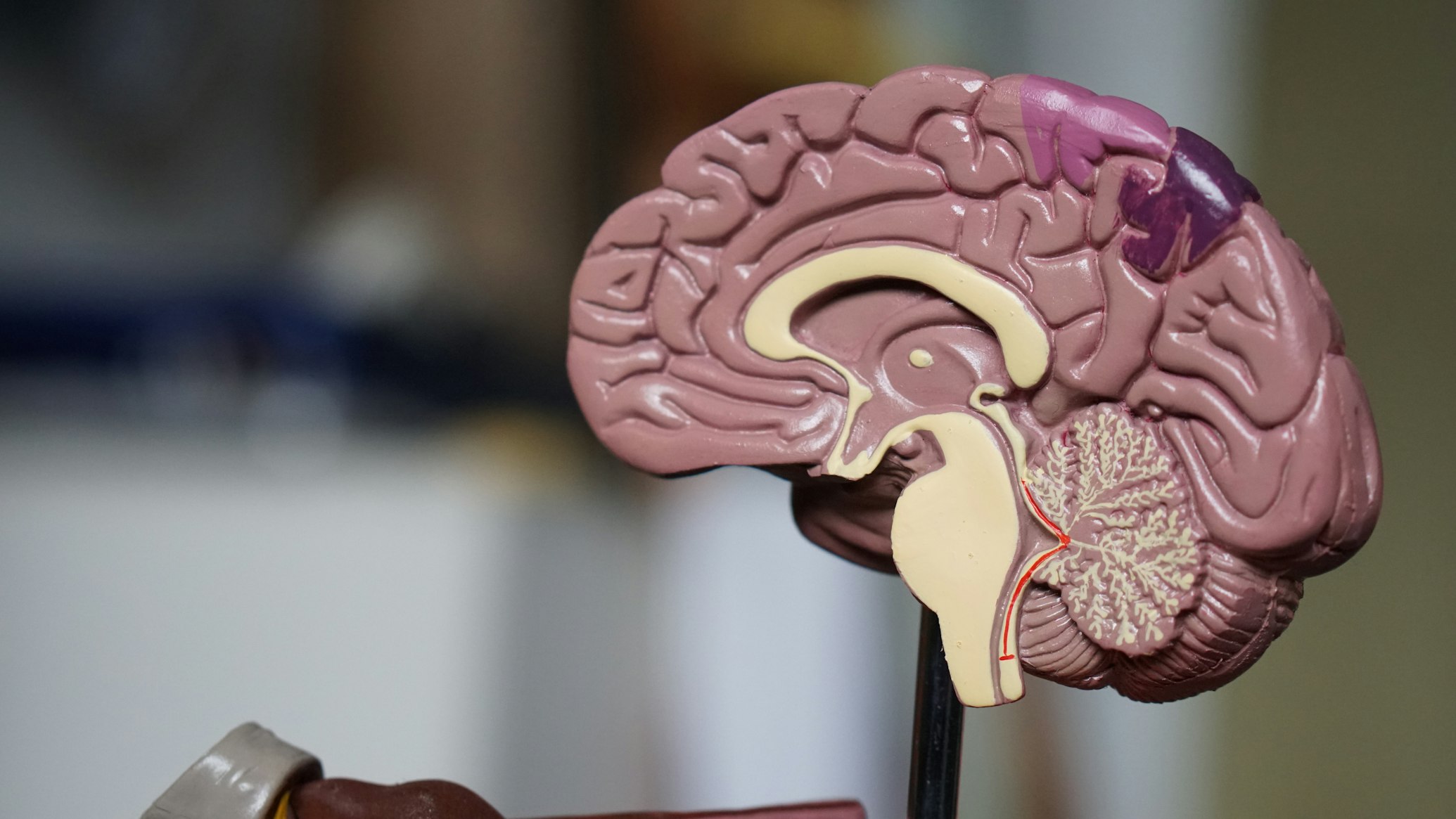
Microscopic view of bladder cells showing the protective GAG layer
The Crucial Experiment: Testing a Molecular Shield
The central question became: Could we reinforce this natural shield to protect the bladder from LL-37? A team of scientists designed a key experiment to test whether a specific modified glycosaminoglycan could do just that.
Methodology: A Step-by-Step Look
The researchers set up a clean model to observe the interaction between LL-37 and bladder cells, with and without their proposed protective compound.
Cell Preparation
Human urothelial cells (the lining of the bladder) were grown in laboratory dishes.
Experimental Groups
The cells were divided into different groups:
- Control Group: Cells left alone in a neutral solution.
- LL-37 Attack Group: Cells treated with a solution of LL-37.
- Protection Group: Cells pre-treated with the modified GAG solution before being exposed to the same LL-37 solution.
Measurement
After a set time, the scientists measured two key things:
- Cell Viability: How many cells were still alive? (Measuring apoptosis).
- ATP in the Solution: How much ATP had been released from the damaged cells?
Research Reagents
| Reagent / Material | Function in the Experiment |
|---|---|
| Human Urothelial Cells | The living model of the human bladder lining, allowing direct study of cellular effects. |
| LL-37 Peptide | The key "aggressor" molecule used to induce the damage seen in IC/BPS. |
| Modified Glycosaminoglycan | The "hero" molecule being tested; a specially designed sugar to fortify the bladder's defense. |
| Cell Viability Assay Kit | A chemical tool that uses color or fluorescence to measure how many cells are alive or dead. |
| ATP Bioluminescence Assay Kit | A very sensitive test that uses the same firefly "glow" reaction to detect and quantify tiny amounts of ATP. |
Results and Analysis: A Clear Victory for the Shield
The results were striking and clear. The tables below summarize the core findings.
Cell Viability After LL-37 Exposure
This table shows the percentage of bladder cells that remained alive after the different treatments.
| Experimental Group | Cell Viability (%) | Interpretation |
|---|---|---|
| Control (No LL-37) | 100% | Baseline health. |
| LL-37 Attack Group | 45% | LL-37 caused massive cell death. |
| LL-37 + Modified GAG | 88% | The modified GAG provided strong protection, saving most cells. |
Analysis: The data shows that LL-37 is highly toxic to bladder cells, killing over half of them. However, pre-treating the cells with the modified GAG drastically reduced this cell death, demonstrating its potent protective effect.
ATP Release into the Environment
This table measures the concentration of ATP released, indicating the level of "danger signaling."
| Experimental Group | ATP Concentration (nM) | Interpretation |
|---|---|---|
| Control (No LL-37) | 15 nM | Low background level. |
| LL-37 Attack Group | 420 nM | LL-37 triggered a massive danger signal. |
| LL-37 + Modified GAG | 60 nM | The modified GAG significantly suppressed the danger signal. |
Analysis: The spike in ATP release in the LL-37 group confirms it doesn't just kill cells; it also makes them send out distress signals that fuel pain and urgency. The modified GAG cut this signal by over 85%, showing it can calm the hyperactive nervous response.
A New Hope for a Pain-Free Bladder
This experiment provides a powerful "proof of concept." It demonstrates that a modified glycosaminoglycan isn't just a passive barrier; it's an active therapeutic shield. By physically binding to LL-37 or the cell surface, it prevents the peptide from initiating its destructive cascade of cell death and danger signaling .
Key Insight
This research corrects a previous simplistic view of the GAG layer as just a wall. It is now seen as a dynamic, interactive shield that can be therapeutically reinforced.
For the millions navigating the daily challenges of IC/BPS, these findings illuminate a promising path forward. The goal is to translate this discovery from the lab dish to a clinical treatment—a simple instillation of this molecular shield that could restore the bladder's peace, silence the false alarms, and finally offer relief.

The future of bladder pain treatment may lie in reinforcing the body's natural defenses