The Silent Storm Within
How a Simple Antioxidant Could Calm the Damage of a Breathing Disorder
Exploring groundbreaking research on how Tempol combats inflammation and cellular suicide in emphysema and sleep apnea
Imagine your body is a bustling city. Your lungs are the power plants, taking in fuel (oxygen) and expelling exhaust (carbon dioxide). Your blood vessels are the intricate network of roads and highways, delivering this fuel to every single neighborhood (your organs). Now, imagine what happens if the power plant starts to falter, causing repeated, nightly blackouts. This is the reality for millions with conditions like sleep apnea, and the consequences are a silent, destructive storm within.
This article explores the groundbreaking research into this storm—a cycle of inflammation and cellular suicide—and the promising potential of a powerful antioxidant named Tempol to calm the weather.
Understanding the Perfect Storm: Emphysema Meets Intermittent Hypoxia
To understand the research, we first need to understand the two key players in this physiological drama.
Emphysema
Often associated with smoking, emphysema is a lung disease where the tiny, delicate air sacs (alveoli) are destroyed. Think of a sponge losing its springy holes and becoming a stiff, inefficient block. This makes gas exchange difficult.
Intermittent Hypoxia (IH)
This is the "repeated blackout" scenario. It's a hallmark of Obstructive Sleep Apnea (OSA), where the airway collapses during sleep, causing breathing to stop and start hundreds of times a night. The body is repeatedly starved of oxygen, only to be flooded with it when breathing resumes.
The Danger of Combination
The real danger lies in the combination. Emphysema weakens the "power plant," and Intermittent Hypoxia throws a wrench into its machinery. The result is a vicious cycle of oxidative stress.
What is Oxidative Stress?
In simple terms, it's rusting from within. When cells process oxygen, they produce unstable molecules called free radicals. These are like sparks from a fire—in small amounts, they're normal. But under stress (like IH), these sparks fly out of control, damaging everything they touch. This "rust" inflames tissues and can even trigger cells to self-destruct, a process known as apoptosis.

This is particularly disastrous for the endothelium—the smooth, single layer of cells that lines our entire circulatory system, our "road network." When endothelial cells are damaged or die, the roads become potholed and dangerous, leading to high blood pressure, atherosclerosis, and heart disease.
A Deep Dive into the Experiment: Can Tempol Stop the Cycle?
Scientists hypothesized that the antioxidant Tempol could be a powerful "fire extinguisher" for this internal blaze. To test this, they designed a crucial experiment using emphysematous rats.
The Hypothesis
Tempol, a superoxide dismutase mimetic, would reduce oxidative stress, thereby decreasing systemic inflammation and endothelial apoptosis in emphysematous rats exposed to intermittent hypoxia.
The Methodology: A Step-by-Step Guide
The researchers created a controlled study to isolate the effects of Tempol. Here's how they did it:
Creating the Model
Researchers first induced a condition similar to emphysema in a group of rats.
Dividing the Groups
These emphysematous rats were then divided into three critical groups.
The Intervention
Tempol was administered dissolved in their drinking water.
The Analysis
Scientists examined blood and lung tissue for key markers.
Control
Exposed to normal air.
IH Only
Placed in a special chamber that cycled between low oxygen (simulating apnea) and normal oxygen.
IH + Tempol
Exposed to the same IH conditions, but also received daily treatment with Tempol.
The Results: What the Data Revealed
The findings were striking and clearly demonstrated the protective power of Tempol.
Systemic Inflammation Markers (in blood)
This table shows the levels of key pro-inflammatory cytokines (signaling molecules). Lower levels mean less inflammation.
| Group | TNF-α (pg/mL) | IL-6 (pg/mL) |
|---|---|---|
| Control (Normal Air) | 15.2 | 20.5 |
| IH Only | 48.7 | 65.1 |
| IH + Tempol | 22.3 | 28.9 |
Analysis: The IH-only group had a massive surge in inflammation, like a city-wide alarm bell ringing non-stop. Tempol treatment dramatically reduced these alarm signals, bringing them close to normal levels.
Endothelial Apoptosis in the Aorta
This table shows the percentage of endothelial cells undergoing apoptosis (cell death) in the main artery.
| Group | Apoptotic Cells (%) |
|---|---|
| Control (Normal Air) | 4.5% |
| IH Only | 18.2% |
| IH + Tempol | 7.1% |
Analysis: Intermittent hypoxia caused widespread "cellular suicide" in the blood vessel lining. With Tempol, the number of dying cells was drastically reduced, meaning the vital road network was being preserved.
Key Oxidative Stress Markers
This table measures the "rust" (oxidative stress) directly. Lower MDA and higher SOD/GSH indicate less oxidative damage.
| Group | MDA (nmol/mg) | SOD (U/mg) | GSH (μg/mg) |
|---|---|---|---|
| Control (Normal Air) | 1.8 | 25.5 | 12.1 |
| IH Only | 4.9 | 14.2 | 6.8 |
| IH + Tempol | 2.3 | 22.8 | 10.5 |
Analysis: The IH-only group had high levels of MDA (a marker of cellular damage) and low levels of the body's natural antioxidants (SOD and GSH). Tempol effectively rebalanced this, mopping up the damaging free radicals and boosting the body's own defenses.
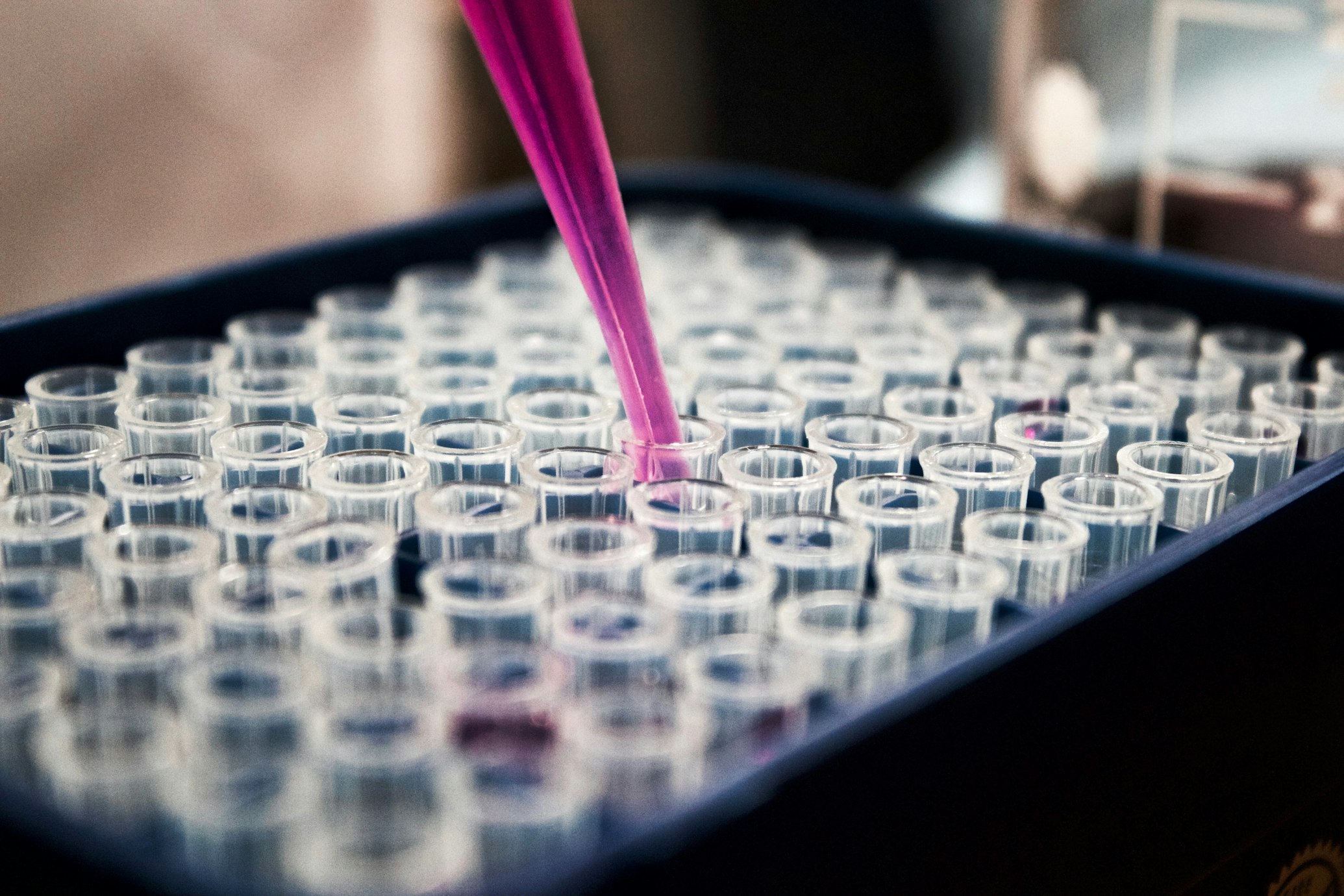
The Scientist's Toolkit: Key Research Reagents
Here's a look at some of the essential tools used in this field of research.
Tempol
A superoxide dismutase mimetic. It's a synthetic antioxidant that acts as a powerful "free radical scavenger," neutralizing the dangerous sparks of oxidative stress.
ELISA Kits
The "molecular detective." These kits allow scientists to precisely measure the concentration of specific proteins (like TNF-α or IL-6) in a blood or tissue sample.
TUNEL Assay
The "cell death detector." This is a staining technique that allows researchers to visually identify and count individual cells that are undergoing apoptosis under a microscope.
Hypoxia Chamber
The "environment simulator." This is a sealed chamber where researchers can precisely control the levels of oxygen and carbon dioxide to mimic conditions like intermittent hypoxia or high altitude.
A Beacon of Hope for Future Therapies
The message from this experiment is clear and powerful. The destructive cycle of inflammation and cell death caused by the combination of emphysema and intermittent hypoxia is not an unstoppable force. The antioxidant Tempol acted as a potent shield, significantly calming the inflammatory storm and protecting the delicate endothelial lining of blood vessels.
While this research was conducted in animal models, it opens a thrilling new avenue for treating human patients with overlapping lung and sleep disorders. It suggests that supplementing our body's natural defenses with targeted antioxidants could be a key strategy in breaking the cycle of damage, protecting the heart and blood vessels, and ultimately improving the lives of millions. The silent storm, it seems, may finally have met its match.
