Research Articles
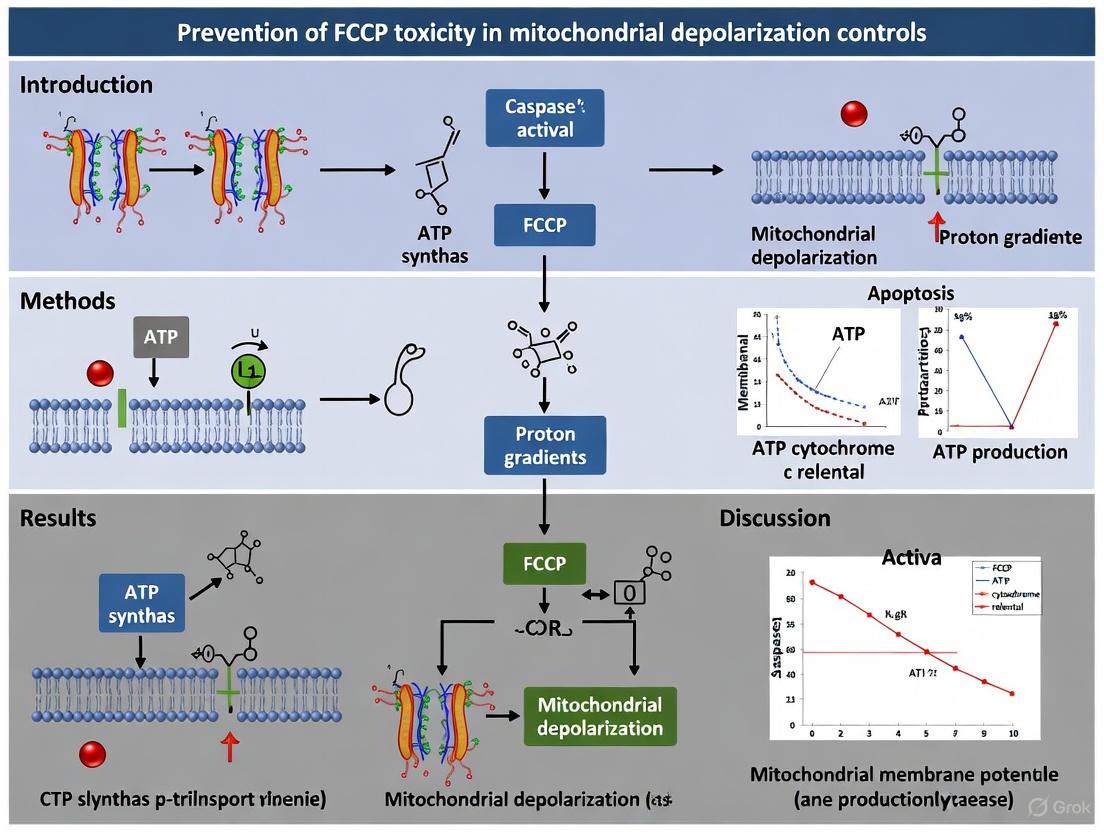
Mitigating FCCP Toxicity: A Strategic Guide for Controlling Mitochondrial Depolarization in Research
FCCP is a potent mitochondrial uncoupler widely used to study depolarization, cellular stress responses, and mitophagy.
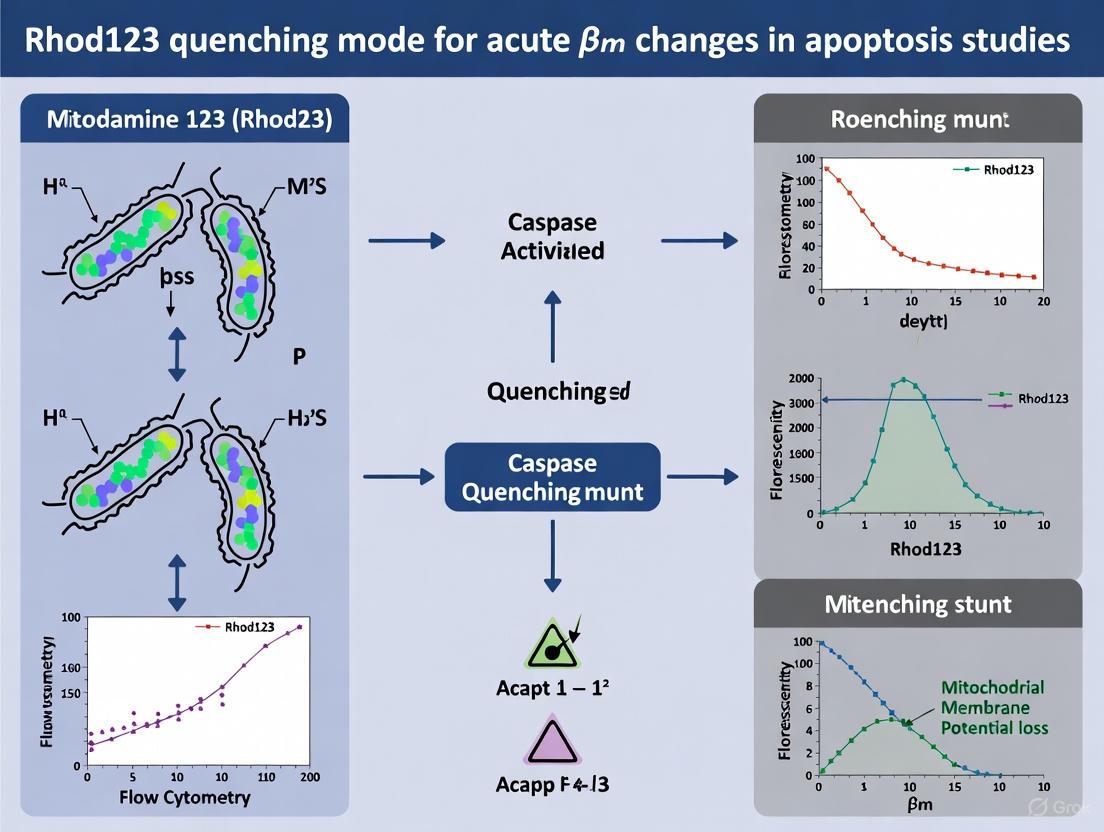
Mastering Rhodamine 123 Quenching Mode: A Troubleshooting Guide for Accurate Acute ΔΨm Measurement
This article provides a comprehensive guide for researchers and drug development professionals on the effective use of Rhodamine 123 (Rhod123) in quenching mode to monitor acute changes in mitochondrial membrane...
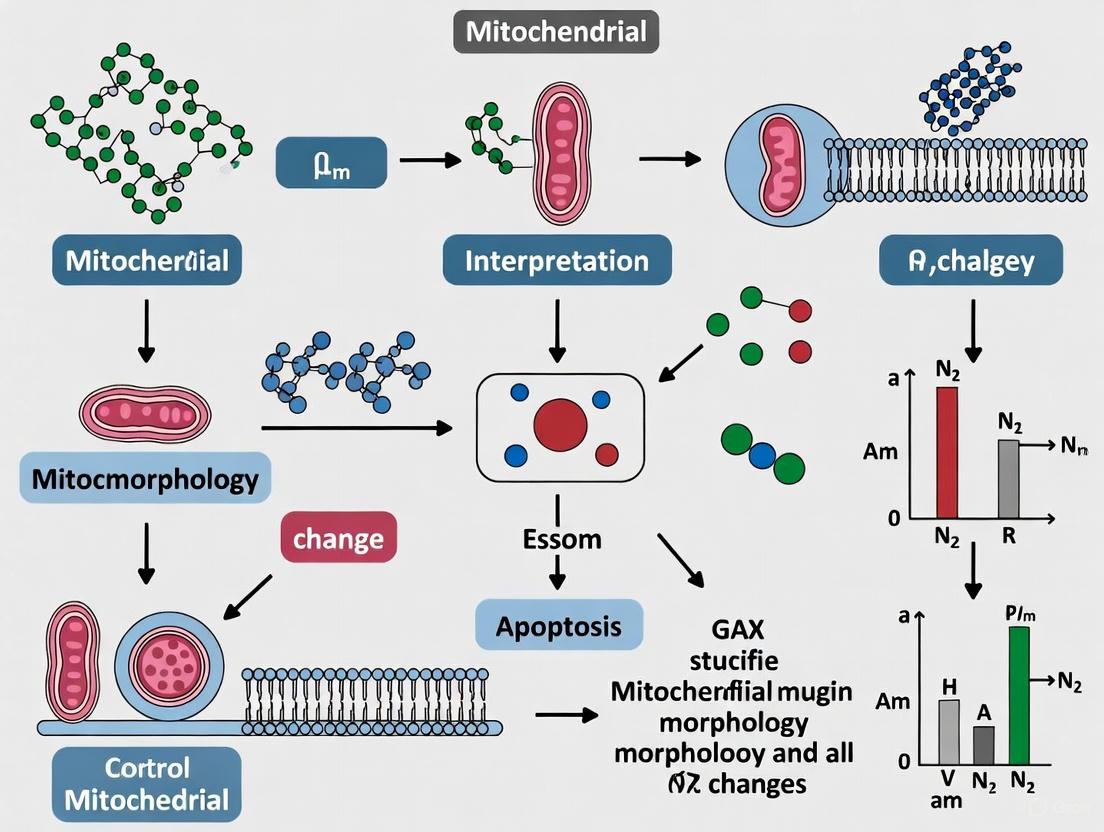
Beyond the Potential: Controlling for Mitochondrial Morphology in Accurate ΔΨm Interpretation
The mitochondrial membrane potential (ΔΨm) is a central parameter in cellular bioenergetics, serving as a key indicator of mitochondrial health and function in both physiological and pathological states.
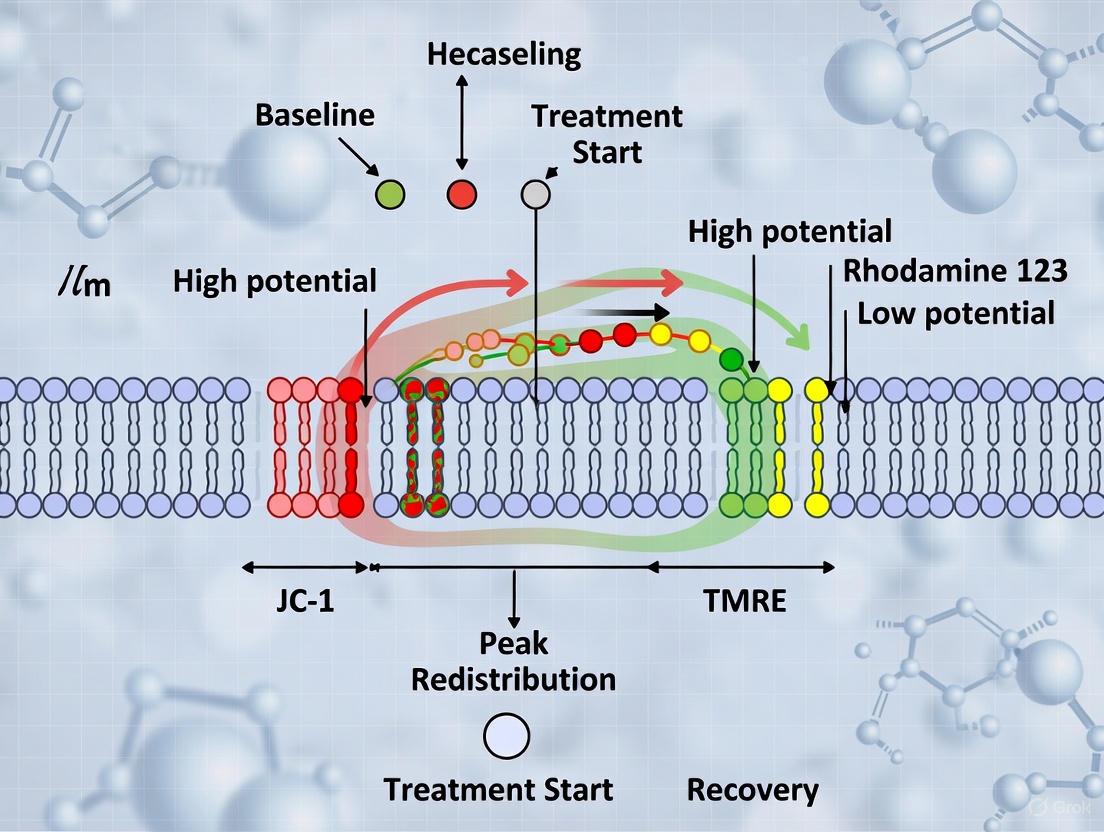
Mitochondrial Membrane Potential Dye Redistribution Artifacts: From Mechanisms to Solutions in Biomedical Research
Accurate measurement of mitochondrial membrane potential (ΔΨm) is crucial for understanding cellular health, apoptosis, and drug mechanisms.
Mitigating JC-1 Dye Aggregation Artifacts for Accurate Assessment of Mitochondrial Membrane Potential (ΔΨm)
This article provides a comprehensive guide for researchers and drug development professionals on addressing JC-1 dye aggregation artifacts in the assessment of mitochondrial membrane potential (ΔΨm).
Optimizing TMRM Concentration for Accurate Mitochondrial Membrane Potential Measurement: A Guide to Minimizing ETC Inhibition
This article provides a comprehensive guide for researchers and drug development professionals on optimizing Tetramethylrhodamine Methyl Ester (TMRM) concentration to minimize unintended inhibition of the mitochondrial electron transport chain (ETC).
Beyond the Proton: A Guide to Correcting for Non-Protonic Charges in Mitochondrial Membrane Potential Measurements
Accurate measurement of the mitochondrial membrane potential (MMP) is fundamental to understanding cellular bioenergetics, health, and signaling.
Isolation of Functional Mitochondria for Transplantation: A Comprehensive Guide from Bench to Bedside
Mitochondrial transplantation has emerged as a groundbreaking therapeutic strategy for restoring cellular function in diseases driven by mitochondrial dysfunction, such as cardiovascular, neurodegenerative, and ischemic conditions.
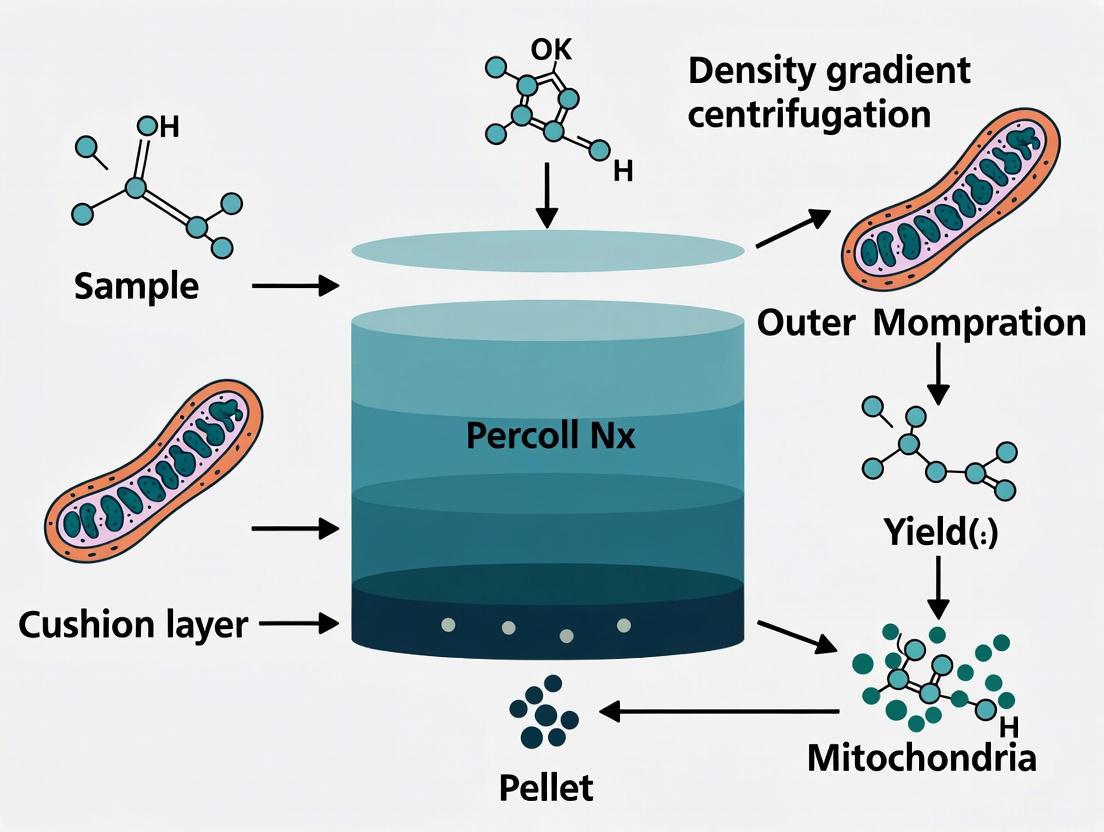
Density Gradient Centrifugation for Mitochondrial Purification: A Comprehensive Guide from Foundational Principles to Advanced Applications
This comprehensive article explores density gradient centrifugation as a critical technique for isolating high-purity, functional mitochondria across diverse biological samples.
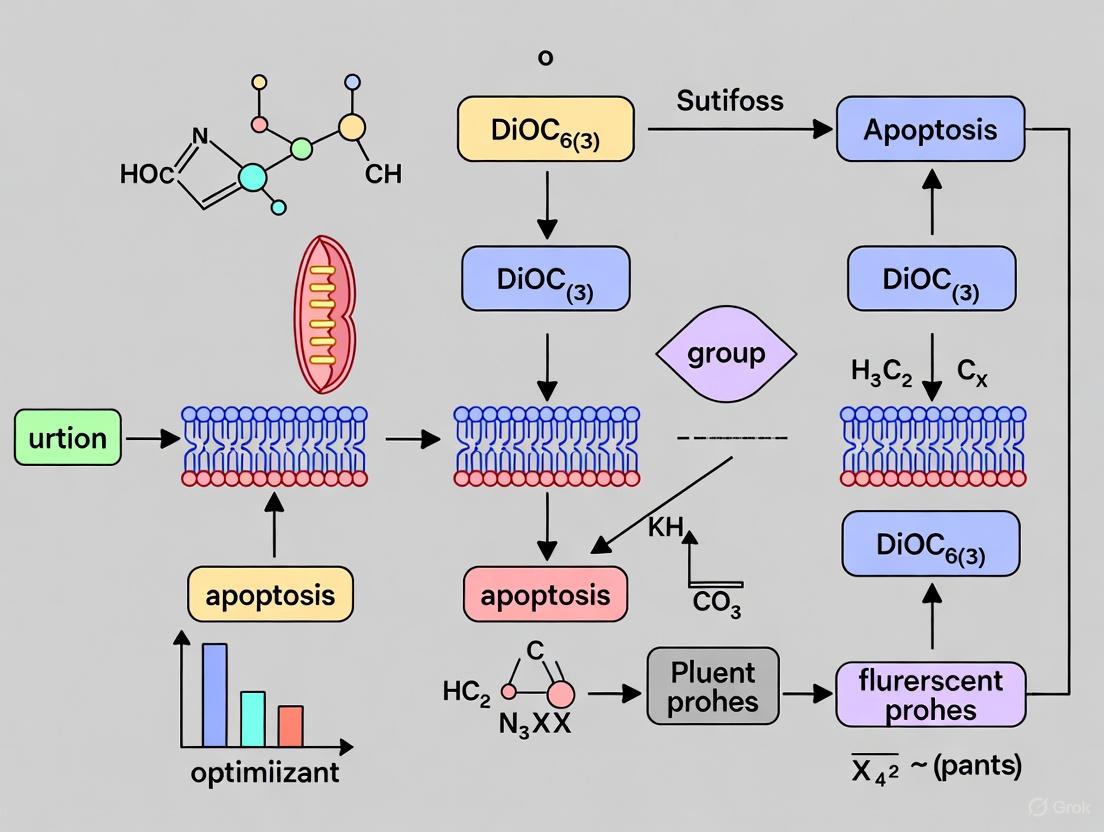
Optimizing DiOC6(3) Concentration: A Strategic Guide to Mitigate Plasma Membrane Artifacts in Mitochondrial Potential Assays
Accurate measurement of mitochondrial membrane potential (ΔΨm) is fundamental for assessing cell health, apoptosis, and metabolic function.